

Why Do Dogs Eat Rocks? What to Do If Your Dog Swallowed One and How to Stop It
By Cal Hewitt · Published
Health
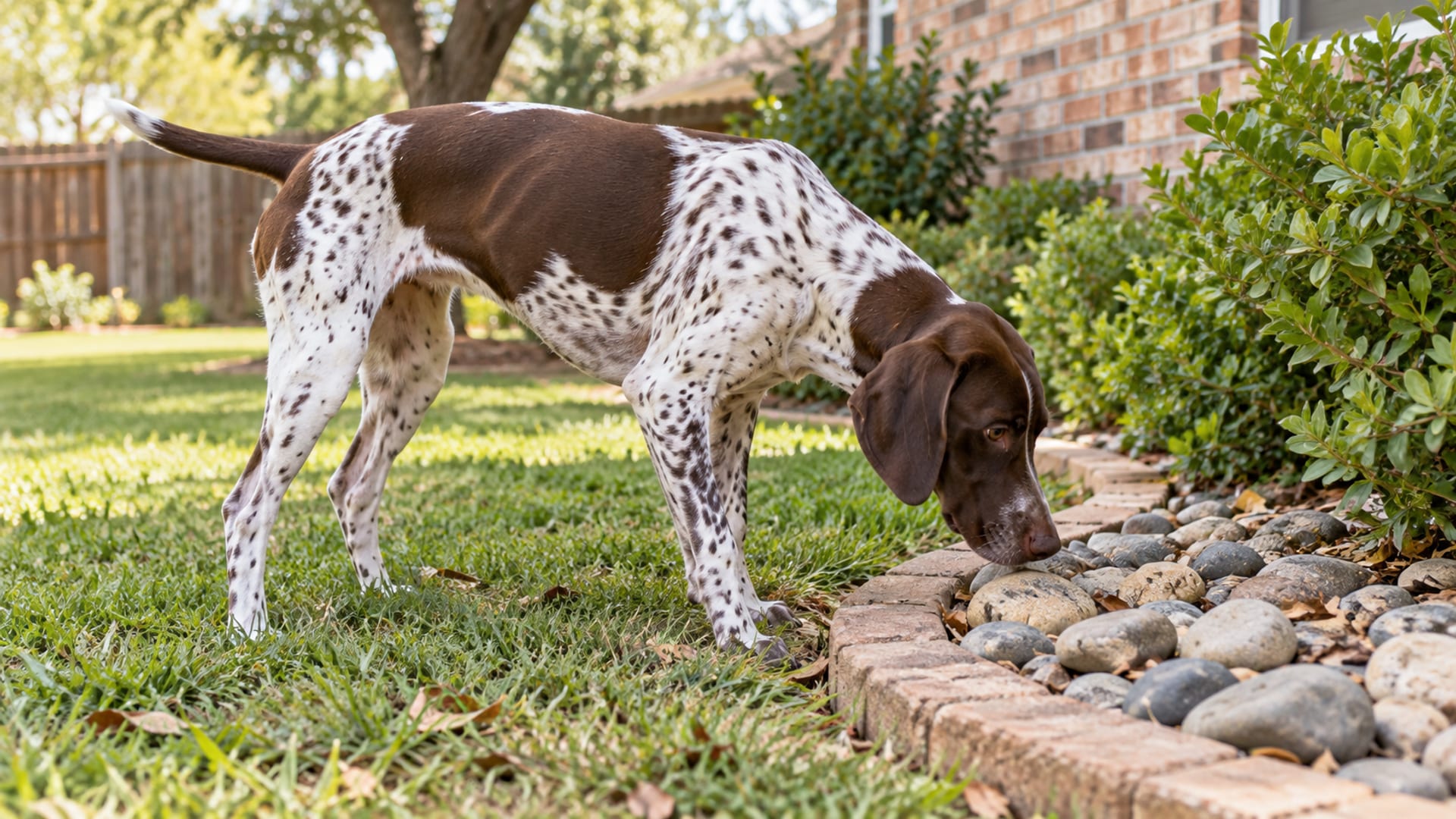
If your dog just swallowed a rock, call a veterinarian or an emergency animal hospital now, even if your dog looks fine. Tell them what happened and ask what they want you to do. Do not make your dog vomit unless the vet tells you to. Dogs eat rocks for different reasons: puppies mouth things and teethe, and adult dogs may be bored, anxious, frustrated, or sick. Whatever the reason, a rock can crack a tooth or get stuck in the stomach or intestine.
Key takeaways
Tap a card to bring it forward.
- After a known swallowed rock, call a veterinarian or emergency vet promptly, even if your dog seems normal.
- Do not induce vomiting at home unless a veterinarian specifically directs it.
- Vomiting, repeated retching, refusing food, belly pain or swelling, lethargy, straining to poop, weakness, or collapse mean an emergency vet now.
- Rock-eating has several possible causes, from puppy curiosity to boredom, anxiety, and illness, and the habit alone does not tell you which one.
- Prevention is supervision, removing loose rocks, daily exercise and enrichment, safe chews, and a reward-based "leave it."
My dog just swallowed a rock. What do I do first?
You want a plan, so here it is, in order. Call your regular vet, or an emergency vet near you, and describe what happened. A known swallowed rock needs a call right away because signs vary and may not show up at once. Cornell's veterinary college says a gastrointestinal obstruction is an emergency that often needs surgery to fix, which is why the call comes first and the waiting comes later, if ever.
When you call, have these details ready:
- About when your dog swallowed the rock.
- The rock's rough size, shape, and material.
- Whether your dog swallowed it whole or chewed it first.
- Your dog's size, age, and health history.
- Any vomiting, gagging, pain, change in appetite, tiredness, or trouble breathing.
Then follow what the vet says. Some small, smooth objects do pass, but a rock can lodge in the stomach or intestine, so the decision about watching and waiting belongs to the veterinarian who has heard the details. The Merck Veterinary Manual says gastrointestinal obstruction should be treated as an emergency, and it lists rocks among the things a dog cannot digest.
I know the pull to "do something" at home. Please don't make your dog vomit on your own. Vomiting should not be induced unless a veterinarian specifically directs it, and I won't give home instructions here. If your vet does tell you to, our article on how to make a dog throw up, and why to call poison control first explains what that call looks like.
Which signs mean an emergency vet right now?
Go to an emergency vet now if you see any of these, with or without a known rock:
- Difficulty breathing or choking. The AVMA's pet first-aid brochure lists breathing trouble and blue-tinged lips or tongue as choking warnings.
- Collapse or profound weakness.
- Repeated vomiting or retching, or not being able to keep water down.
- A painful, swollen, or tight belly.
- Marked dehydration or severe lethargy.
Other signs of a blockage can build more slowly. They include vomiting, refusing food, diarrhea (sometimes with blood), dehydration, lethargy or depression, regurgitation, and straining to poop or passing only small amounts. If your dog swallowed a rock and shows any illness sign, treat it as urgent. If you are seeing straining and small stools, our page on dog constipation covers ordinary causes, but after a swallowed rock that sign belongs in the call to your vet.
Two points change how you read the signs. First, the signs depend on where the rock sits, so they can be delayed or mild at first. Second, the number of vomiting episodes does not tell you how dangerous things are. AAHA says a dog with a life-threatening intestinal obstruction may only vomit a few times. So, if your dog threw up once or twice and also seems off, that is enough to call. For general vomiting questions, see our guide to dog vomiting.
Why do dogs chew or swallow rocks?
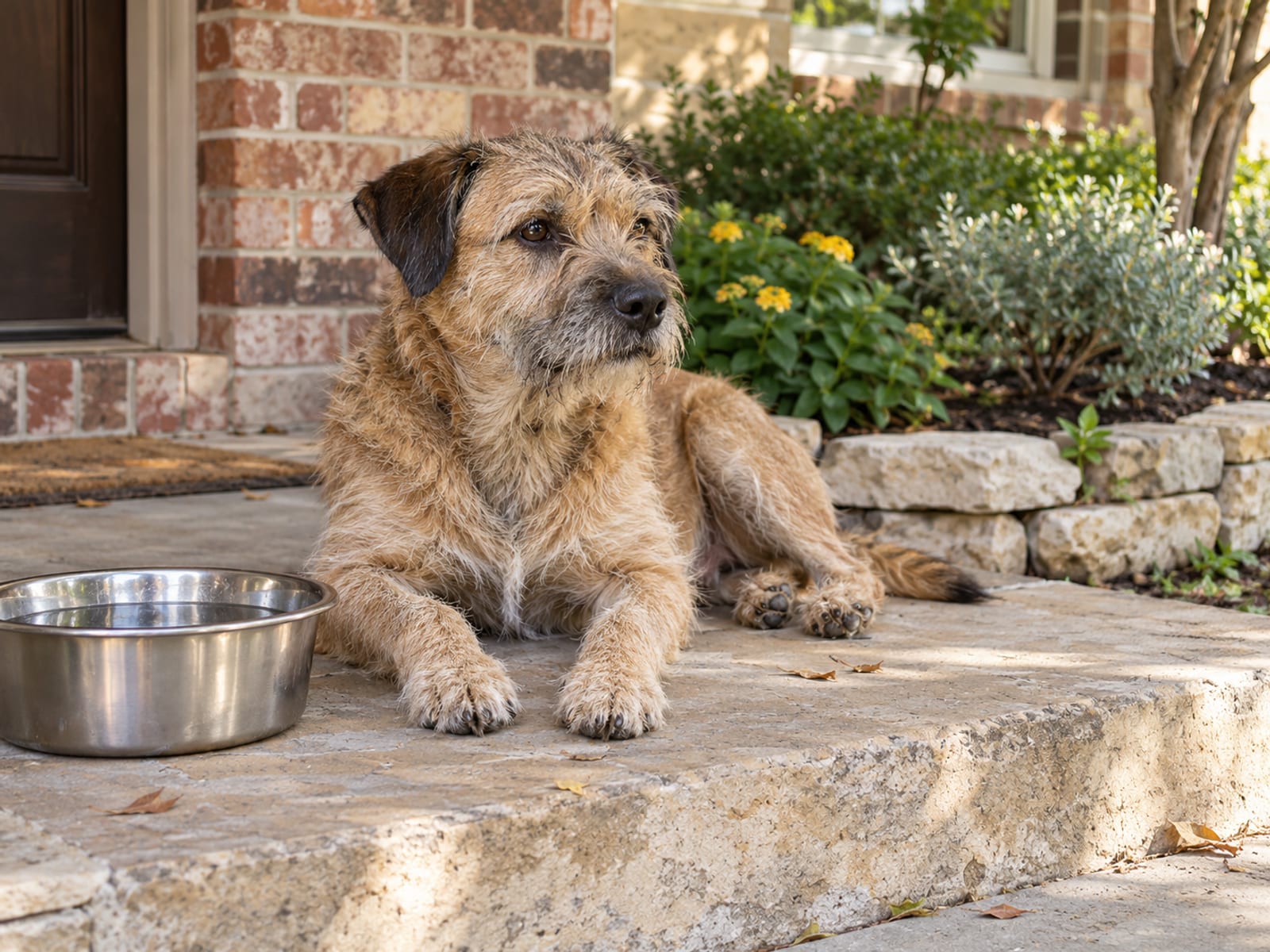
There is rarely one answer, and your dog's behavior alone does not show which one applies to yours. These are the possibilities veterinary and behavior sources describe.
Puppies investigate with their mouths, and teething makes chewing stronger. That is normal, but swallowing a rock is still unsafe, so a puppy needs to be redirected and kept away from loose stones. UC Davis and the ASPCA both point to puppy chewing as common, along with the need for supervision and good things to chew.
A dog who lacks exercise, mental work, interactive toys, or company may find its own entertainment, and sometimes that means stones. Anxiety, frustration, or stress can also show up as swallowing things that are not food. The ASPCA connects chewing and destructive behavior with separation anxiety, so if your dog goes after rocks mostly when you are away, read our page on dog separation anxiety and write down when it happens.
Some dogs learn that picking something up gets a big reaction from their person. That is a possible learning history in some dogs, not an explanation for all of them. And when the ingestion is persistent and repetitive, it can be part of a compulsive pattern, which a vet considers only after medical causes and the dog's surroundings have been looked at.
A 2021 study in the Journal of Veterinary Behavior compared 42 dogs that ingested foreign bodies with 42 control dogs and found an association between foreign-body ingestion and behavioral disorders. An association does not prove that anxiety or another behavior condition caused the ingestion in every dog, so I would not use it to label your dog.
What does pica mean, and how is chewing different from swallowing?
Pica is the persistent chewing and consumption of non-nutritional substances, according to UC Davis, and rocks are one example. It describes what a dog is doing. It is not a diagnosis and it does not say why.
It helps to separate three things. Mouthing is a puppy picking something up and putting it in the mouth to investigate. Chewing is working on the item, which is common during teething. Persistent ingestion is repeatedly swallowing non-food items. A dog can chew a rock without swallowing it, and puppies often do, but that still puts the teeth at risk, and a dog who swallows rocks over and over needs a plan and a vet check, not just patience.
Rocks can fracture teeth. If your dog chews stones, tell your vet so they can check the teeth.
Could an illness be behind it, and when should a vet check my dog?
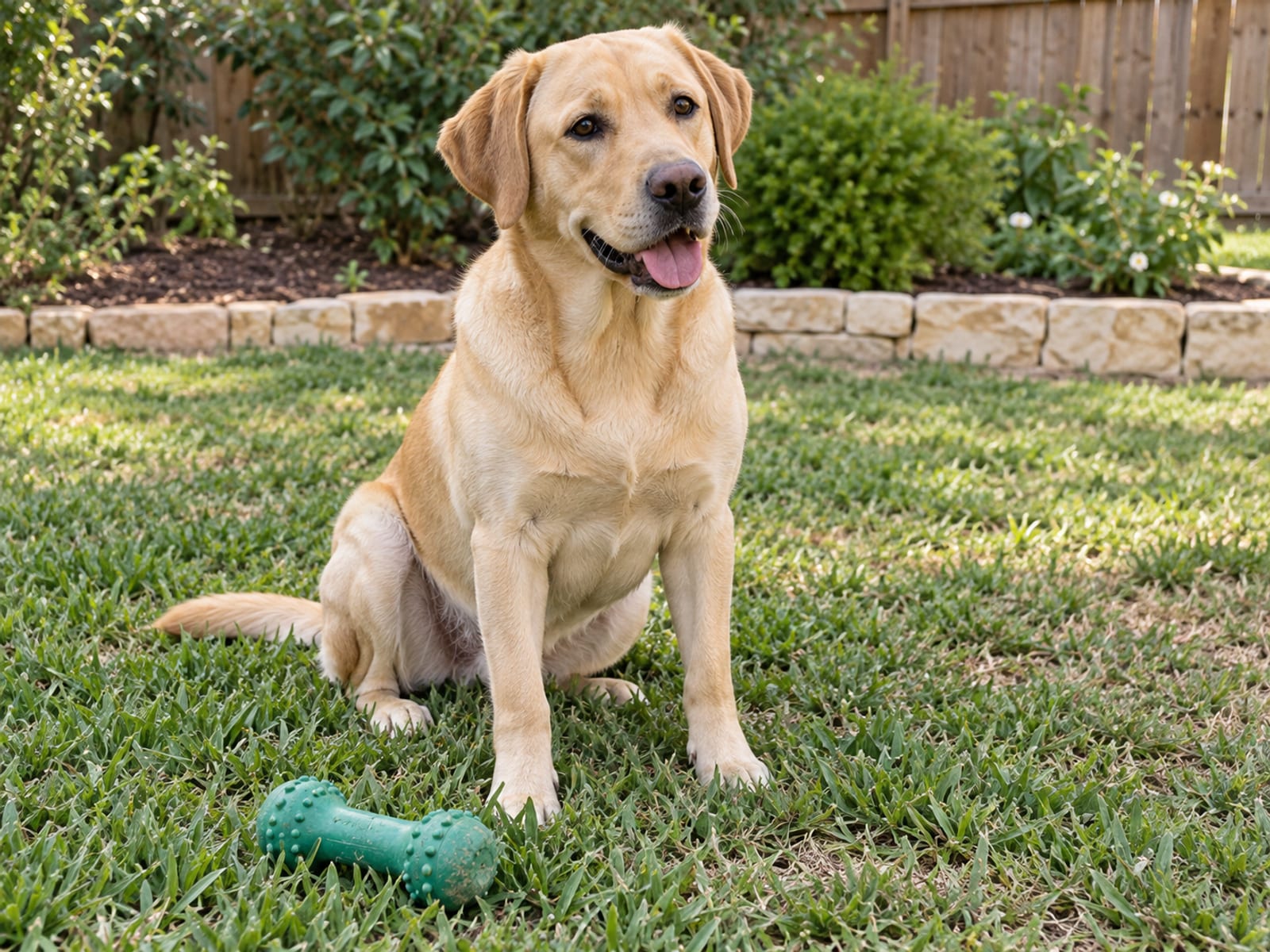
Sometimes. Veterinary sources, including VCA hospitals and UC Davis, list medical problems that can be linked to eating non-food items:
- Gastrointestinal disease, including inflammatory bowel disease.
- Intestinal parasites.
- Liver shunt.
- Exocrine pancreatic insufficiency.
- Anemia.
- Malnutrition or an imbalanced diet.
- Diabetes mellitus.
- Cushing's disease, also called hyperadrenocorticism.
- Brain conditions that affect appetite.
- Increased appetite from some medications.
That list also answers a common question, whether a mineral or nutritional deficiency causes rock-eating. A nutritional problem is one possible cause among several, so changing your dog's food is not a substitute for a veterinary exam.
A vet check makes sense when the habit is persistent, starts suddenly, appears in an adult or senior dog, or comes with weight loss, vomiting, diarrhea, appetite change, weakness, pale gums, more thirst or urination, belly discomfort, or other changes in behavior. It also makes sense after any known swallowed rock, because the rock itself can block the gut even in a healthy dog. Your vet may take a history, examine your dog, review the diet, and run blood tests, a urine test, and a fecal test. Only that kind of exam can sort out these possibilities. Our page on the signs of a healthy dog can help you notice changes.
What will the vet do, and what does treatment look like?
Expect questions first, the details I listed above, then a physical exam. To look for a rock, vets use abdominal X-rays, sometimes contrast studies in which your dog swallows a material that shows up on the images, and ultrasound, plus blood work and urine and fecal tests. Rocks often show up on plain X-rays, but imaging does not always rule out an obstruction. If suspicion stays high, the vet may recommend more imaging, endoscopy, or surgery to look inside the belly.
Treatment depends on where the rock is, whether it is moving, whether it is blocking the gut, and whether tissue is damaged. The options, from gentler to more involved, are:
- Hospital monitoring with intravenous fluids and repeat X-rays for a small, smooth object in a stable dog.
- Endoscopy, which retrieves an object through the mouth when it is reachable in the upper digestive tract.
- Surgery to open the stomach or the intestine and remove the object.
- Removing damaged bowel and reconnecting the healthy ends when tissue is dead or torn.
The American College of Veterinary Surgeons says surgery is not always required, but it is warranted when monitoring or endoscopy fails, the object is not moving, or the blockage is getting worse. The Merck manual says a stable dog with an object that shows on X-ray may be monitored, and that failure to progress within 36 to 48 hours, or ongoing vomiting, depression, and lethargy, supports surgery. That timing is a veterinarian's decision to make with your dog in front of them, not a countdown for you to run at home.
Tap or hover a row to highlight it.
| Figure | What it means | Source |
|---|---|---|
| Figure36 to 48 hours | What it meansMonitoring interval for an object on X-ray that is not progressing; failure to pass or worsening signs may mean surgery | SourceMerck Veterinary Manual |
| Figure12 to 24 hours | What it meansTime a dog may receive IV fluids and close monitoring after abdominal surgery | SourceAmerican College of Veterinary Surgeons |
| Figure84 dogs | What it means2021 behavior study: 42 that ingested foreign bodies and 42 controls | SourceJournal of Veterinary Behavior |
Cost is the question many people are afraid to ask. Prices vary with whether it is an emergency, the imaging, anesthesia, endoscopy or surgery, hospital stay, where you live, and how much bowel is damaged. When the situation allows, ask the clinic for an itemized estimate before non-emergency care. In an emergency, get your dog seen first and talk about cost as you go.
How do I stop my dog from eating rocks?
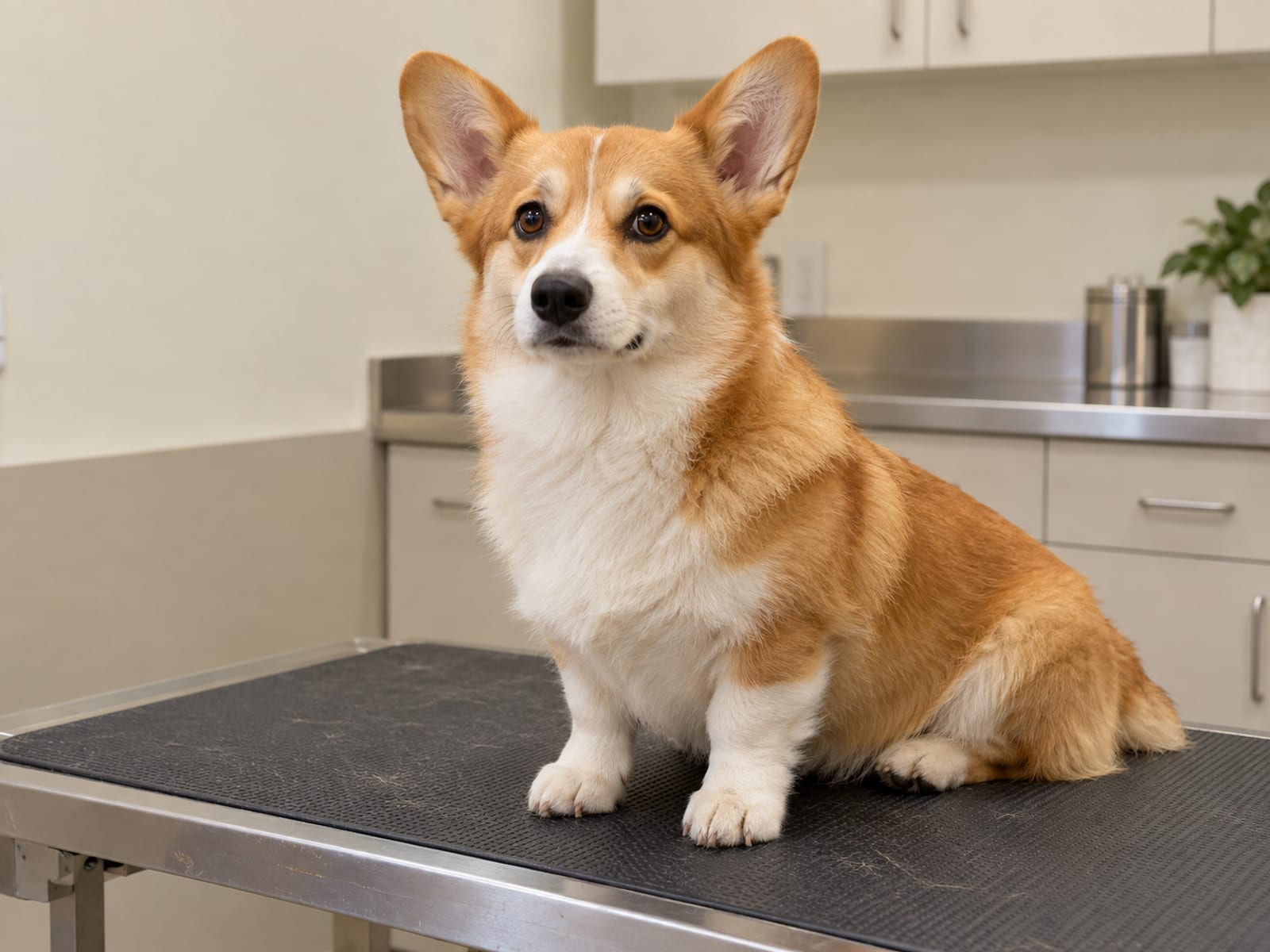
Start managing the problem today, while you look into the cause.
- Remove rocks and loose gravel from the parts of your yard your dog can reach, where practical.
- Supervise outdoor time, and use a leash or a controlled area where scavenging is frequent.
- Interrupt early and redirect your dog to something allowed.
- Give daily physical exercise and mental work. Our guides on how much exercise a dog needs and how often to walk your dog give a starting point.
- Use food puzzles and foraging games that cannot be swallowed in dangerous pieces.
- Offer sized-right, durable chews and stay close while your dog chews. Remove any toy or chew that fragments, is too small, or gets swallowed in pieces. The ASPCA warns that very small or fragmenting chews can cause an intestinal blockage that needs surgery, so no toy is risk-free. See indestructible dog toys for chew choices.
- Keep notes on when and where it happens, especially if it only happens when your dog is alone.
Then teach a reward-based "leave it" and a trade cue. The AVSAB's "leave it" method uses gradual practice, praise, and rewards for turning away from an item. Reward your dog for looking away from the rock and back at you. Do this first with easy items, then build toward the real thing outside. Our pages on positive reinforcement dog training, puppy training tips, and how to train a dog walk through the basics.
Do not punish your dog after the fact. Punishing after the event does not teach the behavior you want, and the ASPCA points to management, enrichment, and supervision instead.
If you cannot reliably prevent ingestion, ask your vet about a basket muzzle. It is management, not a cure, and it needs safe fitting and gradual practice before your dog wears it on a walk. For related questions, see why dogs eat grass and poop.
When should I ask a behavior professional for help?
Bring in help when a vet has checked for medical causes and your dog keeps swallowing rocks anyway. A veterinary behaviorist can look at compulsive, anxiety-related, or otherwise stubborn ingestion, and a qualified trainer can help you build "leave it," a trade cue, and a management plan you can keep up. You can look through our trainer directory for someone near you, and if your dog has ever swallowed a rock, keep a veterinarian in the loop too.
Questions people ask about dogs and rocks
These are the quick answers to questions that come up most.
Is it okay for dogs to eat rocks?
No. Rocks cannot be digested, and they can break teeth or lodge in the stomach or intestine. If your dog swallowed one, call a vet promptly instead of waiting to see what happens.
How long do rocks stay in a dog's stomach?
There is no time you can count on. Some small, smooth objects pass, while others lodge, and the vet decides whether watching is safe. Merck describes 36 to 48 hours as the point at which an object on X-ray that is not progressing may call for surgery, but that is guidance for veterinarians working with images and exams.
How do I get my dog to stop eating rocks?
Prevent access, supervise outdoor time, raise exercise and enrichment, teach a reward-based "leave it" and trade cue, and give safe chews. If it continues after a vet check, ask about a veterinary behaviorist.
What nutritional deficiency causes dogs to eat rocks?
A diet problem is one possible cause, and so are boredom, anxiety, parasites, anemia, diabetes, Cushing's disease, and other illness. Have your vet look at the whole dog before changing your dog's food.
What is my next step?
If your dog swallowed a rock today, stop reading and call your vet or an emergency hospital. Use our emergency vet directory to find one nearby. If it was a past habit, book a vet check, start the yard and "leave it" work this week, and come back to the section on prevention when you need it. I can't tell you a rock will pass, and I'm not a vet, so your veterinarian's advice comes first.
Sources
- American Animal Hospital Association: AAHA
- American College of Veterinary Surgeons: American College of Veterinary Surgeons
- American Veterinary Medical Association: AVMA's pet first-aid brochure
- American Veterinary Society of Animal Behavior: AVSAB's "leave it" method
- ASPCA: ASPCA
- ASPCA: separation anxiety
- Merck Veterinary Manual: Merck Veterinary Manual
- UC Davis School of Veterinary Medicine: UC Davis
- VCA Animal Hospitals: VCA hospitals