
Positive Reinforcement Dog Training: How It Works and How to Start
By Cal Hewitt · Published , updated
Training
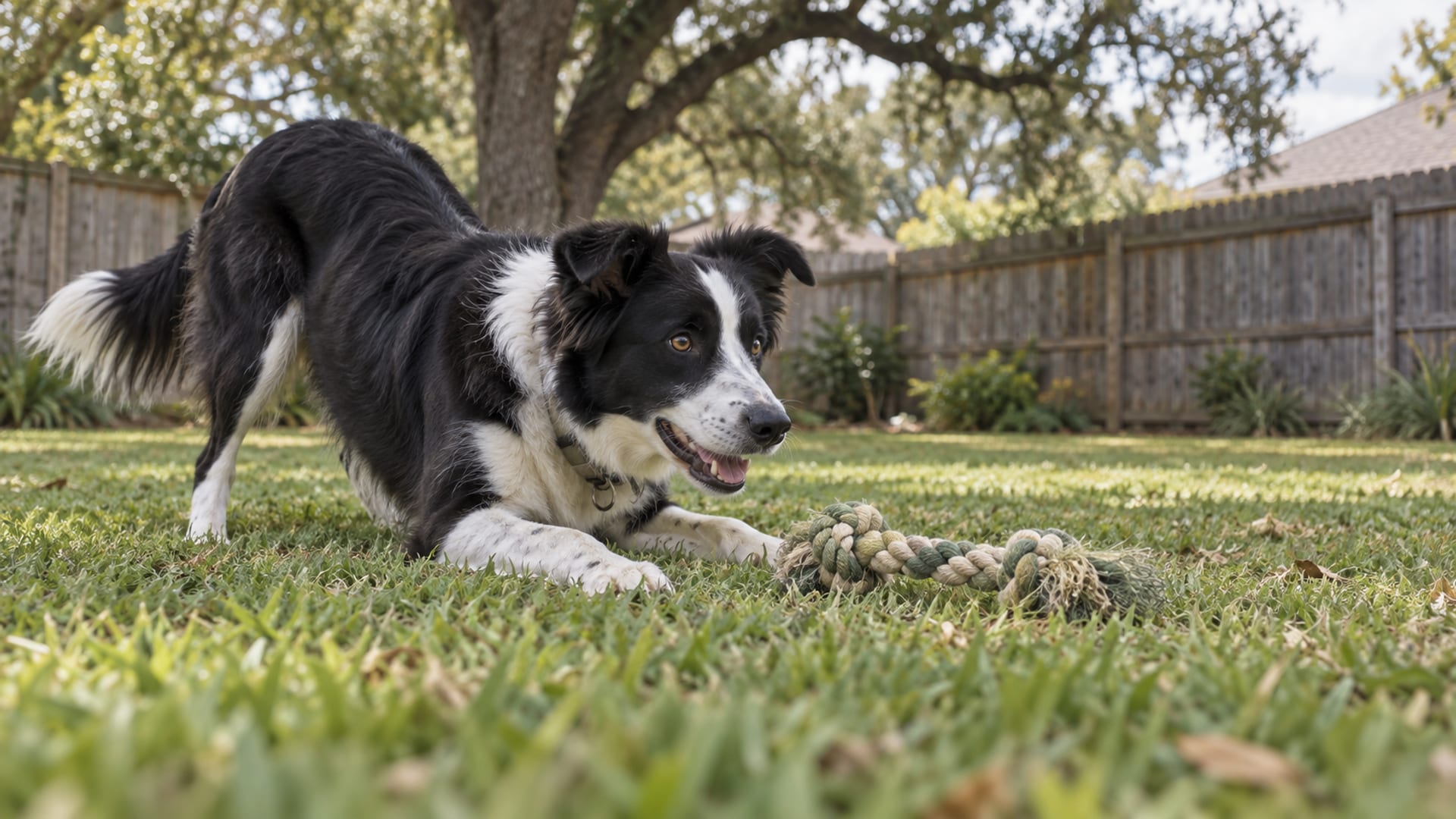
Someone told you treats will spoil your dog. Someone else said you need to be the pack leader, or that a big dog needs a firmer collar. Your dog only seems to listen when there is food in your hand, and you are not sure whether rewards are the answer or the problem.
Here is how it works in one example. Your dog jumps on guests. Instead of pushing them down, you wait for all four paws to hit the floor, say "yes" the instant they do, and hand over a treat. Repeat that enough, and four paws on the floor becomes what your dog does when someone walks in, because that is what pays. That is positive reinforcement: marking the behavior you want and rewarding it right away, so it happens more often.
The American Veterinary Society of Animal Behavior (AVSAB) recommends that "only reward-based training methods" be used "for all dog training, including the treatment of behavior problems". Below is how to start, what to do when your dog gets it wrong, and when to bring in help.
Key takeaways
Tap a card to bring it forward.
- Positive reinforcement means adding something your dog wants right after a behavior, so the behavior happens more often.
- A marker, a click or a word like "yes," tells your dog the exact moment they got it right.
- The reward has to be something your dog wants in that moment: food, a toy, play, a sniff or a door opening.
- Fade the visible treat once your dog understands. Keep paying good behavior, just less predictably.
- It works for big, strong and "stubborn" dogs. Reactive or aggressive dogs need a professional plan built on the same principles.
- AVSAB recommends reward-based methods for all dog training and says there is no evidence that aversive methods are necessary.
What positive reinforcement means
"Positive" here means something is added, not that everything is nice. "Reinforcement" means the behavior becomes more likely. A reward only counts as a reinforcer if your dog actually wants it in that moment: a piece of chicken may work in the kitchen and fail at the dog park.
You may hear about the four "quadrants" of learning. They are labels from behavior science, not four equally good tools:
Tap or hover a row to highlight it.
| Term | What happens | Example |
|---|---|---|
| TermPositive reinforcement | What happensAdd something the dog wants, so a behavior increases | ExampleFour paws on the floor earns a treat |
| TermNegative reinforcement | What happensTake away something unpleasant, so a behavior increases | ExampleLeash pressure stops when the dog moves back |
| TermPositive punishment | What happensAdd something unpleasant, so a behavior decreases | ExampleA leash jerk or a harsh "no" for pulling |
| TermNegative punishment | What happensTake away something the dog wants, so a behavior decreases | ExampleCalmly turning away when they jump, then rewarding four paws down |
Reward-based training uses the first and, gently, the last. It also leans heavily on management: gates, leashes, distance from triggers and putting food out of reach, so your dog cannot keep practicing the behavior you want to stop. Boundaries are part of it.
How to start: markers, rewards and timing
Pick one easy behavior your dog already does, like looking at you or sitting, and a quiet room.
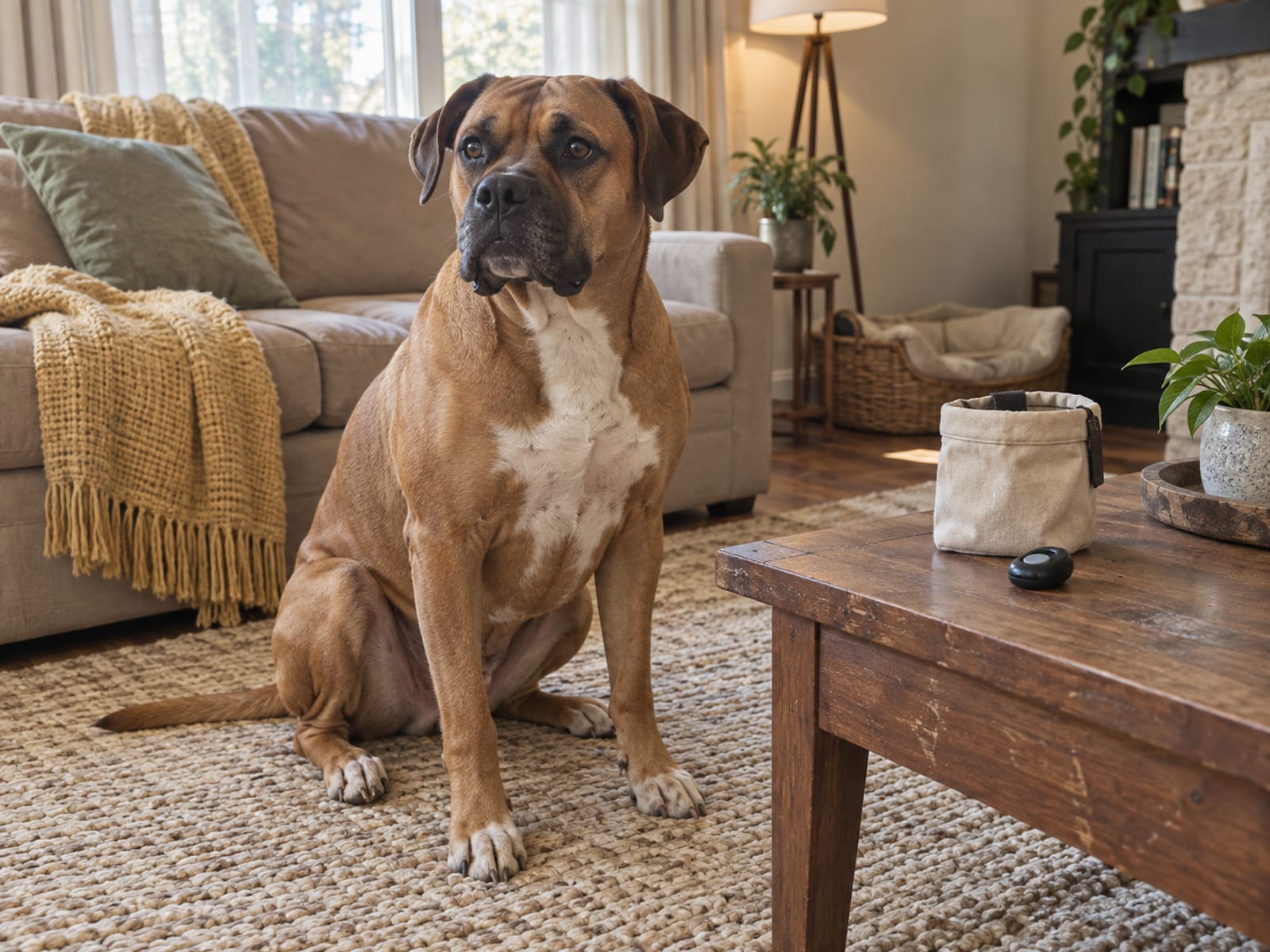
- Choose a marker. A clicker or a short word like "yes." It is not a command. It means "that, right there, earned a reward."
- Charge the marker. Say "yes" (or click) and give a small treat right away, 10 to 20 times, before asking for anything. AKC suggests this as a starting range. Every marker must be followed by a reward, and never use it to get attention.
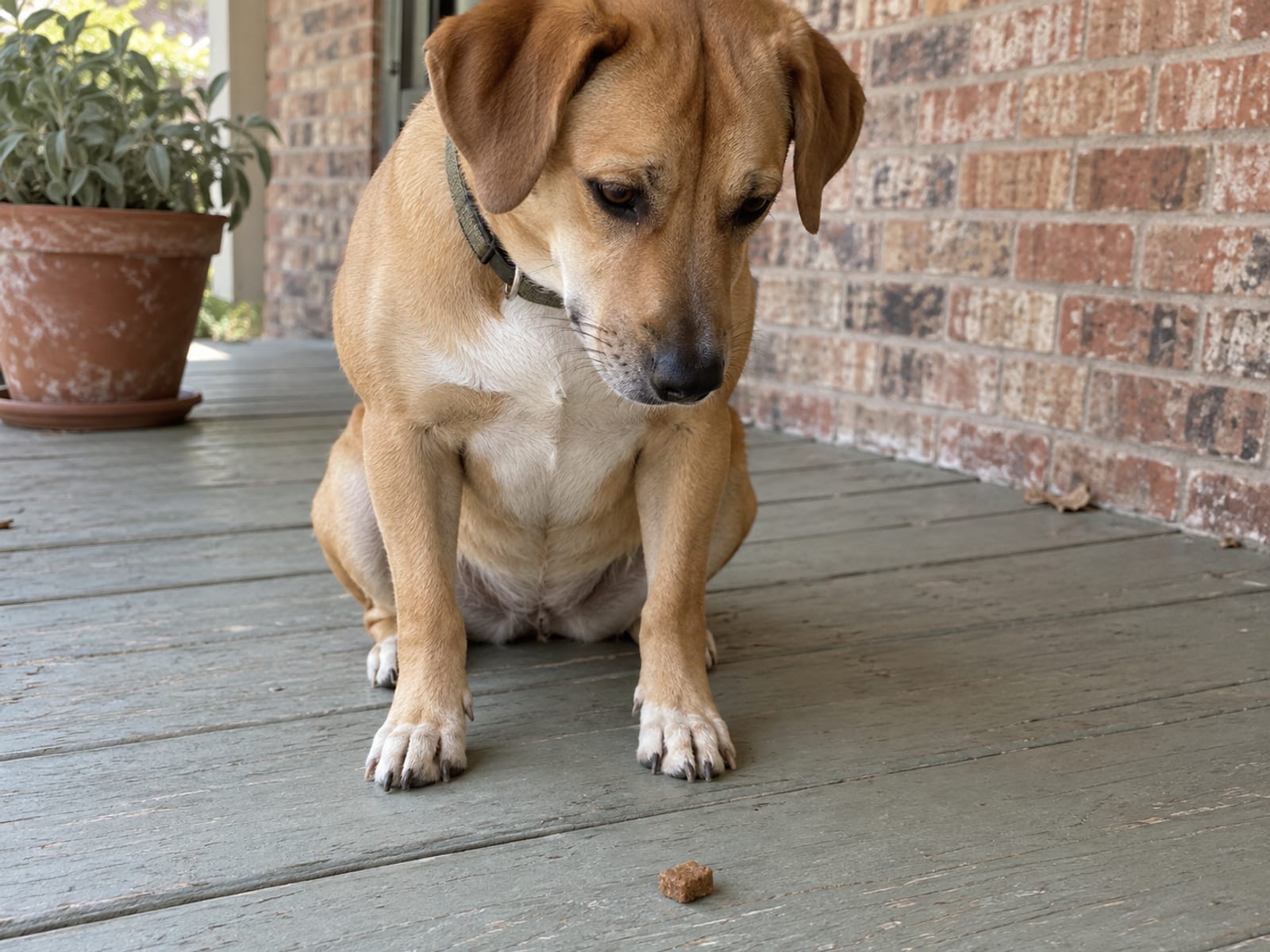
- Mark the exact moment. For a sit, mark as the rear touches the floor, not as your dog stands up to take the food. Then deliver the reward, within about three seconds.
- Use something your dog wants. Try different treats, a toy, play or a chance to sniff. When the task gets harder, raise the value of the reward or make the setting easier.
- Reward every correct response at first. Keep sessions short, and make it harder only one step at a time: longer, farther or more distracting.
- Fade the lure, not the pay. If you used food to guide your dog into position, next reward from your other hand, then use the same hand motion with an empty hand. Once your dog responds reliably in easy places, start mixing rewards (sometimes food, sometimes praise, play or a sniff) instead of stopping them all at once, according to the AKC.
A clicker is optional. A consistent word works the same way.
What to do when your dog gets it wrong
This is the question behind "how do you discipline a dog with positive reinforcement?" The answer has three parts:
- Prevent the repeat. If your dog steals food from the counter, keep the counter clear and the kitchen gated while you teach something else. A behavior that keeps paying off keeps happening.
- Calmly take away what they wanted. If jumping gets attention, turn away for a moment. No yelling, no pushing.
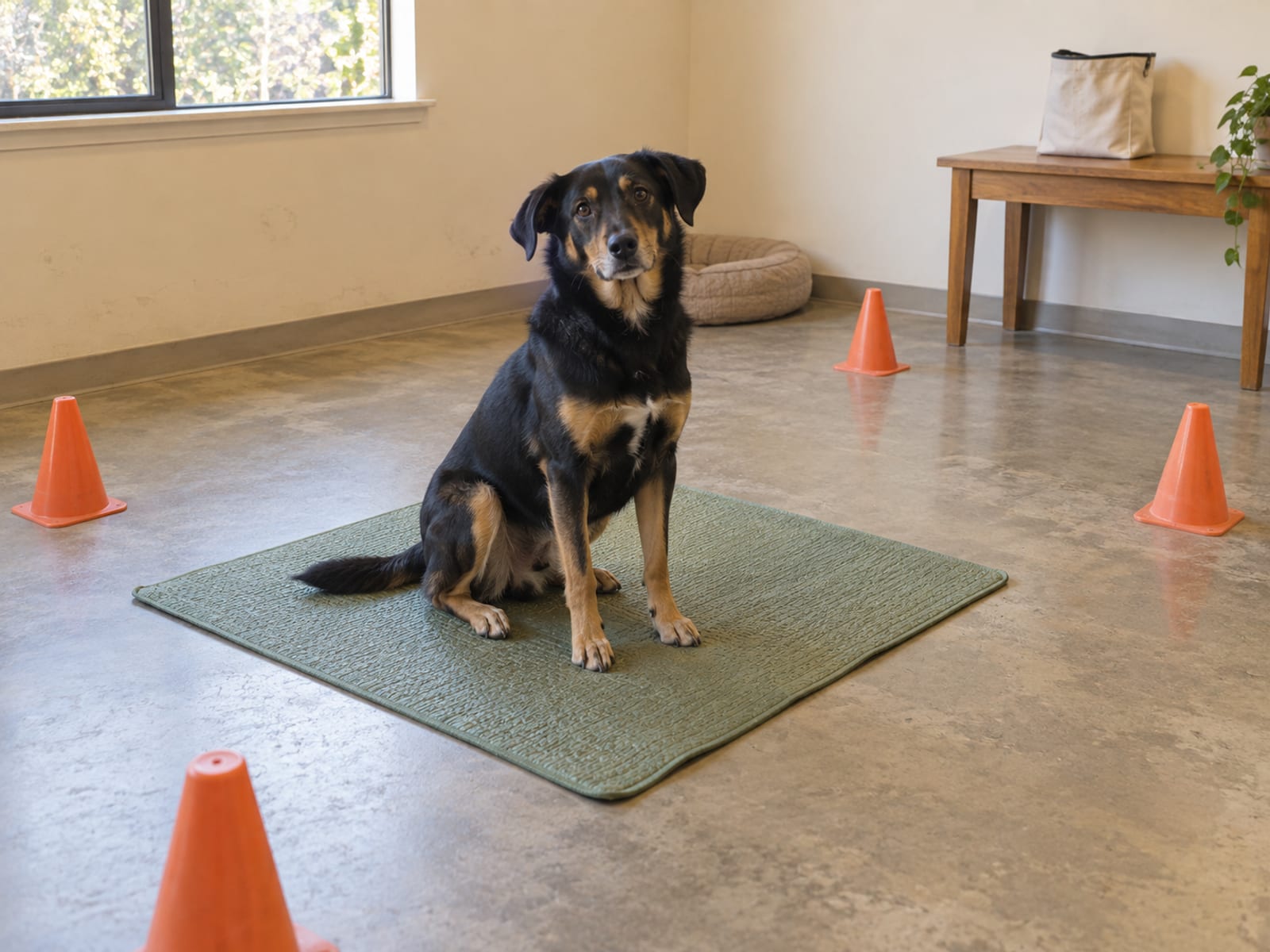
- Teach and reward the alternative. Four paws on the floor, a sit at the door, going to a mat when the doorbell rings.
AVSAB's position on dominance theory is that most unwanted behavior is not a bid for rank; it is behavior that has been rewarded somewhere along the way. When your dog ignores a cue, check the basics: have they practiced it in this place, is the reward worth it, is something more interesting going on, and are they scared, tired or in pain?
Does it work for big, "stubborn" or reactive dogs?
Big and strong dogs: yes. Size changes the safety planning, not how dogs learn. Use equipment that lets you hold your dog safely, choose rewards that can compete with the world around you, and practice at a distance where your dog can still pay attention.
"Stubborn" dogs: "stubborn" usually describes a dog who has not practiced the cue in that setting, is not getting a reward worth the effort, or is distracted, worried or uncomfortable. Training a stubborn dog covers how to work through each of those.
Reactive dogs: reward-based behavior plans are the standard approach. A professional works at a distance where your dog notices the trigger without reacting, pairs the trigger with good things and teaches a replacement behavior, according to the AKC. That is different from waving a treat at a dog who is already lunging, or exposing your dog to triggers over and over to "get them used to it." For aggression or a bite history, see your vet and a qualified professional first.
What the research says
- AVSAB, 2021: reward-based methods for all dog training, and no evidence that aversive training is necessary. It lists shock, prong and choke collars, leash corrections and physical punishment among the aversive methods.
- China, Mills and Cooper, 2020: comparing e-collar training with a reward-focused approach for recall and obedience, the reward-focused group did at least as well on the measured outcomes, with fewer welfare risks, according to Frontiers in Veterinary Science.
- Vieira de Castro and colleagues, 2020: dogs from training schools that used aversive methods showed more stress behaviors, larger rises in cortisol after training, and more pessimistic responses in a follow-up test than dogs from reward-based schools. The schools chose their own methods, so it shows an association rather than proof of cause, according to PLOS ONE.
- Herron, Shofer and Reisner, 2009: in a survey of 140 owners at a behavior clinic, confrontational techniques like "alpha rolls," staring a dog down or hitting provoked an aggressive response in at least a quarter of the dogs they were tried on, according to Applied Animal Behaviour Science.
What progress looks like
Every dog and every behavior moves at its own speed. This is roughly what to watch for:
What progress looks like with reward-based training
The first sessions
Your dog perks up at the marker after 10 to 20 pairings. You learn which rewards they love.
Weeks 1 to 2
One behavior, marked and rewarded promptly, in one quiet place. You can say exactly what you are rewarding.
Weeks 2 to 4
One new challenge at a time: a little longer, a little farther, a little busier. More correct responses and quicker recovery after a mistake.
The weeks and months after
The behavior holds up in more places. For a reactive dog, progress can look like noticing another dog at a distance and turning back to you.
Setbacks after a scary event, an illness, a move or a jump in difficulty are normal. Go back to the last step that went well.
Mistakes that get in the way
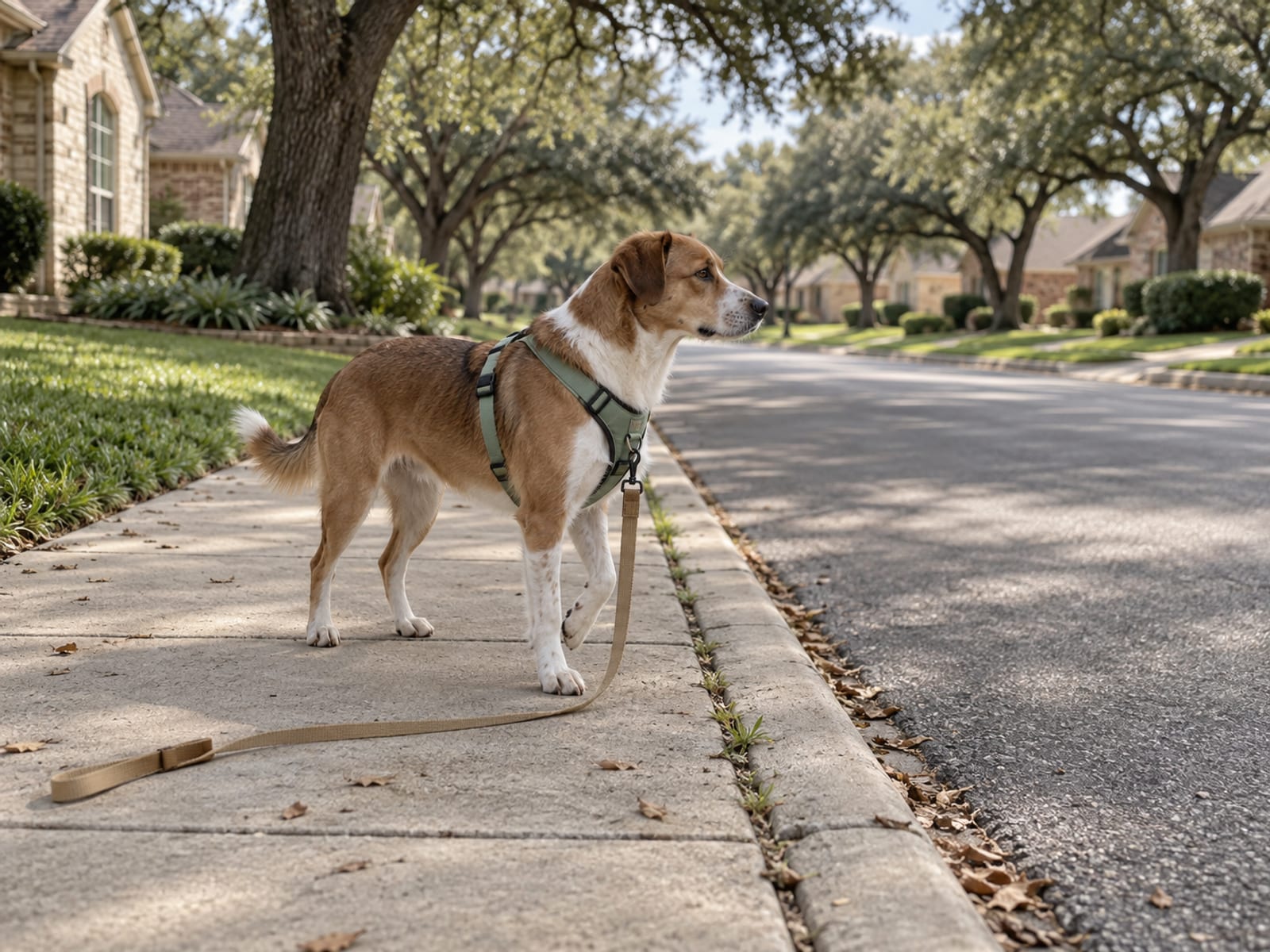
- Late rewards. Mark the instant it happens, and keep treats within reach.
- Showing the treat first. Food held up before the cue becomes a bribe. Fade to an empty hand and reward from a pouch.
- Asking for too much, too soon. Go back to where your dog succeeded and change one thing at a time.
- A reward your dog does not care about right now. Use better food or more distance from distractions.
- Repeating the cue. Say it once. If your dog does not respond, make it easier.
- Stopping rewards all at once, or never planning to reduce them. Mix up the rewards once the skill is solid.
- Training a reactive dog while they are already overwhelmed. Create distance first.
When to get professional help
See your vet first for any sudden change in behavior or signs of pain or illness. For aggression, the ASPCA says to rule out medical causes with a veterinarian, and the American College of Veterinary Behaviorists recommends professional help for any dog showing aggressive behavior, according to the ACVB. Do not wait for a bite.
For everyday manners, a certified reward-based trainer (CPDT-KA or CPDT-KSA, or an IAABC-ADT) is a good fit. For fear, anxiety or aggression, look for a certified behavior consultant (CBCC-KA or IAABC-CDBC) working with your vet, or a veterinary behaviorist (DACVB) for serious cases. Check credentials in the certifying body's own directory.
Ask any trainer what they do when a dog makes a mistake, whether they use pain, fear or "alpha" explanations, how they measure progress, whether they work with your vet, and whether they guarantee results. AVSAB advises avoiding trainers who use physical force, including alpha rolls, pushing a dog into position, hitting, or choke and pinch collar corrections.
Check what you learned
Quick check: positive reinforcement
Questions about positive reinforcement
What is an example of positive reinforcement in dog training?
Your dog sits when a guest arrives, you say "yes" and give a treat, and sitting at the door becomes more likely next time. Any reward your dog wants, delivered right after the behavior, is positive reinforcement.
How do you discipline a dog with positive reinforcement?
Manage the situation so the unwanted behavior cannot keep paying off, calmly remove what your dog was after (attention, the counter, the toy), and teach and reward what you want instead.
Do treats spoil dogs?
No. Treats are a clear way to tell your dog they got it right. Once a skill is learned, fade the visible lure and mix food with praise, play and everyday rewards.
What are the downsides of positive reinforcement?
It asks something of you: good timing, rewards your dog values and patience while a skill spreads to new places. It is also not a do-it-yourself fix for aggression or serious fear, which need a professional plan built on the same principles.
When can I stop giving treats?
Do not stop all at once. After your dog responds reliably in easy places, start rewarding some responses with food and others with praise, play or access to things they want. Around bigger distractions, bring the food back.
Do I need a clicker?
No. A short, consistent word like "yes" works the same way, as long as it is always followed by a reward.
Start with one behavior today
Pick a word, grab a handful of small treats, and charge your marker with 15 quick pairings. Then mark and reward your dog for sitting, once, in a quiet room. For the order to teach your first skills, see How to Train a Dog, and the same approach works for crate training and potty training. Questions? Write to me through the contact page.
Sources
- American College of Veterinary Behaviorists: ACVB
- American Kennel Club: AKC
- American Kennel Club: AKC
- American Kennel Club: AKC
- American Veterinary Society of Animal Behavior: American Veterinary Society of Animal Behavior
- American Veterinary Society of Animal Behavior: AVSAB
- American Veterinary Society of Animal Behavior: AVSAB
- ASPCA: ASPCA
- doi.org: Applied Animal Behaviour Science
- doi.org: Frontiers in Veterinary Science
- doi.org: PLOS ONE