
Help for Dog Owners
Find practical help for your dog, from food safety and behavior to everyday care, puppies, senior dogs and gear. Pick the problem that sounds like yours below. Each one says what it covers and where to start.
If your dog may have eaten something dangerous or is in distress, do not read further. Call your vet, an emergency clinic, the ASPCA Animal Poison Control Center at (888) 426-4435, or Pet Poison Helpline at (855) 764-7661.
My dog ate something, or might have
Keep the package or a sample, and have this ready when you call: what your dog ate, about how much, when, your dog's weight, and any signs you have seen. Do not make your dog vomit or give a home remedy unless a vet or the helpline tells you to (Pet Poison Helpline).
Go straight to a clinic for collapse, trouble breathing, seizures or pale gums (AKC).
When it is not an emergency, or once you have called, our tools show what the published sources say:
- Can My Dog Eat: foods, plants and household products, each with a verdict, the reason and the source.
- Dog Toxin Dose Checker: the published toxic thresholds for chocolate, xylitol, grapes and a few others, by your dog's weight, so you can tell the helpline or your vet what your dog may have eaten.
Can my dog eat this?

Most food questions are not emergencies: a bite of banana, a lick of peanut butter, what to do with leftover chicken. Look it up in Can My Dog Eat to see whether it is safe, safe in small amounts, or one to keep away, and why. Every answer names its source and the date we last checked it.
My dog's behavior
Barking, chewing, jumping, pulling on the leash, house training, fear, trouble being left alone, guarding food or toys. Start with the behavior itself: what it looks like, when it happens, and what to try first at home.
A new behavior can have a physical cause, so a sudden change, or one that comes with pain or illness, is a reason to see your vet first (ASPCA). For biting, growling or any behavior that puts people or other dogs at risk, work with a qualified professional. Where a trainer has written the deeper guide, we link to it, including DW Dog Training.
Health and everyday care
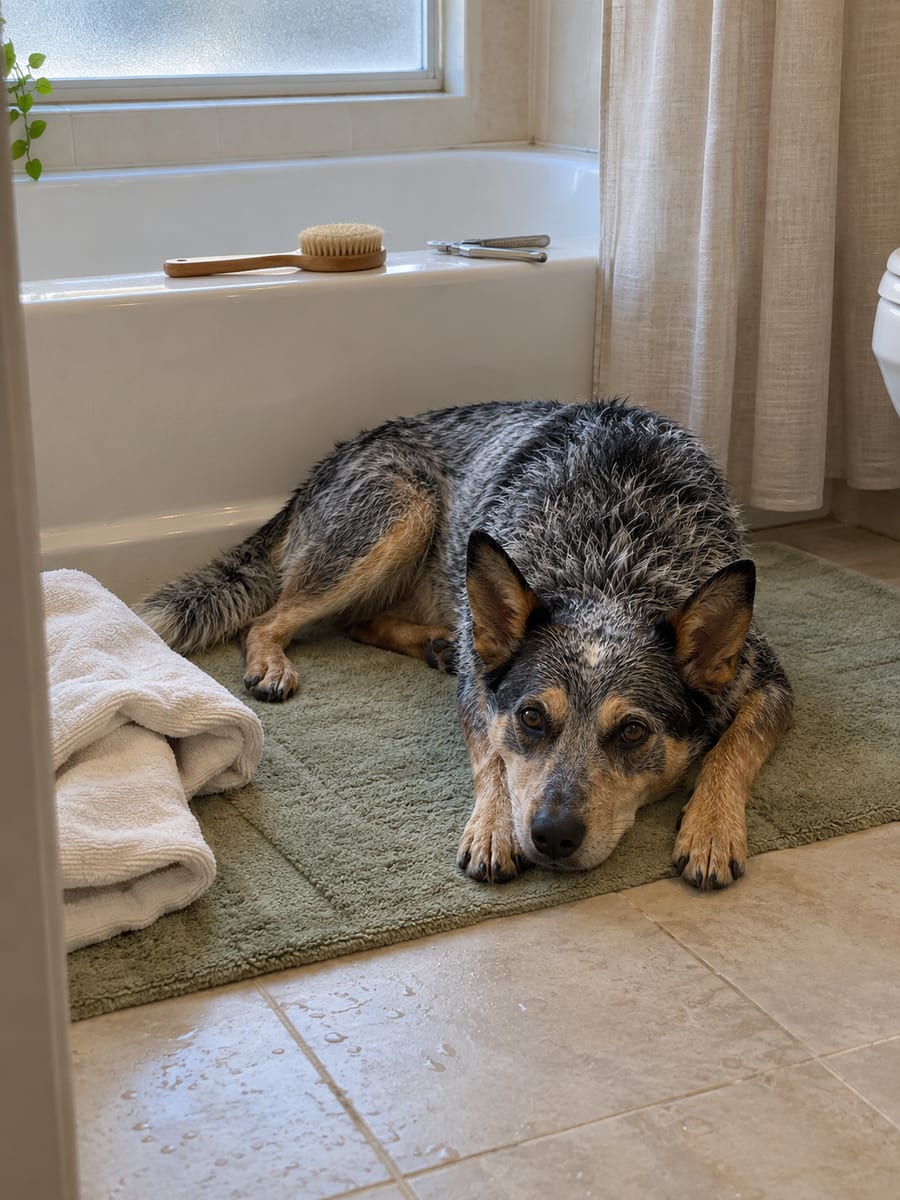
Feeding, grooming, teeth, exercise, skin and coat, fleas and ticks, and the signs that mean it is time to call the vet. These guides help you look after a healthy dog and notice changes early, and they tell you when a change needs the vet.
A puppy or a new dog
Bringing a dog home, whether a puppy or a rescue, comes with a long first list: what to buy, the first vet visit, a daily routine, house training, chewing, and meeting other pets and people. Young dogs also chew and swallow things, so the food and household safety checks above matter most in these first months (AKC).
An older dog

Slowing down, sleeping more, stiffness, accidents in the house, confusion, or a dog that seems more irritable than before. Some of these changes are part of getting older, and some come from medical problems that can be treated, so do not assume it is just age (ASPCA). Tell your vet about any sudden change.
Gear worth buying
Harnesses, crates, beds, brushes, bowls and toys that last. Each review says who the product suits, what it does well and where it falls short. When a page earns us a commission, it says so at the top. See our affiliate disclosure.
Where these answers come from
Every health, safety and food answer on DogServ names its source, such as the ASPCA, Pet Poison Helpline, the Merck Veterinary Manual and the AKC, and shows the date we last reviewed it. Your vet knows your dog; use these pages to get ready for that conversation. New guides land on the DogServ blog, and you can get them by email in the newsletter.
Dog care answers in your inbox, once a week
We only use your email for this newsletter. Unsubscribe any time.