
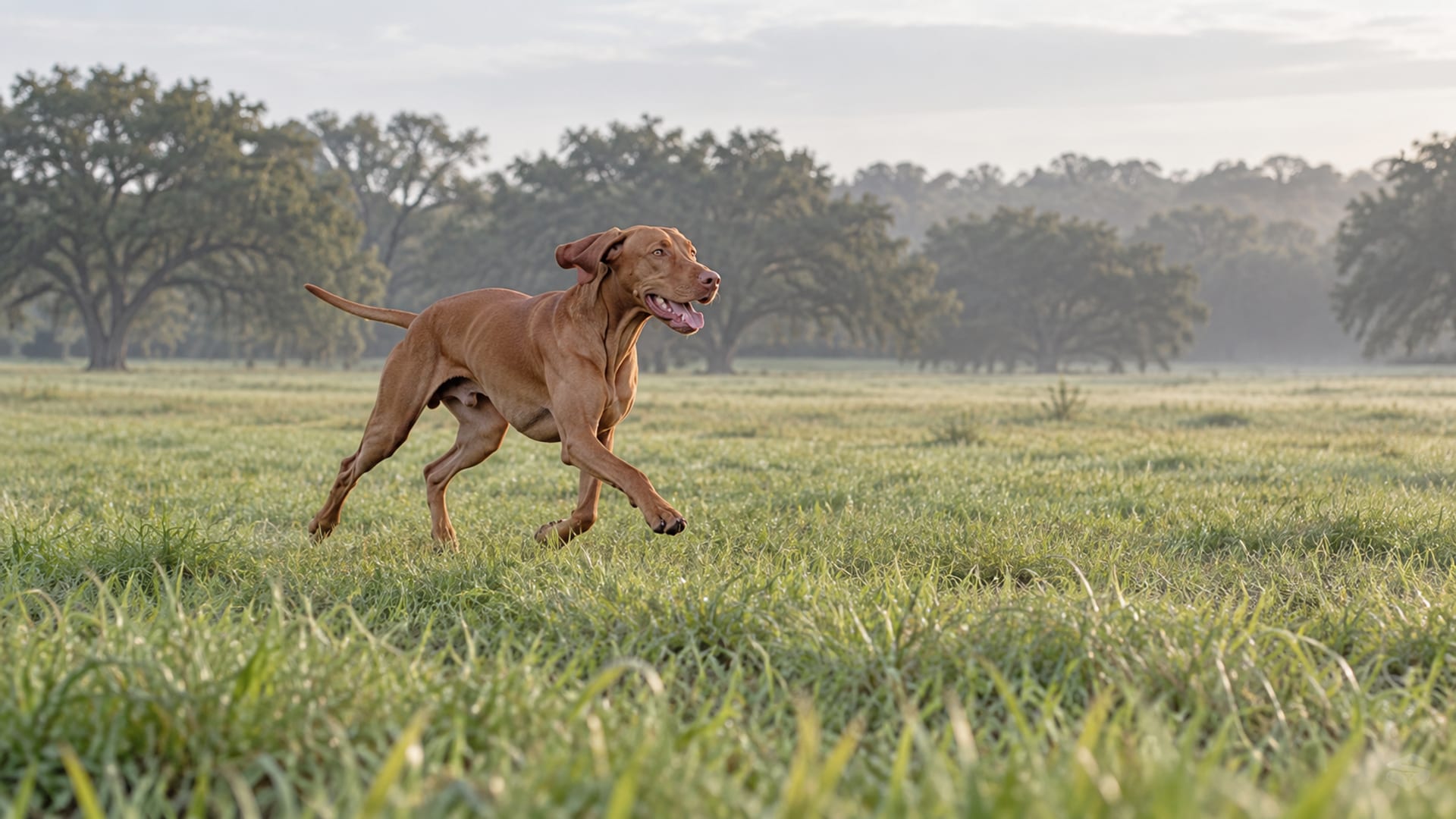
Most adult dogs need physical activity every day, and the right amount depends on the dog: breed, age, health, body condition, fitness and energy level all change it. The American Kennel Club (AKC) says adult needs vary by breed, health and energy level, which is why no single minute count fits every dog. High-energy working, herding, sporting and many terrier breeds usually need more activity and more brain work than calmer dogs. Puppies do best with short, controlled sessions. Senior, overweight, arthritic, heart-disease and flat-faced dogs need a gentler plan worked out with a vet. Stop for limping, collapse, severe tiredness or signs of heat illness.
Key takeaways
Tap a card to bring it forward.
- The right daily amount depends on breed, age, health, body condition, fitness and energy level.
- Working, herding, sporting and many terrier breeds usually need more activity and more mental work.
- Puppies need short, frequent sessions; AKC advises against jogging before growth plates close, often around 14 to 18 months.
- Seniors and overweight, arthritic, heart-disease or flat-faced dogs need a low-impact plan built with a vet.
- Play, training, sniffing and puzzle toys tire the mind and work alongside physical exercise.
- Stop for limping, collapse, heavy panting or confusion, and treat suspected heatstroke as an emergency.
If you're reading this because your dog chewed a shoe, won't settle at night, is putting on weight, or you just worry you're doing too little (or too much), you're asking the right question. I'll walk you through how to size exercise to your own dog, what counts besides walking, the warning signs on both ends, and when a vet should weigh in.
How much exercise does a dog need each day?
Every adult dog needs to move every day, and the amount that suits yours comes from who your dog is. AKC ties exercise needs to age, breed, health and energy level. That means a young, fit herding dog and an older, heavyset toy dog can both be healthy on very different routines.
So, is one walk or a 20-minute walk enough? For a calm, healthy adult with a lower-energy temperament, a daily walk plus some play and training at home can cover a lot of ground. For a young dog from a working or sporting breed, one short walk usually leaves plenty of energy in the tank. The honest test is your own dog: how it behaves, sleeps and holds its weight on the routine you have now.
Walking gets its own full treatment on DogServ. For how many walks a day and how long each should last, read how often to walk a dog, and for how long. This page covers everything around the walk: breed, age, health, mental work, heat and the signs to watch.
How breed and energy level change the amount
AKC says active, energetic breeds generally need more exercise than easygoing ones. In practice, dogs bred to work all day, like working, herding and sporting breeds, and many terriers, often need more physical activity and more jobs for their brains. Think of breeds known for herding or long days in the field. Those dogs tend to go looking for something to do when their day is empty.
Size doesn't settle the question on its own. Small and toy dogs still need daily activity, and their needs are individual too. A small terrier can have far more drive than a large, laid-back dog.
Flat-faced (brachycephalic) breeds sit in their own group. Their airway shape can limit how much hard exercise they handle, especially in warm or humid weather, according to VCA Animal Hospitals and the American Veterinary Medical Association (AVMA).
Breed gives you a starting guess. Your dog's health, age, weight, conditioning and behavior refine it. Two dogs of the same breed can need different plans.
Puppies: short, controlled sessions, and when running is safe
Puppies do best with several short bursts of play, training, exploring and walking spread across the day. One long workout is harder on a body that's still growing.
You may have heard the "five minutes per month of age" rule. AKC describes it as a guideline from veterinary researchers: about five minutes of walking per month of age, once or twice a day. Under that guideline, a four-month-old puppy would walk about 20 minutes at a time. AKC also stresses that puppies vary by size, breed and development, and a separate AKC article gives ten minutes per month instead. Treat either number as a loose starting point, and watch your puppy.
Can a puppy run or jog with you? AKC warns that long, repetitive activity like jogging can harm growing bones and joints. It advises waiting on road work or jogging until the growth plates have closed, often around 14 to 18 months, and especially for large and giant breeds. The exact age varies with the breed and the individual puppy, so ask your vet before you start running together.
Free play, where your puppy can stop and rest whenever it wants, is a different thing from being made to keep pace with a bike or a runner.
Senior dogs, and dogs that are overweight, arthritic, have heart disease or a flat face
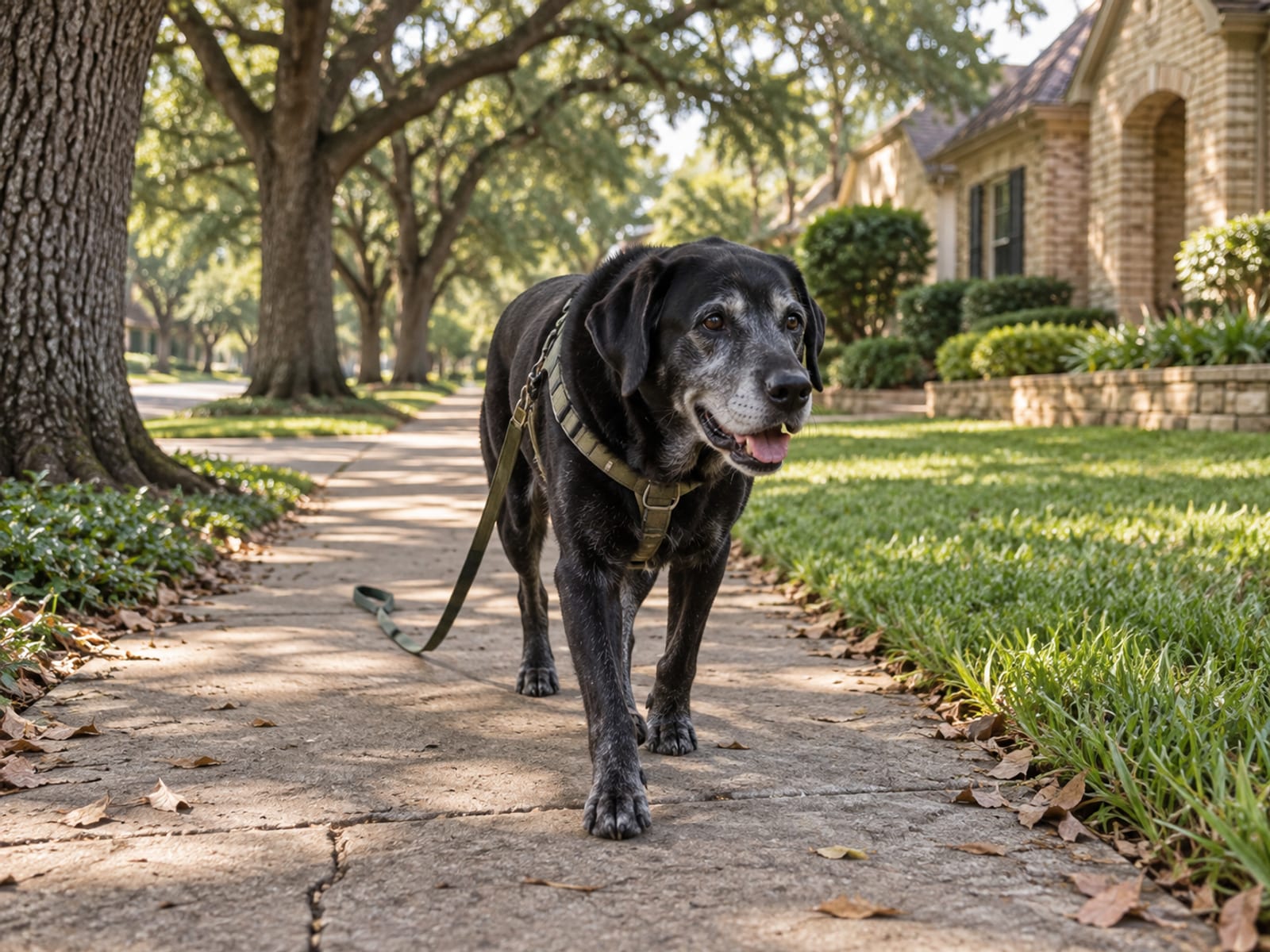
Older dogs still need to move. The American Animal Hospital Association (AAHA) recommends matching senior exercise to the dog's condition, mobility and health. Short, steady, low-impact activity, such as gentle walks or light swimming, can help keep muscle, prevent weight gain, give the mind something to do and support good rest.
Extra weight is common. AAHA reports that the Association for Pet Obesity Prevention's 2024 survey found about 22% of dogs clinically obese and about 59% overweight or obese. Those numbers describe body condition; weight gain has many causes besides too little exercise.
If your dog is heavy, start slow and start with your vet. AAHA's weight-management guidelines say evidence is lacking for one ideal exercise program. As one example for an obese dog with no bone or joint limits, the guidelines describe five-minute walks three times a day, built up gradually toward 30 to 45 minutes total per day. That's an example of how a vet might ramp things up, and your dog's plan should come from your own vet.
Arthritis, heart disease and mobility problems call for a vet check before you add activity. Keep sessions gradual and low impact, and stop if you see pain, limping, trouble breathing, collapse or unusual tiredness. Flat-faced dogs often need shorter, cooler sessions because of their higher heat and airway risk, per AVMA.
What counts as exercise besides walking
Plenty. AKC lists fetch, tug, swimming, agility, training and puzzle activities as useful ways to keep a dog active and engaged. Other good options include supervised play with a suitable dog friend, scent games where your dog hunts for hidden treats, and food puzzles.
Can mental stimulation tire a dog out? Yes, it can leave a dog mentally tired and more settled. AKC treats it as a partner to physical exercise, so the best days usually have some of both. A short training session before work and a sniff-heavy walk after can do more for a restless dog than either one alone.
On hot days, rainy days or busy days, indoor options carry the load: a round of tug, a few minutes of practicing sits and downs, hide-and-seek with treats, or a puzzle feeder at dinner.
Match every activity to your dog's age, body, health and skill. High-impact jumping, repeated sprints and forced endurance work aren't safe for every dog, especially puppies, seniors and dogs with joint problems.
Signs your dog needs more activity, and signs it's getting too much
Signs a dog may need more activity or more to think about include restlessness, destructive chewing, a lot of barking, constant attention-seeking, trouble settling and weight gain, according to AAHA. Those same signs can also come from anxiety, pain, illness, training gaps or stress at home. If adding activity doesn't help, or the change came on suddenly, talk to your vet.
Signs of too much look different. Watch for:
- Limping or stiffness after exercise
- Reluctance to move or to go out again
- Sore, worn or damaged paw pads
- Unusual exhaustion
- Panting that is heavy, won't stop or seems abnormal
- Weakness, vomiting or collapse
If you see any of these during exercise, stop right away. Heatstroke signs, covered in the next section, need even faster action.
A good day of exercise usually ends with a dog that rests easily and is ready to go again the next day. A dog that's still sore, limping or wiped out the next morning likely did too much.
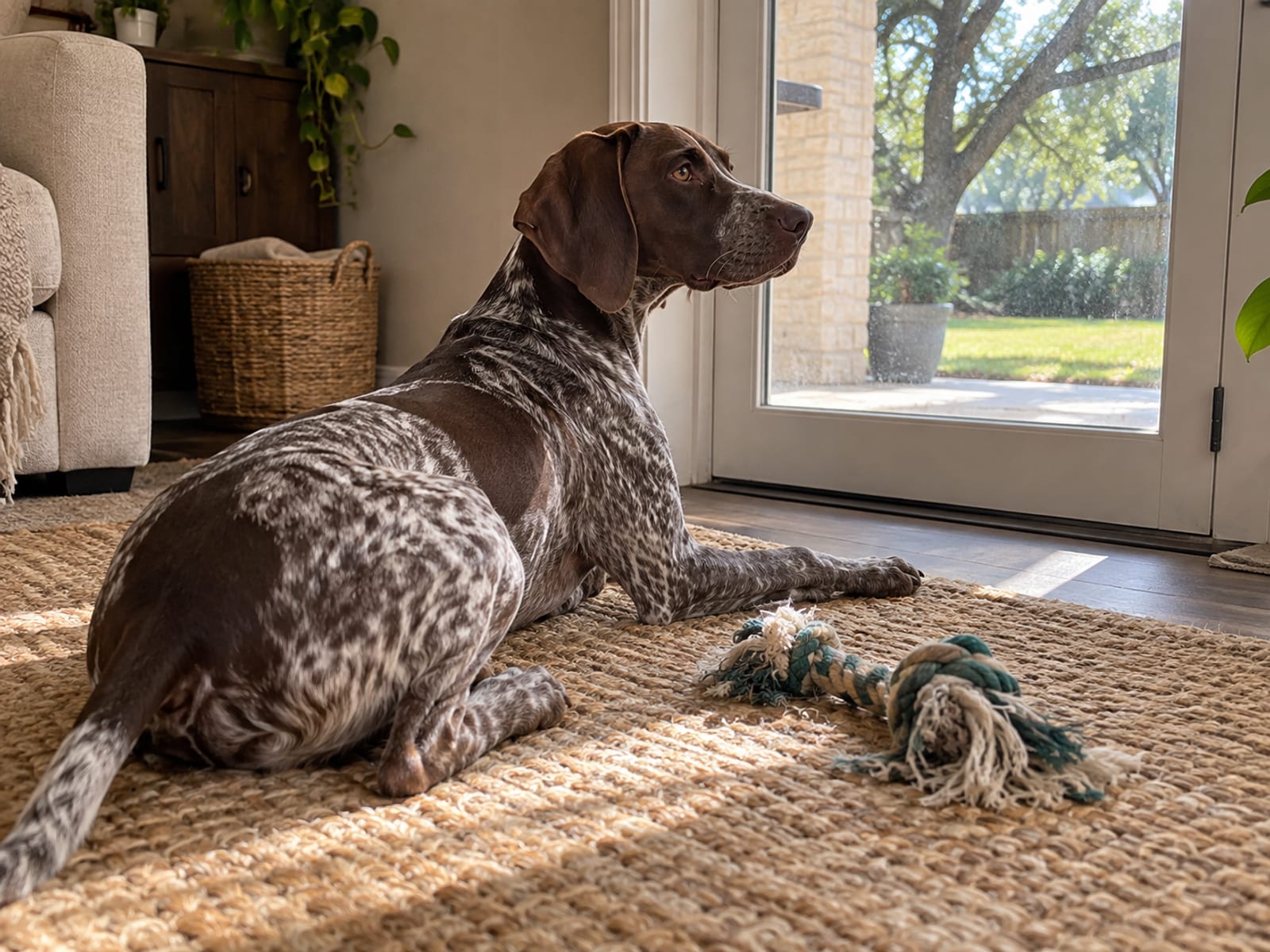
Exercising a dog in heat and humidity
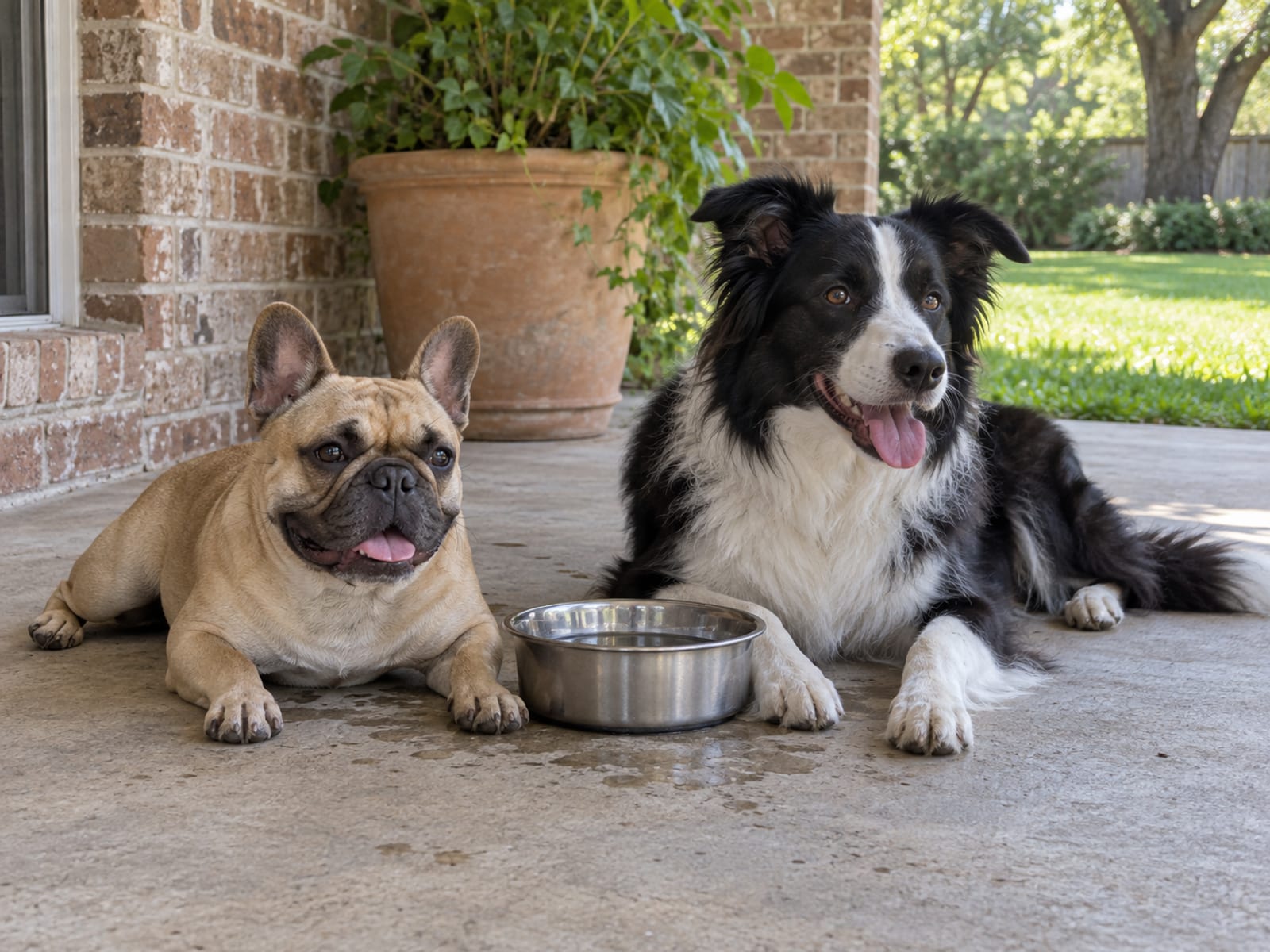
Heat changes everything about exercise. AVMA advises exercising during cooler hours, skipping especially hot days, keeping off hot asphalt, taking breaks and bringing water. It names overweight and short-nosed dogs as higher risk.
VCA says hard exercise in hot conditions can cause heatstroke, and flat-faced dogs may show signs at only moderately raised temperature and humidity. No single outdoor temperature marks "safe" for every dog. A VCA brochure defines heatstroke as a body temperature of 105°F or higher; that's a body reading, and it tells you nothing about which outdoor temperature is fine.
If your summers are long and sticky, plan around them:
- Walk early in the morning or late in the evening.
- Test the pavement with the back of your hand; if it's too hot for you, it's too hot for paws.
- Carry water and stop in the shade often.
- Shorten sessions and move the rest of the day's activity indoors.
- Stop at the first sign of heat distress.
Heatstroke signs include heavy or abnormal panting, weakness, confusion, vomiting, collapse and seizures. Suspected heatstroke is an emergency; get your dog to a vet right away.
When to stop and call a vet
Stop exercise right away for limping, collapse, severe tiredness, heavy abnormal panting or any heat signs.
Get urgent veterinary help for collapse, confusion, seizures, serious trouble breathing, suspected heatstroke, being unable to stand, or signs that get worse fast.
Book a vet visit soon for a new drop in stamina, limping that keeps coming back, a dog that keeps refusing to exercise, weight gain you can't explain, or a big change in how much your dog can handle. A change in stamina can be an early sign of pain or illness, and AAHA ties senior exercise to a dog's mobility and health, which is something your vet can assess.
If you need one, you can find a vet near you in the DogServ vet directory. I'd also check with a vet before starting any new plan for a puppy, a senior, or a dog that's overweight, arthritic, has heart disease or has a flat face.
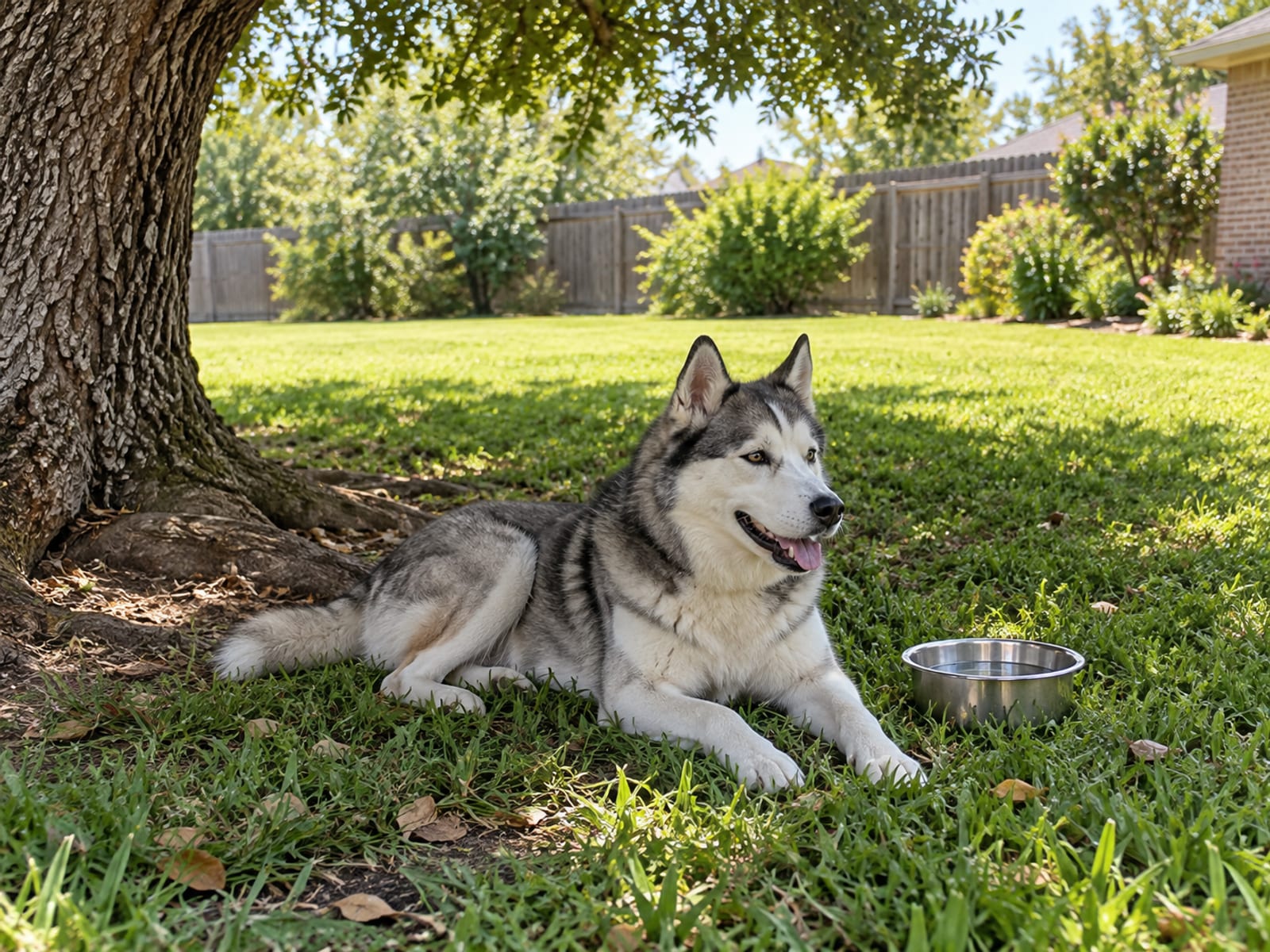
A realistic weekly routine, and when a dog walker, daycare or trainer helps
A good routine is one you can keep. This simple weekly shape suits many healthy adults, and you can stretch or shrink it to fit your dog:
- Most days: the walks that suit your dog (see the walking guide linked above), a five- or ten-minute training session, and one brain game such as a food puzzle or a treat hunt.
- A few days a week: a longer play session, like fetch, tug or a swim if your dog enjoys it and it suits its body.
- Hot or busy days: swap part of the outdoor time for indoor games and training.
- Every week: check in on weight, sleep, behavior and how your dog moves. Adjust up or down from there.
For puppies, split the day into more, shorter sessions. For seniors and dogs with health problems, keep things low impact and follow your vet's plan. When you raise the amount, raise it gradually.
Long workdays make this hard, and outside help can fill the gap. A dog walker can break up a long day at home. Daycare can suit a social dog that enjoys other dogs. A trainer can help when exercise alone doesn't calm chewing, barking or restlessness, since those can be training or behavior issues. None of these replaces a vet visit when the signs point to pain or illness.
Questions owners ask about dog exercise
These are the questions that come up most often, with short answers you can act on.
Is one walk a day enough for a dog?
For some calm, healthy adults with play and training at home, it can be. High-energy working, herding, sporting and terrier types usually need more across the day, and puppies need several short sessions. Watch how your dog settles and sleeps to judge.
How do I know if my dog has had enough exercise?
A dog that has had enough usually rests easily afterward and is ready to go again the next day. Restlessness and destructive chewing can hint at too little, while next-day soreness, limping or exhaustion point to too much.
Is a 20-minute walk enough?
That depends on the dog. For a low-energy or older dog it may be plenty, and for a young, driven dog it's often only part of the day. Adding a training session or a scent game can round it out.
Is the five-minutes-per-month rule for puppies proven?
AKC presents it as a guideline, and a separate AKC article gives ten minutes per month, so the numbers don't agree. Use it as a loose starting point and adjust for your puppy's size, breed and development.
Does destructive chewing mean my dog needs more exercise?
It can, and more activity and brain work often help. Chewing can also come from anxiety, pain, illness or a training gap, so talk to your vet or a trainer if it doesn't ease.
Your next step
Start with the dog in front of you. Look at breed, age, weight and health, then watch how your dog behaves and moves on the routine you have now. If you're mainly unsure about walks, read how often to walk a dog, and for how long. If your dog is a puppy, a senior, heavy, arthritic, has heart disease or has a flat face, or if its stamina has changed, book a checkup through the DogServ vet directory and build the plan together from there.
Sources
- American Animal Hospital Association: 22% of dogs clinically obese and about 59% overweight or obese
- American Animal Hospital Association: American Animal Hospital Association (AAHA)
- American Animal Hospital Association: weight-management guidelines
- American Kennel Club: AKC
- American Kennel Club: AKC
- American Kennel Club: American Kennel Club (AKC)
- American Kennel Club: separate AKC article
- American Veterinary Medical Association: American Veterinary Medical Association (AVMA)
- VCA Animal Hospitals: VCA Animal Hospitals
- VCA Animal Hospitals: VCA brochure