
You just watched your dog eat poop. Maybe their own in the yard, maybe something at the park, maybe a raid on the litter box. It is disgusting, and right behind the disgust come the real questions: is my dog sick, will they catch something, and how do I make it stop?
The short answer: it is a common behavior, and on its own it does not prove any one problem. Puppies explore with their mouths, many dogs find cat and animal droppings appealing, and some dogs learn it gets a big reaction. A medical problem can be behind it too, so a habit that is new, keeps happening, or comes with other changes deserves a vet visit.
Go to an emergency vet now if your dog has blood or foreign material in their vomit or stool, keeps vomiting or has diarrhea along with low energy or refusing food, has a painful belly, collapses, has trouble breathing or a seizure, or swallowed something sharp or large along with the poop. If the droppings may have contained a poison, rat bait or medicine, call your vet or the ASPCA Animal Poison Control Center at (888) 426-4435 or the Pet Poison Helpline at (855) 764-7661.
Key takeaways
Tap a card to bring it forward.
- Eating poop (coprophagia) is common. In one owner survey, 16% of dogs had been seen eating another dog's stool at least six times (Hart et al.).
- A mother dog eating her young puppies' poop is normal, and puppies often grow out of it (Merck, VCA).
- A new habit in an adult dog, or one that comes with changes in appetite, thirst, weight or stool, needs a vet visit.
- Poop can carry parasites. Pick up quickly, block the litter box and wash your hands.
- Prevent access, then reward your dog for coming away. Never punish or rub their nose in it.
- Deterrent products and food additives have weak evidence behind them.
Why dogs eat poop
There is no single reason that fits every dog. Veterinary behavior sources describe several:
- Mothers cleaning up. A nursing mother eats her young puppies' feces to keep the nest clean. The Merck Veterinary Manual describes this as normal.
- Puppies exploring. Puppies investigate and swallow things that are not food. The VCA says puppy stool-eating commonly fades as the dog matures, with good nutrition, supervision and direction.
- It smells and tastes interesting to them. Poop is not off-putting to dogs the way it is to us. VCA notes that cat feces and the droppings of plant-eating animals can appeal to dogs because of their smell, texture and leftover digested food.
- Learning and copying. A dog can learn that grabbing poop brings a big reaction from you, or copy their mother or another dog.
- A medical problem. Some conditions increase hunger or affect digestion. More on those below.
How common is it? In a survey of 1,441 owners published by Hart and colleagues, 16% said they had seen their dog eat another dog's stool at least six times, and 77% had never seen it. Among the frequent stool-eaters, 85% went for fresh stools, no more than two days old. The study found no evidence that diet or age explained the habit. It relied on owners' reports from a voluntary online survey, mostly in the US and Canada, so treat it as a sign the behavior is common, not as a full explanation.
Emergency, vet visit soon, or watch at home?
Most of the time, eating poop is not an emergency. What makes it one is how your dog is acting afterward, or what else they swallowed with it.
Tap or hover a row to highlight it.
| What you see | What to do |
|---|---|
| What you seeBlood or foreign material in vomit or stool, repeated vomiting or diarrhea with low energy or no appetite, belly pain, collapse, breathing trouble, a seizure, choking, or a sharp or large object swallowed | What to doEmergency vet now (UC Davis) |
| What you seeDroppings that may have held poison, bait or medicine | What to doCall your vet or a pet poison line now |
| What you seeA sudden new habit in an adult, daily or repeated stool-eating, changes in appetite, thirst or weight, soft or poorly digested stool, worms in the stool, repeated vomiting | What to doBook a vet visit soon |
| What you seeDiarrhea with no appetite, low energy, vomiting or black, tarry stool, or diarrhea that has not cleared in 48 to 72 hours | What to doCall your vet (Cornell) |
| What you seeOne time, in a healthy adult who is bright, eating, drinking and pooping normally, with nothing dangerous swallowed | What to doWatch at home and block access; call if anything changes |
Puppies, senior dogs and dogs with ongoing health problems should see a vet sooner. UC Davis notes that young and old pets need prompt attention sooner than healthy middle-aged ones when stomach and bowel signs show up. If you are not sure what normal looks like for your dog, signs of a healthy dog walks through appetite, stool, gums and breathing.
Medical causes your vet may check
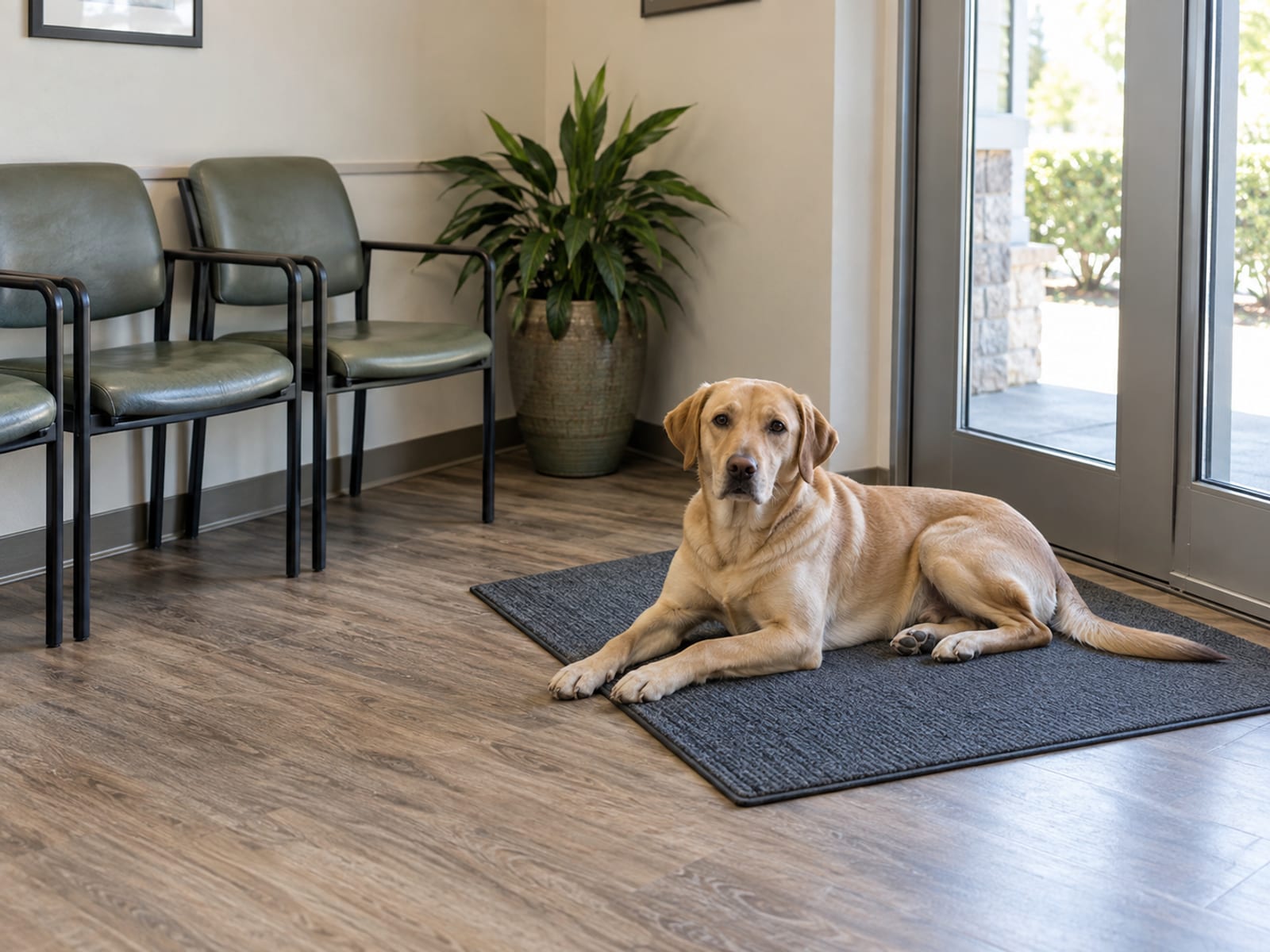
A vet should rule out medical causes before anyone calls this a behavior problem. The Merck manual puts it plainly: medical causes should be excluded first. The VCA lists possible contributors:
- Underfeeding, or a diet your dog does not digest well
- Intestinal parasites
- Digestive enzyme problems and malabsorption
- Stomach and bowel upset, or unusually soft or poorly digested stool
- Conditions that raise appetite, such as diabetes, Cushing's disease and thyroid disease
- Some medicines, including corticosteroids; Merck also names phenobarbital
At a minimum, VCA says the workup includes a physical exam, a look at your dog's diet and stool history, and a stool test for parasites, with more stool or blood tests if the stool is soft or poorly digested. Ask whether to bring a fresh sample.
Tell your vet your dog eats poop. The Merck Veterinary Manual explains that a dog who eats feces carrying parasite eggs or cysts can pass them in their own stool for several days, which can confuse a stool test unless the vet knows.
Do not buy dewormers, enzymes, vitamins or supplements on a guess. Eating poop does not by itself prove a deficiency, worms, a pancreas problem or anxiety, and testing is how your vet tells them apart.
The real health risks: parasites, cat poop and wildlife
Eating poop can expose your dog to parasites and stomach germs. Exposure is not the same as infection; the risk depends on whose poop it was, how fresh, where, your dog's parasite prevention, and your dog.
- Other animals' droppings. Cornell says dogs can pick up coccidia by eating the feces of other animals, including rabbits, rodents and livestock. Puppies are much more likely than adults to get sick from it, and can become dehydrated.
- The litter box. Many dogs love it. The concern is parasites and germs, plus clumping litter your dog swallows along with it. Keep the box where your dog cannot reach it and scoop it often.
- Wildlife. Merck notes that eggs of the raccoon roundworm can pass through a dog's stool after they eat raccoon droppings, and these eggs can infect people.
Signs of intestinal parasites can include diarrhea, poor growth, a pot belly, weight loss or anemia, or no signs at all, according to the Merck Veterinary Manual. Some dog and cat parasites can infect people, so hygiene protects your family too. The American Veterinary Medical Association advises disposing of dog feces right away. Wash your hands after cleanup and keep children away from areas with droppings.
How to stop your dog eating poop, starting today
The approach with the best support is simple: stop the chances, and teach your dog something better to do. Every time your dog gets to the poop, the habit gets stronger, so prevention comes first.
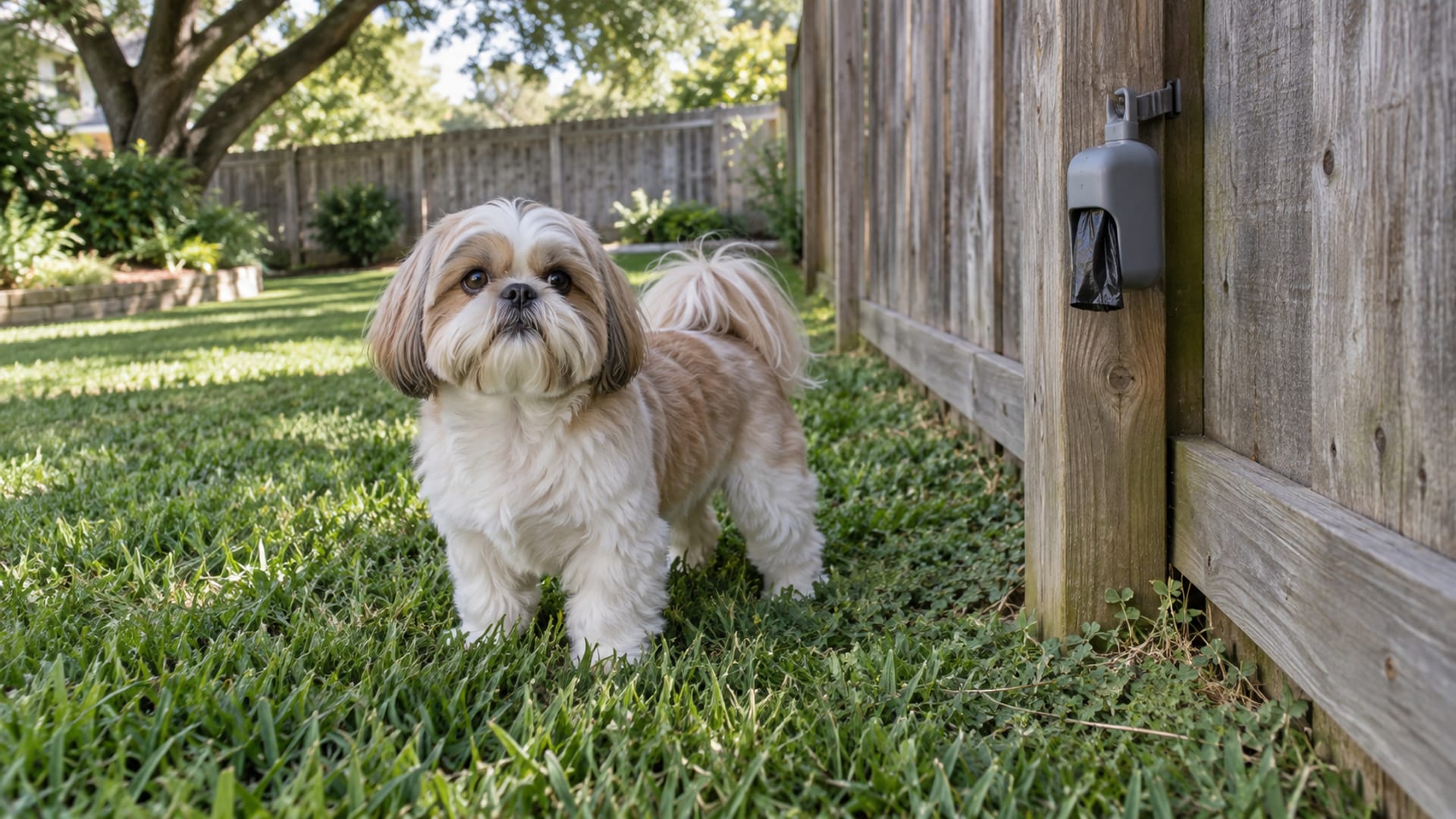
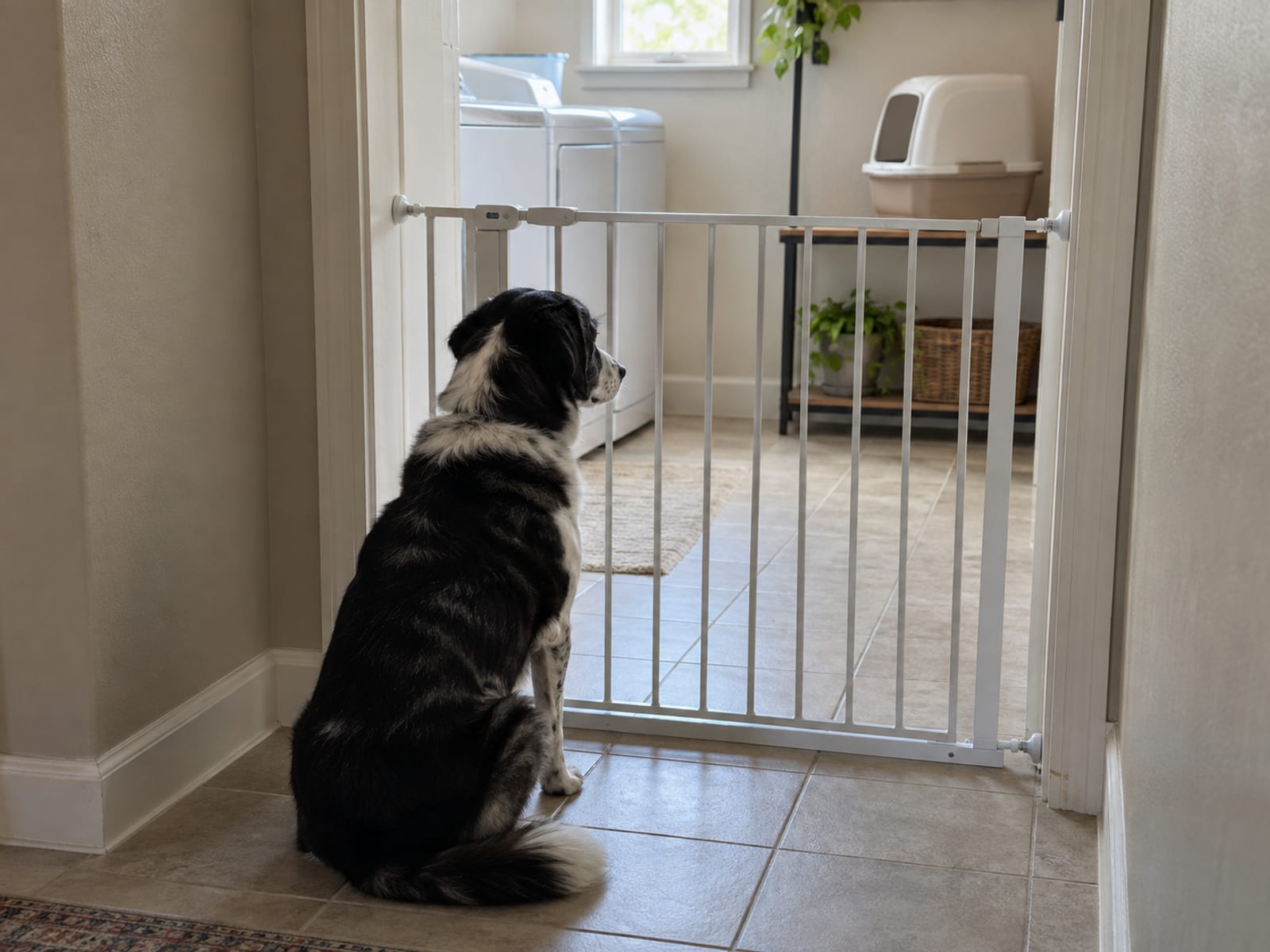
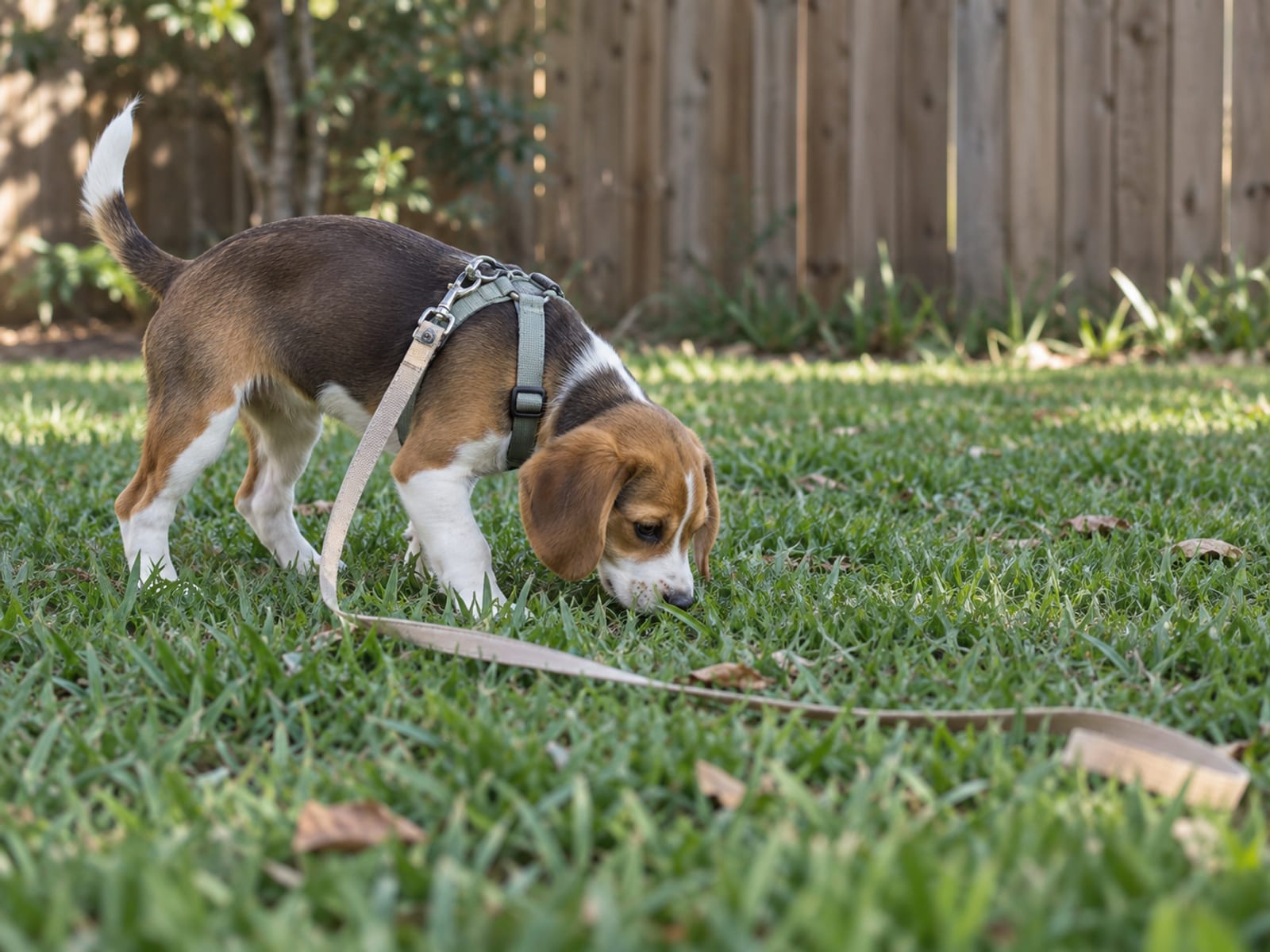
- Remove the chance. Pick up the yard right after your dog goes, block the litter box, and keep your dog on a leash or long line near droppings until the habit is under control.
- Go out with them. The VCA recommends going out with your dog, calling them to you right after they finish, rewarding a sit or a return with a treat, then picking up the stool.
- Interrupt early. Call your dog away or cue "leave it" before they reach the poop, and reward the moment they turn toward you. Practice these cues indoors and away from poop first, so they work when it counts. How to train a dog covers teaching a recall step by step, and obedience training explains what a course teaches, including leave it. For a trainer's list of the first commands to build, see DW Dog Training's 10 commands to teach first.
- Keep a short log. Note what your dog eats, how often, whether it is fresh, and any change in appetite, thirst, weight, stool, diet, medicine, routine or time alone. A quick phone video of the approach can help your vet or trainer.
- Book a vet visit if the habit is new, frequent, getting worse, or comes with other signs.
- Add a trainer if it continues. If the behavior keeps going after a vet check, looks compulsive, or seems tied to stress when your dog is left alone, a reward-based behavior professional can help. You can search the dog trainer directory.
Why rewards and not scolding? The American Veterinary Society of Animal Behavior says reward-based methods should be used to change unwanted behavior and aversive methods should not. Positive reinforcement dog training explains how that works day to day. For puppies, a steady toilet routine with you outside helps too; potty training a puppy covers the schedule.
Set honest expectations. Even in Hart's survey, owners' management and training attempts did not reliably end the habit for every dog, and nobody can promise it stops by a certain date. What you can always control is access.
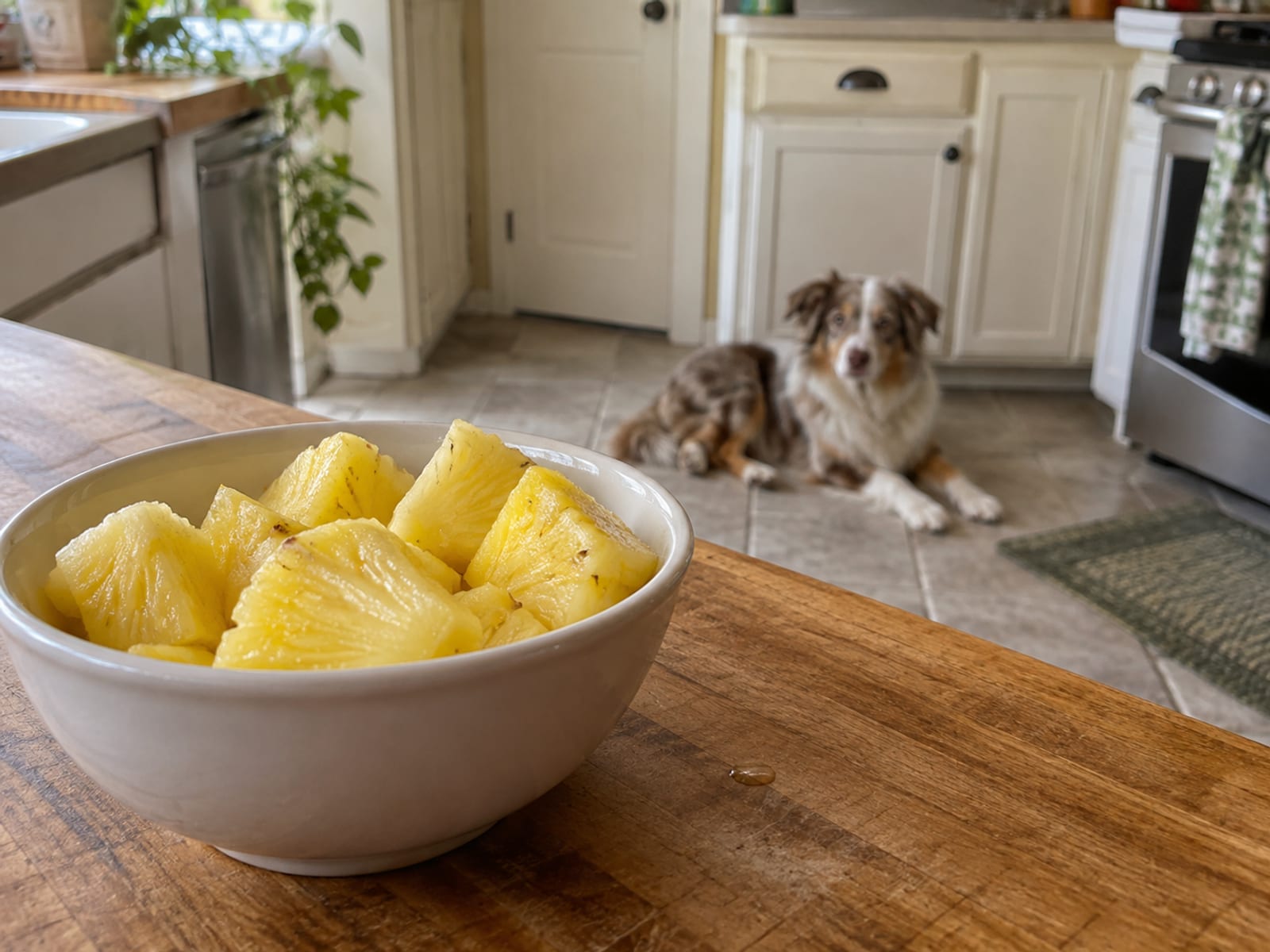
Do pineapple, supplements and deterrent products work?
The evidence is weak. In the Hart survey, none of 11 marketed products had a reported success rate above 2%. That was owners reporting results, not a controlled trial, but it is unusually direct evidence. The VCA says papaya, yogurt, cottage cheese and breath mints have been suggested but never proven to work, and that many dogs only avoid the stools that were treated.
Ask your vet before adding anything to your dog's food, including pineapple, meat tenderizer or a powder, especially if your dog has a health condition or is on a special diet. An additive should never replace picking up the yard and supervising.
Mistakes to avoid
- Punishing or rubbing their nose in it. The VCA calls nose-rubbing outmoded, inhumane and useless, and it can even encourage the behavior.
- Chasing your dog. It can turn the poop into a prize or a game.
- A big reaction. Loud attention can reward the habit. Stay calm and call your dog away.
- Relying on "No." It is not a trained behavior unless your dog has already learned it. Teach a recall or leave it instead.
- Pulling it out of their mouth if that could get you bitten.
- Peppering the poop or making gag mixtures. Management and training work better and are safer.
- Guessing at supplements or dewormers. Let your vet test first.
- Making your dog vomit at home. If they ate poop mixed with trash or something unknown, call your vet or a poison line instead.
Puppies, seniors and dogs with health problems
Puppies. Exploring is a likely reason, and many grow out of it. Puppies are also more vulnerable to parasites and dehydration. The VCA recommends more than one fecal flotation test for puppies, since they are frequently infected and can be reinfected.
Senior dogs. No source I relied on points to a cause unique to older dogs, so do not put a new habit down to age. Older dogs should see the vet sooner when stomach or bowel signs appear.
Dogs with health conditions. Diabetes, Cushing's disease, thyroid disease, digestive problems and appetite-raising medicines all belong in a vet-led check. If your dog is on a prescription or reduced-calorie diet, do not change their food or add anything without the vet who manages it.
No good evidence supports a rule by breed or size.
Check what you learned
Quick check: dogs eating poop
Questions about dogs eating poop
Is it normal for a mother dog to eat her puppies' poop?
Yes. The Merck Veterinary Manual describes it as normal nest cleaning. It does not mean all poop-eating in adult dogs is normal.
Does eating poop mean my dog is missing a vitamin?
Not necessarily. The Hart survey found no evidence that diet explained the habit. Medical problems can contribute, so a new or ongoing habit needs a vet check rather than a supplement bought on a guess.
Can my dog get worms from eating poop?
It is possible. Poop can carry parasite eggs and other stages, and the risk depends on whose poop it was. Pick up promptly and follow your vet's testing and prevention plan.
Why does my dog eat cat poop?
The VCA says cat feces can smell, feel and taste appealing to dogs. Put the litter box where your dog cannot reach it rather than punishing your dog.
My dog has always done this and been fine. Should I worry?
It is good that your dog has seemed fine, and plenty of dogs show no illness after the occasional stool. Seeming fine cannot rule out parasites or a digestion problem, though, because some parasite infections have no signs. Be more cautious if the habit is new, getting more frequent, involves wildlife, cat or unknown droppings, or comes with changes in appetite, thirst, weight, stool or energy. Keep up the stool tests and parasite prevention your vet recommends.
Should I punish my dog for eating poop?
No. The AVSAB recommends reward-based training and advises against aversive methods. Block access and reward your dog for turning away.
When is eating poop an emergency?
When it comes with blood or foreign material in vomit or stool, repeated vomiting or diarrhea with low energy or no appetite, or when your dog may have swallowed something dangerous with it.
Where to start today
Today, pick up the yard, move the litter box out of reach, and go outside with your dog on a leash with treats in your pocket. Start a short note of what they eat and when. If the habit is new, frequent or paired with any other change, book a vet visit and mention the stool-eating. You can find a clinic near you in the DogServ vet directory.
Sources
- American Veterinary Medical Association: American Veterinary Medical Association
- American Veterinary Society of Animal Behavior: American Veterinary Society of Animal Behavior
- Cornell University College of Veterinary Medicine: Cornell: diarrhea
- Cornell University College of Veterinary Medicine: Cornell
- DW Dog Training: 10 commands to teach first
- Merck Veterinary Manual: Merck Veterinary Manual
- Merck Veterinary Manual: Merck Veterinary Manual
- Merck Veterinary Manual: Merck Veterinary Manual
- PubMed Central: Hart and colleagues
- UC Davis School of Veterinary Medicine: UC Davis: guide to pet emergencies
- VCA Animal Hospitals: fecal flotation test
- VCA Animal Hospitals: VCA