
Hypothyroidism in Dogs: Symptoms, Testing, Treatment and Cost
By Cal Hewitt · Published , updated
Health
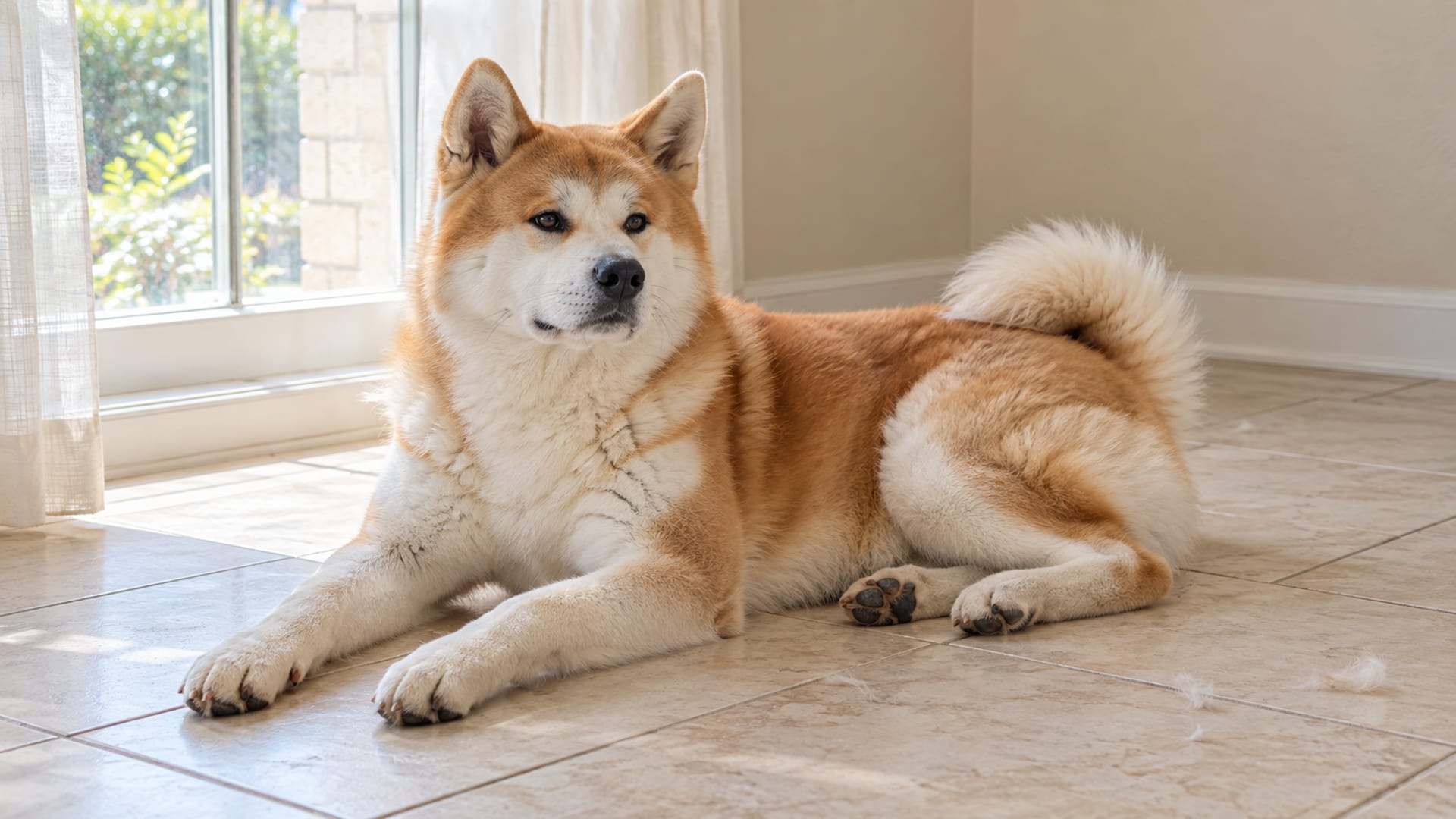
Hypothyroidism means the thyroid gland does not make enough thyroid hormone, so your dog's metabolism slows down. Common signs are gradual weight gain without eating more, tiredness, less stamina, seeking warm spots, dry or thinning hair, and skin or ear problems that keep coming back. Aging and other illnesses cause the same signs, so symptoms alone cannot confirm it. Book a vet visit for blood tests, and go to an emergency vet right away if your dog collapses, is barely responsive, feels very cold or is breathing abnormally slowly. When it is confirmed, treatment is usually a daily prescription pill and follow-up blood work.
Key takeaways
Tap a card to bring it forward.
- Weight gain, tiredness, cold-seeking, hair loss and repeat skin or ear problems can fit hypothyroidism, but they also fit aging, allergies and other illness.
- A low total T4 result alone does not confirm it; illness, drugs, age, breed and stress can lower the number.
- A normal TSH does not rule it out, because about 20% to 40% of confirmed cases have TSH in the reference range.
- Treatment is generally lifelong daily levothyroxine from your vet, with blood rechecks starting around 4 to 8 weeks.
- Energy often improves in weeks; hair regrowth typically takes at least 4 months.
- Do not add kelp, iodine or over-the-counter thyroid products without your vet's guidance.
Is my dog gaining weight, slowing down or losing hair, and what should I do?
If you are seeing those changes in a middle-aged dog, you are right to look into it. Start a simple record before you call. Write down your dog's weight with the date of each weigh-in, appetite and food amount, activity level, whether your dog seeks warm spots, any hair thinning or slow regrowth, skin darkening, thickening or odor, and ear redness or discharge. Add every medication, supplement and treat, plus any recent illness, surgery or major stress, and whether your dog is spayed or neutered.
Then book an appointment for persistent changes in weight, energy, coat, skin or ears. The Merck Veterinary Manual says signs of this disease are not specific, and your vet has to read them alongside lab results. I am Cal, not a veterinarian, and DogServ does not diagnose, prescribe or treat. This page helps you prepare and understand what your vet tells you.
What is hypothyroidism in dogs and what causes it?
The thyroid gland sits in the neck and makes hormone that sets how fast the body uses energy. In hypothyroidism it makes too little. Merck says more than 95% of clinical cases in dogs appear to be primary hypothyroidism, meaning the gland itself has been destroyed.
The two most common causes in adult dogs are lymphocytic thyroiditis and idiopathic thyroid atrophy. Lymphocytic thyroiditis is probably an immune-mediated inflammation that slowly destroys the gland. In idiopathic thyroid atrophy, thyroid tissue is lost and replaced by fat. Secondary hypothyroidism, usually from damage to the pituitary gland, is uncommon, and forms present from birth or puppyhood are rare.
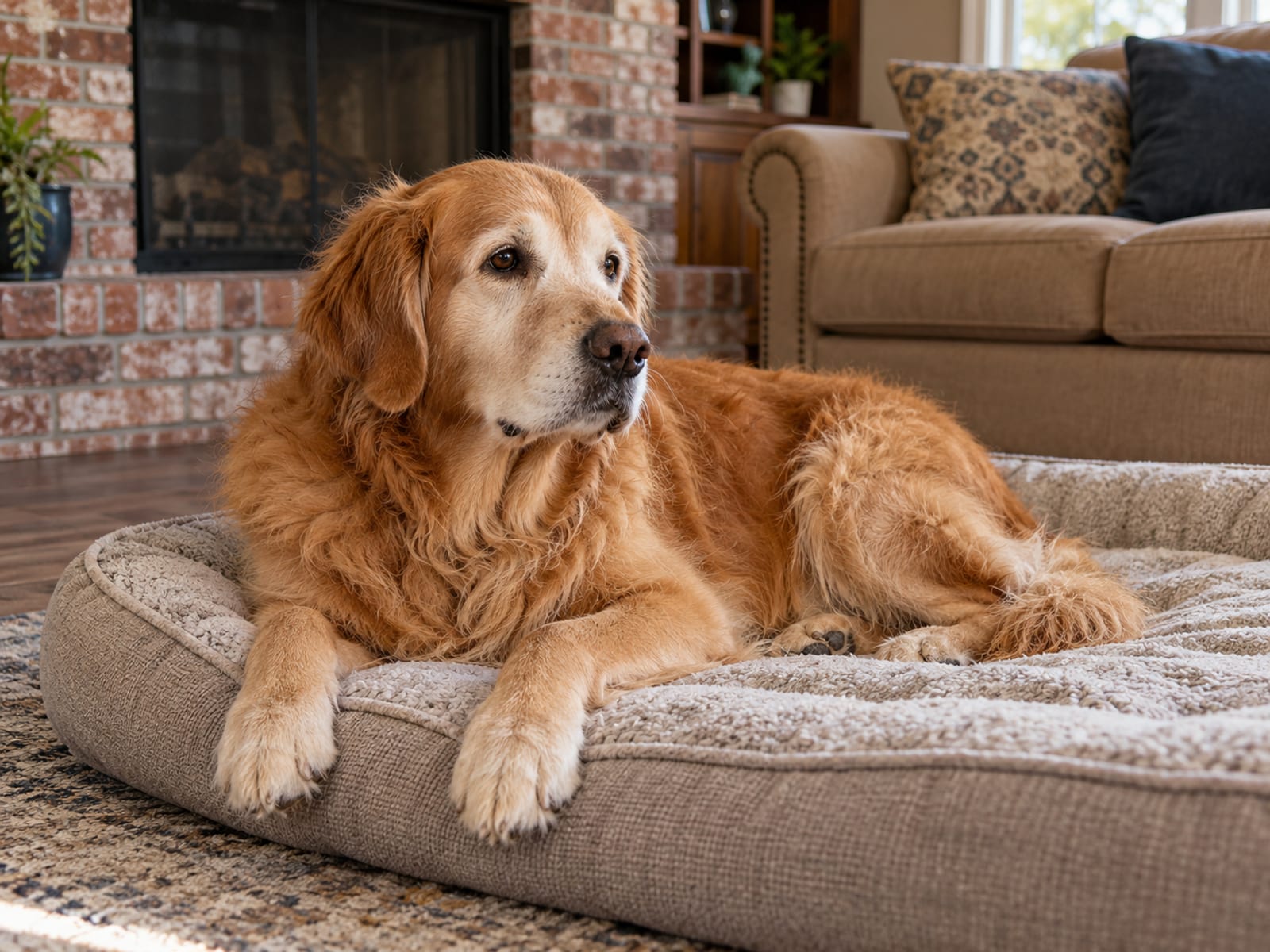
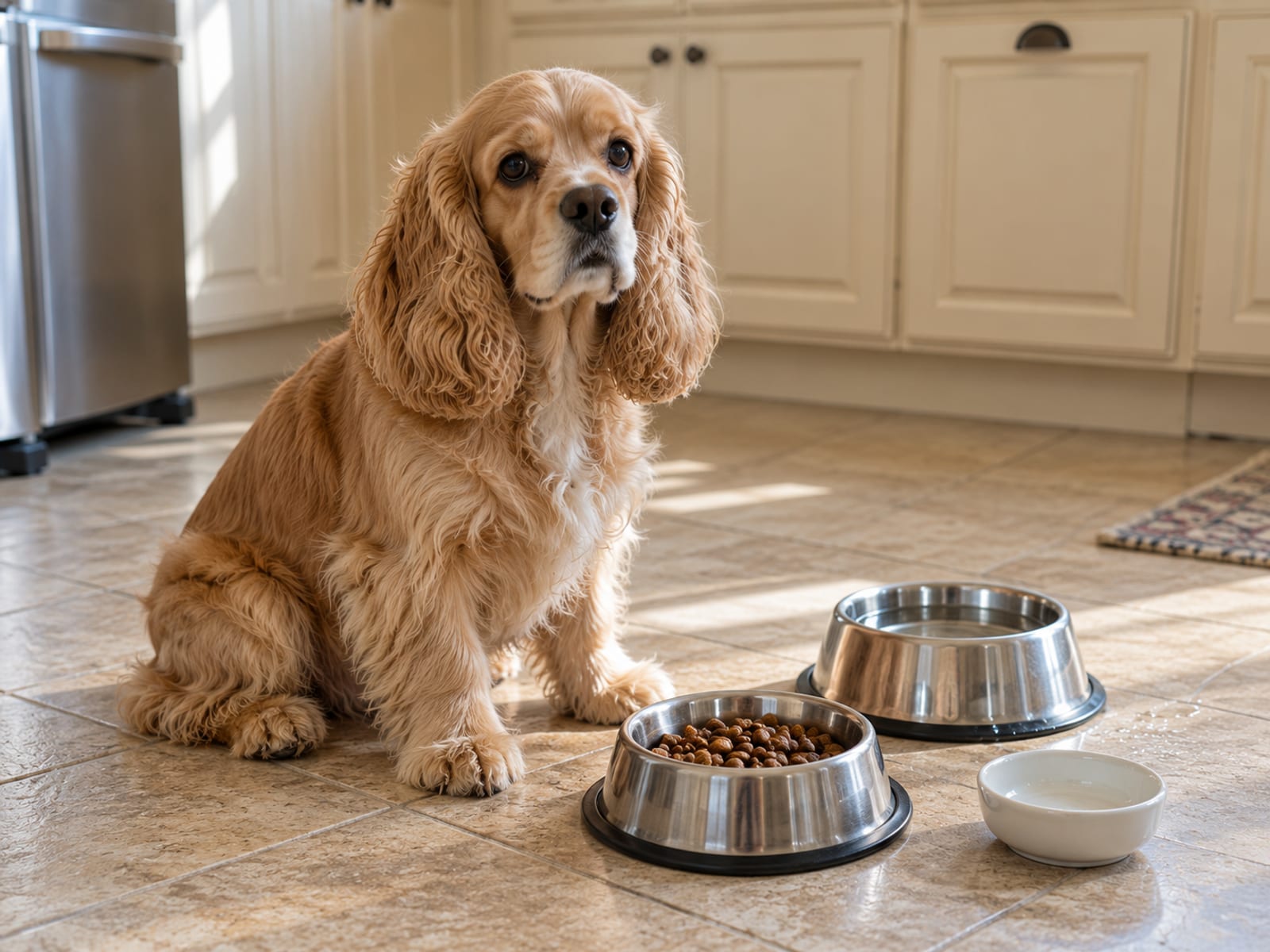
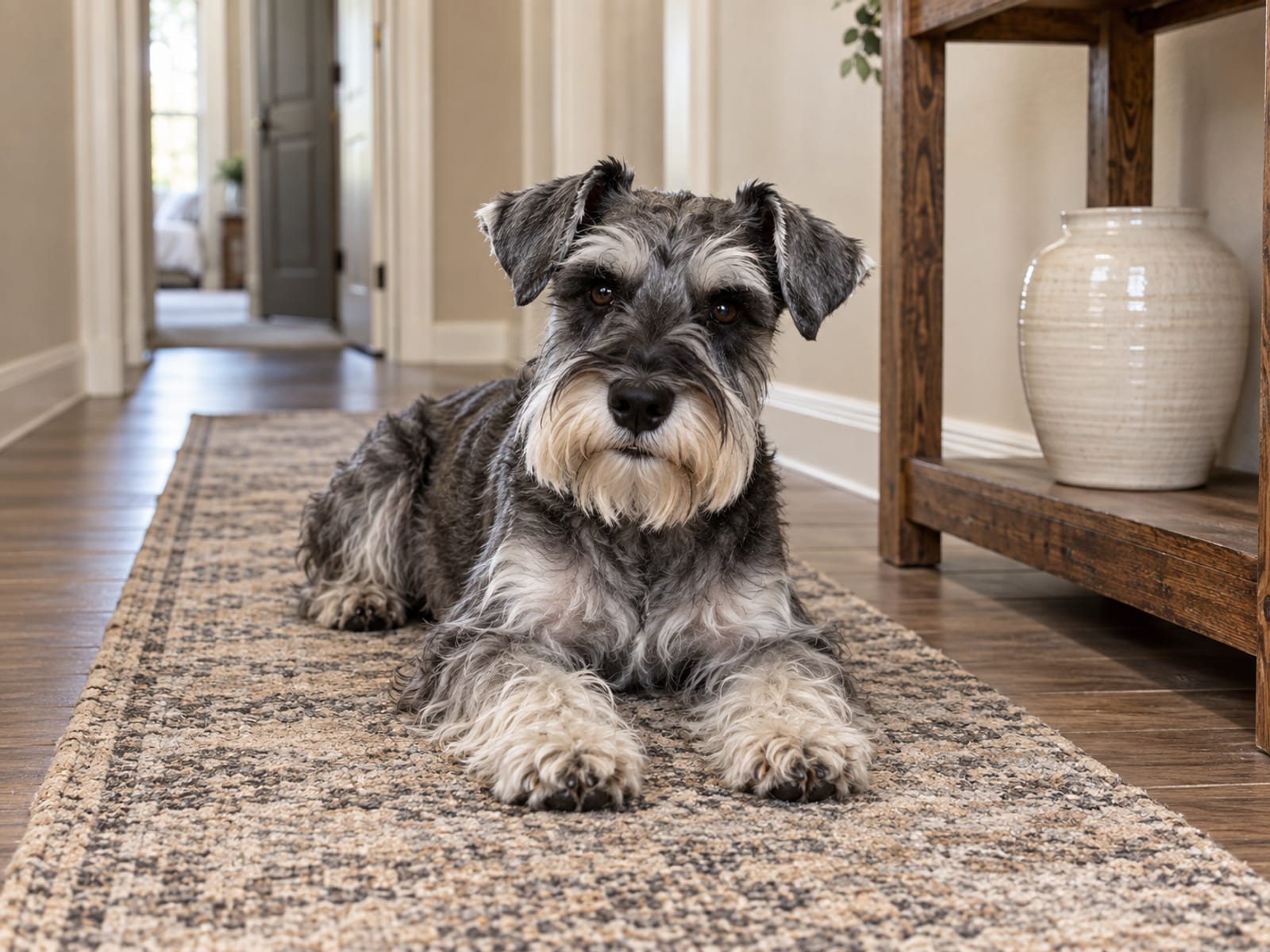
It is most common in dogs 4 to 10 years old and usually affects mid-size and large breeds. Merck lists Golden Retrievers, Doberman Pinschers, Irish Setters, Miniature Schnauzers, Dachshunds, Cocker Spaniels and Airedale Terriers as reported predisposed breeds. Some breeds, including Greyhounds, Scottish Deerhounds, Whippets, Basenjis, Salukis and racing Alaskan sled dogs, can have naturally lower thyroid values, which makes their tests harder to read. There is no clear difference between males and females.
What signs should I watch for, and which ones overlap with aging or allergies?
Common signs include:
- Gradual weight gain, sometimes without eating more.
- Tiredness or mental dullness, and less stamina on walks.
- Seeking warmth or having trouble staying warm.
- A dry coat, heavy shedding, slow regrowth, or hair thinning that does not itch, often on both sides of the body, the trunk, thighs, tail, neck or nose.
- Darkened or thickened skin, skin infections and repeat ear problems.
- A puffy face, sometimes described as a "tragic" expression.
Less common associations include nerve problems such as megaesophagus, laryngeal paralysis, facial nerve paralysis or vestibular disease, and reproductive problems in dogs that are not spayed or neutered.
Almost every item on that list can also come from something else. Tiredness, less exercise, weight gain, mental slowing, coat changes and skin or ear trouble also happen with normal aging, obesity, arthritis, allergies, parasites, Cushing's disease, diabetes, liver disease, other chronic illness and medication effects. Hair loss alone has many causes. These signs call for a vet exam, not a home diagnosis. Our guides on senior dog care, dog allergies and Cushing's disease in dogs cover the conditions most likely to look similar.
When should I book a vet visit, and what counts as an emergency?
Book a prompt regular appointment if weight, energy, coat, skin or ear changes last. You do not need to rush in for those, but do not wait months either.
Go to an emergency vet now if your dog collapses, seems stuporous or barely responsive, has severe weakness, feels profoundly cold, or breathes abnormally slowly. Merck describes myxedema coma as a rare, extreme form of severe hypothyroidism that progresses from lethargy to stupor and coma, usually with slow breathing, low blood pressure, a slow heart rate and very low body temperature. It is rare, but it is an emergency. If it is after hours, use our emergency veterinarian directory. For routine testing, start with our veterinarian directory.
How do vets confirm hypothyroidism, and why can one low result be misleading?
Diagnosis combines compatible signs with lab results. Your vet may use:
- Total T4. A good first screening test with roughly 90% sensitivity, according to Merck. A total T4 well within the reference range makes hypothyroidism less likely, but a low result alone is not a diagnosis.
- Free T4. It can help tell true hypothyroidism from euthyroid sick syndrome. Cornell's animal health diagnostic center says free T4 needs a valid separation method, and equilibrium dialysis has long been considered the gold standard. Merck says it is more accurate than analogue methods.
- TSH. A high TSH supports primary hypothyroidism, but a normal one does not rule it out. AAHA's 2023 guidelines say about 20% to 40% of overtly hypothyroid dogs have TSH in the reference range.
- Thyroid antibodies (thyroglobulin autoantibodies). These can help identify autoimmune thyroid disease.
- Routine blood work. Anemia, high cholesterol and high triglycerides can raise suspicion but are not specific.
Here is why a single low number can mislead. Other illness can push thyroid values down, a pattern called euthyroid sick syndrome. So can severe illness, age, breed, stress and nutrition, along with medications such as prednisone and other glucocorticoids, phenobarbital, sulfonamides, clomipramine, furosemide, heparin, aspirin, amiodarone, propranolol and anesthetic drugs. Merck says thyroid testing is best read after other illness has stabilized. AAHA says an isolated low total T4 should not be the only diagnostic criterion. So, bring your dog's full medication list, and if your vet suggests a retest or a second look, that is normal. It does not mean you were misled.
What does daily treatment involve?
The standard treatment is a daily oral thyroid hormone replacement, synthetic levothyroxine, prescribed and monitored by your veterinarian. The FDA says prescription levothyroxine products are approved for dogs. For naturally occurring hypothyroidism, replacement is generally needed for the rest of the dog's life, so do not stop it when your dog seems better.
Food affects how the medicine is absorbed, so the FDA says to give it the same way relative to food every day. Ask your vet exactly how and when to give it. I will not give a dose here. Use the product and amount your veterinarian prescribes, and ask what to do if you miss a dose.
Call the prescribing vet if your dog becomes restless or nervous, pants, drinks or urinates more, loses weight despite an increased appetite, vomits, has diarrhea or shows other worrying changes. Those can be signs of too much medication.
How soon will my dog feel better, what follow-up is needed, and what if there is no improvement?
Expect improvement in stages. Merck and the FDA say activity and alertness may improve within about 2 weeks, or within a few weeks. Skin and weight changes can take up to about 3 months, and the FDA says hair regrowth typically takes at least 4 months. Skin and ear problems can take longer and may need their own treatment.
Follow-up blood tests usually begin about 4 to 8 weeks after treatment starts. Your vet may take a blood sample 4 to 6 hours after a dose to see how your dog is responding, and adjusts the dose if needed. Once your dog is stable, Merck describes checking T4 one to two times a year.
If your dog is not improving, go back to your vet. The reason may be another condition, a diagnosis that needs review, a problem with how the medicine is given or absorbed, or skin disease that needs separate care. If testing gives conflicting answers or the cause stays unclear, ask whether an internal medicine specialist makes sense.
What does hypothyroidism cost?
Costs come in pieces: the exam, blood draw, thyroid testing, medication, rechecks and any continuing skin or ear treatment. Here are dated laboratory fees from the Cornell Animal Health Diagnostic Center price list of January 2023.
Tap or hover a row to highlight it.
| Test | Fee | Note |
|---|---|---|
| TestCanine thyroid panel with free T4 by dialysis, T4, T3, TSH and TgA | Fee$84 | NoteLaboratory fee |
| TestCanine thyroid panel with free T4 by Immulite, T4, T3, TSH and TgA | Fee$72 | NoteLaboratory fee |
| TestBaseline TSH | Fee$22 | NoteLaboratory fee |
Those Cornell price list figures are laboratory fees, not your total bill. The exam, blood collection, general blood work, shipping, interpretation, clinic markup and extra testing all add to it, and medication and rechecks continue after diagnosis. Ask your clinic for an itemized estimate for the workup. Then ask for a yearly estimate that separates medication, recheck exams, thyroid testing and treatment of any continuing skin or ear disease.
Do supplements, kelp or special diets help?
Prescribed thyroid hormone is the treatment for confirmed hypothyroidism. Over-the-counter thyroid products, kelp, iodine, seaweed and special diets are not substitutes for levothyroxine, and I do not recommend adding any of them without your vet's guidance. Diet changes and iodine-containing supplements can affect thyroid-related nutrition and medication consistency, and a study on excess iodine in some commercial puppy diets found effects on thyroid function.
Tell your vet about every supplement, treat, raw food and diet change, and show the product label. A raw or all-meat product that contains thyroid tissue can expose a dog to thyroid hormone, which is a separate problem from hypothyroidism.
Questions owners ask about hypothyroidism in dogs
Short answers to common questions about hypothyroidism in dogs.
What are the symptoms of hypothyroidism in a dog?
Weight gain, tiredness, less exercise tolerance, cold-seeking, dry or thinning hair, skin thickening or darkening, repeat skin infections, ear problems and a puffy face are the common ones. None of them is specific by itself, so your vet confirms it with blood tests.
Are there foods a dog with hypothyroidism should avoid?
Do not add kelp, iodine, seaweed or over-the-counter thyroid products to your dog's diet without your vet's guidance, and avoid raw or all-meat products that may contain thyroid tissue. Tell your vet about any diet change, because it can affect how the medicine works, and give the medicine the same way relative to food every day.
What is the life expectancy of a dog with hypothyroidism?
Ask your vet what to expect for your dog. What I can tell you is that treatment is generally lifelong, that most of the improvement in energy, skin and coat comes with daily medication and regular monitoring, and that untreated disease leaves a dog tired, overweight, cold-sensitive and dealing with ongoing coat and skin problems.
Can a normal TSH rule out hypothyroidism?
No. About 20% to 40% of dogs with confirmed hypothyroidism have TSH in the reference range, so your vet looks at TSH together with T4, free T4, your dog's signs and other health factors.
What is the next step?
Start your record today, then call your vet and ask about a full thyroid workup rather than a single T4. Bring the medication list and the diet history, and ask for an itemized estimate. If your dog collapses, is barely responsive, feels very cold or breathes too slowly, go to an emergency vet now. I know waiting for answers is hard, and a clear plan with your vet is the best place to start.
Sources
- American Animal Hospital Association: AAHA's 2023 guidelines
- Cornell University College of Veterinary Medicine: Cornell price list
- Cornell University College of Veterinary Medicine: Cornell's animal health diagnostic center
- Merck Veterinary Manual: Merck Veterinary Manual
- PubMed: study on excess iodine in some commercial puppy diets
- U.S. Food and Drug Administration: FDA