

Senior Dog Care: Normal Aging, Warning Signs and Keeping an Older Dog Comfortable
By Cal Hewitt · Published
Health

A dog becomes a senior when it reaches roughly the last quarter of its expected lifespan, not at one set age for every dog. Graying, sleeping more and moving a little slower can come with age. New stiffness, trouble with stairs, appetite or weight changes, confusion, accidents in the house, breathing problems or a change in behavior should not be written off as "just old age," because pain and illness can look the same. Good senior care means regular vet exams, the right screening tests, weight and activity management, safer floors and beds, dental care, watching for cognitive changes and keeping track of quality of life.
Key takeaways
Tap a card to bring it forward.
- Senior status starts in the last 25% of a dog's expected lifespan, so large and giant breeds usually get there sooner than small ones.
- Graying and extra sleep can be normal; new stiffness, weight change, confusion or house-soiling deserve a vet visit.
- Plan wellness care at least once a year; many practices see seniors about every six months.
- Rugs, ramps, padded beds, trimmed nails and food and water within easy reach help an older dog today.
- Never give ibuprofen, acetaminophen or any human pain medicine unless your veterinarian tells you to.
- A written record of good and bad days helps you and your vet talk about comfort and quality of life.
Is this normal aging or a reason to call the vet, and when does a dog count as senior?
If you're here, something probably changed. Maybe your dog hesitates at the stairs now, or paces at 2 a.m., and you want to know whether that is age or pain.
The American Animal Hospital Association (AAHA) defines a senior dog as one in the last 25% of its estimated lifespan. There is no single birthday that makes every dog a senior. Large and giant breeds generally reach senior status earlier than small breeds. AAHA's 2023 Senior Care Guidelines make the same point: senior care is not one-size-fits-all, because breed, size and lifespan vary.
So, if you're unsure whether your dog is a senior yet, ask your vet where your dog's breed and size put them. That one conversation tells you when to start the senior checkups described below.
Changes that can be normal, and changes not to put down to age
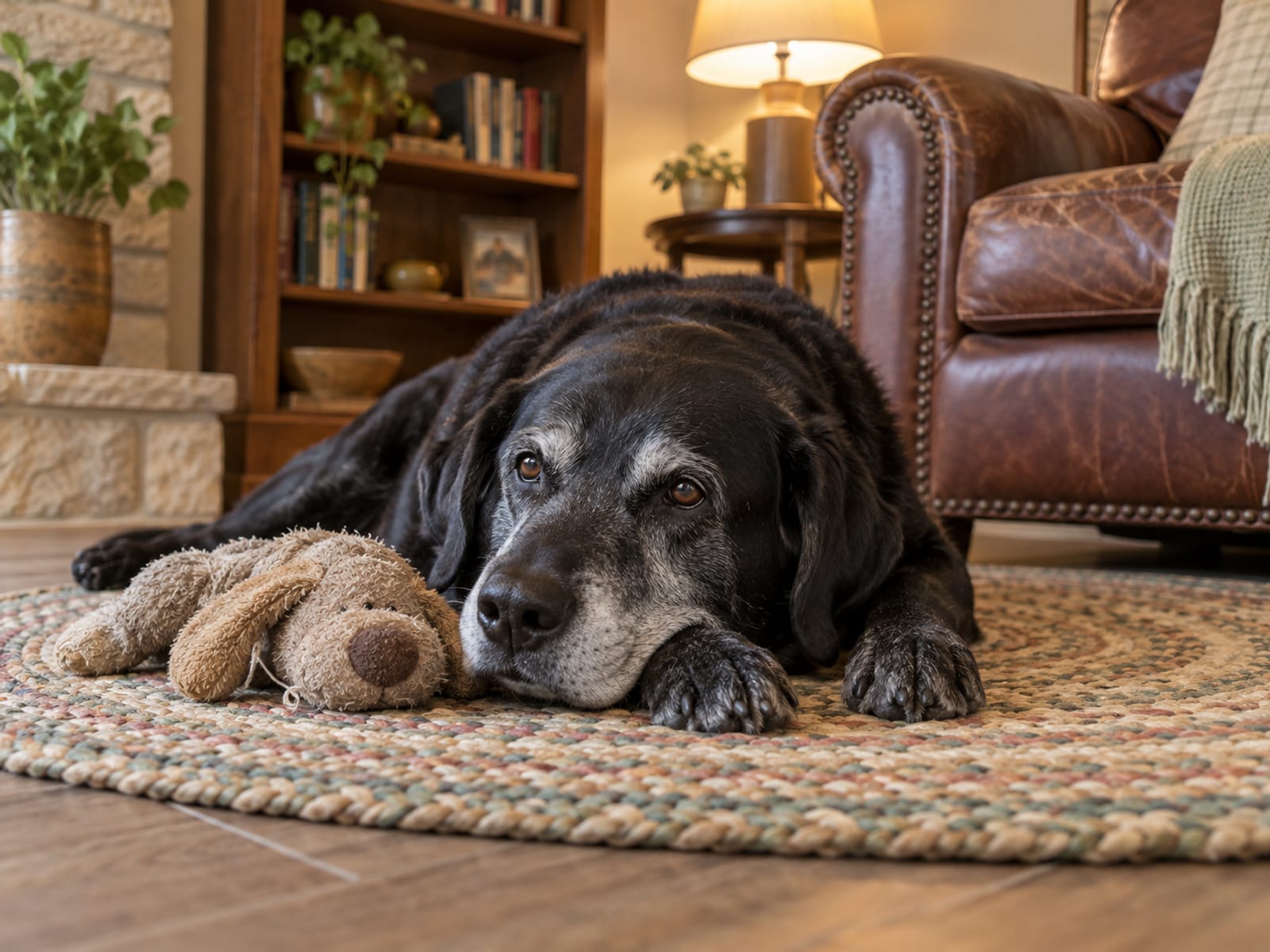
Some changes really are part of getting older. The Merck Veterinary Manual describes normal age-related shifts in hearing, eyesight and sense of smell, along with slower learning, weaker memory and emotional changes. An older dog may gray around the muzzle, sleep more, be a bit less active and lean on you more than before.
Other changes look like aging but often are not. I would not put any of these down to age without a vet looking at your dog:
- New or worsening stiffness, or reluctance to get up, climb or walk
- Limping
- Eating more or less than usual, or losing or gaining weight
- Drinking or urinating much more than before
- Repeated vomiting
- New accidents in the house
- Marked confusion, anxiety or restlessness at night
- A sudden change in behavior
The reason is overlap. Pain, arthritis, dental disease, hearing or vision loss, metabolic disease and cognitive dysfunction can all produce similar signs. A dog drinking more water may have a condition like the ones covered in DogServ's post on diabetes in dogs. If you want a baseline for what normal looks like in your own dog, DogServ's signs of a healthy dog is a good place to start.
When an older dog needs a vet now, or soon
Some changes can wait for a regular appointment. Some cannot. This is how I'd sort them.
Call a vet or emergency vet now if your dog has:
- Trouble breathing
- Collapse
- Severe weakness or cannot stand
- Repeated vomiting
- Straining with no urine coming out
- Any sudden, severe change, such as sudden confusion
Book a prompt appointment, within days rather than months, for:
- New or worsening stiffness, limping or trouble rising
- Appetite changes, weight loss or weight gain
- More thirst or more urination
- New house-soiling
- Confusion, pacing, night waking or new anxiety
- Behavior changes, such as avoiding touch or family members
Before the visit, write down what you're seeing and when it started, and film anything that comes and goes, like an odd walk or nighttime pacing.
Wellness visits: how often, what senior screening checks and what it may cost
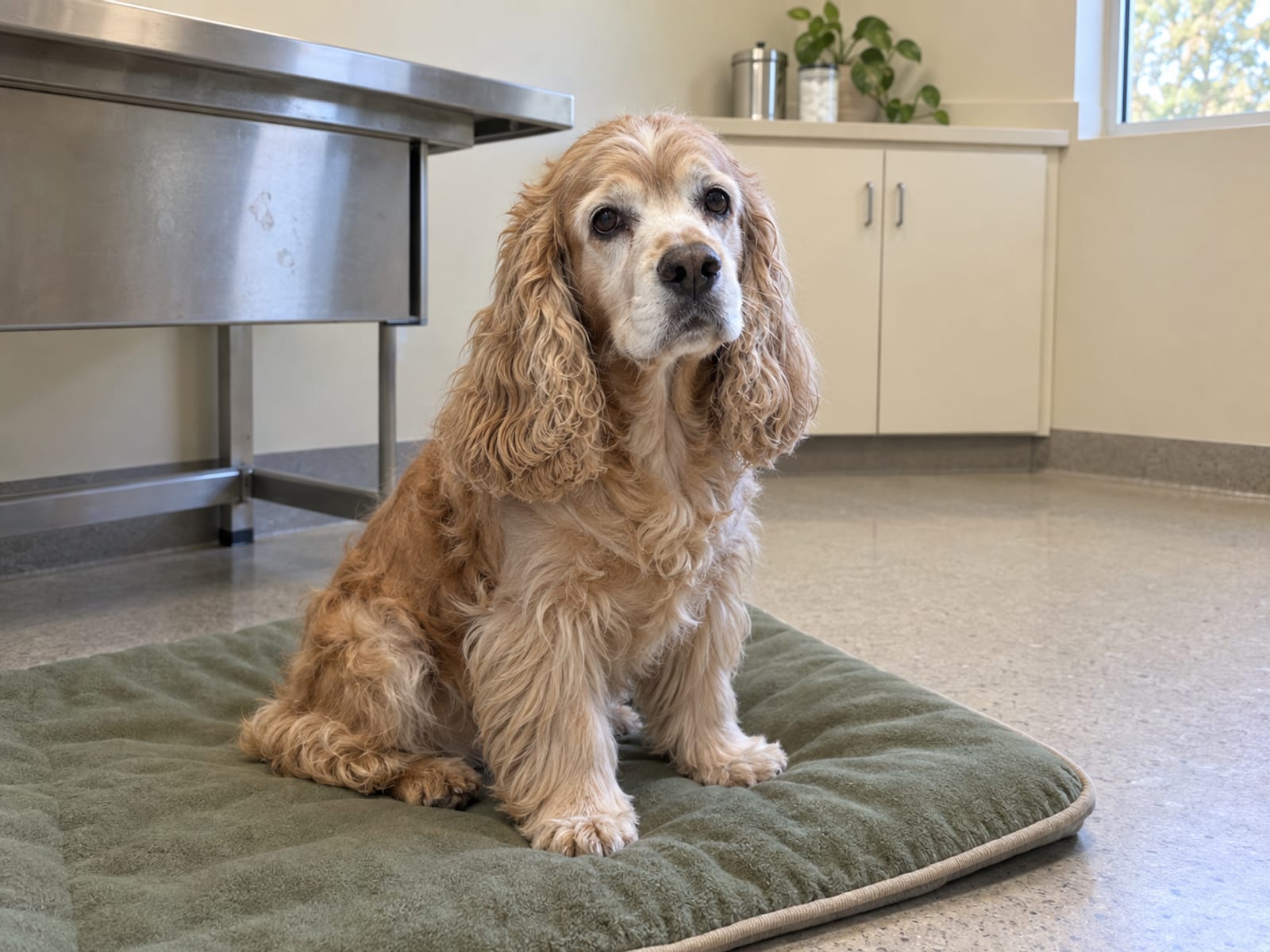
VCA Animal Hospitals recommends wellness exams at least once a year and notes that more frequent testing may make sense depending on age and health. A VCA practice in Southern California says wellness exams are often done every six months for senior pets and pets with chronic conditions. Six months is a common veterinary recommendation, not a fixed rule for every healthy older dog, so ask your vet what schedule fits yours.
Senior screening exists because dogs can mask disease. VCA describes routine senior testing that commonly includes:
- CBC (complete blood count): a look at red cells, white cells and platelets.
- Chemistry profile: a blood panel that gives information about organ function.
- Urinalysis: a urine test.
- Thyroid hormone testing: when your vet thinks it is needed.
Your vet will usually also take a history, do a physical exam, check weight, muscle and teeth, and assess mobility and pain. Blood pressure may be checked when appropriate, and imaging or more tests may follow if something turns up.
Cost is a fair question, and I'll be straight with you: there is no reliable US national price range for senior exams or bloodwork that I can point you to. Prices vary a lot by region, by clinic, by which tests are run and by whether imaging or treatment is added. The most useful step is to call your clinic and ask for an itemized estimate before the visit, then ask which tests matter most for your dog right now.
What you can change at home today: traction, ramps, bedding, food and water, nails and exercise
You can start on these tonight. The home changes in AAHA's 2023 Senior Care Guidelines are simple and practical.
Give them grip. Slick floors are hard on stiff joints. Rugs, runners or other non-slip flooring along the paths your dog uses most, such as bed to water bowl to back door, help them keep their footing.
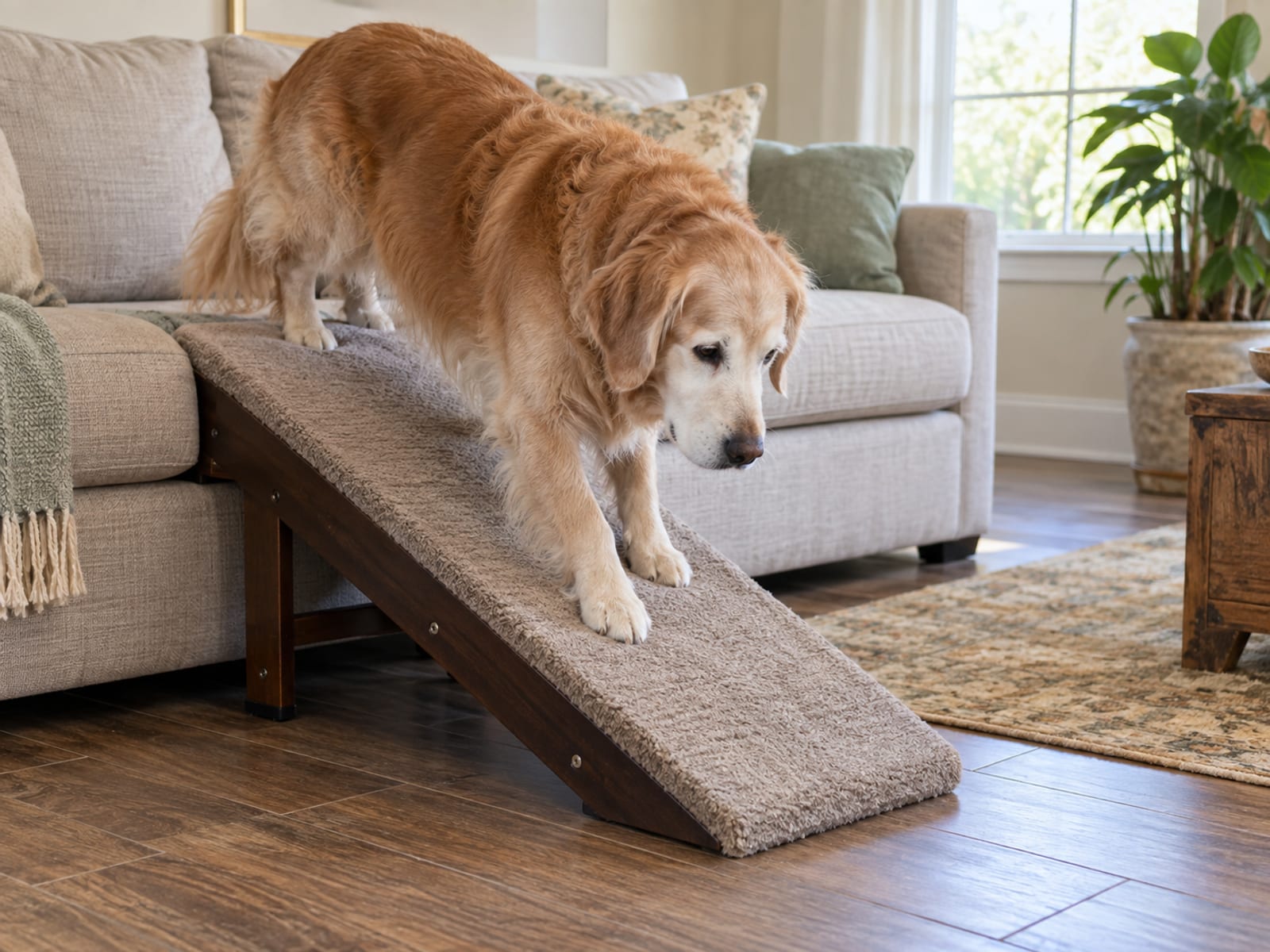
Cut down on stairs and jumping. Ramps can replace a few steps or a jump onto the couch or into the car. Where a ramp isn't possible, a gate at the top of the stairs can keep your dog from trying them alone.
Upgrade the bed. A well-padded bed in a calm spot gives sore joints a better place to rest. Put it where your dog doesn't have to climb to reach it.
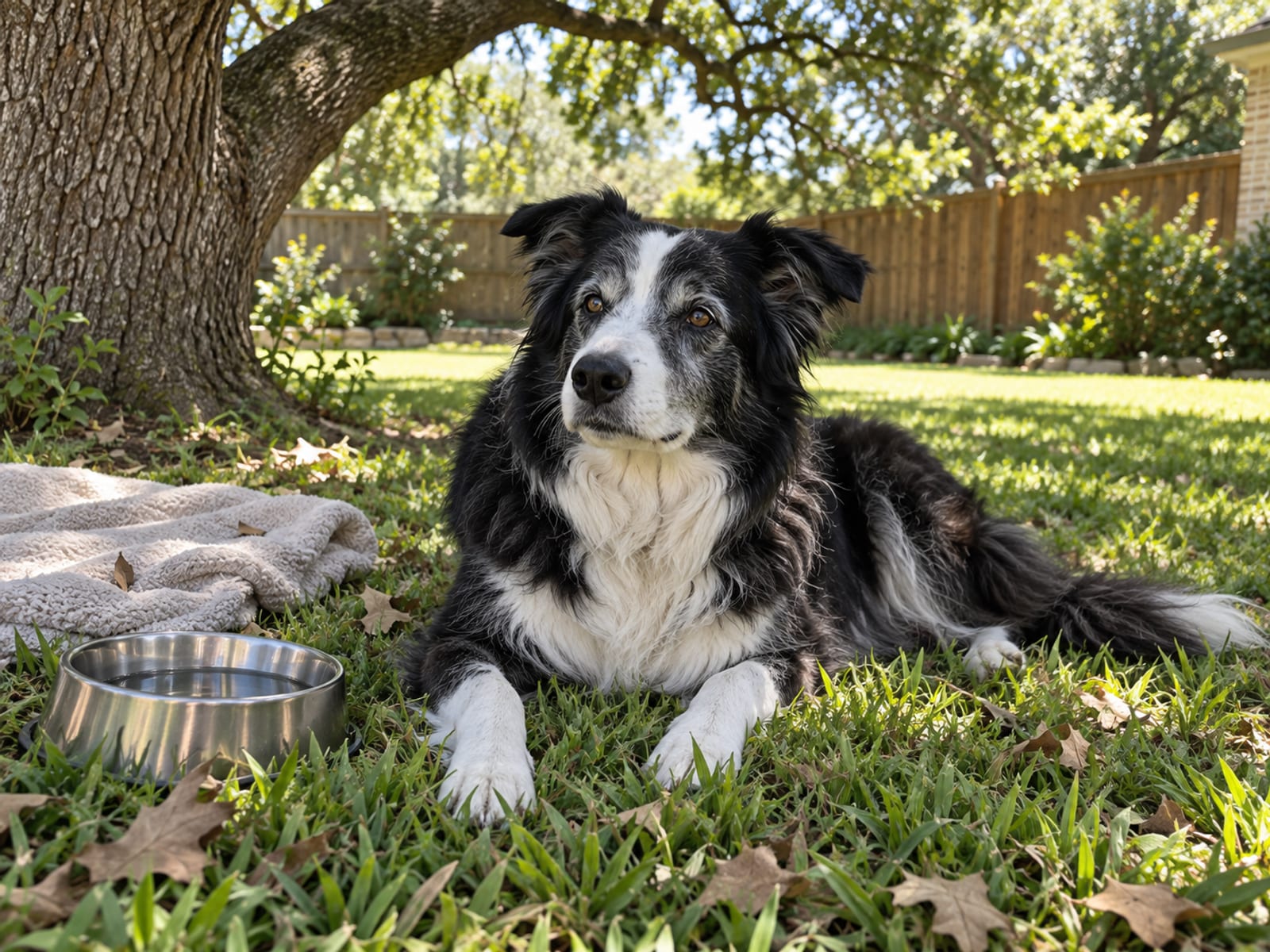
Move food and water closer. Keep bowls, bed and the way outside easy to reach, so your dog doesn't have to cross the whole house or take the stairs to eat or drink.
Keep nails trimmed. Long nails reduce traction. Regular trims help a senior dog grip the floor.
Adjust exercise instead of stopping it. Older dogs don't need to stop exercising. Shorter, more frequent and low-impact walks on even ground are often easier than long or rough outings. DogServ's post on how often you should walk your dog covers general walking needs. If your dog suddenly refuses walks, starts limping or does much less than before, treat that as a reason to see the vet rather than a new normal.
Watch weight, appetite and muscle. Not every older dog needs the same "senior" food. The goal is to keep an eye on weight, body condition, appetite and muscle, and to plan any diet change with your vet.
Keep up with teeth. Older dogs can have dental disease, so dental care still matters. Your vet should plan any dental assessment or treatment, and DogServ's post on how to brush your dog's teeth covers home brushing.
Joint supplements vary in evidence and suitability by ingredient and by dog, so ask your vet before starting one.
Pain and arthritis: the signs, and why human pain medicines are dangerous
Dogs often don't cry or whimper when they hurt. They change how they move. Cornell University College of Veterinary Medicine lists these signs of osteoarthritis:
- Limping or lameness
- Less activity overall
- Reluctance to stand up, climb stairs, jump or run
- Stiffness or reduced movement in the joints
For more on limping and arthritis specifically, see DogServ's post Why Is My Dog Limping?, and for subtler discomfort signals, dog body language.
Arthritis care is usually a mix. Depending on the dog, a vet may use prescription medication classes chosen for dogs, weight management, changes to activity, rehabilitation or physical therapy, and changes around the home. Your vet chooses the medicine and the amount for your dog.
The one thing I don't want anyone to miss: do not give your dog human pain relievers. Cornell identifies ibuprofen as toxic to dogs and not recommended for veterinary use. The ASPCA reports that over-the-counter medicines, including ibuprofen and acetaminophen, were the leading category in its 2024 toxin calls. If your dog has already swallowed a human pain medicine, call your vet or an animal poison control service right away, and use only the treatment they give you.
Confusion and night restlessness: canine cognitive dysfunction and what the vet will check
Pacing at night, getting stuck behind furniture or howling for no clear reason can be hard to watch. The Merck Veterinary Manual describes canine cognitive dysfunction with the letters DISHAA:
- Disorientation
- Interactions that change with people or other pets
- Sleep-wake cycle changes, such as sleeping all day and waking at night
- House-soiling
- Anxiety
- Activity changes, whether less, more or repetitive activity
Merck reports one study in which 28% of dogs aged 11 to 12 and 68% of dogs aged 15 to 16 showed signs consistent with cognitive dysfunction. Those numbers come from one study and are not a universal rate, but they show how common these changes can be in very old dogs.
Your vet will want to rule out other causes first, because pain, hearing or vision loss and other illness can cause the same behavior. Merck notes that early detection gives the best chance to improve signs or slow the decline, and that physical and mental stimulation is a first part of management. So, if the night pacing or confusion is new, getting worse or upsetting your dog or your household, book a visit instead of waiting. DogServ's post on dog dementia goes further into the signs and daily care. If your dog's distress looks like anxiety, dog separation anxiety may help, but in an older dog, new nighttime distress still needs a medical check.
Tracking quality of life day by day
A written record helps you see the pattern instead of reacting to a single hard day.
The Merck Veterinary Manual's HHHHHMM quality-of-life scale looks at seven areas:
- Hurt: pain, including how easily your dog breathes
- Hunger: eating enough
- Hydration: drinking enough
- Hygiene: staying clean and comfortable
- Happiness: interest in you, family and surroundings
- Mobility: getting up and moving around
- More good days than bad
The scale is an observation tool. It does not diagnose anything, and one score does not make a decision for you. What helps is a trend. Mark each day on a calendar as good or bad, jot short notes and take videos, then bring all of it to your vet.
Hospice, comfort care and planning for the end of life
This is the hardest part of senior care. Thinking about it early lets you make choices calmly, with your vet, instead of in a crisis.
The AAHA and IAAHPC end-of-life care guidelines say that both euthanasia and hospice-supported natural death can be medically and ethically acceptable choices. Hospice and palliative care focus on comfort and support when treating the illness itself is no longer the goal. In-home euthanasia, where it is available, is a veterinary service done at home. It may reduce travel stress and lets the family be present. The AVMA euthanasia guidelines are written for the veterinary professionals who perform or oversee euthanasia, which is one more reason this decision is made with your vet, not alone.
Worth asking your vet early: what comfort care fits your dog's condition, whether in-home services are available near you, and what aftercare options exist.
Questions owners ask about caring for a senior dog
Short answers to what owners ask most.
At what age is a dog considered a senior?
There is no single age. AAHA counts a dog as senior in the last 25% of its expected lifespan, which is why a large or giant breed usually becomes a senior earlier than a small breed. Your vet can tell you roughly where your dog's breed and size fall.
Why is my older dog howling so much?
New vocalizing in an older dog can have several causes. Merck lists changes in activity, anxiety and disrupted sleep among the signs of cognitive dysfunction, but pain, hearing or vision loss and other illness can cause the same thing. A vet visit is the way to tell them apart, and a video of the howling helps.
When should I let my senior dog go?
There's no single sign, and it's a decision you make with your veterinarian. Tracking hurt, hunger, hydration, hygiene, happiness, mobility and whether good days outnumber bad ones gives you both a clearer view over time. Hospice care and in-home euthanasia are options you can ask about ahead of time.
Can I give my old dog acetaminophen or ibuprofen?
No. Cornell identifies ibuprofen as toxic to dogs, and the ASPCA counts over-the-counter medicines like ibuprofen and acetaminophen as the leading category in its 2024 toxin calls. Ask your vet for a medicine made and dosed for your dog.
Should a senior dog still exercise?
Yes, in most cases, adapted to what your dog can do. Shorter, more frequent and gentler activity on even ground often works better than one long outing. A sudden drop in how much your dog wants to move is a reason to see the vet.
The next step
Start small today. Put a rug on the slickest stretch of floor, move the water bowl closer to your dog's bed and start a simple calendar of good and bad days. Then call your vet and book a senior wellness visit, bringing your notes and any videos. If you see trouble breathing, collapse or severe weakness, don't wait for that appointment: go to an emergency vet now. DogServ's directory lists vets and emergency vets, and groomers who can handle an older dog's nail trims gently.
Sources
- American Animal Hospital Association: 2023 Senior Care Guidelines
- American Animal Hospital Association: AAHA and IAAHPC end-of-life care guidelines
- American Animal Hospital Association: American Animal Hospital Association (AAHA)
- American Veterinary Medical Association: AVMA euthanasia guidelines
- ASPCA: ASPCA
- Cornell University College of Veterinary Medicine: Cornell University College of Veterinary Medicine
- Cornell University College of Veterinary Medicine: Cornell
- Merck Veterinary Manual: Merck Veterinary Manual's HHHHHMM quality-of-life scale
- Merck Veterinary Manual: Merck Veterinary Manual
- VCA Animal Hospitals: VCA Animal Hospitals
- VCA Animal Hospitals: VCA practice in Southern California