
Signs of a Healthy Dog: Normal Vital Signs, a Home Check and When to Call the Vet
By Cal Hewitt · Published , updated
Health

Maybe your dog seems a little off and you cannot say why. Maybe you just brought home a puppy or an older rescue and want to know what normal looks like. Or you noticed something during a bath or a cuddle, a lump, fast breathing while asleep, gums that look paler than you remember, and you are trying to decide whether it can wait.
If you see any of these, go to an emergency vet now: trouble breathing, blue, purple or very pale gums, collapse, a seizure, heavy bleeding, a swollen belly with retching that brings nothing up, being unable to pee, or signs your dog ate something toxic. For poisoning, you can also call the ASPCA Animal Poison Control Center at (888) 426-4435 or the Pet Poison Helpline at (855) 764-7661.
For everything else: a healthy dog has a steady appetite, energy, movement and toilet routine, breathes quietly at rest, and has gums that look normal for them. The most useful thing you can do is learn your own dog's normal, so you notice when something changes. Below are the normal ranges from veterinary sources, a simple home check, and how to tell an emergency from a call-today problem.
Key takeaways
Tap a card to bring it forward.
- Compare your dog with their own normal: appetite, drinking, peeing and pooping, energy, movement and behavior.
- Normal rectal temperature is about 100 to 102.5 F. Call your vet below 99 F or above 104 F (VCA).
- A resting or sleeping breathing rate of 15 to 30 breaths a minute is typical. Consistently over 30 at rest, call your vet (VCA).
- Gums can be pink, black or spotted. Pale, white, blue, gray or suddenly changed gums need urgent care.
- A dry or warm nose does not mean your dog is sick, and a wet nose does not mean they are well (AKC).
- Every dog needs a vet exam at least once a year; puppies and seniors more often (AAHA).
Normal vital signs for dogs
Measure only when your dog is calm and resting. Exercise, heat, excitement, fear and a car ride to the clinic all push heart and breathing rates up.
Tap or hover a row to highlight it.
| Measure | Normal range | When to call |
|---|---|---|
| MeasureTemperature (rectal) | Normal rangeAbout 101 to 102.5 F (Merck); 100.0 to 102.5 F (VCA) | When to callBelow 99 F or above 104 F: call your vet (VCA) |
| MeasureResting heart rate | Normal range70 to 120 beats a minute; small dogs and puppies run faster, large dogs can be as low as 60 (Merck) | When to callA big change from your dog's normal, an irregular beat, or with weakness, pale gums or breathing trouble |
| MeasureResting or sleeping breathing rate | Normal range15 to 30 breaths a minute (VCA); Merck lists 18 to 34, Cornell 12 to 30 | When to callConsistently over 30 while asleep or calmly resting: call your vet |
| MeasureGum color | Normal rangePink in unpigmented areas; black or spotted gums are normal for many dogs | When to callPale, white, blue, purple, gray or very dark red: urgent |
| MeasureCapillary refill time | Normal range1 to 2 seconds for pink color to return after pressing the gum (Merck) | When to callLonger than 2 seconds in a dog who seems unwell |
How to count breaths: wait until your dog is asleep or lying calmly, not panting, and count one rise and fall of the chest as one breath for 30 seconds, then double it. Repeat if the number surprises you. Any struggling to breathe, noisy breathing, a stretched-out neck or heaving belly is an emergency whatever the count.
Temperature: the only way to know is a thermometer. A warm ear or a dry nose does not tell you.
Gums and capillary refill: lift the lip only if your dog is comfortable with it. On a pink patch of gum, press gently with a fingertip until it goes pale, let go, and count how long the pink takes to come back. If your dog's gums are mostly black, look for a pink spot, and learn what is normal for them.
A nose-to-tail check you can do at home
Glance over your dog every day at meals or on walks, and do a slower check about once a month. Stop if your dog seems uncomfortable or in pain; never force it.
- The whole dog. Appetite, drinking, peeing, pooping, sleep, energy, how they move and how they act with you. A change in the usual pattern matters more than matching any picture of a "perfect" dog.
- Breathing. Quiet and easy at rest. Note the sleeping breathing rate now and then, so you know their normal.
- Eyes. Moist, clear, no gunk or discharge, no squinting, no swollen lids, whites that are white and a clear, not cloudy, surface, according to the VCA. New redness, cloudiness, squinting or a sudden vision problem: call the vet.
- Nose. Know its normal color. Watch for discharge, crusting, sores or deep cracks.
- Ears. Look at the flap and the opening for redness, sores, gunk or discharge, and notice any new smell. Never put anything into the ear canal.
- Mouth. Pink gums (in unpigmented areas) with no lumps or sores. Tell your vet about bad breath, bleeding, loose or broken teeth, heavy tartar or trouble eating.
- Skin and coat. Part the fur and look for redness, scabs, flakes, sores, fleas or ticks, new lumps, a bad smell or bald patches. Write down where a lump is, how big, and the date, and take a photo; changes over time help your vet.
- Weight and shape. Weigh your dog the same way each time if you can, and ask your vet to show you how to judge their body condition. AAHA includes weight, body condition and muscle condition in every life-stage check.
- Belly and rear. Look for swelling, discharge or skin problems. Gently feel the belly only if your dog is relaxed, and stop at any sign of pain.
- Legs and paws. Watch your dog walk, get up, climb stairs and jump. Check pads, nails and between the toes if they are comfortable with it. New limping, reluctance, swelling or pain goes on the list for your vet.
If your dog hates being handled, work on it slowly with treats when nothing is urgent. Positive reinforcement dog training explains how. If something might be painful, let your vet do the exam.
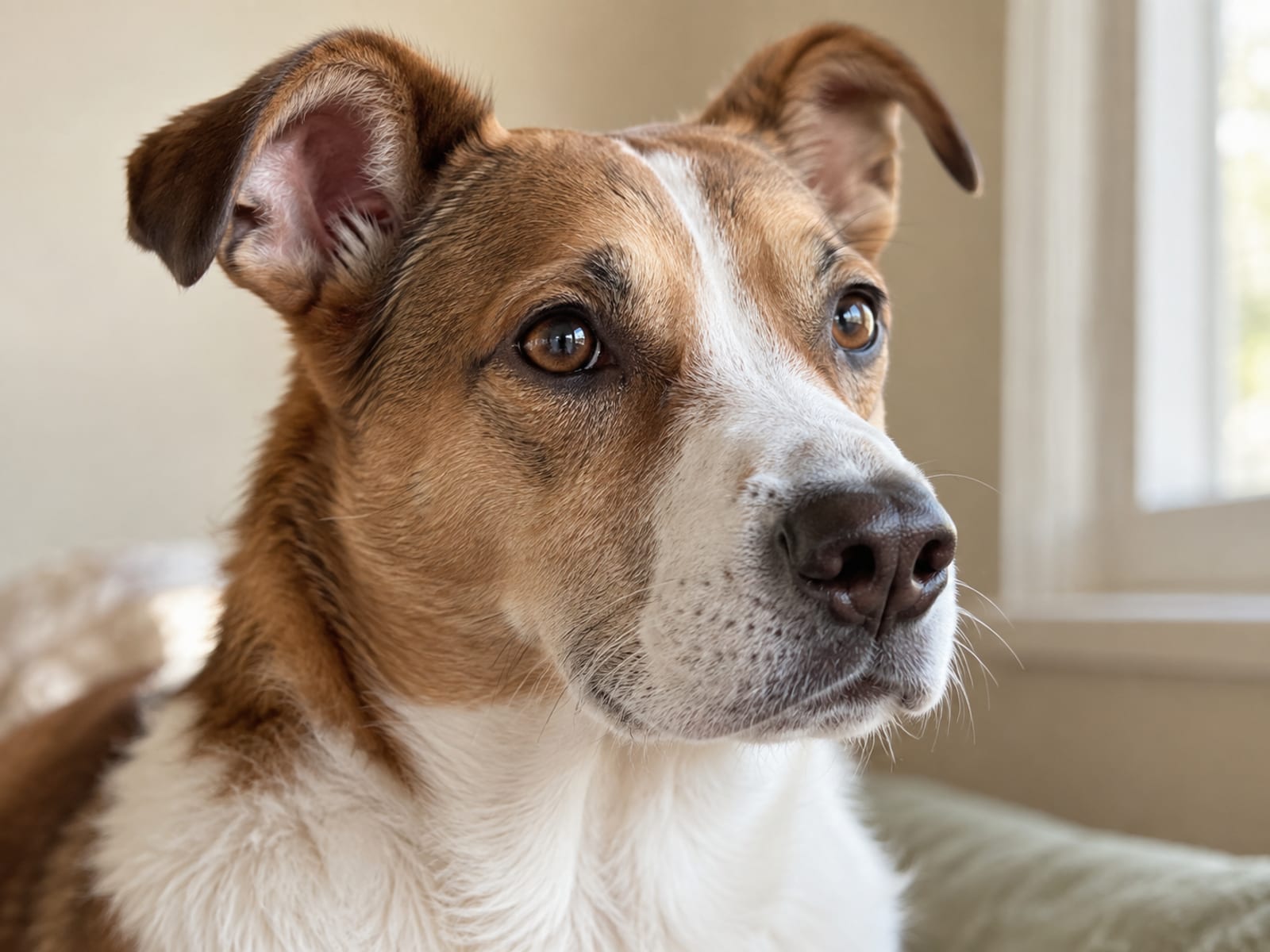
Emergency now, call today, or routine visit?
- Trouble breathing, or blue, purple or pale gums
- Collapse, unresponsiveness, a seizure or being unable to stand
- A major injury or bleeding you cannot stop
- A swollen, painful belly with retching that brings nothing up
- Eating something toxic, including human medicine
- Choking, or face swelling or hives with breathing changes
- Being unable to pee
- Severe pain, severe or nonstop vomiting, or bloody or black, tarry diarrhea
Call ahead on the way if you can.
Call your regular vet today:
- A sleeping breathing rate that stays over 30 on repeated calm counts
- A temperature below 99 F or above 104 F
- A clear change in eating, drinking, peeing, energy, movement or behavior
- Repeated vomiting or diarrhea that is not severe
- A new cough, squinting or a painful eye, ear discharge or smell, a new or changing lump, or limping
The clinic will tell you whether to come in today or keep watching.
Book a routine appointment (and call sooner if it gets worse): bad breath or tartar, a slow change in weight or coat, long nails, mild skin irritation that keeps coming back, or a small lump your vet has already checked. Anything new, spreading, painful, or paired with changes in appetite, breathing, toileting or energy moves up to a call today.
How often a healthy dog should see the vet
The American Animal Hospital Association says every pet needs an exam at least once a year, with the schedule adjusted for age, breed, health and lifestyle, according to the AAHA.
Tap or hover a row to highlight it.
| Life stage | What it covers | How often |
|---|---|---|
| Life stagePuppy | What it coversBirth to the end of rapid growth, about 6 to 9 months depending on size | How oftenEvery 3 to 4 weeks during the vaccine and growth period |
| Life stageYoung adult | What it coversEnd of rapid growth to about 3 to 4 years | How oftenEvery 6 to 12 months |
| Life stageMature adult | What it coversAbout 3 to 4 years to the last quarter of expected lifespan | How oftenEvery 6 to 12 months |
| Life stageSenior | What it coversThe last quarter of expected lifespan | How oftenAt least every 6 months, with screening tests |
"Senior" depends on your dog's size and breed, not just their age, so ask your vet when your dog reaches it.
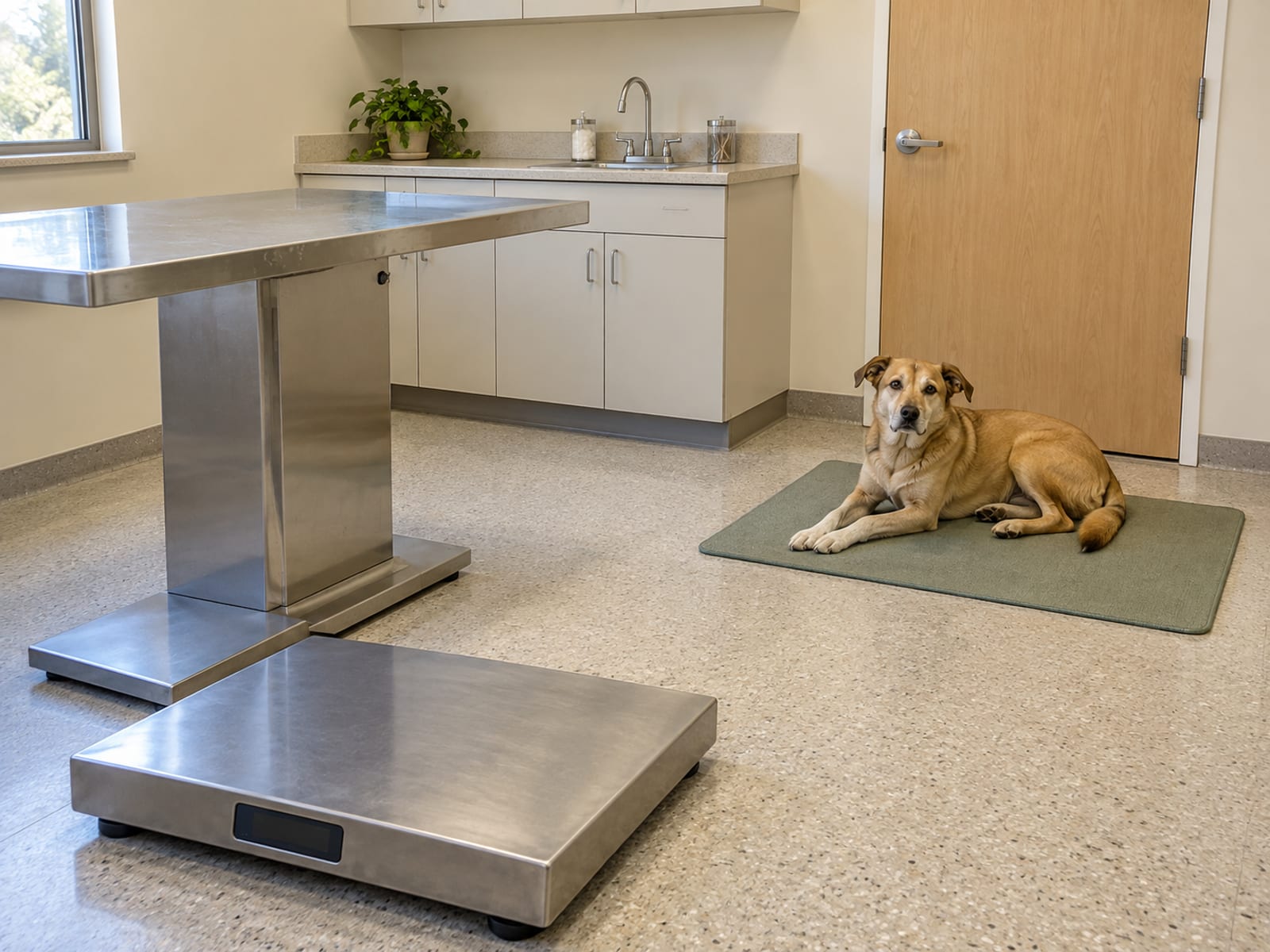
Keep a baseline
Today, write down your dog's normal: how much they eat and drink, their toilet routine, energy, how they walk, weight if you can, what their gums look like, and a calm sleeping breathing rate. A short video of them walking and breathing while asleep is useful too. Check again over the next week or two in the same calm conditions.
A steady baseline makes a change easy to spot. It does not prove your dog is free of disease, and a worrying sign should never wait a week to see whether it passes.
Mistakes to avoid
- Using the nose as a thermometer. AKC says a dry, warm nose does not necessarily mean illness, and a wet, cool one does not mean health.
- Counting breaths while your dog is panting or excited. Count asleep or calmly resting.
- Waiting on an emergency sign. Breathing trouble, pale or blue gums, collapse, poisoning, a swollen belly with dry retching or being unable to pee cannot wait.
- Skipping checkups because your dog seems fine. Dogs can hide pain and illness. Keep the yearly (or more frequent) visits.
- Not writing anything down. A log with dates and photos helps your vet see what changed.
- Forcing an exam. Stop if your dog resists or seems sore.
- Giving human medicine. Cornell warns against Pepto-Bismol or Imodium unless your vet says so; they can harm some dogs or react with other medicines.
- Treating a sudden behavior change as a training problem. Behavior can have a medical cause; see your vet first. Training a stubborn dog covers when "stubborn" is really pain.
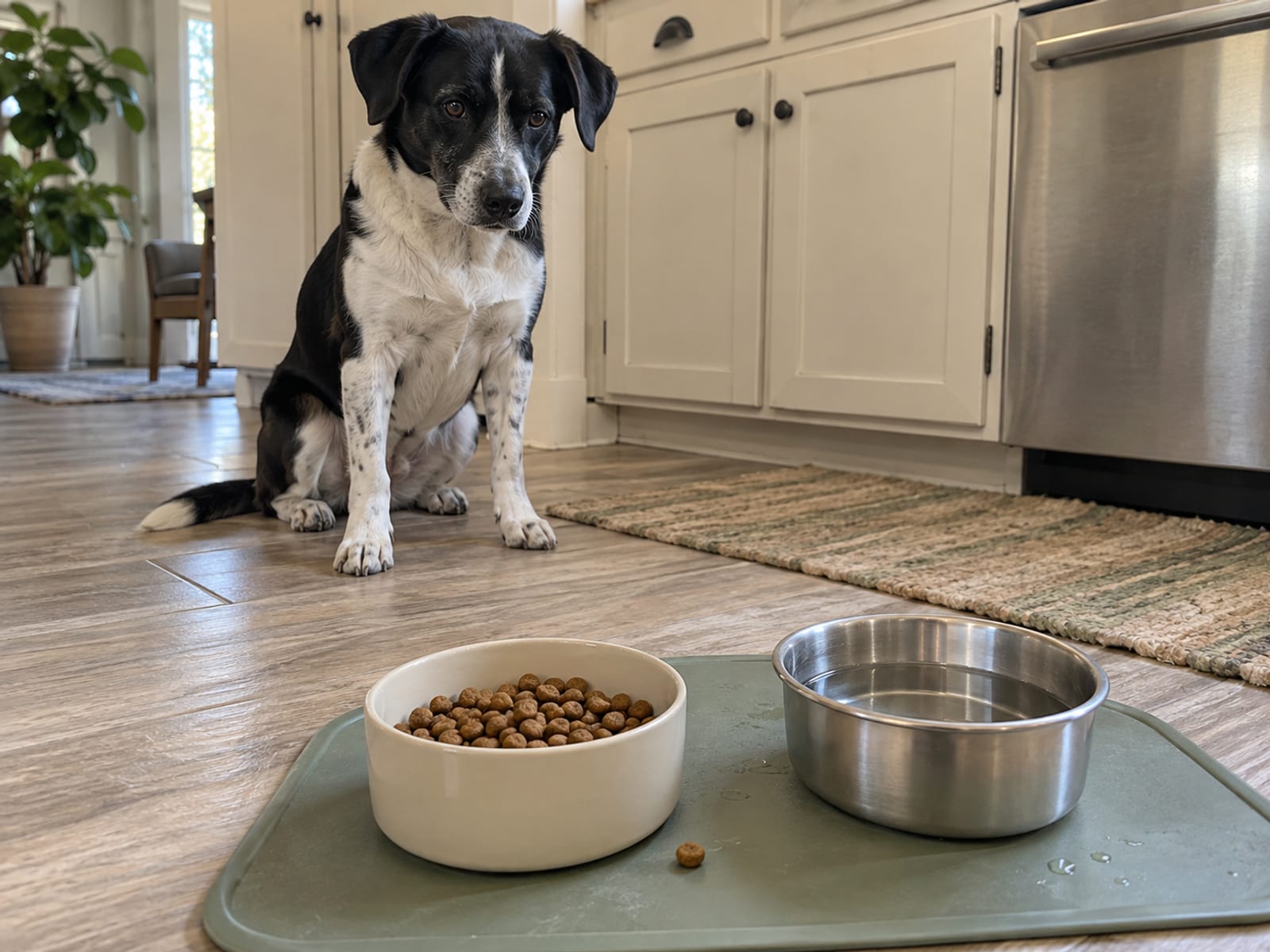
Check what you learned
Quick check: is my dog healthy?
Questions about a healthy dog
What are the signs of a healthy dog?
A steady appetite and thirst, a normal toilet routine, usual energy and movement, quiet breathing at rest, clear eyes, clean ears, gums that look normal for your dog, healthy skin and coat, and a stable weight. The key is that these stay normal for your dog.
What are the signs of an unhealthy dog?
Changes from your dog's normal: eating or drinking more or less, changes in peeing or pooping, low energy, limping, fast breathing at rest, pale or unusual gums, a new cough, discharge from eyes or ears, new lumps, or behavior changes. Breathing trouble, collapse or a swollen belly with retching are emergencies.
What is a normal temperature for a dog?
About 101 to 102.5 F (Merck) or 100 to 102.5 F (VCA), measured rectally. VCA advises calling your vet below 99 F or above 104 F.
What is a normal breathing rate for a sleeping dog?
VCA gives 15 to 30 breaths a minute for a dog asleep or calmly resting. A rate that stays over 30 is increased, and your vet should hear about it.
Is a dry nose a sign my dog is sick?
No, not on its own. A dry or warm nose does not necessarily mean illness, and a wet nose does not prove health. Look at the whole dog, and use a thermometer if you are worried about fever.
How often should a healthy dog go to the vet?
At least once a year. AAHA suggests every 3 to 4 weeks for puppies during their vaccine period, every 6 to 12 months for adults, and at least every 6 months for seniors.
Can I give my dog Pepto-Bismol or Imodium for diarrhea?
Not unless your vet tells you to. Cornell warns they can harm some dogs or interact with other medicines.
Start with a baseline today
Tonight, count your dog's breathing while they sleep, lift a lip to see their gum color, and jot down what they ate and drank. That note is the most useful thing you can bring to your next vet visit. If something already worries you, trust that and call your vet. For anything your dog may have eaten, check Can My Dog Eat, and for other questions, reach me through the contact page.
Sources
- American Animal Hospital Association: AAHA
- American Animal Hospital Association: AAHA
- American Kennel Club: AKC
- ASPCA: ASPCA
- Cornell University College of Veterinary Medicine: Cornell
- Cornell University College of Veterinary Medicine: Cornell
- Cornell University College of Veterinary Medicine: Cornell
- Merck Veterinary Manual: Merck Veterinary Manual
- VCA Animal Hospitals: VCA: breathing rate
- VCA Animal Hospitals: VCA: temperature
- VCA Animal Hospitals: VCA