
Dog Body Language: How to Read Stress, Fear and Comfort, and What to Do
By Cal Hewitt · Published
Training
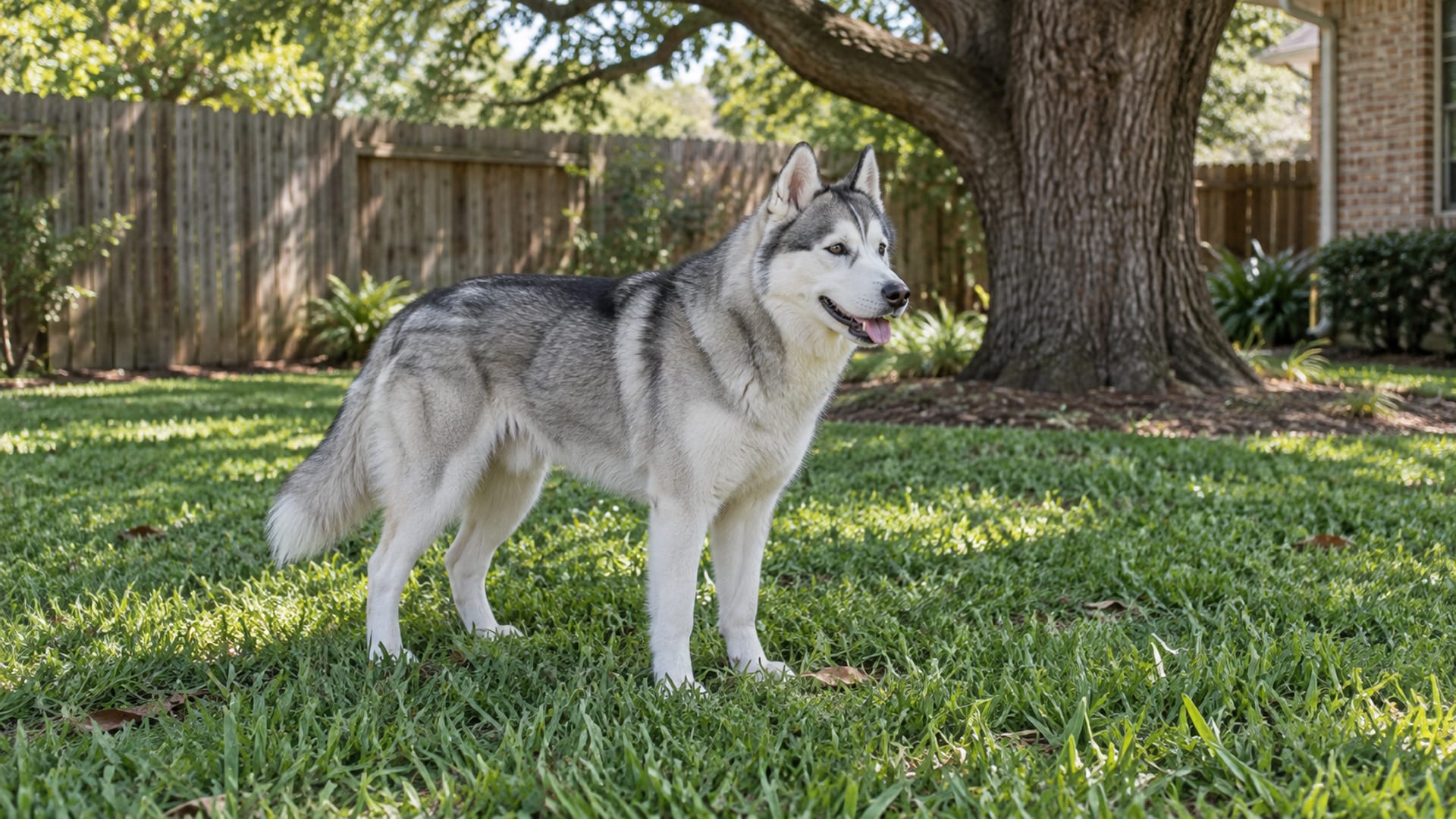
Your dog goes still when a child leans in for a hug. A visitor reaches down, and your dog licks their lips and turns their head away. Or two dogs meet on a walk and something about it feels off. You want to know what your dog is telling you, and whether someone is about to get snapped at.
If it is happening right now, end the moment calmly and make space. Call your dog away in a cheerful voice, lead the child or visitor back, or put a door or gate between them. Freezing, a hard stare, a stiff body, a lifted lip or a growl all ask for distance. Give it, and do not scold the growl. You can sort out what it meant once everyone is apart.
The guidance below comes from the American Veterinary Society of Animal Behavior (AVSAB), the Merck Veterinary Manual, Cornell University's College of Veterinary Medicine, the American Veterinary Medical Association (AVMA) and the American Animal Hospital Association (AAHA), linked in each section.
Key takeaways
Tap a card to bring it forward.
- Read the whole dog: tail, ears, eyes, mouth and posture together, plus what is happening around them.
- Early stress signs are small: turning away, lip licking, yawning, freezing, ears back, a low or tucked tail.
- A wagging tail means your dog is aroused or engaged. It does not on its own mean they want to be touched.
- A growl is a warning. Punishing it can make a dog warn less before they bite.
- Never leave a baby or small child alone with a dog, including your own.
- A new or sudden change in your dog's body language can be pain. That is a reason to call your vet.
If your dog looks uncomfortable right now
Stop the interaction at the first cluster of worried signals. You do not need to know why yet.
- Make distance. Call your dog away, walk the other person or dog off, or use a door, gate or leash held loosely. Do not make your dog put up with a greeting to be polite.
- Give your dog a way out. A fearful dog may try to avoid or leave, and can become aggressive if escape is blocked, including when they are on a leash, cornered or held, according to the Merck Veterinary Manual.
- Stay calm and skip the punishment. Yelling, pinning a dog down or a leash jerk adds fear to a scared dog. Merck says confrontational dominance techniques and verbal discipline more often increase fear, anxiety and aggression.
- Keep it from happening again while you work out the cause. Keep children and other dogs away from your dog's food, chews, bed and resting spots, and away from whatever set this off.
- Write down what happened. What happened just before, who was there, how close, how long, which signals you saw, and whether food, a toy, heat, tiredness or pain could be involved. A short video from a safe distance helps your vet, but never stage or stretch out a stressful moment to film it.
Read the whole dog at once
No single signal has one fixed meaning. AVSAB says the tail, face and whole-body posture read together give the clearest picture, and the Merck Veterinary Manual describes dogs communicating through visual signals, sounds, scent and touch. Breed, a docked tail, naturally upright or floppy ears, an injury and the situation all change what you can see.
Tap or hover a row to highlight it.
| Body part | Often seen with comfort | Often seen with stress, fear or a warning |
|---|---|---|
| Body partTail | Often seen with comfortA loose, sweeping wag that moves the whole back end, with a soft face | Often seen with stress, fear or a warningHigh and still, or a high, short, stiff wag (arousal or a threat display); low or tucked (fear or wanting to withdraw) |
| Body partEars | Often seen with comfortHeld naturally and free to move | Often seen with stress, fear or a warningPulled back or flat (fear, anxiety or appeasement); forward with a fixed, tense body (focused arousal) |
| Body partEyes | Often seen with comfortSoft eyelids and a relaxed face | Often seen with stress, fear or a warningLooking away; a hard, long stare with a stiff body (a warning); the whites of the eyes showing while the head turns away ("whale eye") |
| Body partMouth | Often seen with comfortRelaxed and slightly open | Often seen with stress, fear or a warningClosed and tight, lip licking away from food or water, a lifted lip, teeth showing, a deep growl |
| Body partBody | Often seen with comfortLoose, curved, weight balanced; a play bow in play both dogs keep choosing | Often seen with stress, fear or a warningLow and crouched, weight shifted back, trembling, trying to leave; or still, tall, leaning forward and tense |
| Body partYawning | Often seen with comfortWaking up or tired | Often seen with stress, fear or a warningIn a social or unfamiliar situation, often a sign of stress or anxiety |
Some of these have ordinary explanations. Panting can be heat, exercise or pain as well as stress. Lip licking after a meal is just lip licking. Raised hackles show arousal, which can go with excitement as easily as fear. Some dogs show the whites of their eyes more because of the shape of their face. That is why the situation, and what is normal for your own dog, matter as much as the signal.

Early signs of stress and fear
The signs that come first are small and easy to miss. Cornell University's College of Veterinary Medicine lists lowered ears, lip licking, panting, shaking and visible eye whites among the signs of an anxious dog. Watch for:
- Slowing down or going still
- Turning the head or body away, or avoiding eye contact
- Lip licking or yawning when your dog has not just eaten or woken up
- A lifted front paw
- Sudden sniffing or scratching that does not fit the moment, or shaking off when dry
- A lowered body, ears back, a low or tucked tail
- Panting when it is not hot and your dog has not been active
- Trembling, whining, scanning the room, or moving away
- Refusing a treat your dog would normally take
One of these on its own, in a relaxed dog, may mean nothing. Two or three together, in a situation that could be stressful, is your cue to step in.
How warnings can build toward a bite
Trainers often teach these signals as a ladder that climbs from mild to serious. It is a teaching model, and real dogs can skip steps or jump straight to a later one. A rough order:
- Discomfort and avoidance: turning away, lip licking, moving off
- More tension, or freezing
- A hard stare, a stiff body, raised hackles, a lifted lip or teeth showing
- A growl, bark or lunge
- An air snap
- A bite that makes contact
Dogs whose earlier warnings were punished may show fewer of them, which is why a growl deserves thanks rather than a correction. Treat a freeze around a child or another dog as the moment to step in. Merck describes aggression as an action in a particular context, not a personality, and names fear as its most common motivation.
If your dog already growls, snaps, lunges, guards things or has bitten, that needs a treatment plan from a professional. DW Dog Training's guide to aggressive dog behavior covers that work, and your vet should check for pain first.
Dogs and children: greetings and supervision
Children need an adult actively watching every time they are with a dog, including the family dog. The AVMA says never to leave a baby or small child alone with a dog, to give the dog a safe place where no one bothers them, and not to force interaction.
With an unfamiliar dog, the default is no greeting. An adult asks the owner first and accepts a no without argument. Leave a dog alone when they are behind a fence, in a car, tied up, eating, sleeping, injured, caring for puppies, or holding a toy or chew.
When the owner says yes:
- Stand side-on, do not lean over, and do not stare.
- Keep hands low and still, and let the dog choose whether to come over and sniff.
- Do not reach over the head, hug, kiss, put a face near the dog's muzzle, hold the dog, or follow a dog who turns away.
- If the dog stays loose and leans in for more, a short pet on the shoulder or chest is fine. Then pause and see whether they ask for more.
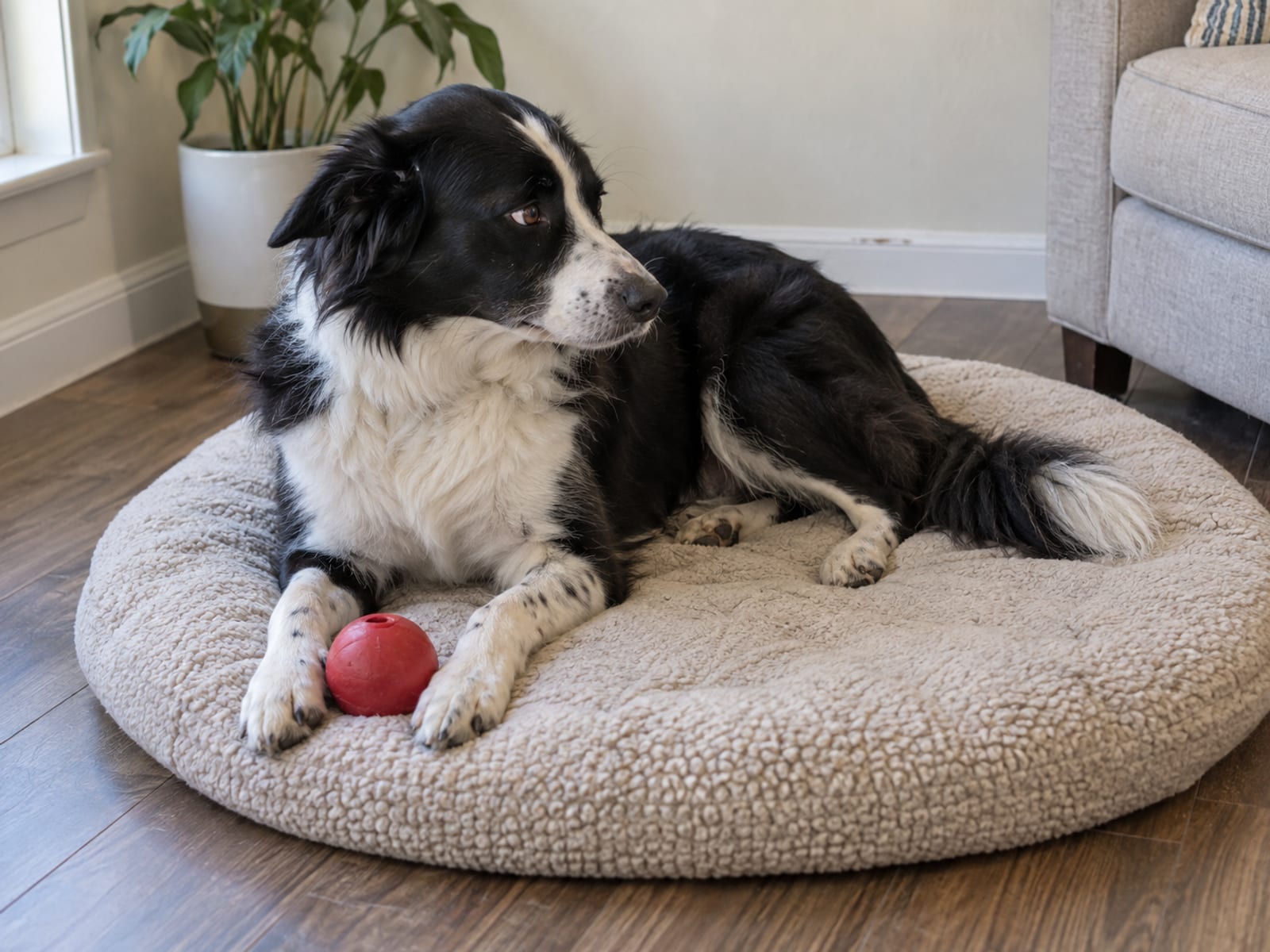
- Stop and make room at a turn-away, a freeze, a lip lick, a tight mouth, whale eye, ears back or a step back.
What to teach children: enjoy unfamiliar dogs from a distance. Do not run, scream, chase, hug, climb on or ride a dog, pull ears or tails, touch a dog who is resting or eating, take things from a dog, or reach through fences. An adult decides whether any contact happens, and separates them at the first stress signal.
Teaching children about dog signals can help them read dogs. A 2015 study of 70 children aged 3 to 5 found a short lesson improved their ability to judge how a dog was feeling. It did not measure bites, so adult supervision still does the protecting.
The wagging tail, the belly roll and the guilty look
Three signals get read one way when they can mean several things, and the reading changes what you do next.
A wagging tail. A wag can go with friendly excitement, uncertainty, defensive arousal or a threat. Look at how high the tail is, how fast and wide it moves, how stiff the body is, and the face. Researchers have found that the direction of a wag can relate to what the dog is reacting to, according to a 2024 review, but that is not a safety test to use at home. Walk away from a stiff, high or fast wag.
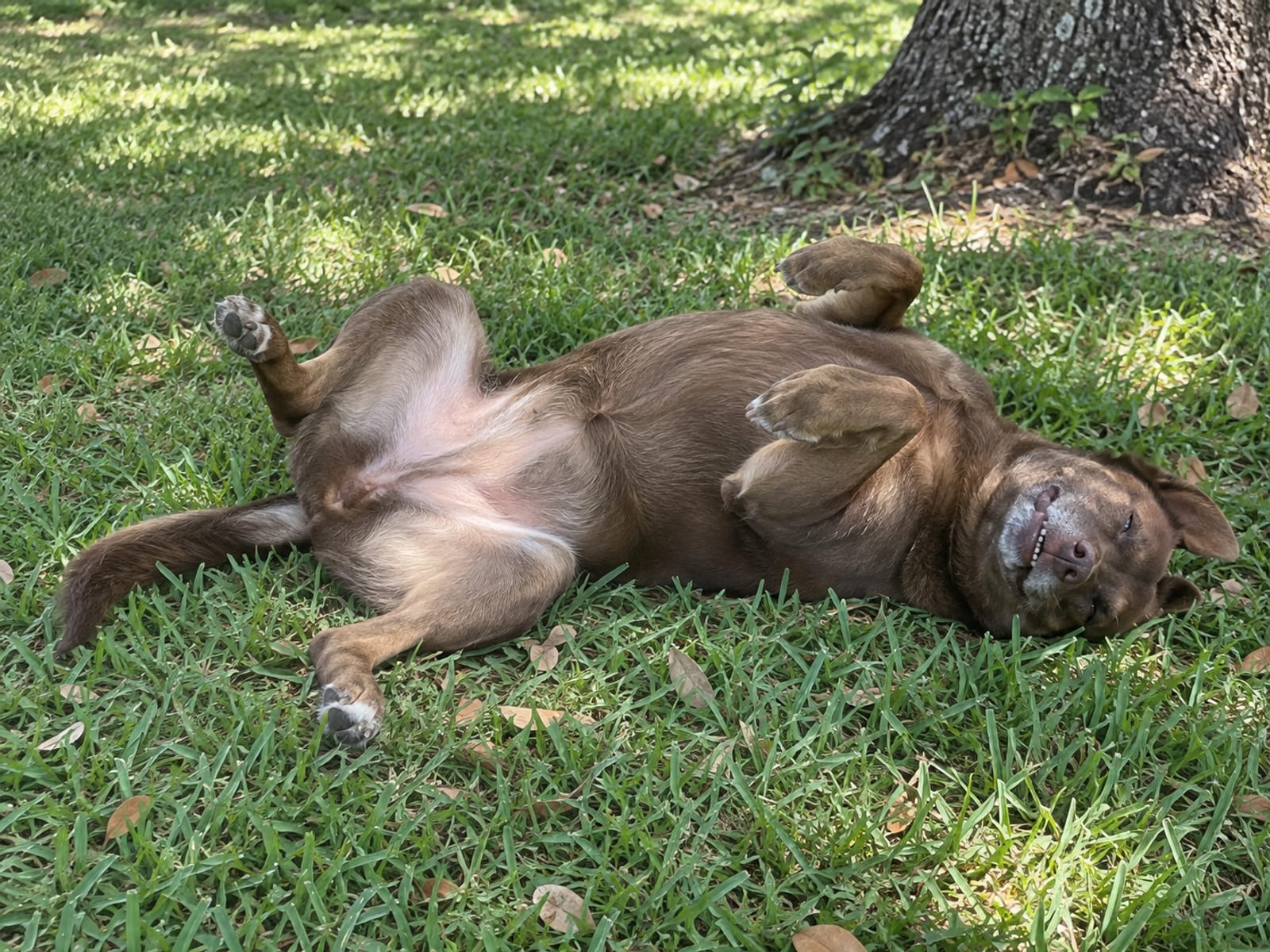
Rolling onto the back. In a loose, wiggly dog it can be an invitation. In a dog who is still, tense or looking away, it can be fear.
The "guilty" look. When you come home to a mess and your dog slinks off with ears back, it looks like guilt. In a controlled study by Horowitz, what the owner believed had happened affected the "guilty" behavior more than whether the dog had actually disobeyed. The look fits a dog responding to your posture and tone. Clean up without scolding, and change the setup so it does not happen again. Dog training mistakes covers why punishment after the fact backfires.
When a change in body language means a vet visit
A change in how your dog acts can be the first sign that something hurts. AAHA calls behavior change a main sign of pain in pets.
Tap or hover a row to highlight it.
| What you see | What to do |
|---|---|
| What you seeAny change in behavior along with trouble breathing, blue, purple or pale gums, collapse, a seizure, severe pain, an injury, heavy bleeding, not being able to stand, retching with nothing coming up, a swollen or painful belly, severe vomiting, bloody or black diarrhea, facial swelling, trouble peeing, or something toxic eaten | What to doEmergency clinic now (Cornell's emergency list) |
| What you seeA new, lasting, worsening or unexplained change: touchiness, new fear or irritability, hiding, growling at people, eating less, stiffness, panting at rest, whimpering, licking one spot, accidents, sleep changes or confusion | What to doBook a vet visit soon |
| What you seeOne brief signal with an obvious reason, such as a yawn on waking, a lip lick after food, or panting after exercise that settles with rest, in a dog who is otherwise normal | What to doWatch at home, remove the stressor, and note it. If it repeats or other signs appear, book a visit |
The emergency signs in the first row come from Cornell University Hospital for Animals. If you are unsure which row you are in, call your clinic and ask.
If your dog may have eaten something toxic, do not wait for their behavior to change. Call your vet, ASPCA Animal Poison Control (888) 426-4435, or Pet Poison Helpline (855) 764-7661. The Can My Dog Eat lookup covers common foods.
"My dog has always done this" can be true for a stable, normal habit, like a yawn on waking. What counts is your own dog's usual behavior. It stops being reassuring when the behavior is new, happens more often, shows up in a new situation, or comes with stiffness, avoidance, growling, a snap, or changes in eating, sleep, movement or toileting. Merck says a physical problem, especially pain, has to be ruled out in any behavior problem. Keeping notes on what normal looks like for your dog, as Signs of a Healthy Dog suggests, makes those changes easier to spot.
Puppies, senior dogs and dogs with health problems
Puppies. AVSAB's puppy socialization position statement (first issued in 2008) calls the first three months the most important period for socialization, and says owners of puppies showing fear should get veterinary guidance. New experiences should be positive and paced to the puppy. Being small and playful does not make a puppy safe for rough handling by children, and normal puppy mouthing is not an invitation to rough play.
Senior dogs. AAHA's senior care guidance notes that pain, failing eyesight or hearing, and changes in thinking can bring on new fear, irritability, anxiety, aggression, confusion, sleep changes and accidents. It says sudden aggression or irritability in an older dog warrants an appointment, in AAHA's guide to senior pets. Get the change checked rather than putting it down to age.
Small and large dogs. The signals do not mean different things by size. Size changes how much harm a bite can do and how easily you can move the dog away. What does change reading is body shape: cropped ears, a docked tail, a short face or a heavy coat can hide signals, so look harder at the rest of the body.
Dogs with health problems. Pain and stiffness lower a dog's tolerance for handling, hearing or sight loss can make a dog startle more, and breathing problems or heat can cause panting. These are reasons to have a sudden change checked by your vet. A facial expression cannot tell you which one it is.

Getting help from your vet, a trainer or a behaviorist
Call your vet promptly if a signal is new, getting worse, aimed at people or other animals, involves a snap or bite, or might be pain. Your vet can check for medical causes and point you to the right behavior help. For serious or complex cases, the American College of Veterinary Behaviorists directory lists board-certified veterinary behaviorists.
For day-to-day handling, use reward-based methods. AVSAB's humane training position statement recommends only reward-based training, including for behavior problems. Positive reinforcement training explains how that works in practice. Avoid alpha rolls, pinning, forced submission, intimidation, leash jerks, shock or prong collars, and taking food or a valued item straight from a tense dog. Merck notes that a dominance hierarchy does not describe how dogs relate to the people they live with.
A dog who seems to ignore you may be worried rather than defiant; Training a Stubborn Dog looks at what often sits behind that. And if the stress signs show up mainly when you leave the house, read dog separation anxiety next.
Check what you learned
Quick check: reading your dog
Questions about dog body language
Does a wagging tail mean a dog is happy?
A wag means your dog is aroused or engaged. It can happen when a dog is friendly, nervous or about to warn. Read the tail with the body, face and situation, and give space to a stiff, high or fast wag.
What does whale eye mean in dogs?
The whites of the eyes are showing, often while the dog turns their head away but keeps watching. In a tense moment it can mean anxiety or discomfort. Treat it as a reason to ease off, not as a diagnosis.
Why does my dog lick their lips or yawn when I pet them?
After food or when tired, it is ordinary. Outside those moments, lip licking and yawning are among the signs dogs show when stressed or anxious, so pause the petting and see whether your dog asks for more.
Should I punish my dog for growling?
Stop the interaction and make things safe instead. Punishment and confrontational handling can increase fear and anxiety, and can teach a dog to skip the warning.
Can my child hug our dog?
Even a family dog may not enjoy a hug, and a hug puts a child's face right next to the dog's. The AVMA advises against letting a child hug an unfamiliar dog and says never to leave a baby or small child alone with any dog. Teach gentle, brief petting that the dog chooses, with an adult watching.
When does a change in behavior need a vet?
Book promptly for any new, lasting, worsening or unexplained change, especially touchiness, stiffness, new fear or aggression, confusion, or changes in eating or sleep. Go to an emergency clinic now for breathing trouble, collapse, seizures, severe pain or anything toxic eaten.
Where to start today
Spend a few minutes watching your dog when they are relaxed: how they hold their tail and ears, how their mouth looks, how they lie down. That is your baseline, and it makes the small signs easier to catch. The next time a visitor or child comes over, set up a quiet spot your dog can go to, and let your dog decide whether to say hello.
If a change worries you, your vet is the first call. To find a vet or a reward-based trainer near you, search the DogServ directory. You can also reach me through the contact page.
Sources
- American Animal Hospital Association: AAHA's guide to senior pets
- American Animal Hospital Association: AAHA
- American College of Veterinary Behaviorists: American College of Veterinary Behaviorists
- American Veterinary Medical Association: AVMA
- American Veterinary Society of Animal Behavior: AVSAB
- American Veterinary Society of Animal Behavior: AVSAB
- American Veterinary Society of Animal Behavior: humane training position statement
- Cornell University College of Veterinary Medicine: Cornell University Hospital for Animals
- Cornell University College of Veterinary Medicine: Cornell University's College of Veterinary Medicine
- DW Dog Training: aggressive dog behavior
- Merck Veterinary Manual: Merck Veterinary Manual
- Merck Veterinary Manual: Merck Veterinary Manual
- PubMed: 2015 study
- PubMed: Horowitz
- PubMed Central: 2024 review