

Dog Allergies: Signs, Causes and What to Do When Your Dog Won't Stop Scratching
By Cal Hewitt · Published , updated
Health

A dog that won't stop scratching, licking its paws, chewing its skin or getting ear infections may have an allergy, but fleas, mites, and bacterial or yeast infections can cause the same signs. The main allergy types are flea, environmental, food and contact allergy, and a veterinarian sorts them out with an exam, parasite checks, skin and ear cytology and, when it fits, a strict elimination diet. If your dog has facial swelling, trouble breathing or has collapsed, go to an emergency vet now. Painful ears and torn-open skin need a vet visit soon.
If the scratching woke you up again tonight, I get why you're tired and worried. What follows is in the order you'll need it.
Key takeaways
Tap a card to bring it forward.
- Facial swelling, breathing trouble or collapse is an emergency; painful ears and open wounds need a prompt vet visit.
- Itching, paw licking, face rubbing and repeat ear infections point toward allergy, but fleas, mites and infections look the same.
- The four main types are flea, environmental, food and contact allergy, and they often overlap.
- Food allergy is confirmed only with a strict elimination diet, commonly 8 to 12 weeks, followed by a food challenge.
- Blood and skin tests do not diagnose allergy on their own, and saliva, hair and home kits are not reliable.
- Most allergic dogs are managed long term, so plan for flares and ongoing care rather than a one-time fix.
When should you take an itchy dog to the vet right away?
The emergency signs are facial swelling, breathing difficulty, collapse, or vomiting or diarrhea along with what looks like a sudden allergic reaction. The MSD Veterinary Manual's owner guidance on anaphylactic reactions covers these as emergency warning signs, and I'd head straight to the nearest emergency vet.
A prompt visit, within a day or two, is right for skin your dog has chewed or scratched open, a rash that is spreading fast, ears that are painful, swollen, smelly or leaking discharge, a head tilt, and a dog that can't sleep or eat normally because of the itch.
Steady itching, returning paw licking or ears that flare every few months still deserve a routine appointment. AAHA guidance is clear that repeated ear infections, severe itch, wounds, hair loss, odor or lost sleep call for a veterinary exam rather than months of trying things at home. Our guide to the signs of a healthy dog has a home check if you want a baseline before you call.
What dog allergies usually look like, and what else causes itching
Allergies in dogs mostly show up in the skin. UC Davis lists persistent itching, paw licking or chewing, face rubbing, hair loss, rashes, and repeat skin or ear inflammation as the usual signs. Sneezing is less typical than skin signs.
Where your dog itches gives the vet clues. The Merck Veterinary Manual lists the face, ears, armpits, groin, belly and feet as common areas for environmental allergy. Flea allergy tends to hit the lower back, tail base, hind legs and belly instead, per Merck's page on flea allergy dermatitis.
The hard part is that allergy isn't the only thing that looks like this. Fleas, mites, bacterial skin infections, yeast infections and other skin diseases can all cause the same scratching and licking. A checklist can raise a suspicion, but getting from suspected allergy to a confirmed diagnosis is the vet's job.

Which kind of allergy might be involved: flea, environmental, food or contact?
Veterinary sources group dog allergies into four practical types. They overlap, and a dog can have more than one, so treat these as possibilities to raise with your vet.
Flea allergy
Flea allergy dermatitis is a reaction to proteins in flea saliva. You don't have to see fleas for this to be the problem; Merck explains that a sensitive dog can react strongly even when fleas are hard to find. Steady flea control is part of both diagnosis and management; our article on how to get rid of fleas on your dog and in your house covers the how-to.
Environmental allergy (atopic dermatitis)
Environmental allergy, which vets call atopic dermatitis, is a reaction to things like pollens, molds and dust mites. It brings chronic or recurring itch, paw licking and face rubbing, and it can be seasonal when outdoor pollen or mold is the trigger, or year-round when it's indoor dust mites or mold.
Food allergy
Food allergy can cause itching, hair loss, repeat bacterial or yeast skin infections and repeat ear infections. The signs overlap heavily with environmental allergy, and Merck's 2025 review of food allergy notes that a dog can react to any dietary protein and possibly to a carbohydrate source. It's also less common than many owners assume. One veterinary dermatologist quoted by UC Davis in 2026 said food allergy was diagnosed in 20% or less of the dogs and cats they see. That's one clinic's experience, not a national figure.
Contact allergy
Contact allergy is less common. It happens where skin touches a substance, such as a topical product, a plant or a material, and may cause irritation in those spots. The pattern isn't specific enough to diagnose at home, so mention any link you've noticed to your vet.
Why do the ears and skin keep getting infected?
The ear clears, then comes back weeks later. UC Davis explains the cycle. Allergic inflammation damages the skin barrier, the dog scratches, licks and chews, and that causes more damage. Bacteria and yeast that normally live on the skin and in the ears then overgrow, which causes infection and even more itch.
Signs that an infection has joined the allergy include more redness, odor, greasy or crusty skin, hair loss, pimple-like bumps, moist sores, dark or unusual ear discharge, head shaking, ear scratching, pain when touched, swelling or a head tilt. According to AAHA's 2023 guidelines, treating the itch without dealing with the infection can leave the dog uncomfortable.
Repeat ear infections need a real workup because the allergy underneath may still be uncontrolled, the ear canal may have narrowed or been damaged, and other conditions can mimic allergy. UC Davis notes that some chronic cases need video otoscopy or a CT scan. Our guide on how to clean your dog's ears safely covers routine cleaning and when to call instead.

How a veterinarian works out the cause, including the food elimination diet
Expect your vet to ask when the itching started, whether it changes with the seasons, where on the body it shows up, what your dog eats (treats included), what medications it's had and how it responded. A short diary of seasons, walks, food, treats and flares helps.
After the physical exam, AAHA's 2023 guidelines recommend a basic set of skin tests: skin cytology (looking at skin cells under a microscope for bacteria and yeast), flea combing, skin scrapings for mites, and ear cytology when the ears are involved. A strict flea-control trial may also be used to check for flea allergy. If food allergy, flea allergy and non-allergic skin disease are ruled out, AAHA's client guide says environmental allergy becomes the working diagnosis.
When food allergy is suspected, the reliable method is a strict elimination diet using a veterinary therapeutic diet, either a novel protein your dog hasn't eaten before or a hydrolyzed diet where the proteins are broken down. Veterinary references commonly describe 8 to 12 weeks for skin signs, and Merck's August 2025 review says at least 10 weeks may be needed to identify 95% of food-allergic dogs.
Strict really means strict. Treats, chews, table scraps, flavored supplements, flavored medications and food shared with another pet can all spoil the trial. If signs improve, the vet then reintroduces the old food in a controlled challenge. Merck notes that a reaction may show up within hours or days, but can take up to 10 to 14 days. That rechallenge is what confirms food allergy. A casual switch to a new bag isn't the same test, so I'd plan the trial with your vet first.
What blood, skin, saliva, hair and home tests can and can't tell you
Environmental allergy blood tests and intradermal skin tests don't diagnose allergy on their own. Merck explains that these tests show exposure or sensitization, so a positive result isn't proof of allergy. Their main job is choosing which allergens to include in allergy shots or drops after the vet has already diagnosed environmental allergy.
Food allergy testing is weaker still. Merck's food allergy review states that saliva tests, hair analysis and other marketed tests don't reliably match how a dog actually reacts to food. UC Davis says there is no accurate lab test for food allergy in pets, per its Allergies in Pets page.
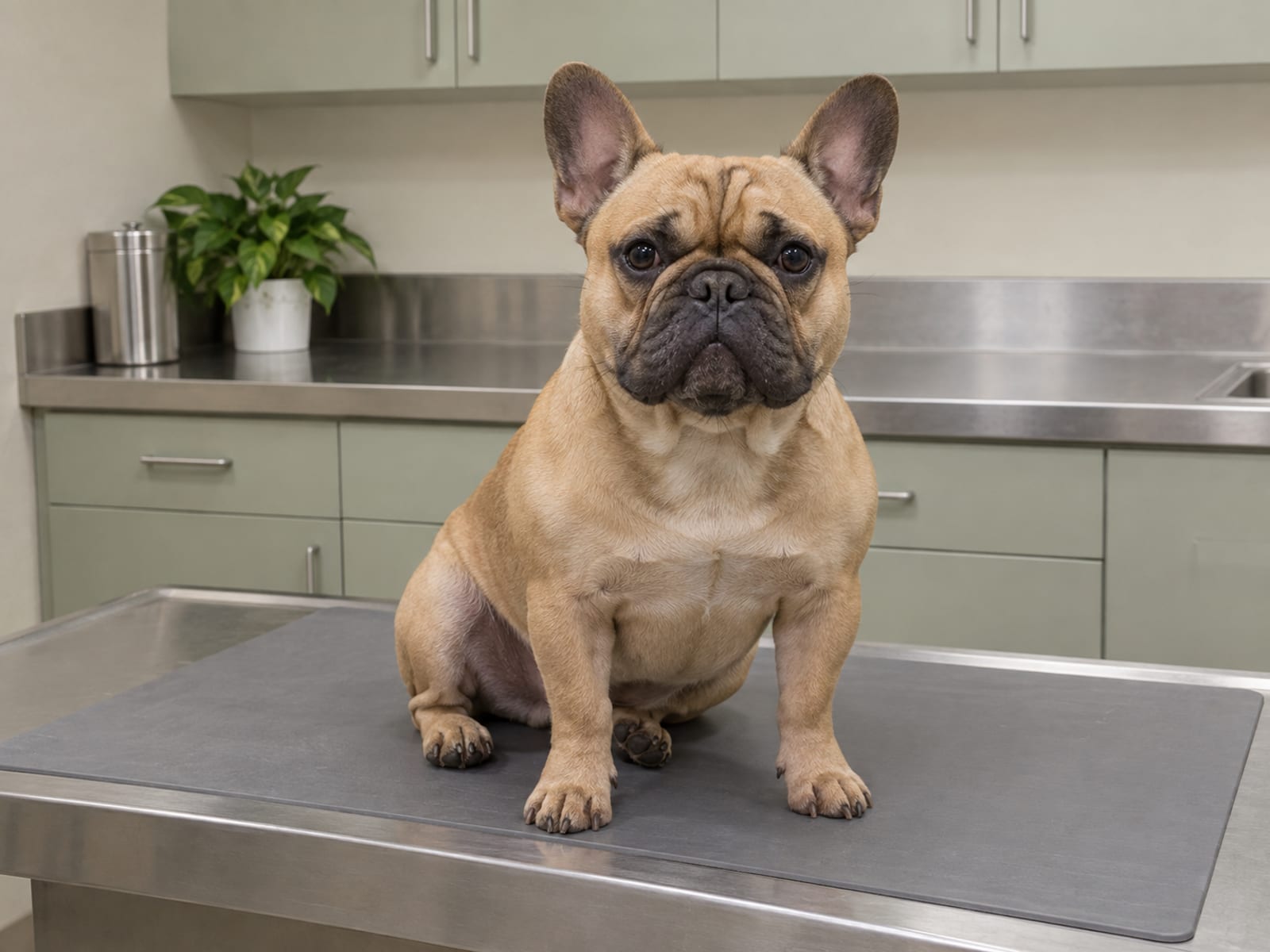
The treatment classes a veterinarian can consider
Your vet picks treatment based on the diagnosis, severity, any infection, and your dog's age and other health conditions. I'm not a veterinarian, so these are the options without doses; those come from your vet.
- Oclacitinib is an oral drug that controls allergic itch and inflammation. It manages the signs but doesn't remove the trigger.
- Lokivetmab is an injected antibody that blocks an itch signal called IL-31. Merck describes it as quick to start working and used for both flares and chronic atopic dermatitis.
- Corticosteroids reduce inflammation and itch, especially during flares, but carry side effects that matter for long-term use.
- Antihistamines help some dogs, mostly as prevention or as an add-on. AAHA notes that results vary and they are often not enough for severe itch.
- Allergen-specific immunotherapy, given as shots or oral drops, slowly trains the immune system to react less. It's a long-term approach and doesn't work right away for every dog.
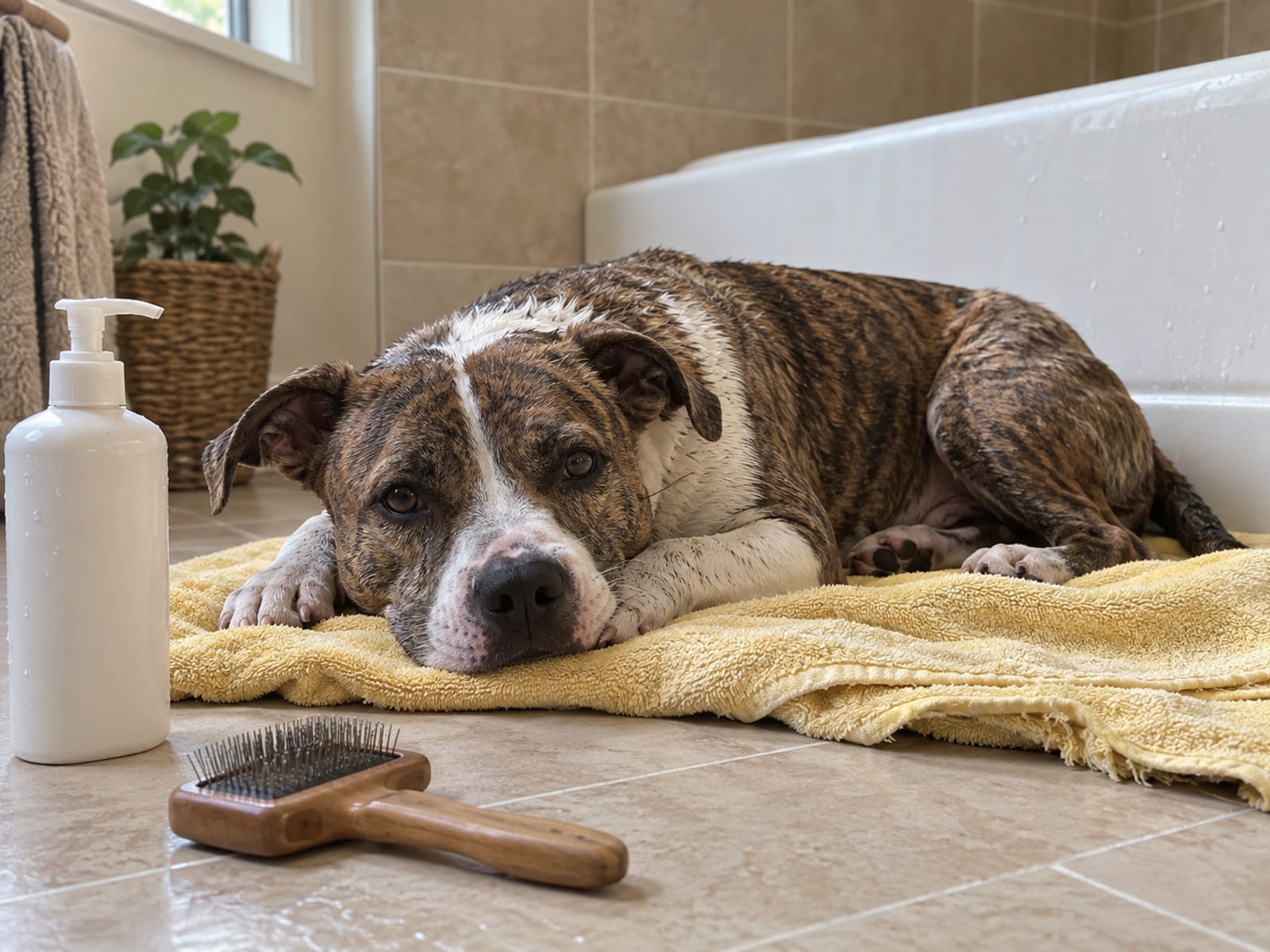
- Medicated or moisturizing baths can remove allergens from the coat, support the skin barrier and help with bacteria and yeast when the right product and schedule are used.
- Omega-3 fatty acids may support the skin barrier and calm inflammation as one piece of the plan, not as the whole answer.
Most allergic dogs do best with several of these together. AAHA's 2023 guidelines call this a multimodal approach, and no single option works for every dog.
What you can safely do at home today
- Stop the damage. If your dog is breaking the skin, a properly fitted cone or another vet-approved barrier can buy time.
- Wipe or rinse paws and coat after walks if outdoor time seems to set off flares.
- Wash bedding regularly and cut down obvious irritants in the house.
- Use only dog shampoos or medicated products that fit your dog's condition, and don't over-bathe, since too much bathing can dry and irritate skin.
- Keep flea prevention current as your vet directs.
- Book the vet visit if the itching is persistent, severe, keeps coming back or is costing either of you sleep.
The sources behind this page don't support essential oils, undiluted vinegar, alcohol, bleach, human creams, leftover antibiotics or steroids, or human allergy pills without a vet's direction. Coconut oil, apple cider vinegar and "natural" allergy remedies lack good veterinary support as general treatments and can irritate skin or encourage more licking. Please don't put anything into a painful or inflamed ear that your vet hasn't approved. If your dog has already been given a human product or home remedy and you're worried it could be toxic, our Dog Toxin Dose Checker can help you judge whether to call a vet or poison control.
Living with allergies: seasons, long-term care and what it may cost
Environmental allergy can flare when pollens or outdoor molds are high, and it can run all year when dust mites, indoor mold, food allergy or more than one cause is involved, according to Merck. Dogs in the southern United States may face longer pollen and insect seasons than dogs in places with colder winters. Your dog's own history and exposures still matter more than any regional calendar.
The honest limit is that environmental allergy is usually a lifelong condition that gets managed rather than solved. Merck describes a plan that may combine avoiding allergens where you can, itch control, skin support, bathing, infection control and immunotherapy. Flares can still happen when everything is going well.
Costs vary by location, clinic, dog size, infection severity and whether a veterinary dermatologist is involved. These published US estimates are not fee schedules:
- Allergy testing: about $200 to $500, from a 2025 PetMD summary citing Nationwide Pet Insurance.
- Blood testing about $200 to $400, intradermal testing about $300 to $1,000: from a 2026 VetTally cost guide, a commercial estimate.
- Veterinary dermatologist consultation: about $200 to $500, from a 2026 Vetified estimate.
- Food trial: about $150 to $300 for an initial exam plus the first month, and $300 to $600 for a typical 8 to 12 week workup, from a 2025 to 2026 commercial food-trial cost estimate.
Ongoing medication, injections, infection treatment, bath products and immunotherapy can add up over a year, and no reliable national annual figure was found. Ask your clinic for an itemized estimate, and remember that not every dog needs every test.
Questions dog owners ask about allergies
Short answers to the questions that come up most.
How can I help my dog with allergies?
Start by stopping further skin damage, wiping paws after walks, washing bedding and keeping flea prevention current. Then book a vet visit, because lasting relief usually depends on finding the cause and treating any skin or ear infection that has set in.
Is Benadryl or Zyrtec better for my dog's allergies?
Neither should be your call to make at home. AAHA notes that antihistamines work for some dogs but results vary and they're often not enough for severe itch, and the right choice depends on your dog's diagnosis, age, other conditions and whether an infection is present. If an antihistamine fits, give only the product and amount your veterinarian names for your dog.
What are the signs that my dog has allergies?
The common signs are constant itching, licking or chewing the paws, rubbing the face, hair loss, red or thickened skin, and skin or ear infections that keep returning. Nighttime restlessness and head shaking often go along with them. Since fleas, mites and infections cause the same signs, a vet exam is what tells them apart.
Your next step
If your dog has facial swelling, breathing trouble or has collapsed, go to an emergency vet now. For everything else, write down when the itching started, where it shows up, what your dog eats and any pattern with the seasons, then book a visit and ask whether skin cytology, ear cytology, parasite checks or an elimination diet make sense. You can find a veterinarian or an emergency vet near you in the DogServ directory. I can't promise how fast your dog will feel better, but a clear diagnosis is the start of a plan that lets you both sleep again.
Sources
- American Animal Hospital Association: AAHA's 2023 guidelines
- American Animal Hospital Association: AAHA
- Merck Veterinary Manual: flea allergy dermatitis
- Merck Veterinary Manual: Merck Veterinary Manual
- Merck Veterinary Manual: Merck's 2025 review of food allergy
- msdvetmanual.com: MSD Veterinary Manual's owner guidance on anaphylactic reactions
- PetMD: 2025 PetMD summary citing Nationwide Pet Insurance
- spectrumcare.pet: 2025 to 2026 commercial food-trial cost estimate
- UC Davis School of Veterinary Medicine: Allergies in Pets page
- UC Davis School of Veterinary Medicine: UC Davis in 2026
- UC Davis School of Veterinary Medicine: UC Davis
- vetified.co: 2026 Vetified estimate
- vettally.com: 2026 VetTally cost guide