

Dog Ear Infections: Signs, When to See a Vet and What Treatment Involves
By Cal Hewitt · Published , updated
Health
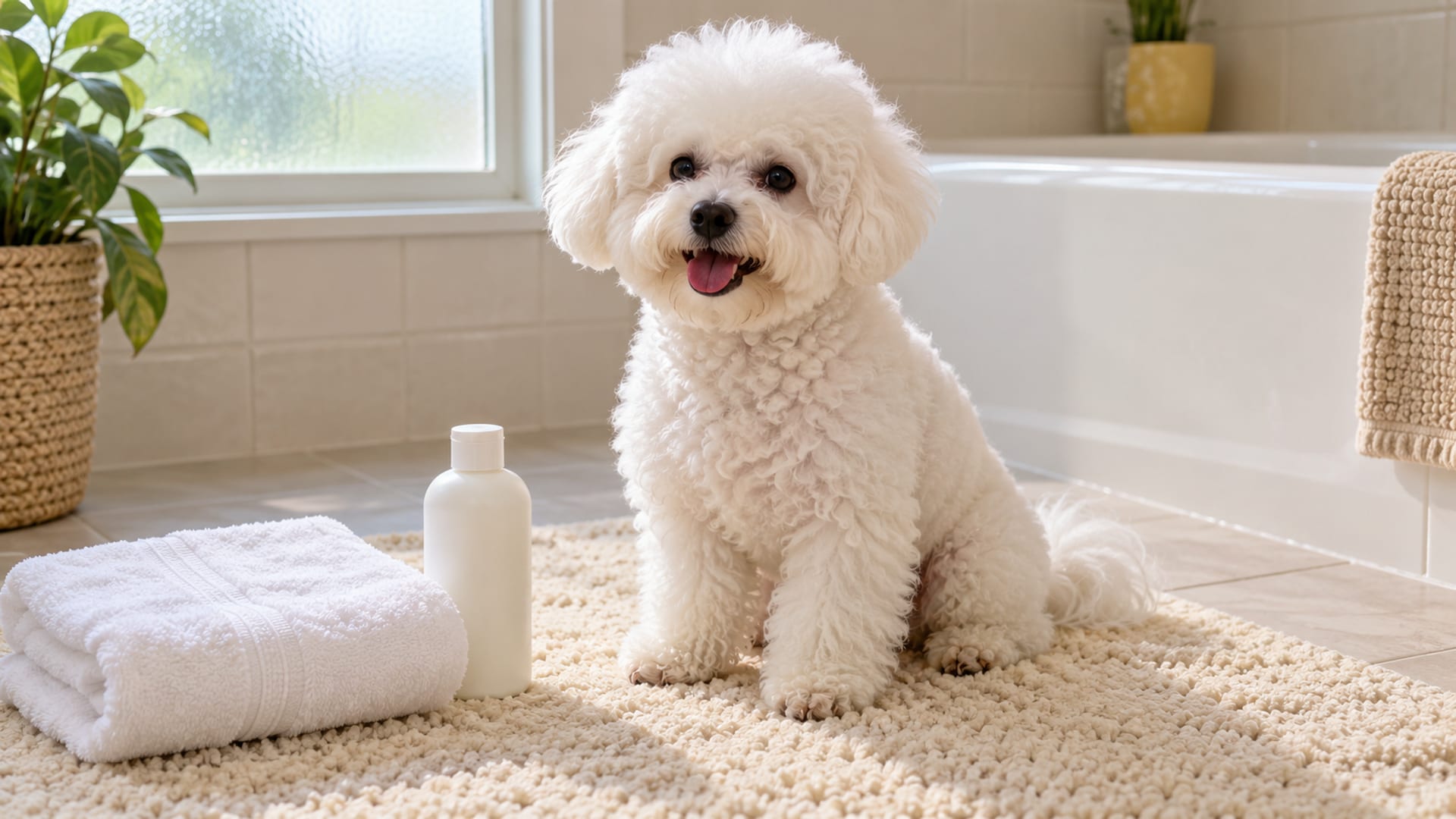
Book a vet visit soon if your dog is shaking the head, scratching an ear, or has ear odor, redness, swelling, pain or discharge. Go the same day if you see a head tilt, loss of balance, falling, odd eye movements, a drooping face, an eye that won't blink, severe pain, or an ear flap that has swollen fast. Most dog ear infections are in the outer ear canal, but allergies, ear mites, a foreign object and other inflammation cause the same signs, so the ear has to be examined to know which it is. Until then, keep vinegar, peroxide, oils and leftover drops out of that ear.
Key takeaways
Tap a card to bring it forward.
- Head shaking, scratching, odor, redness, swelling, pain or discharge means a vet visit soon; a head tilt, balance loss, facial droop or a fast-swelling ear flap means the same day.
- The signs alone cannot tell infection from allergies, mites or a foreign body, so the vet looks in the canal and checks a sample under a microscope.
- Do not put vinegar, peroxide, oils or unprescribed drops in an inflamed ear.
- Acute cases often take 2 to 4 weeks with rechecks; keep going until the vet says the ear is clear, even if it looks better.
- An infection that keeps returning points to an underlying cause such as allergy, and that cause needs to be found.
Do I need a vet today, or is soon enough?
Most ear trouble calls for a prompt appointment, not an emergency hospital. Schedule a visit soon for persistent head shaking or scratching, odor, redness, swelling, discharge, extra wax, crusting, pain when the ear is touched, an ear problem in just one ear, or signs that come back after treatment. A dog who resists eating or opening the mouth because of ear or jaw pain should be seen soon too.
See a vet the same day for any of these, according to the Merck Veterinary Manual:
- A head tilt.
- Loss of balance, falling, circling or trouble walking.
- Abnormal eye movements.
- A drooping face, or an eye that won't blink.
- Severe or quickly worsening pain.
- An ear flap that swells up fast, which may be an aural hematoma, a blood-filled swelling that needs veterinary treatment and should never be drained at home.
- Marked tiredness, fever or reduced appetite along with ear signs.
These signs can mean the middle or inner ear is involved, or that a nerve is affected. If your regular vet is closed, an emergency vet is the right call for them.
What can I safely do at home today?
Not much needs doing, and that is the honest answer. Watch the ear, keep water out of it, and try to keep your dog from scratching it raw. Don't probe the canal: the ASPCA warns that putting objects into the ear can cause injury or infection. If the vet has already told you to clean the ear, my page on how to clean your dog's ears safely covers the steps.
Home remedies deserve a plain answer, because they are what most people try first.
- Vinegar: Merck advises avoiding irritating home remedies such as vinegar mixtures, which can worsen swelling and secretions and raise the risk of infection.
- Peroxide and alcohol: Cornell's veterinary college advises avoiding alcohol or hydrogen peroxide in ear-cleaning solutions.
- Coconut oil and other oils: they are not a treatment for an ear infection and don't replace an exam.
- Drops from a past infection, human ear drops, or store drops picked by discharge color: VCA says the cause has to be diagnosed first, and some medicines can damage hearing if the eardrum has a hole in it. You can't see the eardrum at home.
- Plucking ear hair: routine plucking can inflame the canal, so leave it unless your vet says otherwise.
What does an ear infection look like, and what are outer, middle and inner infections?
Outer ear infection, called otitis externa, is what most owners mean. It involves the canal from the ear opening to the eardrum. Signs include head shaking, scratching or rubbing, itching, pain, redness, swelling, a bad smell, discharge, extra wax, crusting and scaly skin. One or both ears can be affected.
Middle ear infection (otitis media) often develops when an outer ear infection keeps going or a foreign object damages the eardrum. It can look like an outer ear infection, and can also cause pain when opening the mouth, head or neck pain, hearing loss, a drooping face, an eyelid that won't close, dry eye or Horner syndrome. Merck says more than half of dogs with recurring outer ear inflammation turn out to have middle ear disease as well.
Inner ear infection (otitis interna) affects hearing and balance. Look for a head tilt toward the sick side, loss of balance, leaning or falling, tight circling, trouble standing, nausea and rapid, involuntary eye movements called nystagmus.
Deeper infections are less common, but they are the reason a head tilt or a wobble should not wait for a routine appointment.
What causes dog ear infections?
Ear disease usually has a main cause plus infection that piles on top of it. According to Merck, VCA and AAHA, the usual suspects are:
- Allergies, environmental or food, which inflame the canal and let yeast or bacteria overgrow.
- Yeast, mainly Malassezia, a common secondary invader in inflamed ears.
- Bacteria, including Staphylococcus and Pseudomonas.
- Ear mites, which cause intense itching and dark discharge and can look just like an infection.
- Foreign objects such as grass awns, foxtails and seeds, which often cause sudden trouble in one ear and may need sedation to remove.
- Water and moisture after swimming or baths, especially in dogs already prone to ear problems.
- Ear shape: large, floppy, hairy or narrow canals hold moisture and debris. Shape raises the risk but doesn't prove an infection.
- Long-standing inflammation, which can thicken and narrow the canal.
Black discharge doesn't prove mites, and yellow discharge doesn't prove bacteria. Ear mites and infections can look alike, so the color of the wax can't tell you which drops to use. My page on dog allergies explains the itchy-skin side, and hot spots on dogs covers the skin damage scratching can cause around the head.
What will the vet do?
Your vet will ask about swimming, grooming, past infections, allergies and how earlier treatment went. Then the exam usually includes:
- A skin and ear exam, including otoscopy, which uses a lit scope to look at the canal, any foreign material, swelling and the eardrum.
- Ear cytology, where a sample from the ear is looked at under a microscope for yeast, bacteria and inflammatory cells.
- Culture and susceptibility testing for severe, recurring or stubborn bacterial infections, to find out which medicines will work.
- Sedation or anesthesia when pain, debris or swelling makes a safe exam or cleaning impossible while your dog is awake.
- X-rays, CT, MRI, video otoscopy or a small opening in the eardrum when the middle or inner ear may be involved.
The eardrum matters because it decides which products are safe. That is why the exam comes before the drops.
How is it treated, and how long does it take?
Treatment depends on the cause, the location, whether the eardrum is intact, how severe it is and how long it has been going on. Your vet may use a combination of these, as described by Merck, VCA and the American Association of Veterinary Medical Colleges (AAVMC):
- Cleaning or flushing the canal, sometimes under sedation.
- Ear medicine that fights bacteria, yeast or both.
- Anti-inflammatory medicine to calm swelling, pain and itching.
- Treatment for ear mites or other parasites.
- Removal of a foreign object.
- Medicine by mouth or injection when the middle or inner ear or a severe infection is involved.
- Treatment of the underlying allergy or other primary disease.
- Long-acting treatments given at the clinic, in some cases.
Use the product and the amount your vet gives you. I don't give doses, because the right one depends on your dog's ear.
For acute bacterial or yeast infections, the MSD Veterinary Manual says rechecks and repeat cytology may be needed every week or two, and that acute cases often take 2 to 4 weeks. Chronic cases can take months, and some dogs need ongoing care. Middle ear infections commonly need 3 to 6 weeks of treatment, according to Merck.
Finish the course and go to the rechecks, even after the smell and scratching stop. An ear that looks and smells better can still hold yeast, bacteria or inflammation. The recheck exam and cytology are how your vet knows the infection is actually gone, or whether the plan needs to change.
Why does the infection keep coming back?
A returning infection usually means something underneath was never fixed. The usual reasons, from Merck and AAHA:
- An allergy that is still uncontrolled.
- Yeast or bacteria that are still there, or bacteria that resist the medicine.
- Ear mites or another parasite.
- A grass awn or other object left in the canal.
- Narrow, floppy, hairy or swollen canals.
- Moisture from swimming or baths.
- Treatment that stopped early or a recheck that never happened.
- Middle ear disease that keeps feeding the outer ear.
- A canal that has thickened, narrowed, scarred or mineralized after long inflammation.
Cleaning alone doesn't cure a recurring infection when one of these is driving it. Ask your vet, "What is causing this?" If infections keep returning or respond poorly, ask about a deeper-ear evaluation or a referral to a veterinary dermatologist. AAHA says early referral can help prevent chronic scarring, resistant infections and invasive procedures.
To lower the odds, treat the underlying allergy or other cause, dry the ears after swimming and baths, check them regularly for odor, redness, moisture or discharge, clean only the way your vet advises, and use only products chosen for your dog's condition and eardrum.
What might treatment cost?
Prices differ by region, clinic, regular versus urgent care, sedation, one ear or two, medicine, culture, imaging and specialist referral. These are dated ranges and single-clinic examples, not quotes.
Tap or hover a row to highlight it.
| Service | Estimate | Source |
|---|---|---|
| ServiceExam | Estimate$50 to $100 | SourcePetCare Cost Guide, 2026 |
| ServiceEar cytology | Estimate$40 to $80 | SourcePetCare Cost Guide, 2026 |
| ServiceInitial exam plus cytology | Estimate$150 to $250 | SourceVetCostGuide, 2026 |
| ServiceEar medicine | Estimate$50 to $150 | SourceVetCostGuide, 2026 |
| ServiceCulture and sensitivity | Estimate$80 to $200 | SourceVetCostGuide, 2026 |
| ServiceSedated cleaning | Estimate$150 to $300 | SourceVetCostGuide, 2026 |
| ServiceVideo otoscopy | Estimate$200 to $400 | SourceVetCostGuide, 2026 |
| ServiceTotal ear canal surgery (TECA) | Estimate$2,000 to $5,000 | SourceVetCostGuide, 2026 |
| ServiceEar cytology at one clinic | Estimate$48.77 | SourceRed Oak Animal Hospital, 2026 |
| ServiceEar cleaning, flushing and medication at one clinic | Estimate$60 | SourceRed Oak Animal Hospital, 2026 |
The PetCare Cost Guide and VetCostGuide figures are private estimates, and the Red Oak Animal Hospital prices apply to one clinic. Ask your clinic for an estimate before you book, and ask what would change it.
When is surgery considered?
Surgery is for the hard cases: an ear canal that has reached end-stage, is badly narrowed or mineralized, hurts all the time, keeps relapsing, or no longer responds to medical care. AAVMC and AAHA describe two procedures, lateral ear canal resection and total ear canal ablation with bulla osteotomy. Finding the underlying cause and finishing treatment is how you work to avoid it.
Questions owners ask about dog ear infections
Common questions about ear infections in dogs.
Can you treat a dog's ear infection at home?
Not safely without an exam. The cause and the state of the eardrum decide which products are safe, and vinegar, peroxide, oils and old drops can make the ear worse. What you can do at home is watch the ear, keep it dry and get the appointment made.
Will a dog ear infection go away on its own?
Don't count on it. Untreated ear disease can spread deeper, and an infection that comes back was usually never fully resolved. The underlying cause, such as an allergy or a foreign object, stays put until someone finds it.
What if you can't afford a vet visit for an ear infection?
Call two or three clinics and ask for an estimate on the exam and cytology, which is where most of the useful information comes from. Ask what has to happen first and what can wait, and tell them what you can spend so the plan fits it.
When should you take your dog to the vet for an ear infection?
Book a visit soon for odor, discharge, redness, swelling, pain or ongoing scratching. Go the same day for a head tilt, loss of balance, falling, odd eye movements, facial droop, severe pain or a rapidly swollen ear flap.
Your next step
If your dog has any same-day sign, call the vet or an emergency clinic now. If it is head shaking, odor or scratching, make the appointment today, keep the ear dry, and leave the home remedies in the cabinet. Ask your vet what is driving the problem, what the recheck schedule is, and how to keep it from coming back. For a dog that keeps scratching, my page on signs of a healthy dog can help you tell what is normal for your dog.
Sources
- aavmc.org: AAVMC
- American Animal Hospital Association: AAHA
- ASPCA: ASPCA
- Cornell University College of Veterinary Medicine: Cornell's veterinary college
- Merck Veterinary Manual: Merck Veterinary Manual
- msdvetmanual.com: MSD Veterinary Manual
- petcarecostguide.com: PetCare Cost Guide
- redoakanimalhospital.com: Red Oak Animal Hospital
- VCA Animal Hospitals: VCA
- vetcostguide.com: VetCostGuide