

Ear Mites in Dogs: Signs, How Vets Confirm Them and How They Are Treated
By Cal Hewitt · Published , updated
Health

Ear mites in dogs are tiny parasites called *Otodectes cynotis*. They cause intense ear scratching, head shaking, inflammation, and dark, crumbly discharge that can look like coffee grounds. But dark debris does not prove your dog has mites, because yeast, bacteria, and allergies can look the same. Call your vet soon if the signs keep going, and go the same day for a swollen ear flap, severe pain, head tilt, loss of balance, circling, odd eye movements, or bleeding.
Key takeaways
Tap a card to bring it forward.
- Scratching, head shaking, and dark crumbly debris fit ear mites, but the look of the ear cannot confirm them.
- A swollen ear flap, severe pain, head tilt, loss of balance, circling, abnormal eye movements, or bleeding means a vet today.
- A vet confirms mites with an otoscope and an ear swab checked under a microscope, and sometimes needs sedation for a painful ear.
- Treatment is chosen by your vet, and other dogs, cats, and ferrets in contact with your dog may need care too.
- The mite life cycle runs about three weeks, which is why rechecks matter and why mites can seem to come back.
- Home oils and mixtures are not a proven fix, and people rarely catch ear mites.
Is it ear mites? What dark, crumbly debris can and cannot tell you
Dark brown or black, waxy or crusty debris in the ear is a classic clue for ear mites. ASPCA calls coffee-ground-like wax a classic indicator, and it also says a veterinarian should decide the cause. Cornell treats dark debris the same way, as a clue and not proof.
That matters because a dog can have mites and a secondary infection at the same time, or no mites at all. If your dog is scratching and shaking its head, the useful move is an exam. I would not spend a week guessing.
The signs that mean a vet visit soon, and the ones that mean prompt care today
Arrange a visit soon for scratching that keeps going, head shaking, ear discharge, odor, redness, scabs, or hair loss around the ear, all of which ASPCA and Cornell list as reasons to call.
Go to a vet the same day for any of these:
- A swollen ear flap, which may be an aural hematoma, a blood-filled swelling caused by broken blood vessels after hard scratching or head shaking.
- Severe pain, or a dog that will not let you touch the ear.
- Head tilt.
- Loss of balance, stumbling, circling, or falling.
- Abnormal eye movements.
- Hearing changes.
- Blood, pus, or marked swelling.
- A dog that is very distressed or cannot stop scratching.
VCA explains that balance changes can point to inner-ear disease, which needs more than routine cleaning. If your regular clinic is closed, use the emergency vet directory. For the rest, the vet directory is the place to book an exam.

What to do today: arrange an exam, leave a painful ear alone, and watch which pets have signs
Start by booking the exam. While you wait, write down what you see: scratching, head shaking, discharge, odor, redness, scabs, hair loss, pain, or swelling. Note which ear, and whether it is one or both.
Keep hands and products out of a painful ear. Do not pour oils, peroxide, vinegar, or over-the-counter drops in. Merck warns that the eardrum matters before anything goes into the canal, and you cannot see the eardrum at home. A cleaner that is fine with an intact eardrum may not be fine if it is damaged. For how to clean ears when a vet says it is okay, use our guide on how to clean your dog's ears safely instead of guessing.
Also check the other pets. Look at every dog, cat, and ferret in the home for scratching, head shaking, or dark debris, and keep shared bedding and close contact to a minimum until a vet has looked. That gives your vet a clear list of who might need care.
What ear mites look like, and what else looks like them
Mites themselves are very small, so you will mostly see what they cause. VCA and the AVMA owner brochure describe these signs:
- Persistent ear scratching and head shaking.
- Rubbing the ears on the floor or furniture.
- Dark brown, black, waxy, or crusty discharge.
- Redness and inflammation.
- Scabs or crusts around the ear, and hair loss from scratching.
- An ear that droops when it normally stands up.
- Secondary yeast or bacterial infection.
Other problems can produce the same picture. Merck lists yeast, bacterial infection, and other causes of otitis externa, and foreign material in the canal can also do it. AAHA notes that allergies cause itchy skin, ear problems, and recurring infections. If the ears keep acting up, allergy is one of the things your vet will think about. Our article on dog ear infections covers those look-alikes in more detail.
Some background helps explain who gets mites. They are surface-dwelling parasites that live in the outer ear canal and feed on debris, and CAPC says they spread by close contact with an infested dog, cat, or ferret. The AVMA brochure also names infested bedding as a possible source. Puppies and young animals are commonly affected, and shelter, rescue, kennel, boarding, and multi-pet settings give mites more chances to spread, although any dog can get them. Ear mites are more common in cats than in dogs. If you just brought home a shelter puppy, our new puppy checklist covers what to do in the first days.

How a vet confirms mites: otoscope, ear-swab microscopy, and sometimes sedation
Your vet will ask about symptoms and contact with other dogs, cats, shelters, or kennels, then look at the ear and the skin around it. Cornell and VCA describe the usual steps:
- An otoscope exam to look for mites, foreign bodies, and inflammation, and to check the eardrum.
- A swab of the discharge, examined under a microscope for mites, eggs, larvae, yeast, or bacteria.
- Sedation if the ear is too sore to examine or clean safely.
- More testing if there is a head tilt or a worry about middle or inner ear disease.
Ask whether the eardrum is intact before any ear medication goes in. If the swab shows no mites, that is useful too, because it points your vet toward yeast, bacteria, or allergy.
How ear mites are treated, and why every pet in the home may need care
- Topical acaricides applied in the ear.
- Topical or systemic parasiticides picked for the individual animal, including selamectin, moxidectin combinations, milbemycin products, pyrethrins, and selected isoxazolines such as fluralaner or sarolaner.
- Ear cleaning with a vet-recommended cleaner to remove debris and help medicine reach the mites.
- Treatment for a secondary yeast or bacterial infection, when one is present.
- A recheck to confirm the mites are gone.
Which one fits depends on age, species, health, how bad the ear is, eardrum status, product labeling, and the other pets at home. A product made for a cat or for livestock is not automatically safe for a dog, so use exactly the product and amount your vet gives you. Cleaning alone does not clear an infestation; it removes debris, and medicine does the rest.
Mites pass between dogs, cats, and ferrets, so treating only the dog can leave the source behind. Merck recommends treating affected and in-contact animals, and your vet may suggest treating a pet that looks normal. Ask who needs care, and ask early.
Flea products and ear mite products are not interchangeable either. If you are also dealing with fleas, see how to get rid of fleas on your dog and in your home, and ask your vet whether a product covers both.
How long it takes, and why mites can seem to come back
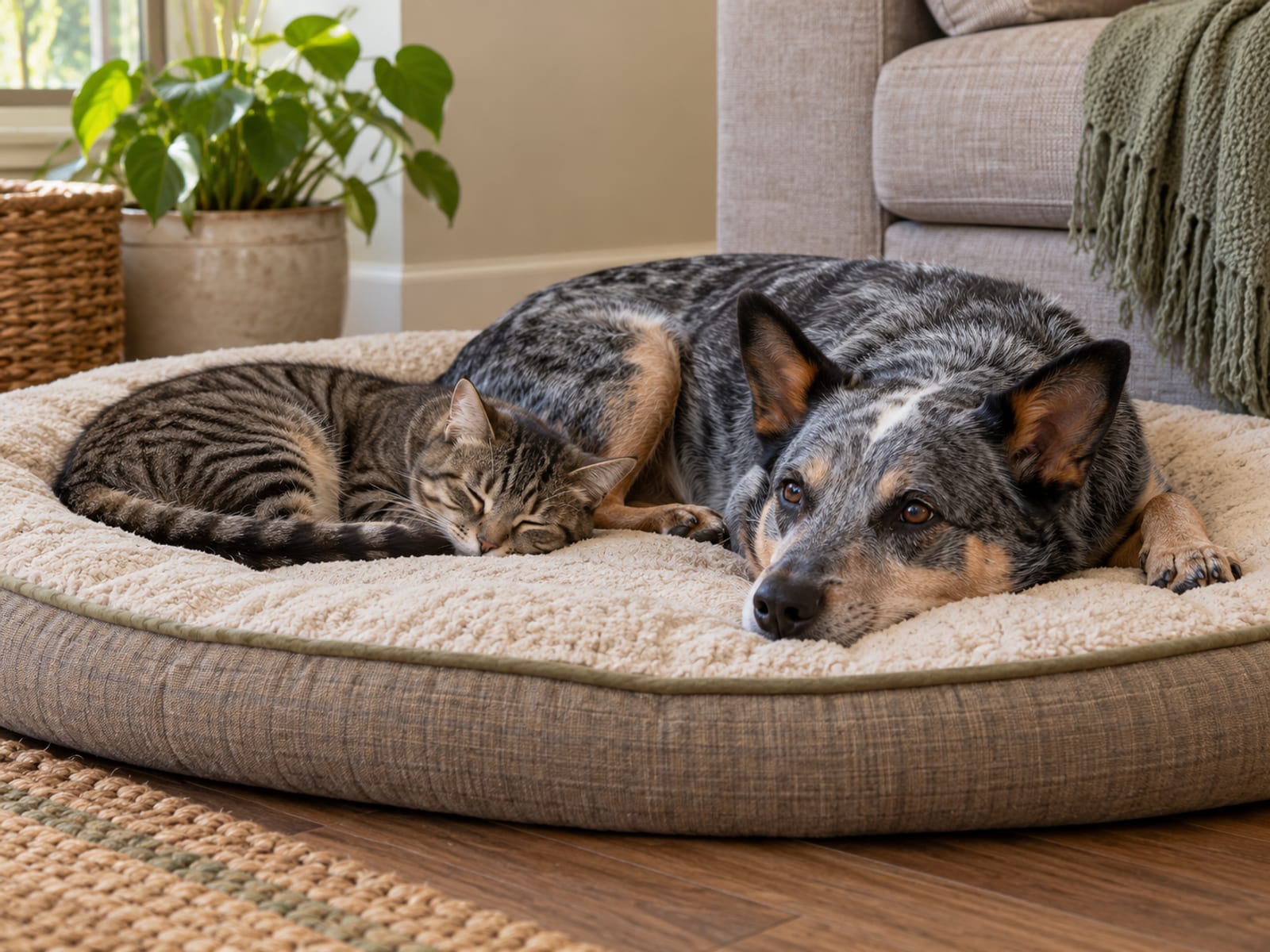
The mite life cycle is about three weeks. CAPC gives 18 to 28 days, and VCA and ESCCAP say roughly three weeks. Some treatment plans repeat over several weeks for that reason, and your vet sets the schedule and any recheck.
Tap or hover a row to highlight it.
| Data point | Figure | Source and date |
|---|---|---|
| Data pointEar-mite life cycle | FigureApproximately 18 to 28 days | Source and dateCAPC, last updated March 13, 2019 |
| Data pointEar-mite life cycle | FigureApproximately 3 weeks | Source and dateVCA, page updated March 28, 2025 |
When mites seem to return, the usual reasons are:
- A cat, dog, or ferret in the home that was never treated.
- A treatment plan that was stopped early or used the wrong way.
- Life stages that survived a short course.
- Some exposure to bedding or other items.
- A different diagnosis all along, such as allergy, yeast, or bacterial infection.
If the ear still smells or looks bad after treatment, go back for the recheck. A secondary infection or a different cause may be behind it, and your vet can sort that out.
Can people catch ear mites, and what to do about bedding and the home
It is rare. CAPC says people are rarely infested, and VCA describes a temporary itchy rash in susceptible people as a rare possibility that clears once the pets are treated.
The house is not the main problem, unlike with fleas. Most of the life cycle happens on the animal, although mites can survive away from it for a limited time. So, wash bedding, blankets, and other washable fabric your pets use, and clean the items they touch most, including grooming tools. Replace bedding that is badly contaminated and cannot be cleaned well. VCA says no products are licensed for use in the house specifically against ear mites, so skip whole-house pesticide treatment.
What a visit may cost
Prices vary by clinic, region, sedation, how hard the ear is to clean, medication, rechecks, and how many pets need care. Two clinic examples, as of September 2026:
Tap or hover a row to highlight it.
| Service | Humane Animal Partners | Red Oak Animal Hospital |
|---|---|---|
| ServiceExam | Humane Animal Partners$55 | Red Oak Animal Hospital$78 (sick exam) |
| ServiceEar-mite check | Humane Animal Partners$5 | Red Oak Animal HospitalAsk the clinic |
| ServiceEar cytology | Humane Animal Partners$35 | Red Oak Animal Hospital$48.77 |
| ServiceEar cleaning | Humane Animal Partners$15 to $25 | Red Oak Animal HospitalStarting at $30.75 |
| ServiceMedication | Humane Animal PartnersAsk the clinic | Red Oak Animal HospitalStarting at $71.59 per ear |
| ServiceExample total | Humane Animal PartnersAsk the clinic | Red Oak Animal HospitalStarting at $229.11 |
The figures come from Humane Animal Partners and Red Oak Animal Hospital. Call your clinic and ask for an estimate that covers the exam, the microscope check, cleaning, medication, and a recheck.
Questions about ear mites in dogs
These are common questions from owners in your spot.
How can I get rid of ear mites on my dog?
See a veterinarian, who can confirm mites and pick a treatment for your dog. Treatment usually means medicine chosen by your vet, cleaning as directed, and care for other pets in contact with your dog. Use only the product and amount your vet gives you.
Can I treat ear mites without going to the vet?
Not safely. Dark debris can come from yeast, bacteria, or allergies, and the eardrum has to be checked before anything goes in the ear. Products made for other species may not be safe for dogs.
Does anything natural kill ear mites?
Oils, peroxide, and home mixtures are not a proven treatment. What works is an exam, proper ear cleaning, and medicine chosen by your vet, and putting a mixture in a painful ear can make things worse.
Can ear mites infest your house?
Not the way fleas can. Most of the life cycle happens on the animal, although mites can survive off it for a limited time. Washing bedding and cleaning items your pets use is enough, and treating the pets matters most.
Can dogs catch ear mites from cats?
Yes. Close contact with an infested dog, cat, ferret, or contaminated bedding can pass them on, and your vet may want to check or treat the cat even if it looks fine.
The next step
If your dog is scratching its ears and shaking its head, book an exam and write down what you see and which pets have signs. If you see a swollen flap, head tilt, loss of balance, circling, or bleeding, go today. Use the vet directory for a regular visit and the emergency vet directory when it cannot wait. Only your vet can tell you what is happening in your dog's ear.
Sources
- American Animal Hospital Association: AAHA
- American Veterinary Medical Association: AVMA owner brochure
- ASPCA: ASPCA
- capcvet.org: CAPC
- Cornell University College of Veterinary Medicine: Cornell
- esccap.es: ESCCAP
- humaneanimalpartners.org: Humane Animal Partners
- Merck Veterinary Manual: Merck
- Merck Veterinary Manual: Merck
- redoakanimalhospital.com: Red Oak Animal Hospital
- VCA Animal Hospitals: VCA
- VCA Animal Hospitals: VCA