

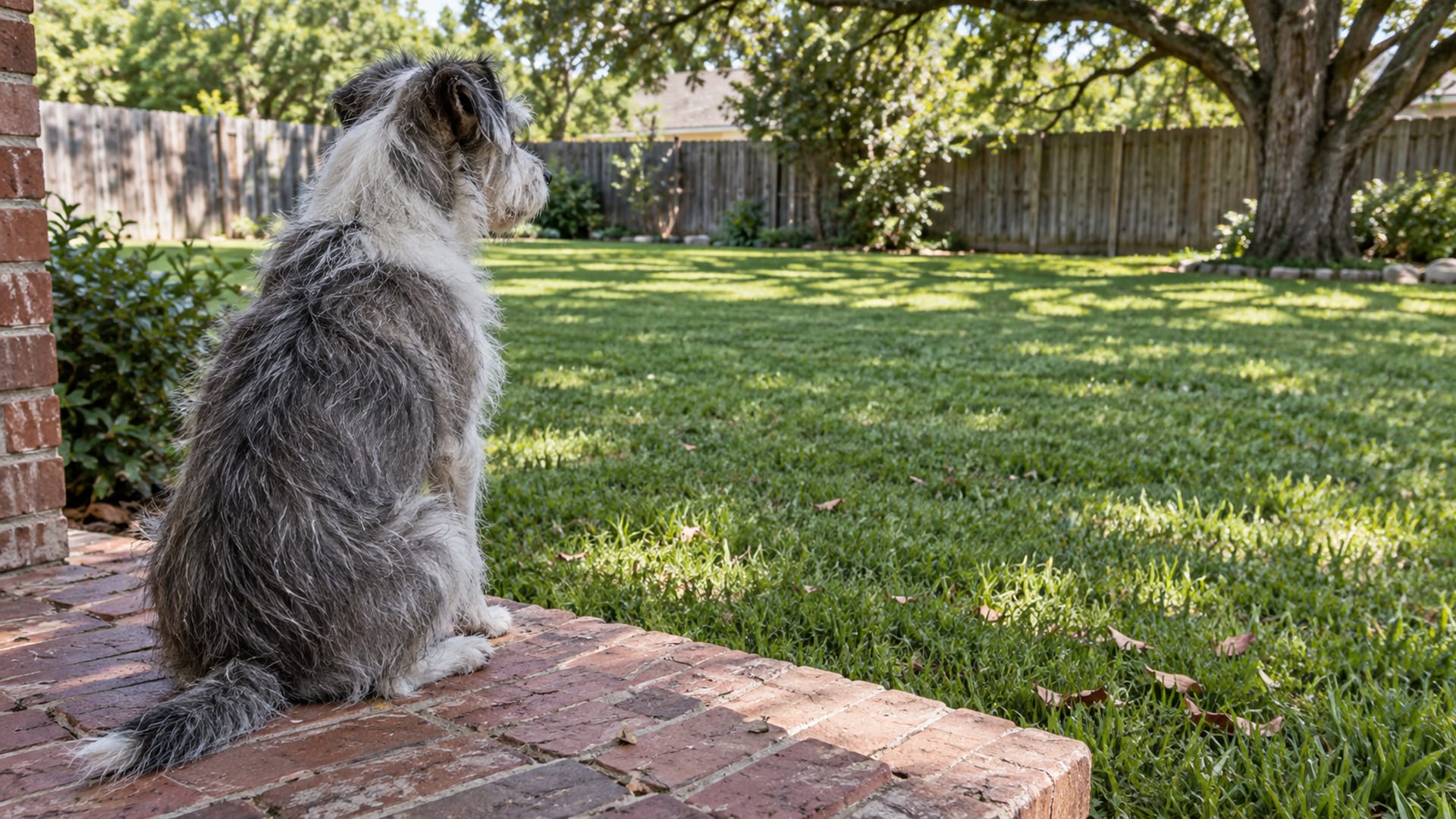
To get rid of fleas, treat every dog and cat in your home with a flea product whose label matches that animal's species and weight. Then vacuum carpets and furniture, wash the pet bedding, and deal with the shady places outside where your dog rests. Expect to see a few fleas for weeks, because eggs, larvae and pupae are still in your house. And never put a dog flea product on a cat, especially one containing permethrin. That is the plan the Merck Veterinary Manual and the EPA lay out, and it's the order I'd follow tonight.
Key takeaways
Tap a card to bring it forward.
- Confirm it is fleas with a flea comb and a damp white paper towel.
- Treat every dog and cat in the home with a product labeled for that species, age and weight.
- Dog flea products can poison cats, and permethrin is the one to watch for.
- Vacuum often and wash bedding, because most eggs, larvae and pupae live in the house, not on the dog.
- New fleas can keep hatching for weeks, so keep going after the first ones die.
- Seizures, pale gums, weakness, or a cat that touched a dog product means call a vet now.
If you just found a flea on your dog or bites on your own ankles, you want to know how to kill them today, whether they're in your carpet, and whether they'll come back. Here is each answer, in the order you'll need it.
How do I know it's really fleas?
Start with a flea comb. Run it through the fur at the base of the tail, the belly and the inner thighs, where VCA Animal Hospitals suggests looking first. You might catch a live flea. More often you'll catch small black specks. Tap them onto a damp white paper towel. If they smear reddish, they're probably flea dirt, which is flea feces. If you're not sure, a veterinarian can confirm it.
The flea you're most likely dealing with is the cat flea, *Ctenocephalides felis*, even on a dog; the AVMA calls it the most common flea on dogs and cats. It also feeds on wildlife, which is why Texas A&M AgriLife Extension notes a home can have fleas with no pets in it, carried in by bats, rats, squirrels or raccoons.
Don't rule out fleas just because the comb comes up nearly empty. A dog with flea allergy can itch hard from one or two bites, according to VCA, usually at the rump, tail base, hips and thighs.
Treat every dog and cat in your home today, and keep dog products off your cat
Treat all the animals, not just the one scratching. An untreated cat keeps feeding fleas and dropping eggs around the house.
Choose a product whose label clearly matches each animal's species, age, weight and health, or call your veterinarian and use the product and amount they give you. The EPA is plain about it: never use a cat product on a dog or a dog product on a cat, never use more than the label says, and don't use a product on a puppy unless the label allows it. It also advises checking with a vet first for dogs that are weak, older, on medication, sick, pregnant or nursing.
Knowing the main product types helps you ask good questions. According to the Merck Veterinary Manual:
- Isoxazolines, given by mouth or absorbed into the body, can kill most fleas within about 12 hours.
- Nitenpyram, a short-acting pill, can kill fleas within about 30 minutes but lasts only about 24 to 48 hours.
- Spinosad kills adult fleas after they bite the treated dog.
- Topical products such as fipronil, imidacloprid and selamectin can take about 12 to 36 hours to reach full strength.
- Growth regulators like methoprene and pyriproxyfen stop young fleas from maturing. Lufenuron works on young fleas too, but it doesn't kill the adults already on your dog.
Two cautions come with that list. The FDA considers isoxazolines safe and effective, but it has reports of tremors, stumbling and seizures in some dogs and cats, so talk with your vet first if your dog has a seizure history. And don't combine products on your own. Two can belong to the same chemical family, and extra product can mean poisoning, not extra protection.
Now the cat. Permethrin is in some topical flea products made for dogs, especially stronger ones, and the ASPCA warns that a product safe for a dog can be deadly to a cat. A cat can be exposed by licking it, grooming or rubbing against a freshly treated dog, or touching wet residue. Signs include drooling, vomiting, wobbliness, tremors and seizures.
If your cat may have touched a dog product with permethrin, call a veterinarian or emergency clinic right away, or ASPCA Animal Poison Control at 888-426-4435. The ASPCA says not to wait for symptoms. Keep the product box nearby so you can read off the exact active ingredient.
To prevent it, keep your cat and any untreated pets away from a freshly treated dog for as long as the label says. Then write down the product, active ingredient, date and any reaction. That note helps a lot if you end up on a call with a vet.
Cleaning the house safely: vacuuming, bedding and furniture
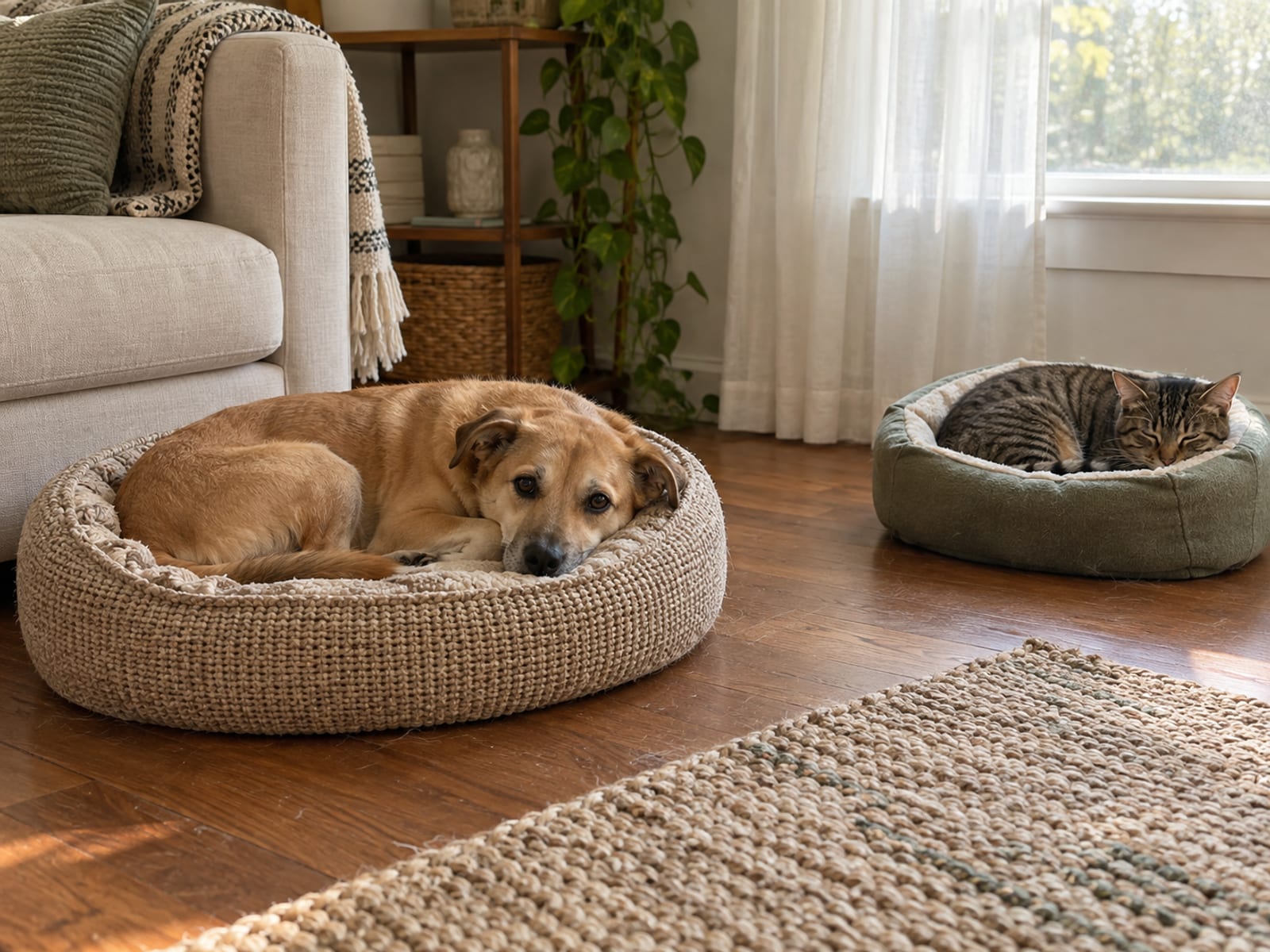
Eggs don't stay on the dog. They fall into bedding, carpet, furniture cracks and your dog's favorite resting spots, which is where the next wave grows. Texas A&M AgriLife Extension and Merck both put cleaning at the center of the plan:
- Vacuum carpets, rugs, upholstered furniture, cracks, baseboards, under furniture and every pet resting area.
- Empty the vacuum outdoors, or bag and seal the contents, because fleas can survive inside it.
- Wash pet bedding and blankets on the hottest setting the material allows, then dry them thoroughly.
- Keep vacuuming often. It removes eggs and larvae, and the vibration coaxes some adults out of their cocoons, where they're more likely to meet the treatment on your pet.
If the infestation is well set in, use an EPA-registered indoor flea product labeled for the surfaces you'll treat. Many combine an adult flea killer with a growth regulator. Focus on carpet edges, baseboards, under furniture, closets and pet resting areas, and follow the ventilation and re-entry directions exactly. In a heavy infestation, Merck notes a second treatment may be needed 7 to 10 days later.
The EPA says not to fog or spray while pets, children, food, water dishes or uncovered aquariums are in the area, and never to use a farm or unregistered product indoors unless its label allows it. Fogging alone won't finish the job anyway, because new fleas still hatch and the pets still need their own treatment.
The yard and the shady spots your dog rests in
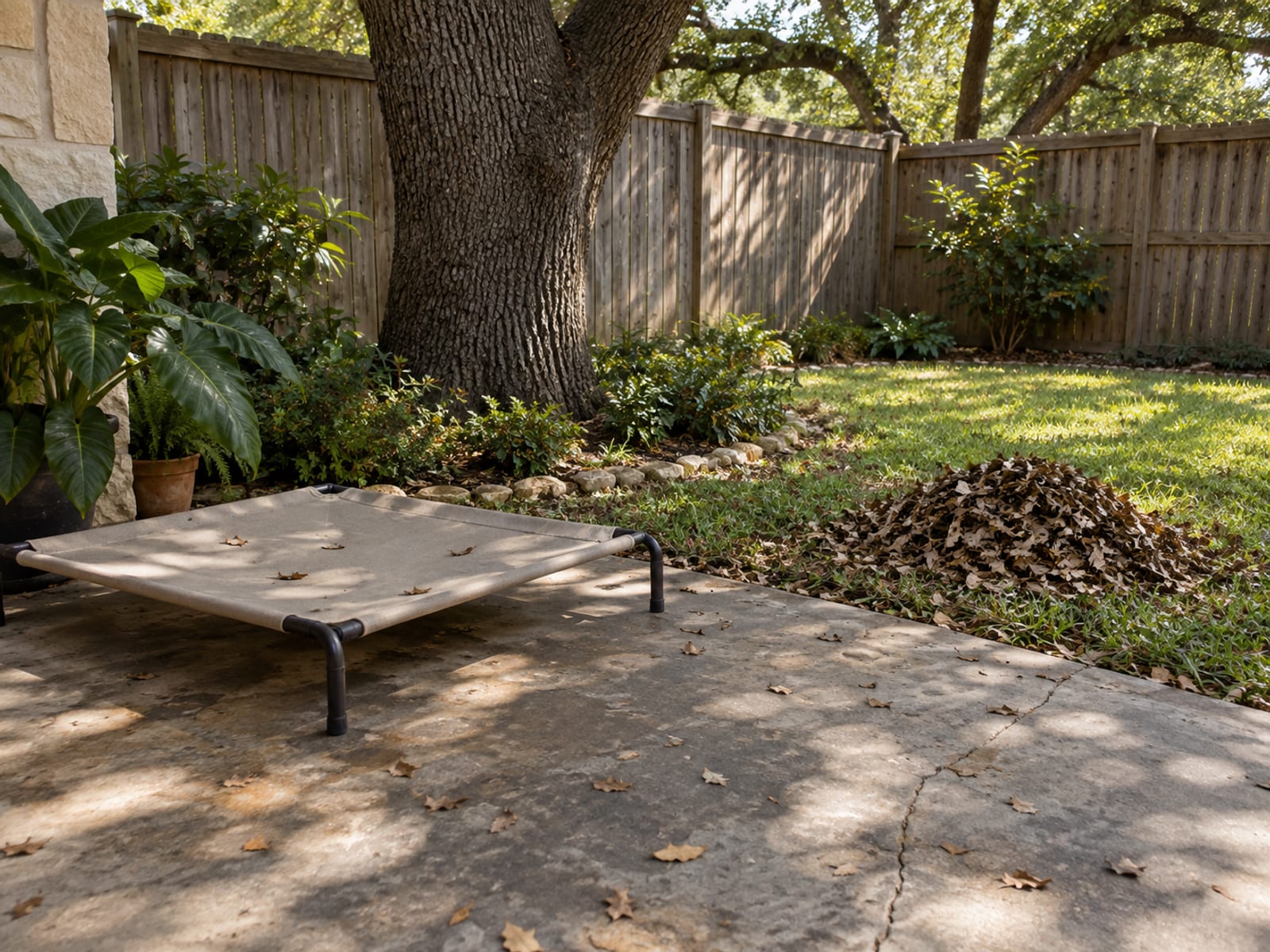
You don't have to treat the whole lawn. Texas A&M AgriLife Extension says outdoor fleas do best in moist, shaded places, especially where pets rest. Flea larvae don't survive well when relative humidity is below 50 percent or soil is hotter than 95°F. So, a hot, sunny lawn is a poor home for them, while the shade under the deck is a good one.
Summer heat won't take care of fleas for you, though. Shaded yards, bedding, wildlife and protected pupae can keep a problem going, and indoor fleas can last all year, which is why Texas A&M's findings support year-round prevention.
Outside, focus where your dog actually spends time. Wash outdoor dog beds, clear brush piles and debris, and pick up food that draws wildlife. If you use an outdoor pesticide, the EPA advises using one labeled for that location, and keep pets off the area until the label allows them back. If animals may be nesting in a wall or crawl space, get pest-control or wildlife-control guidance before sealing openings.
Why fleas keep showing up for weeks, even after treatment
This is the part that makes people feel like nothing works. You treated the dog, the fleas dropped off, and ten days later there's a new one on the couch. Usually that's the life cycle, not a failed product.
According to Texas A&M AgriLife Extension and Merck, a female flea can start laying eggs about two days after her first blood meal, and Texas A&M reports an average of 27 eggs a day after four to nine days. The eggs drop into your home. Larvae grow over about 5 to 11 days, then spin cocoons and become pupae.
The pupa is what trips people up. An adult can come out in one or two weeks, or wait in its cocoon for up to five months until movement, vibration, warmth or a passing animal wakes it. In warm, humid conditions the whole cycle can take 12 to 14 days; in poor conditions it can stretch to 350 days.
So, fewer fleas after one treatment doesn't mean you're done. When a treated pet keeps getting fleas, the usual gaps are an untreated pet in the home, a house that wasn't cleaned alongside the pets, or new adults still hatching from cocoons. The fix is doing all three together and sticking with it after the fleas seem gone.
I can't tell you when the last flea will appear, because that depends on how many pupae are waiting in your home. But if you've followed a labeled plan correctly for every pet and fleas still won't quit, book a vet visit rather than adding another product.
Puppies, allergic or sick dogs, and the signs that need a vet now
Puppies are the biggest concern. Heavy infestations can cause anemia, and VCA says puppies, kittens and weak animals are most at risk. The label sets a minimum age and weight, so a puppy with many fleas should see a vet.
Flea allergy can lead to hair loss, scabs, broken skin and infection, per VCA. Fleas can also give your dog tapeworms: a dog picks up *Dipylidium caninum* by swallowing an infected flea, VCA notes.
Call an emergency clinic now for:
- Seizures, severe tremors, collapse or major stumbling after a flea product.
- A cat exposed to a dog product containing permethrin.
- Trouble breathing or extreme weakness.
- Pale or white gums, especially in a puppy or heavily infested dog.
- A dog that may have swallowed a concentrated pesticide or essential oil.
- Repeated vomiting or heavy drooling after treatment.
Book a vet visit soon for:
- Scratching, licking or chewing that won't let up.
- Hair loss, scabs, open sores, odor or signs of skin infection.
- A puppy, senior, weak, pregnant or nursing dog with fleas.
- Tapeworm segments, poor appetite or weight loss.
- Fleas that persist despite a correctly followed labeled plan.
- A seizure history or another condition needing medication, before choosing an isoxazoline.
Watching at home can be reasonable for a bright adult dog who's eating normally, has only a few fleas, healthy skin and normal gums, while you start label-correct treatment and clean the house. If anything gets worse, that plan changes.

Home remedies that can hurt your dog or cat
I understand wanting a kitchen-cabinet fix late at night. But several popular ones don't work well or can do harm.
- Garlic. Texas A&M finds little scientific support for it against fleas, and the ASPCA lists garlic as toxic to dogs and cats.
- Essential oils and citrus oils. These can irritate or poison pets, especially if strong, swallowed or applied wrong. Cats are particularly sensitive to some oils.
- Dish soap. It may kill or wash off some adult fleas, but it doesn't touch eggs, larvae or pupae, and it can irritate skin.
- Diatomaceous earth. Evidence it clears a home infestation is limited, and the dust can irritate eyes and lungs.
- Brewer's yeast, cedar bedding and herbal sachets. Texas A&M says the claims behind these have little scientific support.
You'll also see coconut oil and vinegar online. None of the veterinary or extension sources I used back either one as flea control, so I won't tell you they work. And never use a livestock or lawn product on a pet.
Questions dog owners ask about fleas
What kills fleas on a dog fast?
Nitenpyram can kill fleas within about 30 minutes but lasts only a day or two, according to the Merck Veterinary Manual. Isoxazolines clear most fleas within about 12 hours and last longer. Your vet can match the right one to your dog's age, weight and health history.
Do I need to treat the house if my dog has fleas?
Yes. Flea eggs and larvae collect in carpets, cracks, under furniture and in pet bedding, per Merck, so treating only the dog leaves the next generation waiting.
What can I bathe my dog in to kill fleas?
A flea shampoo labeled for dogs can kill adult fleas, though speed and duration depend on the ingredient and label. Dish soap may remove some adults but can irritate skin. No bath reaches the eggs and pupae in your home, so a bath is one piece of the plan, not the whole thing.
Can I touch my dog if he has fleas?
The sources I used don't address any risk to people from petting a dog with fleas, so I can't speak to that directly. They do cover contact after treatment: follow the label on how long to keep other pets, especially cats, away from a freshly treated dog.
Your next step
Tonight, comb your dog and check the specks on a damp paper towel. If it's fleas, call your vet or choose a product labeled for each pet, and treat every dog and cat in the home. Vacuum, empty the vacuum outside, wash the bedding hot, and write down what you used. Then keep cleaning for the next few weeks, even after the fleas seem gone.
If your cat touched a dog flea product, or your dog has pale gums, seizures or real weakness, call a veterinarian or emergency clinic now, or ASPCA Animal Poison Control at 888-426-4435. If you need a vet nearby, DogServ's veterinarian directory lists general-practice and emergency clinics.
Sources
- American Veterinary Medical Association: AVMA
- ASPCA: ASPCA
- ASPCA: ASPCA
- epa.gov: EPA
- epa.gov: EPA
- Merck Veterinary Manual: Merck Veterinary Manual
- Texas A&M College of Veterinary Medicine: Texas A&M AgriLife Extension
- U.S. Food and Drug Administration: FDA
- VCA Animal Hospitals: VCA Animal Hospitals
- VCA Animal Hospitals: VCA notes
- VCA Animal Hospitals: VCA