
How to Clean Your Dog's Ears Safely, and When to Call the Vet Instead
By Cal Hewitt · Published , updated
Health
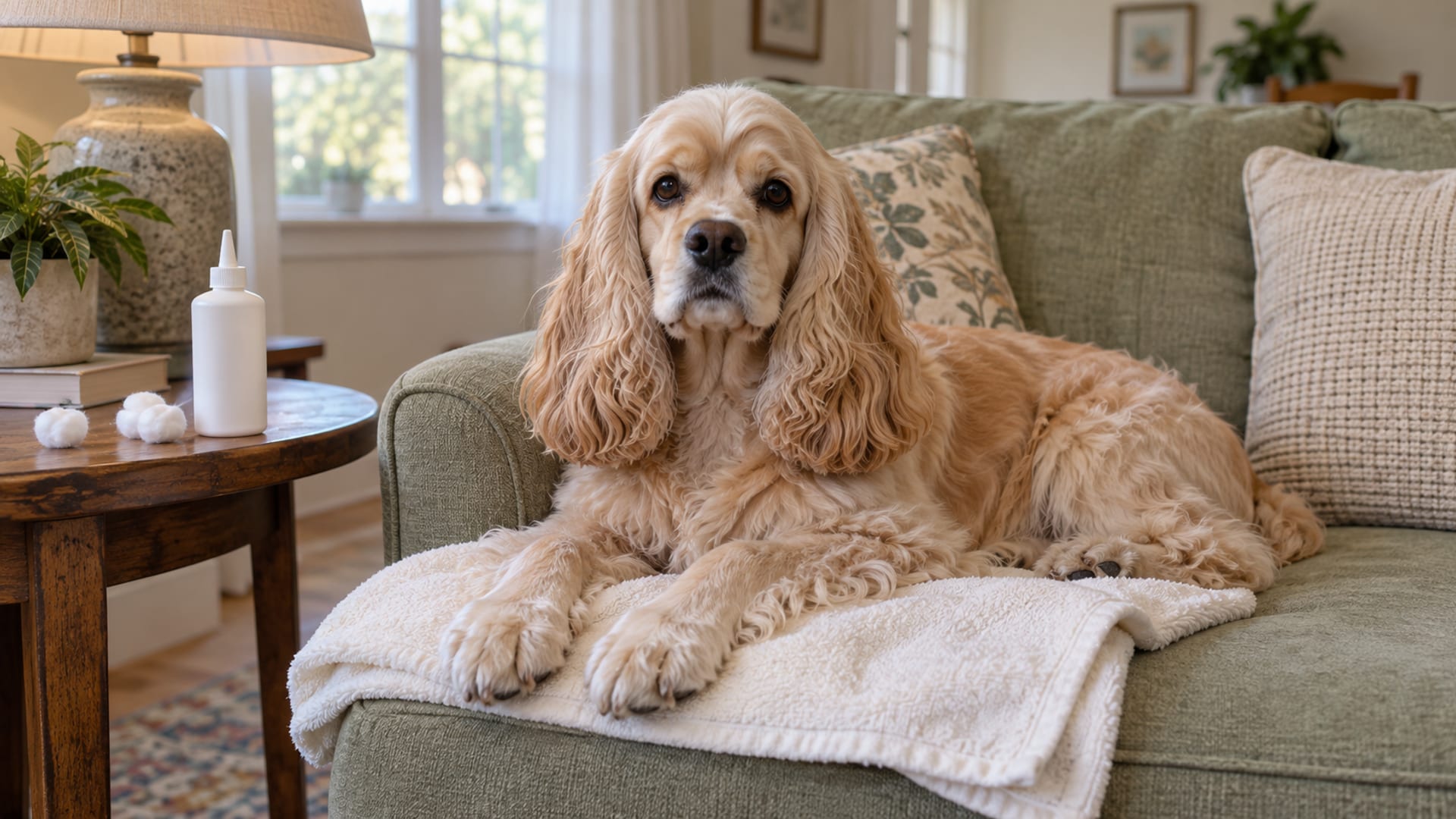
Maybe your dog has been shaking their head and scratching at one ear. Maybe you caught a smell during a cuddle, spotted dark gunk inside the flap, or your dog just came out of the lake with soaking wet ears. Or the groomer said the ears need cleaning, and you are not sure how to do it without hurting them.
Call an emergency vet now if your dog has a head tilt, walks as if drunk, circles, has unusual eye movements, suddenly loses their balance, or is crying in pain and scratching hard enough to cause open sores. Those signs can mean trouble deeper in the ear.
For everything else, start with this: if the ear looks normal and comfortable and just has some visible dirt, use a dog ear cleaner your vet recommends, massage the base of the ear, let your dog shake, and wipe away what you can reach with a cotton ball or gauze. No cotton swabs, no peroxide, no alcohol, no home mixtures. If the ear is red, smelly, swollen, painful or has discharge, call your vet before you clean it.
Key takeaways
Tap a card to bring it forward.
- Healthy ears only need cleaning when you see dirt or debris. Cornell warns that overcleaning can irritate them.
- Use a dog ear cleaner your vet recommends. Never push the bottle tip into the ear or squeeze hard.
- No cotton swabs (Q-tips) in the ear canal. They can push debris deeper and injure the canal or eardrum.
- Skip alcohol, hydrogen peroxide and vinegar mixtures (Cornell, VCA, Merck).
- Redness, odor, discharge, swelling, pain or constant shaking means call the vet first. Cleaning does not treat an infection.
- Wet ears after a bath or swim need drying and a gentle clean, especially floppy ears.
Look first: is this ear ready for a home clean?
In good light, lift the ear flap and look at the flap and the opening. Do not poke anything inside.
What normal looks like. The AKC describes healthy ear skin as light pink and clean. A small amount of yellow or brownish wax can be normal. A large amount of wax or crust is not. A comfortable ear has no new bad smell, no redness or swelling, no obvious discharge, and your dog does not flinch when you touch it or keep shaking and scratching.
What needs a vet. Head shaking, scratching or rubbing, redness, swelling, a smell, more wax or discharge than usual, scaly or crusty skin, sores, or pain when you touch the ear. The Merck Veterinary Manual lists many possible causes behind the same signs: mites, something stuck in the ear, allergies, bacteria, yeast, or a middle-ear infection. You cannot tell which from home. A vet looks down the canal with an otoscope and checks a sample of the discharge under a microscope.
Vet now, vet soon, or clean at home?
Tap or hover a row to highlight it.
| What you see | What to do |
|---|---|
| What you seeHead tilt, wobbly or drunken walk, circling, odd eye movements, sudden balance trouble | What to doEmergency vet now; call ahead on the way |
| What you seeCrying in pain, scratching until there are open sores | What to doEmergency vet now |
| What you seeA soft, puffy swelling of the ear flap | What to doCall your vet promptly; Cornell notes this can be an ear hematoma |
| What you seeFrequent shaking or scratching, a smell, redness, swelling, discharge (brown, yellow, bloody or pus-like), more wax, pain on touch, hair loss or crusting | What to doBook a vet visit soon. Do not clean first unless your vet says to |
| What you seeThe same ear keeps having trouble | What to doBook a vet visit and ask about underlying causes |
| What you seeComfortable, normal-looking ear with a little visible dirt, or wet from a bath or swim | What to doGentle clean at home, then keep an eye on it |
Cornell says a head tilt, a drunken gait, crying and scratching that leaves open sores can mean an infection has moved deeper and may need emergency care. The ASPCA adds loss of balance, unusual eye movements, circling and hearing loss to the list of ear signs that need a vet as soon as possible.
For the vet-soon signs, book promptly rather than waiting for the next grooming appointment. If a comfortable ear you have been watching starts to smell, redden or hurt, it moves to the vet-soon row.
When you call, have ready: which ear, when it started, what you see and smell, any recent swimming or baths, allergies or contact with other animals, and any products you have already used. Ask the vet which cleaner suits your dog and how often to use it.
Cost context. A routine vet exam averaged $56 to $129 nationally, according to CareCredit (checked September 2026). That is before any ear tests, cleaning, medicine or emergency fees, so ask your clinic for a local estimate.
What you need
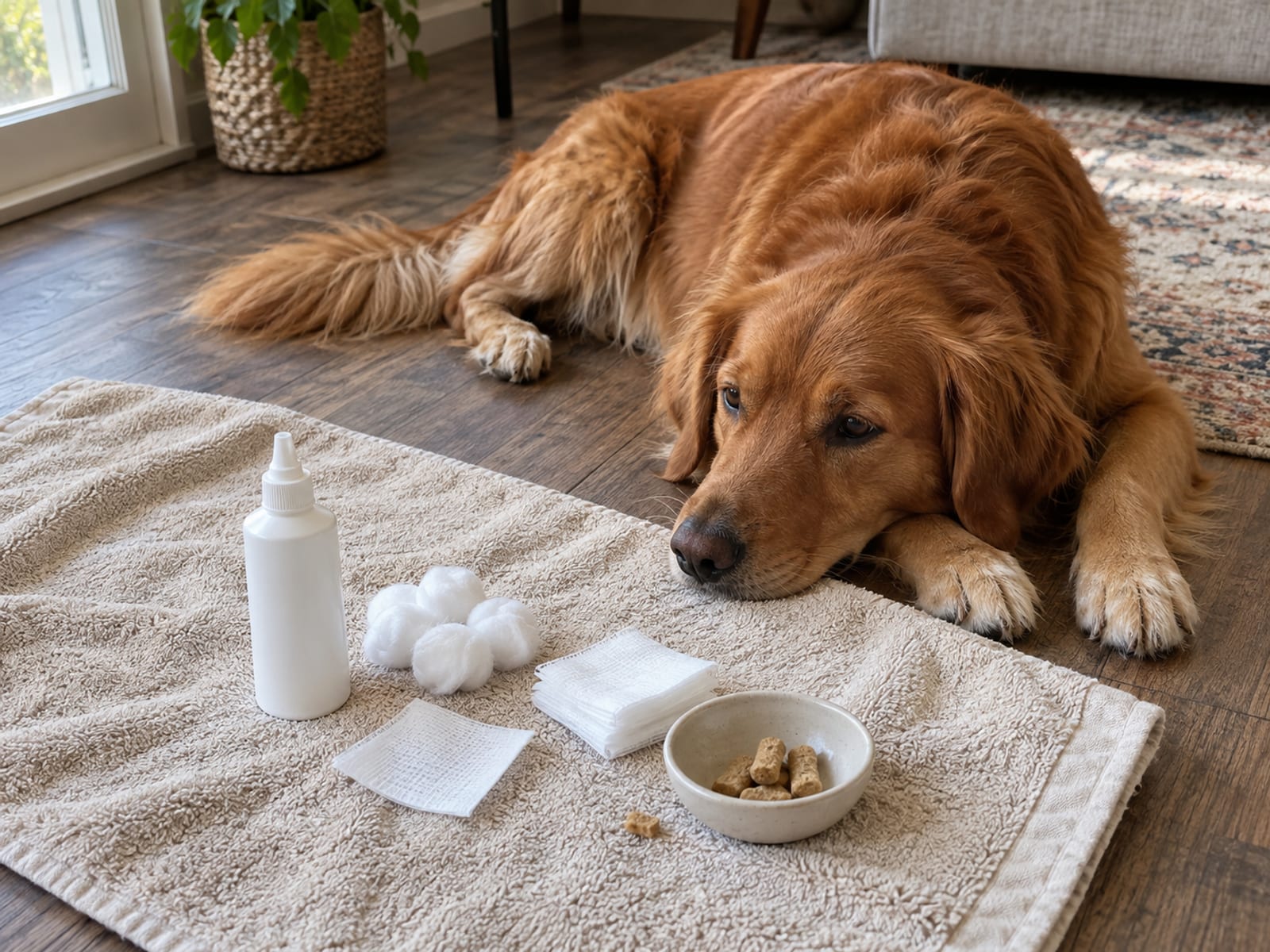
- A dog ear cleaner your vet recommends. Not a human product, and not a homemade mix.
- Cotton balls, cotton pads or gauze. Not cotton swabs.
- A towel. Your dog will shake, and cleaner will fly.
- Treats, and a calm moment.
Positioning, following the VCA: a large dog can sit with their rear in a corner, a medium dog can sit on the floor in front of you, and a small dog can sit on your lap. The cleaning method is the same whatever the size.
How to clean your dog's ears, step by step
These steps follow Cornell and VCA. Use them only on an ear that looks normal and is not painful.
- Lift the ear flap gently, which straightens the ear canal.
- Fill the canal with cleaner gently. Hold the bottle near the ear, but do not put the tip into the ear, and do not squeeze hard. Cornell explains that forceful pressure from a bottle tip sealed in the ear could rupture the eardrum. If your dog will not accept liquid in the ear, soak a cotton ball or pad in cleaner instead.
- Massage the base of the ear gently, below the opening, to loosen debris.
- Let your dog shake. Shaking is expected; it moves the loosened debris outward. Hold the towel up if you want to stay dry.
- Wipe out what you can see with a cotton ball or pad, from the inside outward, only as far as your finger easily reaches.
- Repeat on the other ear.
- Give treats throughout, and stop if your dog seems to be in pain. Pain means the ear needs a vet, not more cleaning.
If your dog has ear medicine, VCA advises cleaning first, then asking your vet whether to wait before putting the medicine in, because a cleaner can weaken or deactivate some medicines. Never use leftover drops from an old prescription.
If your dog dislikes ear handling, work on it in short, rewarded sessions when the ears are healthy. The same slow approach helps with brushing your dog's teeth, and positive reinforcement dog training explains how it works.
What never goes in a dog's ear
- Cotton swabs (Q-tips). Cornell, VCA and Merck all warn that they can push debris deeper and hurt the ear canal or eardrum.
- The bottle tip, and hard squeezing.
- Alcohol or hydrogen peroxide. Cornell says to avoid solutions that contain them, and VCA notes they can irritate, especially an inflamed or ulcerated ear.
- Vinegar mixtures and other home remedies. The Merck Veterinary Manual says irritating home remedies such as vinegar mixtures can make swelling and discharge worse and raise the risk of infection.
- Over-the-counter wax removers, unless your vet approves them.
- Leftover prescription drops.
How often to clean your dog's ears
There is no one schedule for every dog. Cornell says normal, healthy ears only need a routine clean when you see dirt or debris, and that overcleaning can irritate them. VCA says some healthy dogs may never need their ears cleaned. Your vet sets the right frequency for your dog.
Tap or hover a row to highlight it.
| Situation | How often |
|---|---|
| SituationHealthy ears | How oftenOnly when you see dirt or debris (Cornell) |
| SituationEars wet from a bath or swim | How oftenClean and dry afterward (Cornell) |
| SituationDogs that need regular maintenance | How oftenEvery 1 to 2 weeks (Cornell's maintenance range) |
| SituationAn ear being treated for infection | How oftenAs often as daily, but only as your vet directs (Cornell) |
Dogs that may need closer care. Cornell names dogs with allergies, a history of ear infections, or floppy ears as ones that may need more frequent cleaning, and VCA says dogs prone to infections often benefit from it. The AKC also lists narrow ear canals, growths in the canal and heavy ear hair as risk factors. These are reasons to ask your vet about a routine, not a reason to clean a comfortable ear every day.
Allergies. The AAHA says allergies can cause itchy skin, ear problems and recurring infections. If ear trouble keeps coming back, the allergy itself needs your vet's help; more cleaning alone will not solve it.
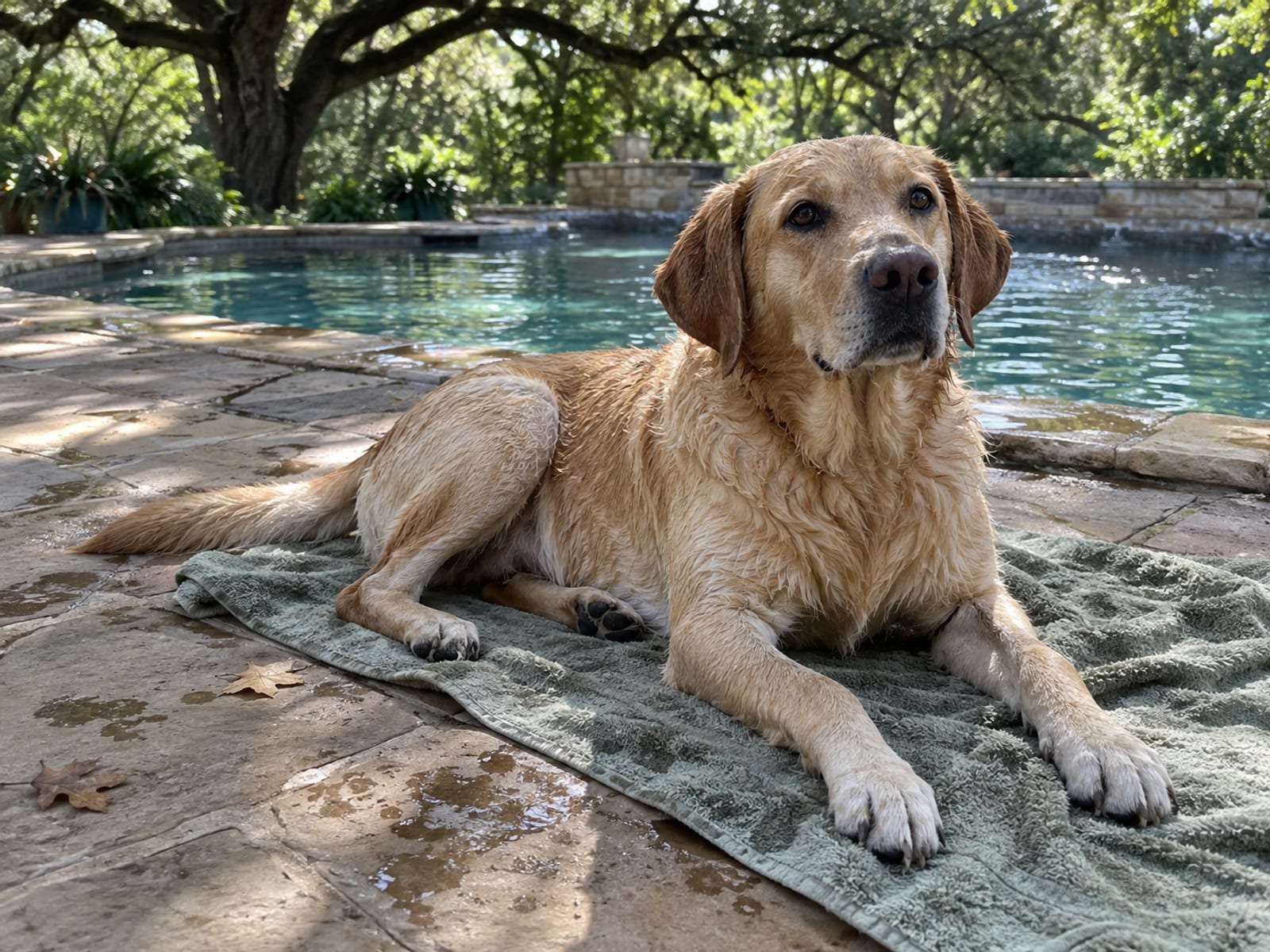
After a swim or a bath
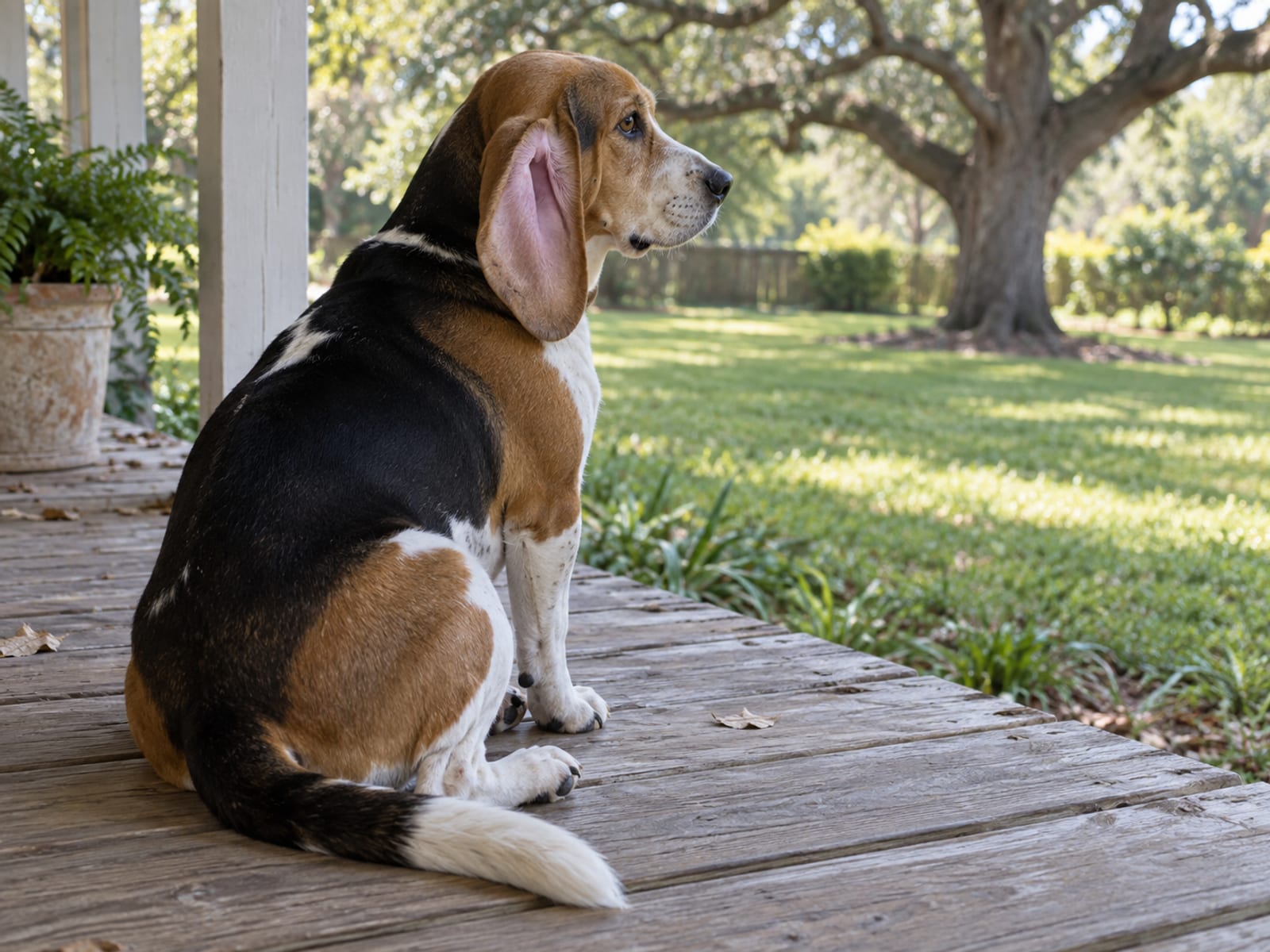
Water left in a warm ear canal gives yeast and bacteria a place to grow. Cornell singles out drop-eared dogs such as Labrador and Golden Retrievers as at greater risk from swimming. After a swim or bath, dry the outer ear and follow the gentle clean above. If your dog swims often, ask your vet whether a specific drying product makes sense for them.
Puppies, seniors and dogs with ear conditions
Puppies. The gentle technique is the same, but lower your bar for calling the vet. The AKC notes that puppy ear infections are more often caused by mites than the bacteria and yeast seen in adult dogs, and that a puppy who is scratching, shaking their head or has a bad smell should see a vet. That is still the vet's call to make, not something to assume from age.
Seniors. Older dogs use the same gentle steps and the same signs for calling the vet.
Dogs with allergies, repeat infections or a possibly damaged eardrum. These dogs need advice specific to them. VCA says to talk to your vet before cleaning a red, inflamed or painful ear, since an infection or a ruptured eardrum may be present. Merck says the underlying cause has to be found, or the problem often comes back.
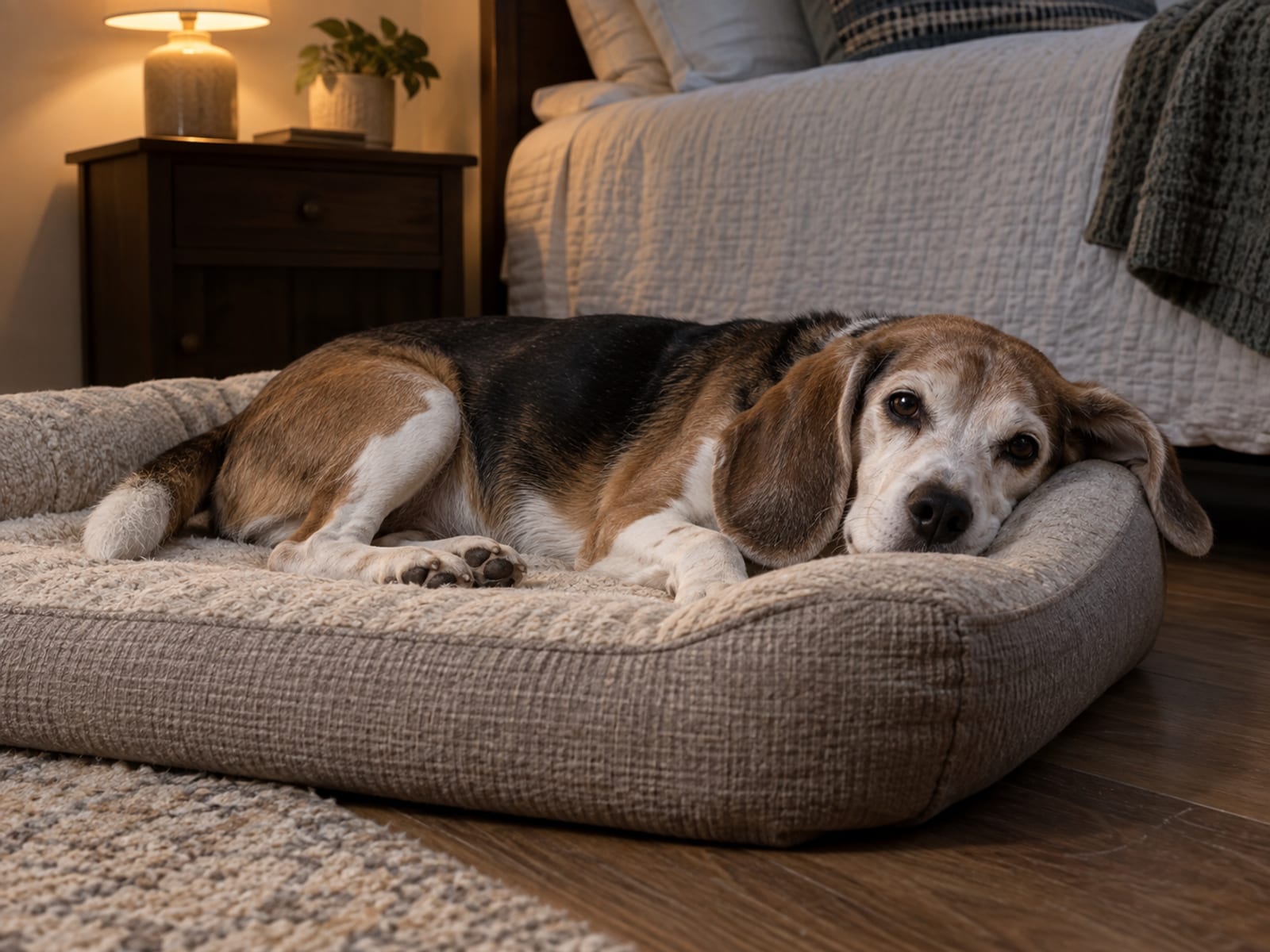
Mistakes to avoid
- Using cotton swabs in the canal. They push debris deeper.
- Cleaning a red, smelly or painful ear before the vet sees it. It can hurt, and it can hide what the vet needs to see.
- Guessing the cause from the color or smell. Mites, yeast and bacteria can look alike.
- Reaching for peroxide, alcohol, vinegar or a home mix. Use the cleaner your vet recommends.
- Squeezing the bottle into the ear. Keep the tip out and the pressure gentle.
- Cleaning healthy ears too often. Overcleaning can cause irritation.
- Using leftover ear drops. A different problem may need a different treatment.
- Deciding "it went away last time." Repeat trouble in the same ear is worth a vet visit to find the cause.
Check what you learned
Quick check: cleaning your dog's ears
Questions about cleaning your dog's ears
How often should I clean my dog's ears?
Only when a healthy ear has visible dirt or debris, unless your vet has set a schedule. Cornell says dogs with allergies, repeat infections or floppy ears may need more frequent care, and overcleaning can irritate the ears.
Can I use Q-tips in my dog's ears?
No. Do not put cotton swabs in the ear canal. They can push debris deeper and injure the canal or eardrum. Use cotton balls, pads or gauze, only as far as your finger reaches.
Can I use hydrogen peroxide, rubbing alcohol or vinegar to clean my dog's ears?
Use a dog ear cleaner your vet recommends instead. Cornell advises avoiding alcohol and hydrogen peroxide, and Merck advises against irritating home remedies such as vinegar mixtures.
Should I clean an ear that smells bad or looks red?
Call your vet first. VCA says a red, inflamed or painful ear may have an infection or a ruptured eardrum, and odor, redness and discharge are signs that need an exam.
Is dark brown, coffee-ground wax a sign of ear mites?
It can be, but it is not proof. Yeast, bacteria, parasites or a mix can also cause dark discharge. A vet checks a sample under a microscope to tell.
Is it normal for my dog to shake after I put the cleaner in?
Yes. Shaking after the cleaner and a gentle massage is expected and helps move loosened debris out. If your dog seems to be in pain, stop and call your vet.
Should I clean my dog's ears after swimming?
Yes. Cornell recommends cleaning and drying ears after they get wet, which matters most for dogs with floppy ears. Avoid overcleaning, and ask your vet whether your dog needs a drying product.
Can I clean a puppy's ears the same way?
The gentle technique is the same. But a puppy who is scratching, shaking their head or has a bad smell should see a vet, since ear mites are common in young dogs.
Start with a look tonight
Tonight, lift each ear flap in good light and look. Note the color, any wax, and any smell, so you know your dog's normal. If both ears look pink, clean and comfortable, there may be nothing to do yet. If something looks or smells off, call your vet before cleaning; you can find one near you in the DogServ directory.
Ears are one stop on a bigger check. Signs of a healthy dog walks through a full nose-to-tail check, and how to brush your dog's teeth covers the mouth. Questions about something you saw in your dog's ears that is not covered here can go through the contact page.
Sources
- American Animal Hospital Association: AAHA
- American Kennel Club: AKC
- American Kennel Club: AKC
- American Kennel Club: AKC
- ASPCA: ASPCA
- CareCredit: CareCredit
- Cornell University College of Veterinary Medicine: Cornell
- Cornell University College of Veterinary Medicine: Cornell
- Merck Veterinary Manual: Merck Veterinary Manual
- VCA Animal Hospitals: VCA