

Alopecia X in Dogs: Why the Coat Thins, How It Is Diagnosed and the Treatment Options
By Cal Hewitt · Published
Health

Alopecia X is a hair-cycle disorder that usually doesn't hurt or itch. Dogs lose their stiff outer guard hairs first, then develop symmetrical thinning or bald patches on the trunk, thighs, neck and tail, while the skin darkens and the head and lower legs often keep their hair.
It is generally cosmetic and not contagious, but Cushing's disease, hypothyroidism, infection, parasites and allergies can leave the same pattern, so a vet has to rule those out first, as VCA Animal Hospitals explains. Hair can come back with treatment or sometimes on its own, but nothing works for every dog and regrowth can be lost again.
Key takeaways
Tap a card to bring it forward.
- Alopecia X causes symmetrical hair loss and darker skin, usually without pain or itching.
- Cushing's disease, hypothyroidism, infection, parasites and allergies can look the same, so book a vet visit instead of assuming.
- Diagnosis works by ruling those other causes out; a biopsy helps but cannot confirm alopecia X by itself.
- Treatment is optional to discuss because the condition is mostly cosmetic, and every option has limits or risks.
- Hair may regrow, but it can fall out again.
- Diet, vitamins and supplements are not an established fix, so ask your vet before giving any.
What does alopecia X look like?
I know how unsettling it is when a fluffy coat starts to go thin and the skin underneath turns dark. Here is the usual pattern. The outer guard hairs fall out first, and what is left can look dry, dull, fuzzy, woolly or puppy-like. Then the loss spreads evenly on both sides of the body, across the flanks, neck, trunk, thighs and tail. The bare skin often becomes darker, which is where the nickname black skin disease comes from. The head and lower legs are typically spared, according to VCA.
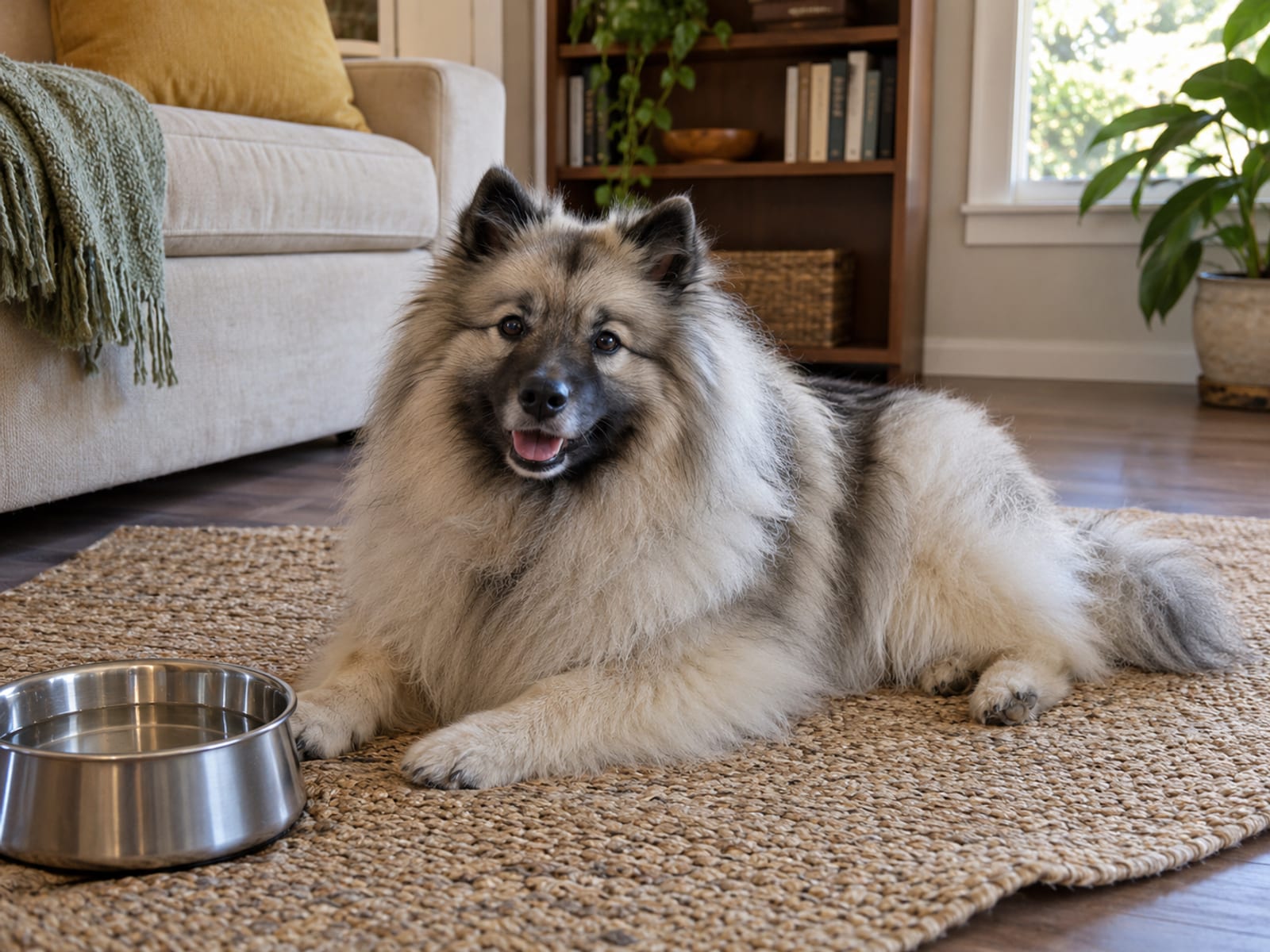
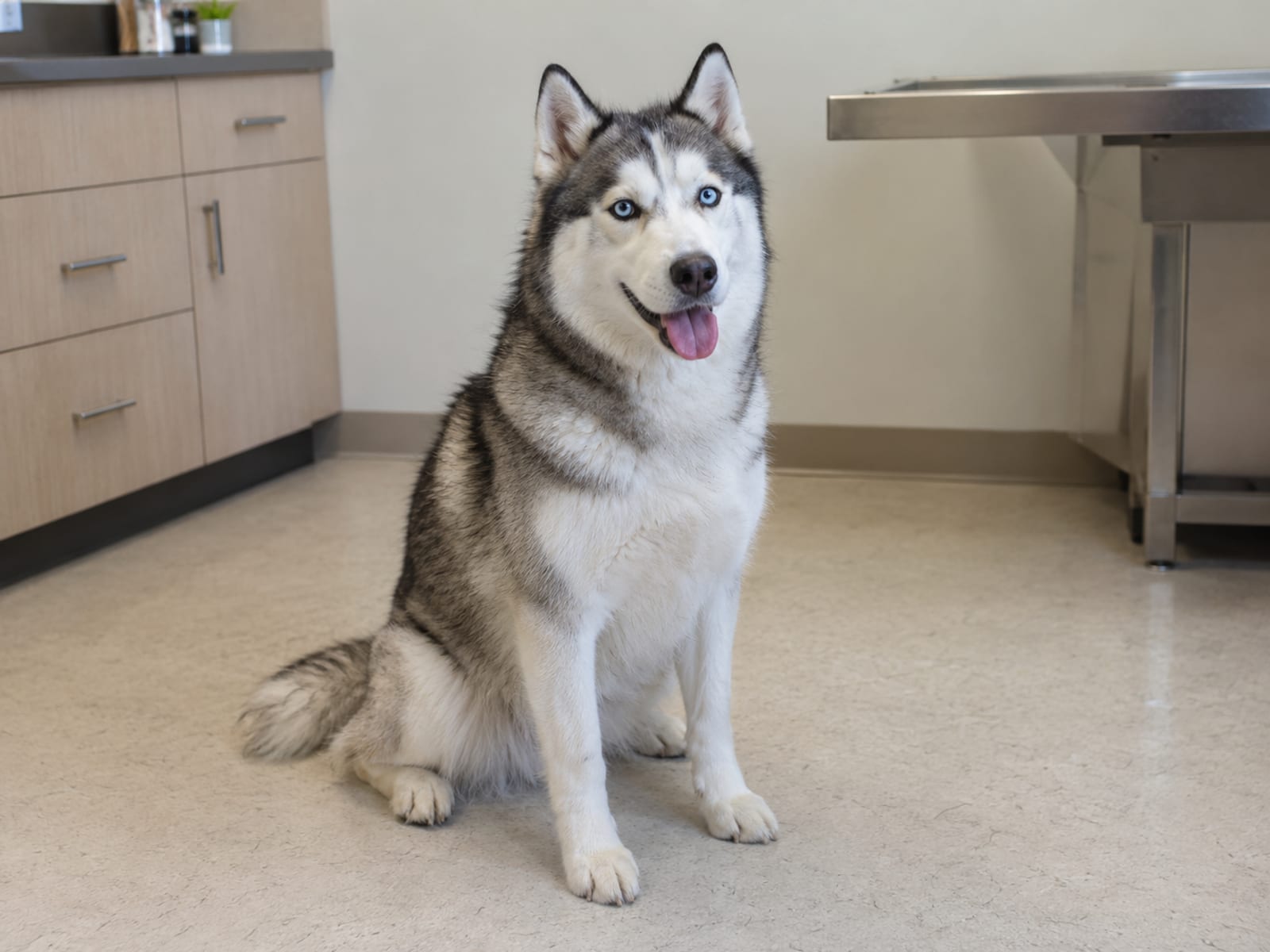
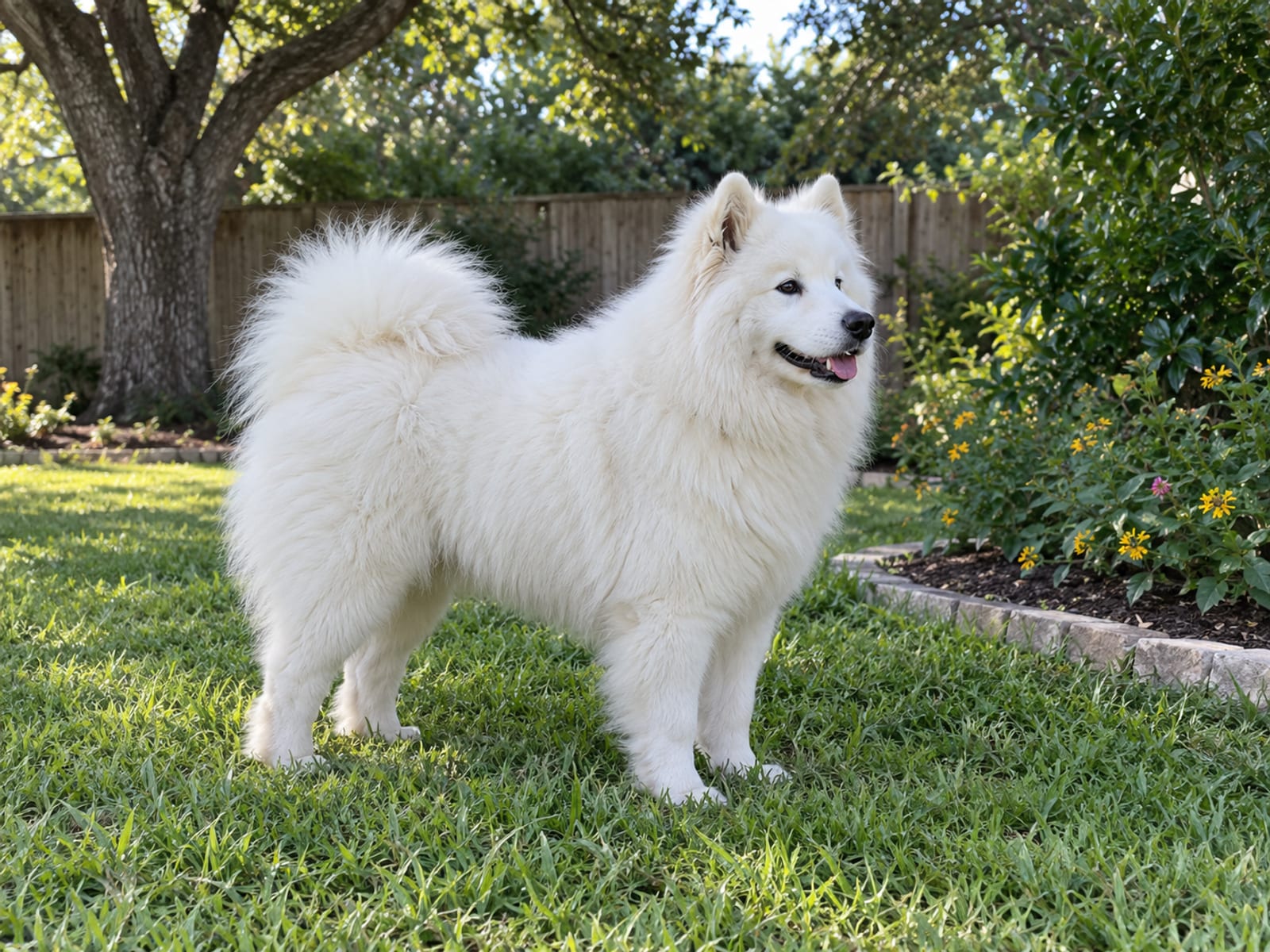
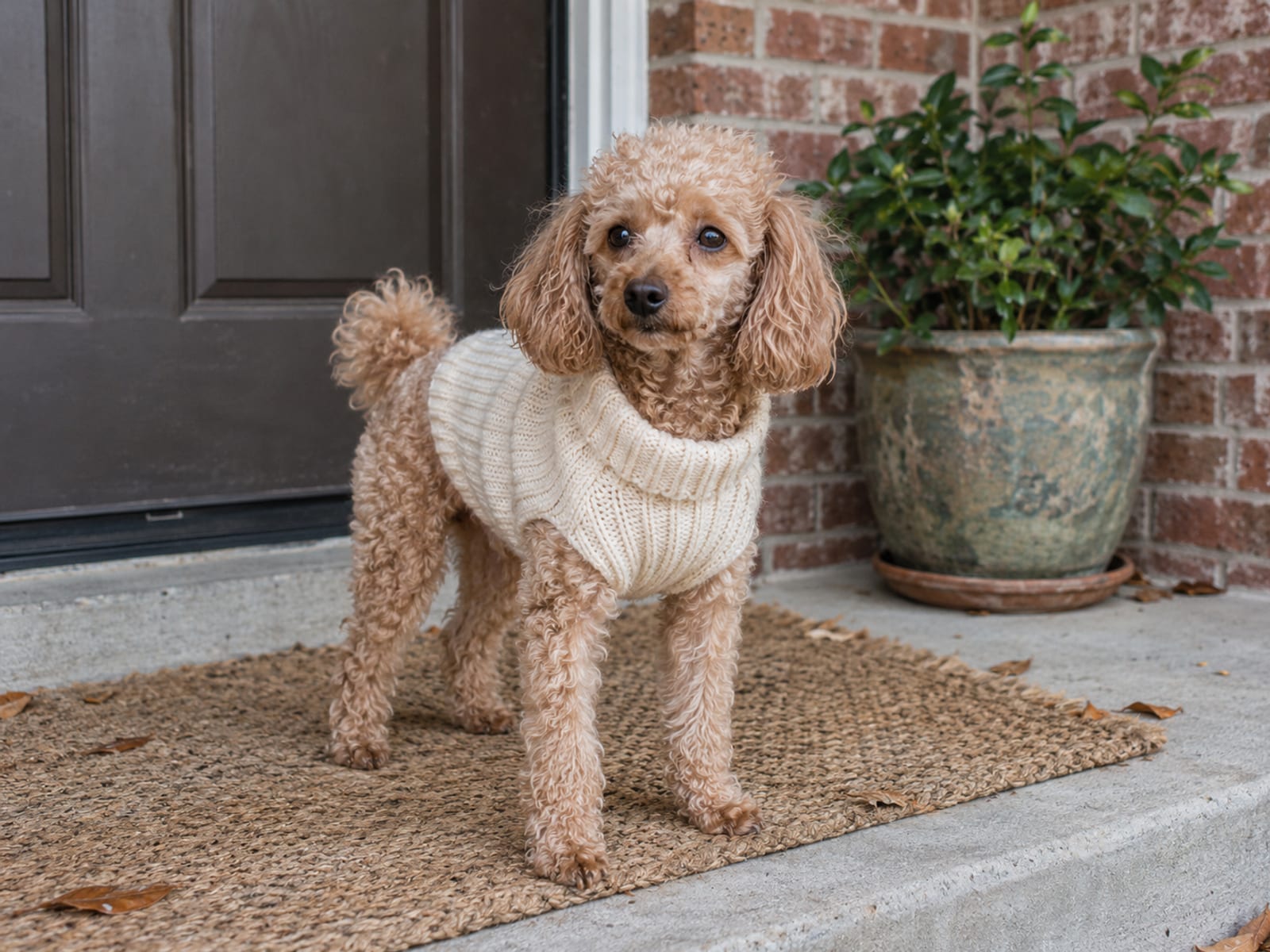
You may also hear it called hair-cycle arrest or coat funk. Older names such as growth-hormone-responsive alopecia and castration-responsive alopecia come from past ideas about its cause. It usually starts in young adulthood. Reported risk groups include Pomeranians, Keeshonds, Schipperkes, Chow Chows, Samoyeds, Siberian Huskies, Alaskan Malamutes and toy or miniature Poodles. That describes who is more often affected, and it doesn't tell you whether your own dog has it.
The cause is still uncertain. Proposed explanations include an abnormal response of the hair follicles to sex hormones, changes in hormone handling and disruption of the normal hair-growth cycle.
Does alopecia X hurt, and when does your dog need a vet now?
Alopecia X itself is generally not painful, not itchy and not inflamed. That is reassuring, but it is also a useful test. If your dog is scratching, licking the bare areas or seems uncomfortable, something else is probably going on, and the Merck Veterinary Manual lists causes such as infection, parasites and allergy.
Call your vet soon if you see any of these:
- Itching or constant licking and chewing.
- Redness, crusting or discharge.
- Sores or open skin.
- An odor from the skin.
- Heavy scaling.
- Hair loss that is spreading fast, or any sign your dog feels unwell.
Severe pain, lesions that worsen quickly, heavy bleeding or signs of whole-body illness need a veterinarian the same day. Our emergency vet directory can help you find one nearby.
Before the appointment, take clear photos of the coat and skin, write down when the hair loss began and how it has progressed, and note any itching, odor, redness, scaling or sores. Bring a list of medications and supplements too.
What else can cause the same pattern?
Many things thin a coat in a symmetrical way, and some are treatable diseases that matter far more than the hair. The Merck manual and VCA name these:
- Cushing's disease, an excess of the stress hormone cortisol. Our Cushing's disease guide covers its signs and tests.
- Hypothyroidism, an underactive thyroid. See our hypothyroidism guide.
- Bacterial or yeast infection and parasites such as mites.
- Ringworm, a fungal infection, which our ringworm guide describes.
- Allergies, covered in Dog Allergies, and itchy flare-ups like hot spots.
- Nutritional problems, especially protein deficiency.
- Other follicle disorders, other hormone disorders, hair loss after clipping, inflammatory skin disease and, less often, some cancers.
Those articles explain the other conditions. They don't explain patterned, usually non-itchy hair-cycle arrest, which is why an exam matters. Cushing's and hypothyroidism usually bring other signs along with the coat changes, so tell your vet about changes in thirst, appetite, energy and weight.
How does a vet diagnose alopecia X?
Alopecia X is a diagnosis of exclusion. A coat pattern can point your vet toward it, but the diagnosis comes after the other causes are ruled out. Depending on your dog, that can include:
- A physical exam and coat history.
- A blood count, blood chemistry and urinalysis.
- Thyroid hormone testing.
- Adrenal testing to look for Cushing's disease.
- Skin cytology, which checks for bacteria or yeast.
- Skin scrapings to look for mites.
- A fungal culture where it fits.
- A skin biopsy read by a veterinary pathologist.
- In selected cases, an adrenal sex-hormone panel.
A biopsy can show follicle changes that fit alopecia X and can help rule out other diseases, but VCA states that biopsy findings cannot confirm alopecia X by themselves. Hormone panels can be costly and hard to interpret, because dogs without the condition can also have abnormal values. Plan for more than one step. Your regular vet can start the workup, and some will refer you to a veterinary dermatologist, which you can look for in our vet directory.
What treatments might your vet discuss?
Because alopecia X is generally cosmetic, treatment is optional to talk about. Medicines and procedures carry real risks, so the question is whether they are worth it for your dog. The options your vet may bring up include:
- Spaying or neutering, for dogs that are still intact, when appropriate.
- Melatonin.
- Trilostane.
- Mitotane.
- Deslorelin implants.
- Microneedling.
- Other hormone-based therapies and emerging approaches such as photobiomodulation, a light-based treatment.
I'm not giving doses; your vet sets the product, amount and monitoring. Please don't start melatonin or any human product on your own. VCA warns that some formulations contain xylitol and that melatonin is not right for every dog.
The studies are small and used selected dogs, so read the numbers as examples and not as promises:
Tap or hover a row to highlight it.
The melatonin and mitotane study found partial or complete regrowth in 18 of 29 dogs, and not every dog responded. The trilostane study saw regrowth in about 4 to 8 weeks, but those dogs had particular lab findings, so the result shouldn't be applied to every dog with suspected alopecia X. The 2023 microneedling study covered only six dogs. Microneedling can be painful and may need sedation or general anesthesia, so it is not something to try at home.
Quick check: alopecia X
Will the hair grow back, and can it come back out?
It may. Hair can regrow after treatment, and sometimes it regrows without any treatment at all. But response varies from dog to dog, no option works for everyone, and AKC's veterinary dermatologist and VCA both note that a coat that has regrown can later be lost again. A good response doesn't mean the coat stays put for life.
So, if your dog's hair grows in and then thins again, that doesn't mean you did something wrong. Tell your vet, who can check for a new problem and talk through what to try next. Photos taken every few weeks make changes much easier to judge.
Can diet, vitamins or supplements fix it?
Diet, vitamins and supplements are not an established treatment for alopecia X. The Merck manual does note that nutritional deficiencies, especially protein deficiency, can cause other forms of hair loss, so a balanced diet and fixing a diagnosed deficiency are worth doing, but that is different from a supplement that treats alopecia X. AKC's dermatologist suggests discussing diet and fatty-acid supplements with your vet instead of starting them on your own.
If you search in Spanish, you may see caída del pelo en perros, alopecia X canina or enfermedad de la piel negra. They point to the same question, and the answer is the same: ask your vet before adding anything. If you are more comfortable in Spanish, ask for a Spanish-speaking veterinarian.
How do you protect bare skin and groom a dog with alopecia X?
Thin or bare skin is more exposed than a full coat, so a few simple habits help while you wait for answers:
- Sun. Reduce long sun exposure and give your dog shade. AKC and Veterinary Partner discuss dog-appropriate sun protection for thinly coated skin; ask your vet what suits your dog.
- Cold. A well-fitting coat can help in cold weather.
- Grooming. Be gentle. Skip harsh products, hard brushing and close shaving that can irritate the skin.
- No home microneedling. Leave it to a veterinary team.
Watch for new redness, sores, odor, discharge or itching, and call your vet if you see any of them. Our signs of a healthy dog guide can help you tell what is normal for your dog.
Is alopecia X contagious or inherited, and what does it cost?
It isn't contagious. VCA describes alopecia X as noncontagious, so your other pets are not at risk from it. Heredity is less settled. A 2023 pathology review points to the strong breed predisposition, family patterns and young age of onset as signs of a possible hereditary influence, while other sources describe the condition as acquired. The cause is not established, and there is no broadly available genetic test. If you are thinking about breeding an affected dog, talk through that dog and its family history with a veterinarian or veterinary dermatologist first.
Costs depend on where you live and how far the workup goes. SpectrumCare gives these US estimates for 2025 to 2026, and they are estimates, not fee schedules:
- About $200 to $600 for an exam and basic skin tests.
- About $500 to $1,200 when bloodwork and endocrine testing are added.
- About $900 to $2,000 or more with biopsy, culture or referral dermatology.
- About $300 to $350 for a specialist dermatology consultation, in the 2026 estimate, before more testing.
Sedation, pathology, regional pricing, repeat visits and medication monitoring can push the total higher. Ask your clinic for a written estimate before advanced testing, and compare it with the dated ranges for diagnosis.
Questions owners ask about alopecia X
These are the questions that come up most often once the basics are clear.
Can melatonin help with alopecia X?
It helped some dogs in one study, but not all. In the 2004 study, 62% of 29 neutered dogs had partial or complete regrowth. Your vet decides whether melatonin is suitable and which product to use.
Does alopecia X go away?
Sometimes hair regrows on its own or after treatment, and sometimes it doesn't. Even when it comes back, it can fall out again later. Plan on checking in with your vet over time and not expecting a one-time cure.
Can you reverse hair loss in dogs?
That depends on the cause. Hair loss from infection, parasites, allergy, thyroid disease or Cushing's disease may improve when a vet treats the underlying problem, which is another reason to get the diagnosis right before you try anything.
What triggers alopecia X?
The exact cause isn't known. Proposed explanations include abnormal follicle response to sex hormones and changes in the normal hair-growth cycle, and a hereditary influence is suspected in the breeds most often affected.
Can vitamin D reverse alopecia X?
Vitamin D is not an established treatment for alopecia X. Ask your vet before giving it or any other supplement.
Your next step
Book a vet visit, take photos of the coat and skin, and write down when the hair loss began and anything that looks like itching, odor, redness or sores. Ask which other causes need to be ruled out, which tests make sense for your dog, whether treatment is worth discussing and what each step is likely to cost. Don't start melatonin or any other medication or supplement without your vet's guidance. DogServ shares sourced information and doesn't diagnose, so your vet's exam is the answer that counts. If you want help finding a clinic, start with our vet directory.
Sources
- American Kennel Club: AKC's veterinary dermatologist
- journals.sagepub.com: 2023 pathology review
- Merck Veterinary Manual: Merck Veterinary Manual
- PubMed: 2023 microneedling study
- PubMed: melatonin and mitotane study
- PubMed: trilostane study
- spectrumcare.pet: 2026 estimate
- spectrumcare.pet: dated ranges for diagnosis
- VCA Animal Hospitals: VCA Animal Hospitals
- veterinarypartner.vin.com: Veterinary Partner