
Obedience Training for Dogs: Classes, Private Lessons, Board and Train, and Costs
By Cal Hewitt · Published , updated
Training
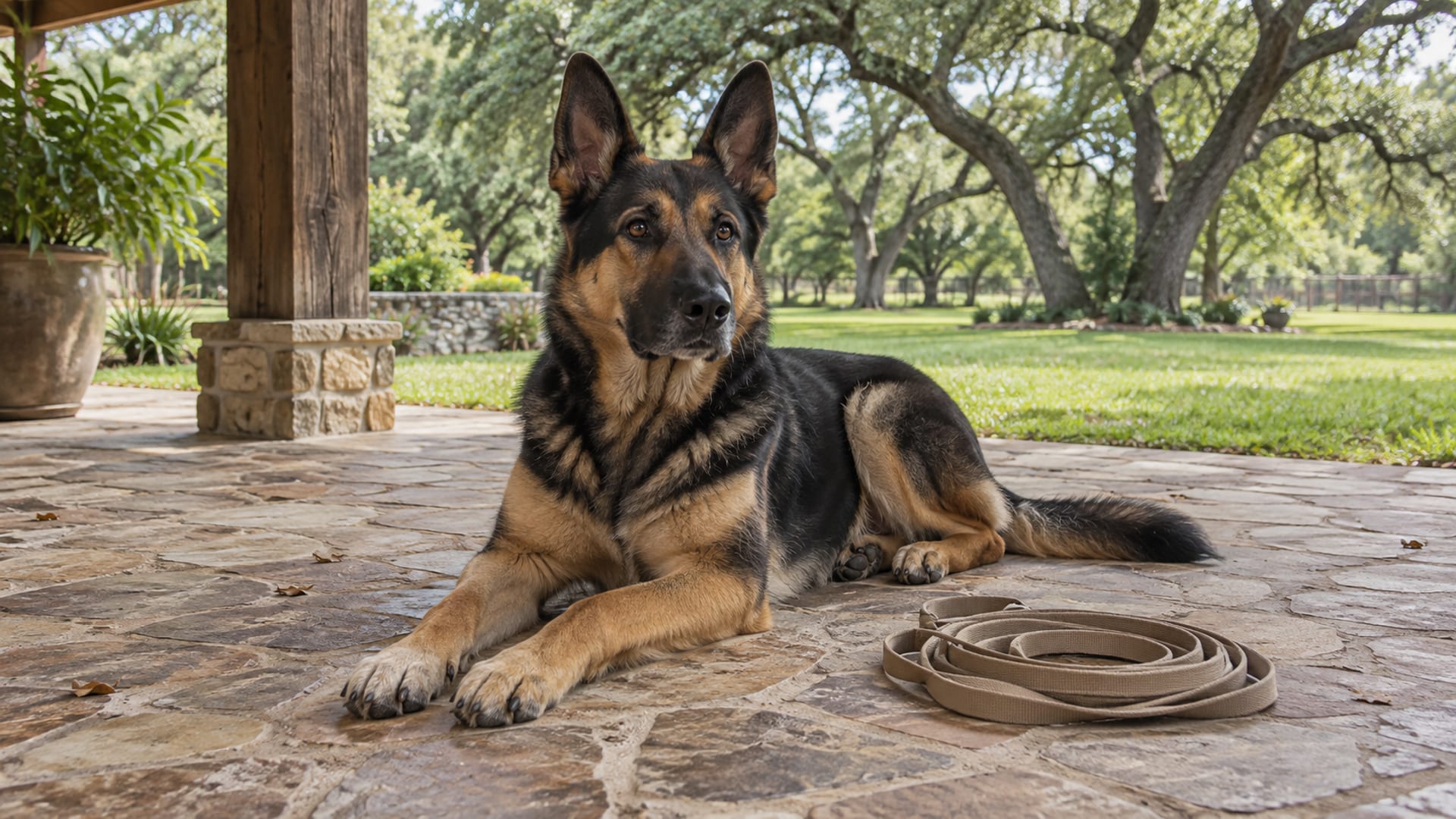
Maybe your dog drags you down the sidewalk, jumps on every guest and treats "come" as a suggestion. Maybe a vet, a daycare or a landlord said your dog "needs training." Or maybe you are about to spend real money on a class or a two-week program and want to know it is the right call.
The short answer: obedience training teaches your dog dependable everyday skills, like coming when called, walking on a loose leash, staying put and greeting people politely. A reward-based group class suits many basic goals. Private lessons fit a specific problem or a dog who cannot focus in a group. Fear, aggression, severe anxiety, pain or a sudden change in behavior is a job for your vet and a qualified behavior professional.
Below: what obedience training covers, each format with real published prices, the AKC Canine Good Citizen test, and the questions to ask before you book. For how to teach the skills yourself at home, see How to Train a Dog.
Key takeaways
Tap a card to bring it forward.
- Obedience means your dog responds to cues like sit, down, stay, come and walking on a loose leash, around everyday distractions.
- Group classes suit basic manners for dogs who can work safely near other dogs. Private lessons suit a specific problem or setting.
- Board and train only lasts if you are taught to keep it up when your dog comes home.
- Published prices on 2026-09-24: $149 for a 6-week Petco group class, $249 for 4 private lessons at a Houston Petco, $2,500 to $3,200 for two-week board and train programs.
- The AKC Canine Good Citizen (CGC) test covers 10 everyday skills. It makes a good goal for a family dog.
- Obedience classes do not treat aggression, fear or anxiety. Those need your vet and a behavior professional.
What obedience training covers
For a family dog, obedience usually means responding to cues and staying manageable around normal distractions. A typical course covers sit, down, stay or wait, come, loose-leash walking, paying attention to you, leave it, polite greetings and settling down. Petco's six-week Fundamentals course, for example, lists sit, down, come, leave it, wait and loose-leash walking, and its Advanced course adds heel, recall with distractions and polite greetings.
Manners are the everyday result most owners want: no jumping, no pulling, no door-dashing, no counter-surfing. Obedience cues are a big part of getting there.
Behavior modification is a different job. It changes an emotional response, like fear, panic when left alone, guarding food or aggression. A sit can be one piece of a behavior plan, but obedience on its own does not treat these problems. The ASPCA puts group classes in the basic-skills category and says guarding, handling problems, separation anxiety and aggression need an individual plan.
If your dog "does not listen," it is worth ruling out the other explanations first: a skill only practiced at home, a worried dog, or pain.
Group class, private lessons, board and train, or online
Prices below are what each provider published on 2026-09-24. They vary by city and change often, so treat them as examples and get a written local quote.
Tap or hover a row to highlight it.
| Format | How it works | Published example | Best for |
|---|---|---|---|
| FormatGroup class | How it worksWeekly sessions with a few other dogs and owners; you practice at home | Published examplePetco: six 1-hour weekly classes, $149; 12-week Fundamentals plus Advanced package, $249 | Best forBasic manners, first-time owners, dogs who can work calmly near other dogs |
| FormatPrivate lessons | How it worksA trainer coaches just you and your dog, at home or elsewhere | Published examplePetco Houston Southbelt-Ellington: 45-minute lessons, $39 intro, $249 for 4, $329 for 6 | Best forA specific problem, a busy schedule, or a dog who cannot focus in a group |
| FormatBoard and train | How it worksYour dog lives with the trainer for a set time, then you get handover lessons | Published exampleChesapeake Dog Training: 2 weeks, $3,200 with one handover and two follow-ups; Overtime K9: 2 weeks, $2,500 | Best forConcentrated practice, only with clear methods and real owner follow-up |
| FormatOnline | How it worksRecorded lessons, live video coaching or both; you do all the handling | Published exampleA 3.5-hour Udemy course listed at $11.99 | Best forMotivated owners with a relaxed, healthy dog and no safety concerns |
Sources: Petco, Petco Houston, Chesapeake Dog Training, Overtime K9, Udemy.
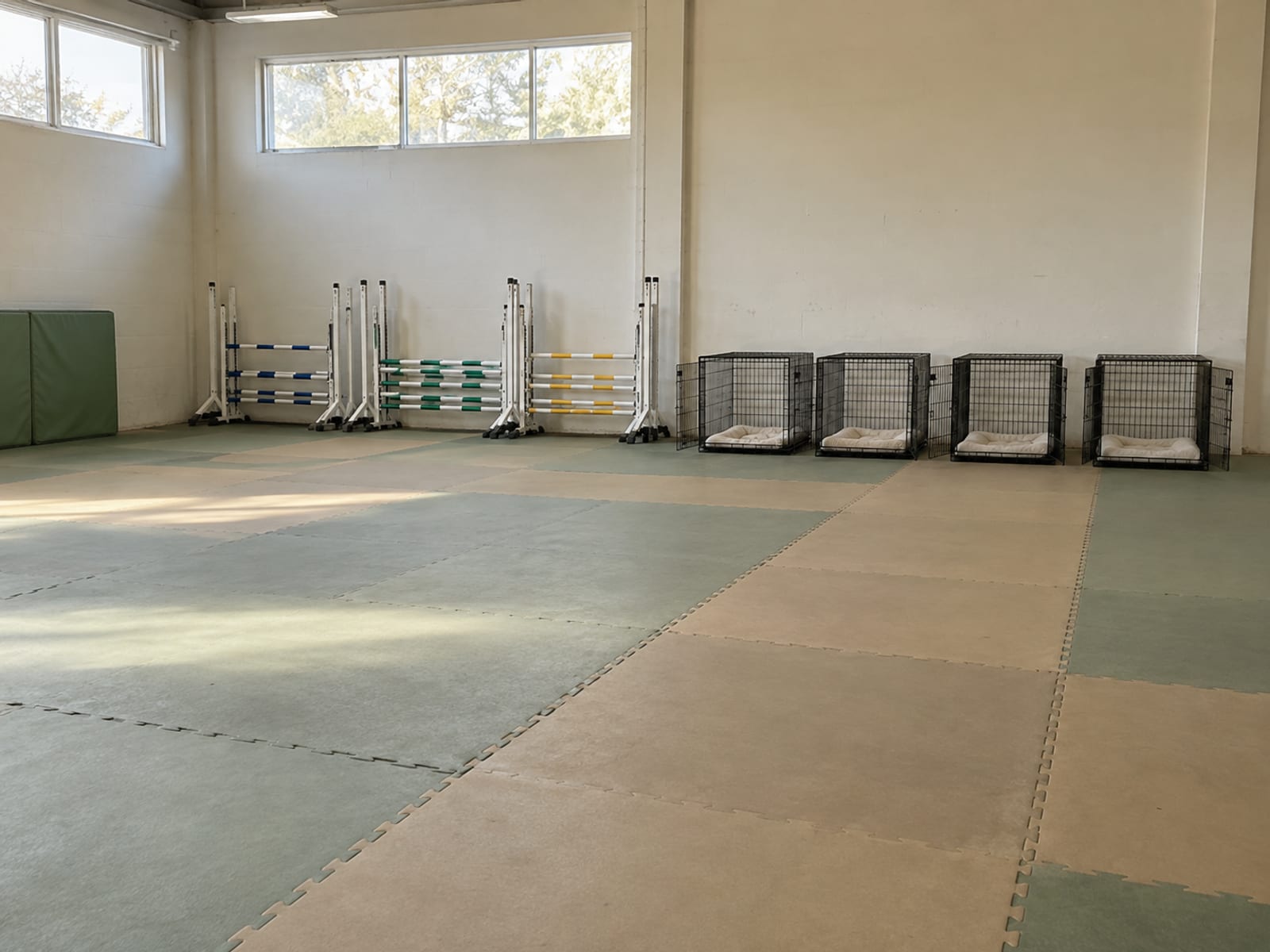
About board and train. Your dog gets a lot of practice in a short time, but you will not see how they are handled day to day. The ASPCA advises knowing and agreeing with the trainer's methods, and says board and train only works if the trainer teaches you to keep the skills going at home. Ask where your dog will sleep, who handles them, what a day looks like, how emergencies are handled, whether you can visit, and how many handover and follow-up lessons are included.
About online courses. A low price and a high rating do not tell you the instructor's qualifications. Check their credentials and methods, and skip online-only help for a dog who is fearful, reactive or has bitten.
The AKC Canine Good Citizen test
The Canine Good Citizen (CGC) program is a clear, practical goal for many pet dogs. Your dog must pass all 10 items with an AKC-approved evaluator, and you sign a Responsible Dog Owner's Pledge:
- Accepting a friendly stranger
- Sitting politely for petting
- Appearance and grooming (being handled and brushed)
- Walking on a loose leash
- Walking through a crowd
- Sit, down and stay in place
- Coming when called
- Reacting politely to another dog
- Reacting calmly to distractions
- Supervised separation (a few minutes with the evaluator while you are out of sight)
Any dog can take part, purebred or mixed, with no age limit. For puppies, AKC's S.T.A.R. Puppy program is a six-class starter course, and CGC Advanced (Community Canine) and Urban CGC test the same skills in real public settings.
What the CGC is not: a government license, a guarantee your dog is safe everywhere, or a service-dog qualification. No federal law requires it for housing or service animals, though some landlords, therapy programs or other organizations choose to ask for it.
Questions to ask a trainer before you book
Dog training is not licensed in the United States, so a title alone tells you little. Ask:
- What credentials do you hold, and what do the letters mean? Look for independent ones like CPDT-KA, CPDT-KSA or an IAABC credential, and check them in the certifying body's directory.
- What methods and equipment will you use with my dog? Ask for a plain explanation and a demonstration, and what happens when the dog does not respond.
- Will you use or recommend choke, prong or shock collars, leash corrections or other pain- or fear-based methods? You want a clear no.
- Have you worked with dogs like mine? Include age, history, and any fear, guarding, bite or health concerns. When do you refer to a vet or veterinary behaviorist?
- What exactly is included? Number and length of sessions, class size, location, a written plan, make-ups, follow-ups, cancellation policy, total cost and equipment fees.
- How will you measure progress? Do you guarantee results? The ASPCA says a trainer should not guarantee results.
- Can I watch a class or a first session?
Good signs: clear answers, gentle handling, realistic promises, a written plan and a willingness to refer. Think twice about talk of dominance or being the "alpha," vague answers about tools, guarantees, and brushing off fear or pain, according to the CCPDT.
What progress looks like
A six-week course gives you a schedule. Your dog may sit perfectly in the kitchen and still struggle near other dogs or at the park; skills have to be practiced in new places, with new people and more distractions, and kept up at home.
What progress looks like during and after a course
The first sessions
Your dog engages with you, understands the marker or cue, and responds in a quiet setting.
The following weeks
More correct responses with you, in familiar places. You keep a simple practice log.
After the course
The same skills in gradually harder places you plan for, building up to busy spots like the park.
Setbacks after a routine change, a health problem, adolescence, a new home or a big jump in distractions are normal. Make it easier for a while and build back up.
Mistakes that waste time and money
- Expecting skills in places you have not practiced. Build up distance, time and distraction step by step.
- Different rules from different people at home. Agree on the cues, the release word, the rewards and the house rules, and bring everyone who handles the dog to a lesson if you can.
- Treating fear, pain or aggression as a training gap. Start with your vet, and get individual help.
- Choosing a trainer by price or promise alone. Ask the questions above and compare at least two.
- Punishment and harsh tools. The American Veterinary Society of Animal Behavior (AVSAB) says evidence supports reward-based methods for all dog training and there is no evidence aversive training is necessary. Positive reinforcement dog training explains the method.
- Board and train with no plan for when your dog comes home. Choose a program that trains you too.
When to go beyond a class
A reward-based class is a reasonable start when your dog can safely work near people and dogs. Bring in a private trainer or behavior consultant sooner when you cannot practice safely, progress has stalled, or you are dealing with guarding, handling problems, serious leash reactivity, fear, separation distress or destruction.
Call your vet first for a sudden change in behavior or signs of pain or illness. The ASPCA says the first aggressive behavior toward anyone warrants professional help, even if no one was hurt. Until you have help, keep your dog out of situations where aggression is a risk, and do not punish warning signs like growling.
Matching the professional to the problem:
- Basic skills and owner coaching: a certified trainer (CPDT-KA or CPDT-KSA, or IAABC-ADT) who uses rewards.
- Fear, anxiety, aggression or a safety risk: a certified behavior consultant (CBCC-KA or IAABC-CDBC) working with your vet, and a veterinary behaviorist (DACVB) where available.
- A sudden or possibly medical change: your vet first.
A trainer who can show you what to teach first is worth a lot. DW Dog Training's list of the 10 commands to teach first is a good example of a trainer's starting plan.
Check what you learned
Quick check: obedience training
Questions about obedience training
What age should a dog start obedience training?
Training can start the day your dog comes home. The American Veterinary Society of Animal Behavior says well-run puppy classes can begin as early as 7 to 8 weeks, once a puppy has had a first set of vaccines at least 7 days earlier and a first deworming. Adult dogs of any age can start too; the CGC program has no age limit.
What are the basic obedience commands for dogs?
Most courses cover sit, down, stay or wait, come, loose-leash walking, leave it and polite greetings. The AKC Canine Good Citizen test adds walking through a crowd, calm reactions to other dogs and distractions, accepting handling, and staying calm with another person for a few minutes.
How much does dog obedience training cost?
It varies by city and format. On 2026-09-24, Petco listed six-week group classes at $149, a Houston Petco listed four 45-minute private lessons at $249, and two-week board and train programs were listed at $2,500 and $3,200. Get a written quote that says what is included.
How much does a 2-week board and train cost?
The two published examples found on 2026-09-24 were $2,500 (Overtime K9) and $3,200 (Chesapeake Dog Training, including boarding, one handover lesson and two follow-ups). Ask how many owner lessons are included, because that is what makes the training last.
Is a group class or private training better?
A group class suits basic manners for a dog who can work calmly near others. Private training suits a specific problem, a specific place or a dog who cannot focus in a group. The trainer's methods matter more than the format.
Should a trainer use a prong or shock collar?
AVSAB's 2021 position is that reward-based methods should be used for all dog training and that there is no evidence aversive methods are necessary. Ask any trainer to explain every tool before you book.
Pick your next step
Write down the one or two things you most want from training, like a loose leash on walks or a dog who comes when called. If fear, aggression or a sudden change is part of the picture, call your vet first. Otherwise, compare two reward-based trainers with the questions above, get the price and follow-up in writing, and plan a few minutes of practice a day. If you have a question, write to me through the contact page.
Sources
- American Kennel Club: AKC
- American Veterinary Society of Animal Behavior: American Veterinary Society of Animal Behavior
- American Veterinary Society of Animal Behavior: American Veterinary Society of Animal Behavior
- ASPCA: ASPCA
- ASPCA: ASPCA
- ASPCA: ASPCA
- Certification Council for Professional Dog Trainers: CCPDT
- chesapeakedogtraining.net: Chesapeake Dog Training
- DW Dog Training: the 10 commands to teach first
- overtimek9.com: Overtime K9
- petco.com: Petco
- stores.petco.com: Petco Houston
- udemy.com: Udemy