
Kidney Disease in Dogs: Early Signs, Stages, Diet and When It Is an Emergency
By Cal Hewitt · Published
Health
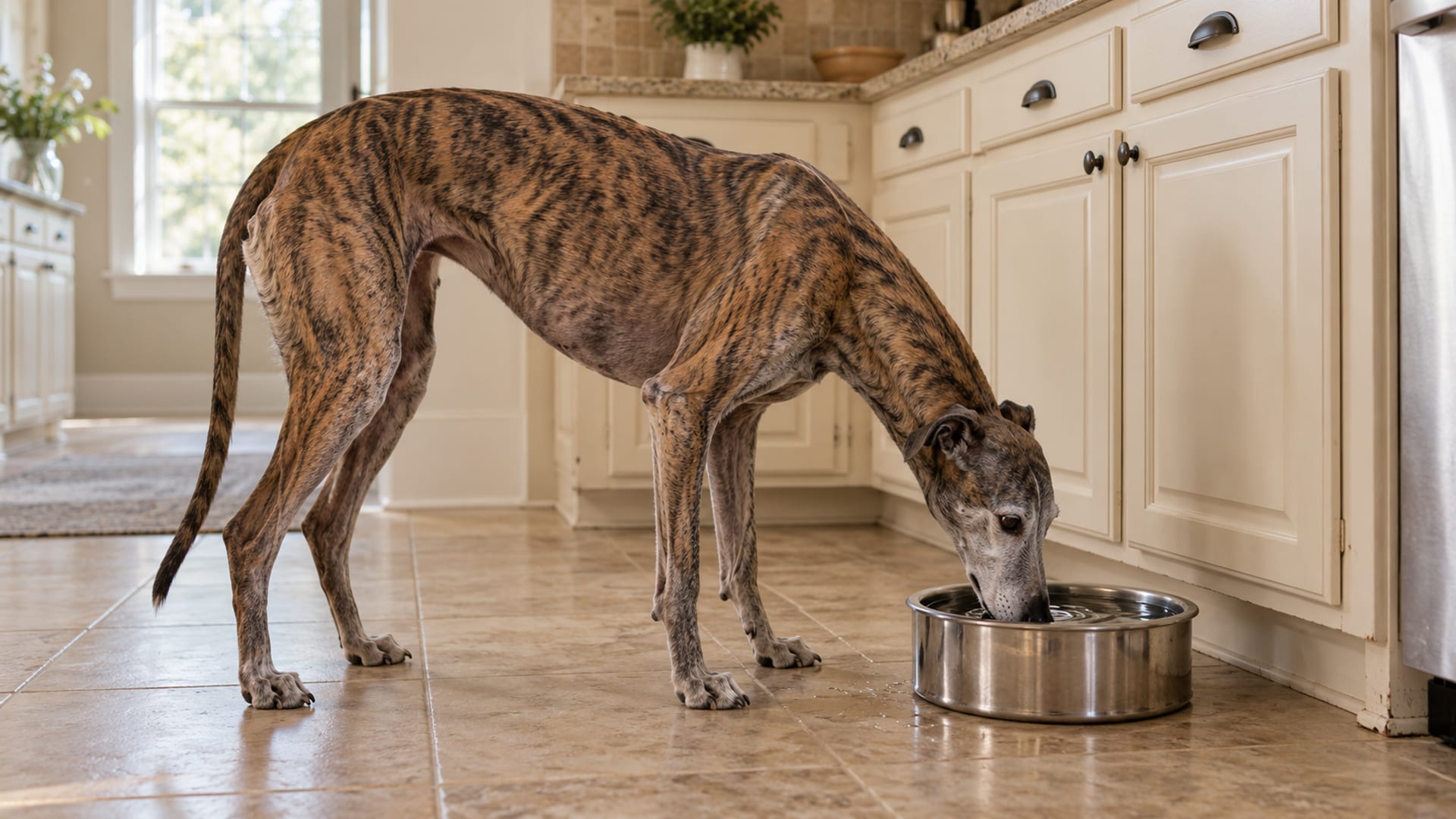
If you think your dog got into antifreeze, grapes, raisins or a pain pill like ibuprofen, can't pee, has collapsed, or keeps vomiting, call an emergency vet or poison control now. Kidney disease in dogs can mean chronic kidney disease (CKD), which develops over time, or acute kidney injury (AKI), which can appear suddenly after toxins, infection, obstruction, shock or some medicines.
Early CKD often shows up as more drinking and urinating. Later disease can bring weight loss, poor appetite, vomiting, dehydration, tiredness, bad breath and mouth ulcers. Your vet uses bloodwork, urine tests and blood pressure to find out which one you're dealing with, and may then stage stable CKD from IRIS stage 1 through 4, according to the Merck Veterinary Manual and IRIS.
Key takeaways
Tap a card to bring it forward.
- A suspected toxin, no urine, collapse, repeated vomiting or sudden severe illness means an emergency vet right away.
- Drinking more, urinating more, accidents, weight loss or bad breath call for a prompt vet visit, even when your dog seems fine otherwise.
- CKD builds over time. AKI is sudden and can follow toxins, infection, obstruction, shock or some medicines.
- IRIS stages 1 through 4 describe stable CKD. They are not a percentage of kidney function.
- A renal diet controls phosphorus, protein and sodium. Rice, chicken or eggs alone don't make one.
- Survival numbers are group estimates that vary a lot by stage. Your vet is the one who can speak to your dog.
When is it an emergency, and what should I do right now?
Some kidney problems can't wait for a regular appointment. Go to an emergency clinic, or call the clinic and poison control on the way, for any of these, based on VCA Animal Hospitals and the ASPCA:
- A known or suspected swallow of antifreeze, grapes, raisins or an NSAID (a pain medicine such as ibuprofen)
- Not being able to pee, or a big drop in how much urine your dog makes
- Collapse, severe weakness, confusion or seizures
- Vomiting again and again, or not being able to keep water down
- Sudden, severe decline
- A dog who is very depressed, can't stand, or looks like they're in shock
If it might be a toxin, don't wait for signs. Kidney damage from antifreeze, grapes and raisins can start before you see anything. Tell the clinic what your dog got into and when, and use the amount and treatment the veterinary team or poison control gives you. Our dog toxin dose checker can help you organize what you know before you call, and our guide to carprofen for dogs explains why NSAIDs and kidneys are a concern. If you're not sure where to go, use our emergency vet directory.
My dog is drinking more, peeing more or losing weight. Is that kidney disease?
It might be, but it might not. Merck describes increased thirst and urination as common early signs of kidney disease, and they also show up with other illnesses. Diabetes, Cushing's disease, liver disease and some medicines can look the same. That's why I'd treat this as a reason to book a prompt appointment, not as a diagnosis you make at home.
Book a visit soon if you notice new thirst, more urine, accidents in the house, weight loss, a weaker appetite, vomiting or bad breath. Your vet can test for kidney disease and for the other possibilities in one visit. Our articles on diabetes in dogs, Cushing's disease in dogs and Addison's disease in dogs cover conditions that overlap with these signs. If your dog is a senior, our senior dog care guide explains which changes are normal aging and which deserve a call.
What are the early signs and the later signs?
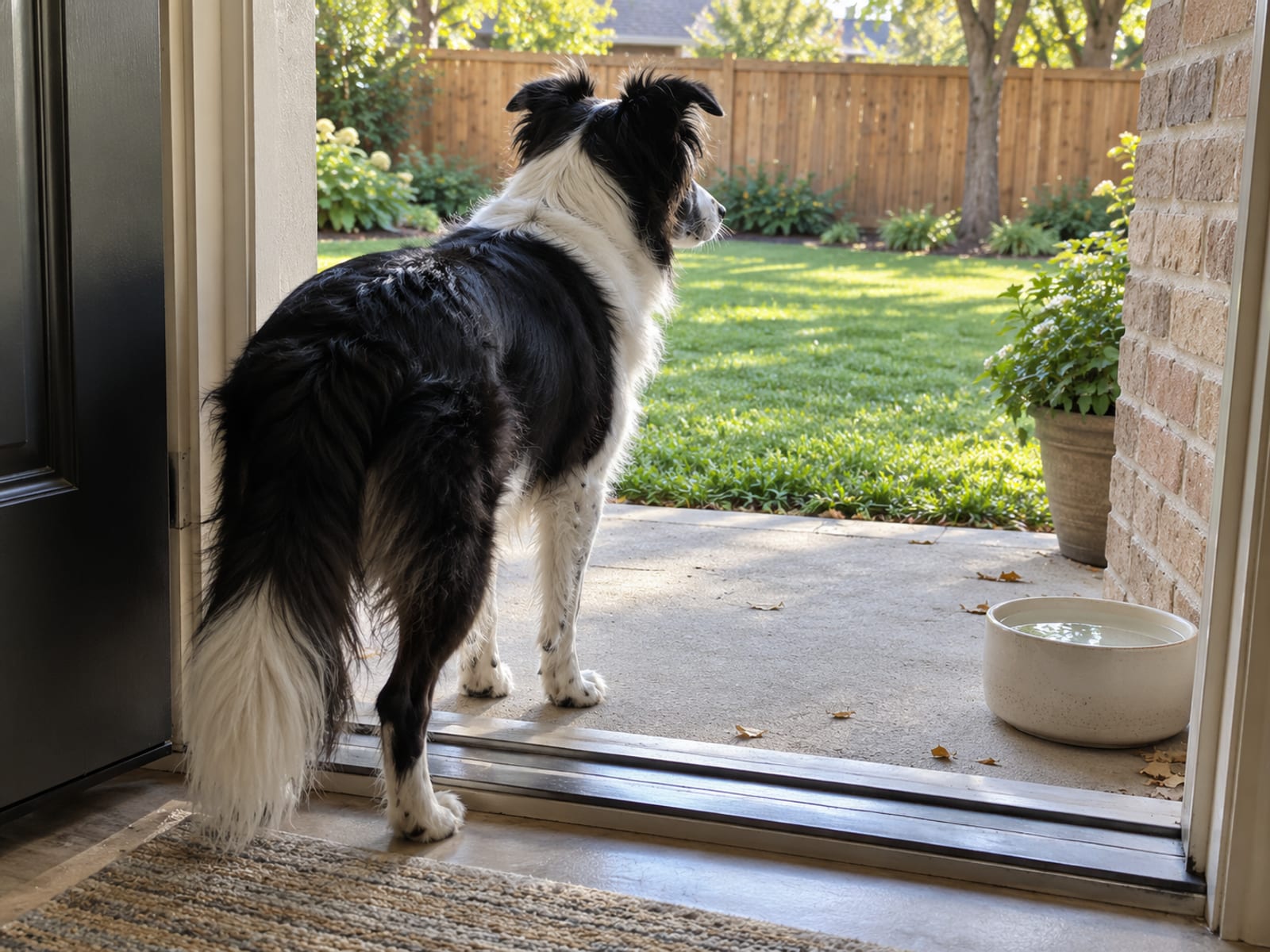
Early on, many dogs only drink and urinate more, and that can be easy to miss. Merck lists these common signs as the disease moves along:
- More thirst
- More urine, or urinary accidents
- Weight loss
- Less appetite
- Vomiting
- Tiredness
- Dehydration
- Bad breath, sometimes with a urine-like smell
- Mouth ulcers in advanced disease
- Diarrhea in more advanced disease
Stage 1 may have no visible signs at all. Signs like these often point to a problem, but they can't tell you which one. If your dog is vomiting or not eating, our guides on dog vomiting, dog diarrhea and what to do when your dog isn't eating can help you decide how fast to move. Knowing your dog's normal helps too, and our signs of a healthy dog page lists normal vital signs.
What's the difference between chronic kidney disease and acute kidney injury?
CKD is lasting kidney damage or reduced kidney function. The kidneys slowly lose the ability to concentrate urine and clear waste. Merck says CKD can be linked to aging, inherited or congenital kidney problems, long-term infection or inflammation, immune-mediated disease, glomerular disease, urinary obstruction and tumors. In some dogs, the cause is never found. Age is a risk factor, not a diagnosis, so an older dog's kidney signs still need testing.
AKI is a sudden drop in kidney function. VCA lists antifreeze, grapes, raisins, NSAIDs, certain antibiotics, blocked urine flow, shock, low blood pressure, kidney infection, heatstroke, heavy metals, rat poison and some plants among the possible causes. Depending on the cause, how bad it is and how fast treatment starts, AKI may reverse, partly reverse, or be fatal. It can also hit a dog who already has CKD.
Leptospirosis is an infection that can cause AKI and can also affect the liver. It can spread to people, so ask your vet about your own risk if it's suspected. Our leptospirosis in dogs article covers signs, emergency care and the vaccine.
You may see "enfermedad renal," "insuficiencia renal" or "falla renal" used for these conditions. They're not interchangeable. CKD and AKI have different causes, timing and outlooks.
How does the vet test for it, and what do the IRIS stages mean?
Your vet starts with your dog's history and a physical exam. According to Merck and IRIS, testing can include:
- A complete blood count and chemistry panel
- Creatinine and BUN, which are waste products the kidneys clear
- SDMA, a blood marker that can show kidney changes
- Electrolytes, phosphorus, calcium and acid-base balance
- Urinalysis and urine specific gravity, which shows how well the kidneys concentrate urine
- Urine protein and the urine protein-to-creatinine ratio
- A urine culture if infection is suspected
- Blood pressure
- Radiographs or ultrasound when needed
- More tests to look for an underlying cause
IRIS staging applies to stable CKD, not to every odd lab result. A dog who is dehydrated or sick with something else can have a temporary change, so your vet may repeat tests. IRIS uses creatinine and/or SDMA to set the stage, then substages by the amount of protein in the urine and by blood pressure.
In plain terms, as Merck and IRIS describe it:
- Stage 1: There may be kidney damage without clear azotemia (waste building up in the blood), and your dog may look normal.
- Stage 2: Mild azotemia. More thirst and urination may appear, though signs can still be mild.
- Stage 3: Moderate azotemia. Many dogs show clearer changes in appetite, weight, hydration, stomach upset or energy.
- Stage 4: Severe azotemia and advanced disease. Vomiting, poor appetite, dehydration, weakness and mouth ulcers may stand out.
The exact lab cutoffs come from IRIS's current canine staging document, and your vet will use the latest version. The stage is not a percentage of kidney function left, and it doesn't decide how long your dog will live by itself. If your vet hands you results, ask four things: which stage, whether there's protein in the urine, what the blood pressure was, and what the phosphorus level is.
What treatment might my dog get at each stage?
IRIS says treatment has to fit the individual dog and change as monitoring shows what's happening. So I can only tell you the kinds of care that exist, and your vet decides which ones apply, in what form and how much. Common pieces, per Merck and IRIS, include:
- Finding and treating an underlying cause when possible
- A veterinary renal diet, often started based on stage, phosphorus and appetite
- Water always available, plus hydration support
- IV fluids in the hospital during acute decline
- Fluids under the skin for some dogs, when the vet decides they fit and teaches you how to give them
- Medicine for nausea and vomiting
- Appetite support when it's appropriate
- Blood pressure medicine for ongoing high blood pressure
- Medicine for meaningful protein loss in the urine
- Phosphate binders given with meals when diet alone doesn't control phosphorus
- Treatment for anemia, acid-base problems, electrolyte problems, urinary infection and other complications
- Regular checks of weight, muscle, appetite, hydration, bloodwork, urine and blood pressure
In general, stage 1 and 2 care leans toward finding the cause, watching closely, checking blood pressure and urine protein, and supporting hydration and nutrition. Stage 3 and 4 care more often deals with nausea, appetite, dehydration, phosphorus and other complications. AKI can mean emergency hospitalization with IV fluids, toxin treatment, or intensive care, and VCA says IV fluids in hospitalized AKI cases often run 24 to 96 hours.
Not every dog with azotemia needs fluids under the skin, according to Merck. More water isn't automatically better, especially for dogs with heart disease or a risk of fluid overload. That's one more reason the vet sets the plan.
What should a dog with kidney disease eat?
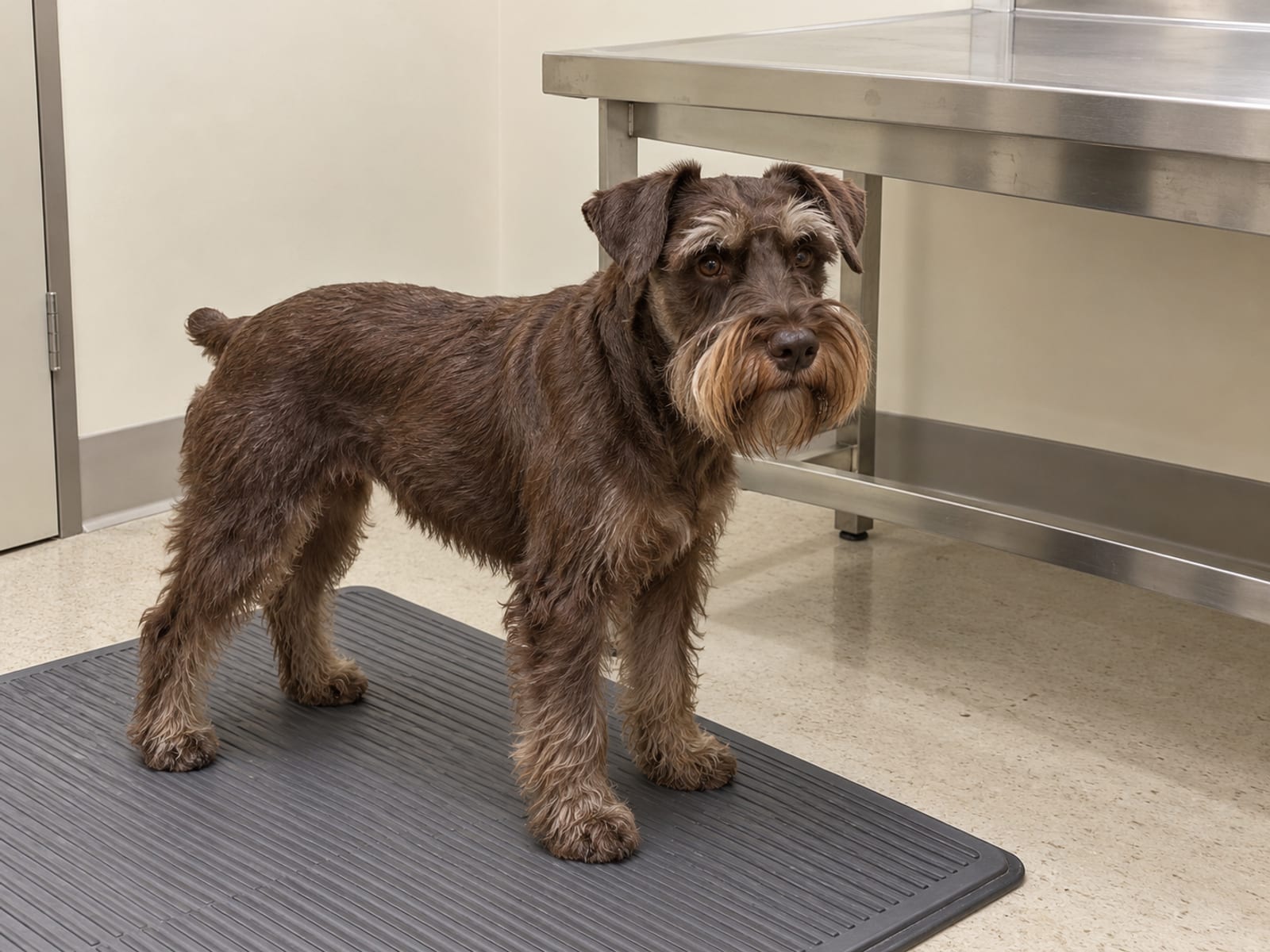
Food is one of the biggest parts of CKD care, and it's where owners often want a clear answer. Tufts Petfoodology says phosphorus is especially important, and describes renal diets as lower in phosphorus, protein and sodium. Veterinary renal diets generally aim to:
- Restrict phosphorus
- Give controlled amounts of high-quality protein, not cut protein out
- Limit sodium
- Supply enough calories
- Support hydration and appetite
Merck reports that dogs with CKD fed renal diets had longer survival and longer times to a uremic crisis in the veterinary evidence it cites. Your dog's best diet depends on the stage, the lab results, appetite and body condition. The 2021 AAHA nutrition guidelines also treat nutrition as central to care, including for CKD.
So, where do rice, eggs and chicken fit? Rice gives calories and carbohydrate but isn't a complete renal diet. Chicken and eggs are rich in protein and add phosphorus, so the portion has to fit the whole diet. They aren't automatically off the table, but they shouldn't replace a formulated diet without your vet's okay. If you're wondering about a specific food, our pages on eggs, rice and chicken cover the basics, and your vet can tell you how they fit your dog's plan.
If your dog turns up their nose at the new food, tell your vet. Appetite matters, and your vet can help with the switch, or with nausea that may be getting in the way.
Is homemade food or a treat okay?
Homemade food isn't automatically safe, and a pile of low-protein ingredients isn't a kidney diet. Tufts says kidney diets need control of phosphorus, protein, sodium, calories and other nutrients. The safe way to cook for a dog with CKD is a recipe formulated by a veterinary nutritionist for your dog's stage, lab values, calorie needs and other conditions, followed exactly and rechecked as things change.
Treats count too. Tufts' treat guidance points to phosphorus, sodium and protein in treats. Skip high-salt and high-protein treats unless your vet team says they fit. Never give grapes, raisins, onions, garlic or other known toxic foods. Our grapes and raisins pages explain why those two are a kidney risk.
Supplements don't replace a renal diet or veterinary care. Fish oil may suit some dogs, and phosphate binders have specific uses, but your vet should pick the product and watch how your dog responds.
How long do dogs live with kidney disease, and how do I know when quality of life is slipping?
I wish there was one number to give you, but there isn't. Survival depends on stage, cause, urine protein, blood pressure, phosphorus, muscle condition, appetite, other illnesses and how your dog responds to care. Two published studies show how much the numbers move:
Tap or hover a row to highlight it.
| Stage | 2018 study of 27 dogs (from enrollment) | 2026 study of 120 dogs |
|---|---|---|
| StageStage 2 | 2018 study of 27 dogs (from enrollment)14.78 months (95% CI 9.14 to 37.39) | 2026 study of 120 dogs370 days (95% CI 206 to 573) |
| StageStage 3 | 2018 study of 27 dogs (from enrollment)11.14 months (95% CI 0.46 to 38.35) | 2026 study of 120 dogs128 days (95% CI 66 to 187) |
| StageStage 4 | 2018 study of 27 dogs (from enrollment)1.98 months (95% CI 0.32 to 12.78) | 2026 study of 120 dogs13 days (95% CI 6 to 65) |
The 2018 Rudinsky study was small, and the 2026 study used different dogs, definitions and treatment, so don't combine them into one life expectancy. The wide ranges in the confidence intervals show how uncertain each estimate is. These are group medians. They can't predict how your dog will do, and they aren't a calculator.
End-stage disease may involve ongoing nausea or vomiting, refusing food, weight and muscle loss, dehydration, weakness, mouth ulcers, diarrhea, changes in how much your dog pees, and no longer enjoying normal things. Not every dog has every sign. CKD can cause real nausea, dehydration, weakness and mouth discomfort, and whether your dog is in pain is something your vet needs to assess. Your vet can treat nausea, hydration, appetite and mouth soreness, then talk with you about whether the care is making your dog feel better.
When you look at quality of life, think about appetite, hydration, vomiting, comfort, moving around, interacting with you, sleep, hygiene, enjoyment and the balance of good days and bad days. Deciding about euthanasia is a hard, loving decision made with your vet, based on your dog's welfare, how the illness is going, how treatment is working and your family's situation. Nobody can make that choice for you, and my job here isn't to push you either way. Our guide on when to put a dog down is there when you want to think it through.
What does kidney disease cost, and what should I ask for?
Costs vary a lot by region, clinic, testing, hospital stays, medicines, prescription food, fluid supplies and complications. A routine recheck for a stable dog is a different bill than a hospital stay for AKI. Because of that range, the most useful step is to ask your vet for an itemized estimate that covers diagnostics, any hospitalization, rechecks, food, medicines and fluid supplies. If you have a regular vet, our veterinarian directory can help you find another one for a second look at the plan.
Questions worth bringing to the visit:
- Is this CKD or AKI, and what was the cause?
- What IRIS stage is my dog, and was it based on repeat tests?
- Is there protein in the urine, and what's the blood pressure?
- What phosphorus level are we aiming for?
- Which food should we use, and how do we switch without losing appetite?
- Does my dog need fluids, and will you show me how to give them?
- Which signs mean I should call you or go to the emergency clinic?
- When are the rechecks, and what will they cost?
Quick check: kidney disease in dogs
Questions owners ask about kidney disease in dogs
The short answers below add to the sections above.
What are the first signs of kidney disease in dogs?
Drinking and urinating more are the most common early signs. Weight loss, a weaker appetite, vomiting, tiredness, bad breath and mouth ulcers can follow as the disease advances. Because other illnesses cause the same signs, your dog needs tests to find out.
How long will a dog live with kidney disease?
It varies widely. Published studies give different median times by IRIS stage, but those are group estimates and don't predict one dog. Ask your vet what the stage, urine protein, blood pressure and your dog's response to care mean for your dog.
What should I not feed a dog with kidney disease?
Skip grapes, raisins, onions and garlic, and skip high-salt and high-protein treats unless your vet says they fit. Don't swap in a homemade mix on your own, because a kidney diet needs balanced phosphorus, protein, sodium and calories. Ask your vet or a veterinary nutritionist before changing food.
Are scrambled eggs good for dogs with kidney failure?
Eggs are protein-rich and add phosphorus, so they aren't automatically forbidden, but they aren't a free extra either. Whether and how much depends on your dog's stage and diet. Ask your vet how eggs fit the plan, since they shouldn't displace a formulated renal diet.
Can a dog with kidney disease eat rice, eggs or chicken?
A single ingredient isn't a complete renal diet. Rice gives calories, while chicken and eggs add protein and phosphorus. Your vet or veterinary nutritionist can tell you how, and whether, each fits your dog.
How much does it cost to treat a dog with kidney failure?
It depends on your area, the clinic, tests, hospitalization, medicines, food and fluids. Ask your vet for an itemized estimate before you start and again at each recheck, so you can plan.
When should I take a dog with kidney disease to the emergency vet?
Go right away for a suspected antifreeze, grape, raisin or NSAID exposure, no urine, collapse, severe weakness, repeated vomiting, severe dehydration or a sudden decline. If you're unsure, call the nearest emergency clinic and describe what you see.
What's your next step?
If your dog is drinking more, peeing more or losing weight, call your vet this week and ask for bloodwork, a urine test and a blood pressure check. If you've just heard the words "kidney disease," ask which stage and what the plan is, then write down the answers. If anything on the emergency list fits, don't wait. I'm rooting for you and your dog, and your vet team is the right partner for every medical decision from here.
Sources
- American Animal Hospital Association: 2021 AAHA nutrition guidelines
- ASPCA: ASPCA
- iris-kidney.com: IRIS
- iris-kidney.com: IRIS
- Merck Veterinary Manual: Merck Veterinary Manual
- PubMed Central: 2018 Rudinsky study
- PubMed Central: 2026 study
- sites.tufts.edu: treat guidance
- sites.tufts.edu: Tufts Petfoodology
- VCA Animal Hospitals: VCA Animal Hospitals