

Leptospirosis in Dogs: Signs, Emergency Care, Risk to People and the Vaccine
By Cal Hewitt · Published
Health
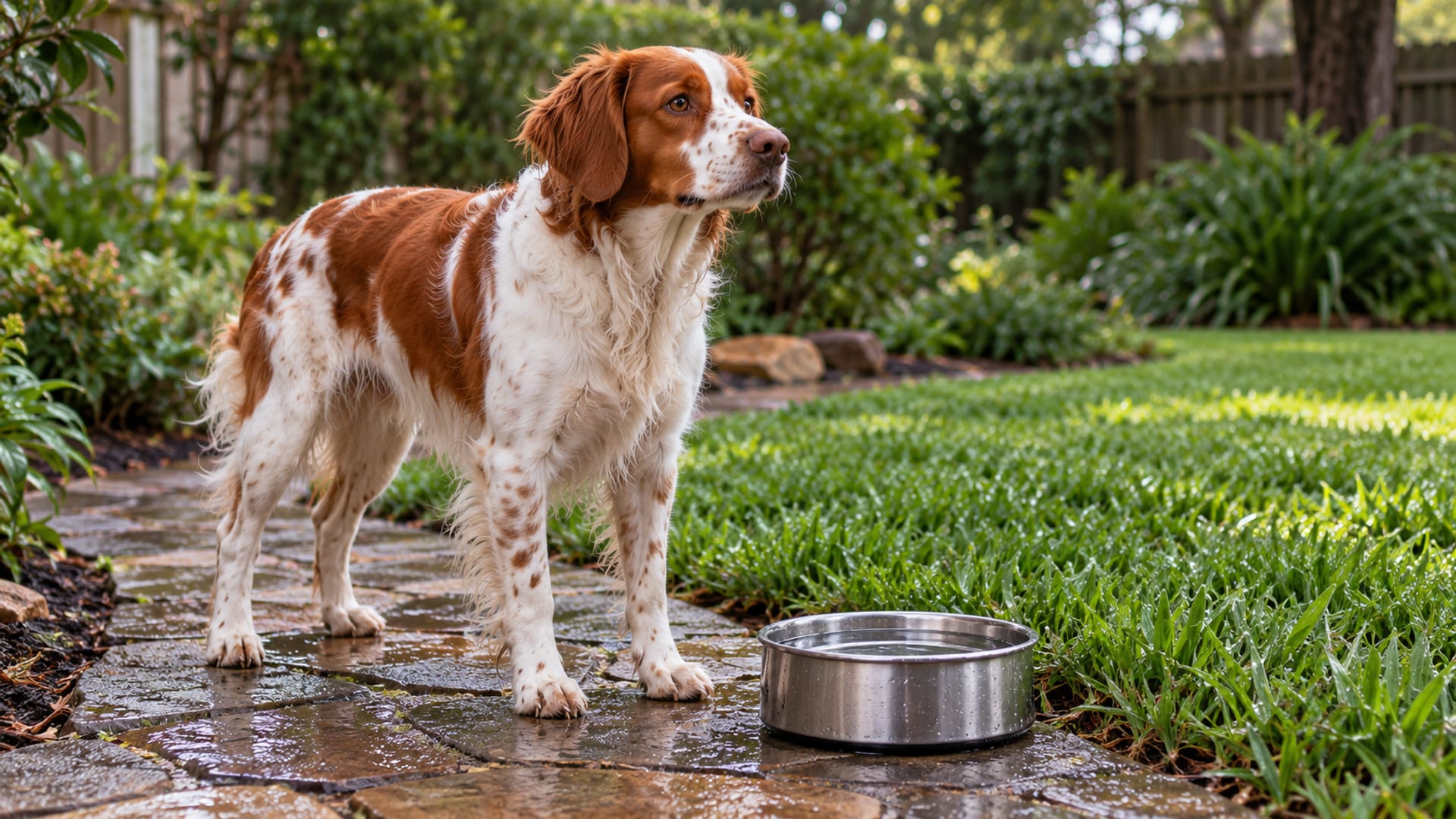
If your dog has trouble breathing, collapses, is very weak, keeps vomiting, has yellow eyes or gums, or is passing very little urine or none, go to an emergency clinic now and call ahead on the way. For milder signs after a puddle, pond or floodwater, call your regular vet today. Leptospirosis is a potentially life-threatening bacterial infection that dogs catch from urine-contaminated water, soil or animal tissue, and CDC says almost every dog is at risk, city dogs included. It can spread to people through urine or blood, so wear gloves, wash your hands, and ask your vet whether the vaccine fits your dog.
Key takeaways
Tap a card to bring it forward.
- Breathing trouble, collapse, severe weakness, repeated vomiting, yellow eyes or gums, or very little urine means an emergency clinic now.
- Fever, tiredness, poor appetite, vomiting, muscle soreness, or drinking and urinating more means a vet visit soon, and none of these signs proves leptospirosis.
- City, suburb and rural dogs can all be exposed, through rodents, wildlife, livestock, and urine in water or soil.
- People can catch it from an infected dog's urine or blood, so use gloves, cover cuts, wash your hands, and call your own doctor after a worrying exposure.
- Treatment is veterinary care with antibiotics and hospital support; I never give doses, and you shouldn't treat at home.
- Vaccines lower risk but don't cover every strain, so ask your vet what fits your dog's area and lifestyle.
Do you need an emergency clinic now, or a vet visit soon?
I know the moment you're in: your dog looks wrong, it's probably late, and you're reading this on your phone. Let's sort it into two piles.
Go to an emergency clinic now for breathing difficulty, collapse, severe weakness, repeated vomiting, marked dehydration, yellow eyes or gums, very little or no urine, signs of severe pain, or illness that is getting worse quickly. These are the warning signs CDC, Cornell and the Merck Veterinary Manual point to, and you can find a clinic in our emergency vets directory.
Book a regular vet visit soon for fever, tiredness, poor appetite, vomiting, diarrhea, muscle or joint pain, stiffness, increased thirst, or increased urination. If several of these show up together, don't wait to see if they pass.
Here is the honest limit. Every one of these signs can come from other illnesses, so the signs alone don't tell you whether it's leptospirosis. Only your veterinarian can sort that out. While you call, keep your dog from drinking from outdoor water, note when the signs started, and write down where your dog has been in the last few weeks. For general vomiting triage, our dog vomiting guide is the place to start, and you can find a regular vet in the vets directory.
What if your dog drank from a puddle, pond or floodwater, or you worry about your backyard?
Tell your vet exactly what happened, even if your dog seems fine right now. Some infected dogs show no signs, while others get sick within days, and CDC notes that vomiting, dehydration and back pain from kidney failure can develop over a few days.
When you call, mention these things:
- Puddles, ponds, lakes, streams, slow-moving water or floodwater your dog drank from or waded through.
- Rats, raccoons, other wildlife or livestock your dog has been near.
- Time at daycare, boarding, training facilities or dog parks.
- Your dog's vaccine history, including whether it has had a leptospirosis vaccine.
- Any changes in drinking, urinating, appetite, energy or vomiting.
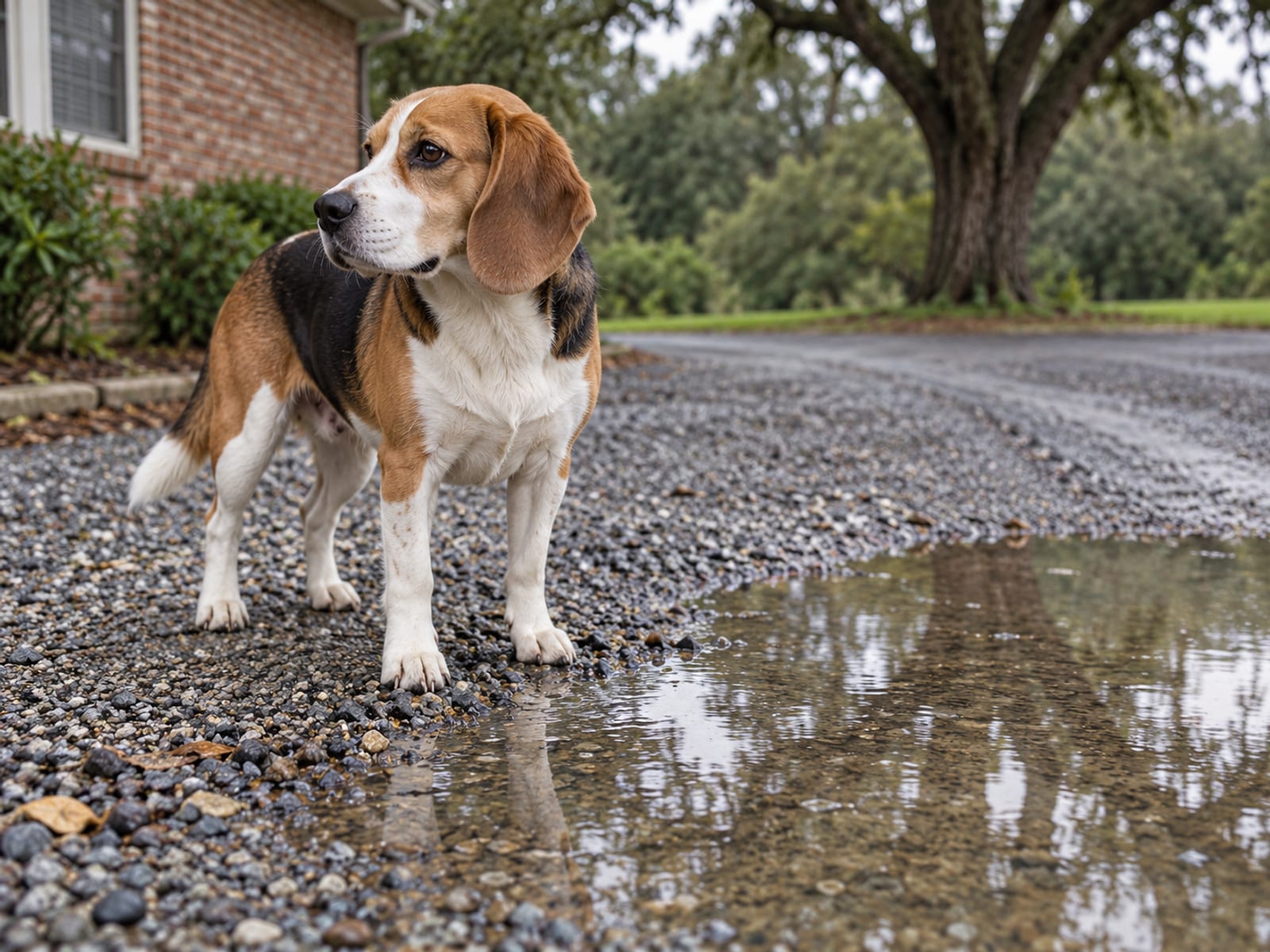
You also asked about the backyard, and I'll give it to you straight. CDC says dogs in cities, suburbs and rural areas can all be exposed, and AAHA says small dogs in urban and suburban areas can pick it up through rodents and wildlife. Drinking isn't the only route; contact with infected urine, wet soil, broken skin or the lining of the eyes, nose and mouth can do it too. So, a fenced yard that rodents or wildlife visit is worth a conversation with your vet.
What is leptospirosis, and how do dogs catch it?
Leptospirosis is an infection caused by bacteria called *Leptospira*. It can damage the kidneys, liver, lungs and other organs, and it ranges from no signs at all to organ failure, according to UC Davis and Merck. AAHA names *L. interrogans* and *L. kirschneri* among the species involved, and the strains that cause disease vary by place and over time.
The bacteria spread mainly through urine from infected rodents, wildlife, livestock, pets and other animals. That urine can contaminate water and soil, where CDC says the bacteria may survive for weeks to months under the right conditions. Dogs can be exposed by:
- Drinking from or wading through stagnant or slow-moving water such as puddles, ponds, lakes, rivers and streams.
- Contact with wet, contaminated soil.
- Direct contact with infected urine or other body fluids.
- Entry through broken skin, or through the eyes, nose or mouth.
- Contact with infected animal tissue.
CDC lists wildlife, farm animals, dog parks, boarding and training facilities among the places where exposure can happen. That is a list of where contact can occur, not a claim that those businesses cause disease.
Leptospirosis is not the same as tick-borne illness. Lyme disease comes from ticks, while leptospirosis is tied to urine, water and soil; our ticks and Lyme disease guide covers the other one. Boarding and daycare also come up with kennel cough, but those are different diseases with different vaccines.
Can people catch leptospirosis from a dog?
Yes. CDC says people can be infected through urine or other body fluids from an infected animal, or through water or soil contaminated with that urine. An incompletely treated animal may shed bacteria in its urine for up to three months, so a dog that looks better can still be a source until your vet says treatment is complete.
CDC's precautions for owners are practical:
- Avoid contact with urine or blood from an infected animal before it has been properly treated.
- Cover cuts and wounds with waterproof dressings.
- Wear gloves, boots and protective clothing when you have to handle urine or tissue.
- Wash your hands after handling the dog or anything that may have urine or feces on it.
- Clean contaminated surfaces with an antibacterial cleaner or a mix of one part household bleach to ten parts water, as CDC's animal guidance describes.
- Call your vet about the dog, and call your own doctor if you may have been exposed or feel sick afterward.
Merck says strict isolation isn't required, but barrier precautions and staying away from urine and blood matter. If anyone in the home gets a fever, headache, chills, muscle aches, vomiting, diarrhea or yellow skin or eyes after the dog's illness, get medical attention promptly and tell the doctor about the dog. Don't try to diagnose yourself. CDC's Spanish-language page on the human disease gives an incubation period of 2 to 30 days in people.

How do vets test for leptospirosis?
Your vet will start with an exam and your dog's exposure history, then usually run a complete blood count, a chemistry panel for kidney and liver values, electrolytes, and a urinalysis. Merck lists changes that can show up in bloodwork, including azotemia (waste products building up because the kidneys aren't keeping up), high phosphate, acidic blood, and sodium or potassium shifts.
Two tests look for the bacteria or your dog's response to them:
- PCR looks for *Leptospira* DNA in blood, urine or tissue.
- MAT, the microscopic agglutination test, looks for antibodies. Your vet may repeat it a couple of weeks later to see whether levels change.
Chest X-rays may be taken if your dog has breathing trouble or the vet suspects bleeding in the lungs, and ultrasound can check the organs. Vaccine history matters here. AAHA says vaccination can affect MAT and other antibody tests, but it does not cause a positive real-time PCR result. A positive antibody test on its own doesn't prove active disease, and your vet reads it alongside history, exam and bloodwork.
Cost varies a lot with your region, whether it's an emergency, how long your dog stays, and whether oxygen or dialysis is needed. Ask your regular vet or the emergency clinic for an itemized estimate covering the exam, bloodwork, PCR or antibody testing, imaging, hospital days and fluids. Please don't let the cost question delay that first call.
What do treatment and hospital care involve?
Treatment is veterinary care, not a home plan, and I don't give doses. Merck names doxycycline as the main drug for dogs. The 2010 ACVIM consensus statement also prefers doxycycline and discusses penicillin or ampicillin when a dog can't tolerate it. The same statement says treatment shouldn't wait for test results, which is a clinical call your vet makes.
Cornell says hospital care with IV fluids and electrolyte management is often needed at first. Depending on how sick your dog is, hospital support can also include:
- Medicine for nausea and pain.
- Stomach protection and nutrition support.
- Treatment for blood pressure problems.
- Oxygen for breathing trouble.
- Dialysis for severe kidney injury.
When your dog comes home, follow the discharge plan exactly, and keep the urine precautions above in place until your vet tells you the dog is no longer a risk to the household.

Can a dog survive leptospirosis?
Many dogs do recover, and the honest answer is that it depends on how much organ damage has happened, whether the lungs are involved, how fast treatment starts, and which dogs a study looked at. The numbers below are group results from specific studies, not a prediction for your dog.
Tap or hover a row to highlight it.
| Study | Dogs | Result |
|---|---|---|
| Study2010 ACVIM consensus statement, two studies of dogs with frequent breathing complications | DogsTwo studies | ResultMortality of 48% and 36%; the studies were European |
| Study2010 study of dogs with lung abnormalities or breathing signs | Dogs50 | Result32 survived and 18 were euthanized, a 64% survival proportion |
| Study2022 study of persistent urinary shedding after treatment | Dogs32 | Result1 death, a 3% short-term case-fatality rate in a selected group |
| Study2024 retrospective study with urine PCR testing | Dogs84, with 22 PCR-positive | Result8 leptospirosis-related deaths among the 22, or 36.4% |
Each of these studies has limits. The 2010 ACVIM statement drew on European studies that may not match every US case. The 2010 lung study covered only dogs with breathing problems. The 2022 study was a selected group and isn't the survival rate for all infected dogs. The 2024 study was retrospective, which limits how far it can be generalized. If you're scared right now, talk to your vet about your own dog's bloodwork and what they expect.
What do AAHA and WSAVA say about the vaccine, boosters and reactions?
The two big guideline groups put it a little differently. AAHA says its guidelines were updated in 2024 to include leptospirosis as a recommended core vaccine for all dogs. Its 2022 guideline PDF had listed it as noncore but strongly recommended for most dogs in North America, so you may see both labels online. WSAVA's 2024 guideline takes a geographic approach: where canine leptospirosis occurs, the local serogroups are known and suitable vaccines exist, vaccinating all dogs is highly recommended and the vaccine should be considered core.
A few facts about how it works:
- Strains: AAHA recommends four-serovar vaccines in North America, because important disease-causing serovars include Canicola, Icterohaemorrhagiae, Pomona, Bratislava, Autumnalis and Grippotyphosa. Vaccines give only partial or no protection against unrelated serogroups, so a vaccinated dog can still get sick.
- Schedule: AAHA says boosters are needed yearly and reports protection lasting roughly 12 to 18 months, depending on the serovar. The AVMA client brochure describes two initial shots starting at 12 weeks, then annual boosters. Your vet's schedule and the product label control the plan for your dog, and our new puppy checklist covers puppy vaccine timing.
- Reactions: AAHA reports fewer than 53 adverse events per 10,000 doses in the data it cites. Most were minor, and serious allergic reactions were no more common than with other vaccine antigens. Reactions were more likely in smaller and younger dogs. Risk isn't zero.
The AVMA adds that vaccination reduces the chance an infected dog will spread leptospirosis to others. I'm not telling you what to do here. Take your dog's location, lifestyle, health history and travel to your vet and decide together.

How can you lower the risk at home and on walks?
- Keep your dog from drinking puddles, ponds, lakes, streams, floodwater and other questionable water.
- Carry clean drinking water on walks, hikes and trips, and send it along to daycare, boarding and training.
- Cut rodent access around food, water, trash, kennels and outdoor areas, and keep food, water and garbage in closed containers.
- Use gloves and protective clothing around urine or blood from a dog that might be infected, keep cuts covered, and wash your hands afterward.
- Ask your vet whether the leptospirosis vaccine suits your dog, and follow the schedule if you choose it.
- Call your vet promptly if your dog gets sick after a possible exposure.
After a storm or flood, CDC's Spanish-language guidance on contaminated water covers wounds, protective clothing, rodent control and when to get medical attention.
Questions owners ask about leptospirosis
These short answers cover what owners ask most.
Can my dog get lepto from my backyard?
Yes, it's possible. CDC says dogs in cities, suburbs and rural areas can be exposed, and rodent or wildlife urine in soil or standing water is a source. If wildlife or rats visit your yard, tell your vet, who can advise on vaccination for your area.
Can a dog recover from leptospirosis?
Many dogs do, especially with prompt veterinary care. The studies above show a wide range of outcomes depending on organ damage and breathing problems, so your vet is the right person to tell you what to expect for your dog.
Is the lepto vaccine really necessary for dogs?
AAHA recommends it as a core vaccine for all dogs, and WSAVA says to consider it core where the disease occurs and suitable vaccines exist. It doesn't cover every strain, and reactions are rare but possible, so ask your vet what fits your dog.
What are the early signs of leptospirosis in dogs?
Early signs can include fever, tiredness, poor appetite, vomiting, muscle or joint soreness, and drinking or urinating more. Some dogs show no signs at all, and these signs don't point to one disease, so a vet visit is the way to find out.
What should you do next?
If your dog is showing any emergency sign, call an emergency clinic now and tell them about any puddle, pond, flood or wildlife exposure. If the signs are milder, book your regular vet today and bring your notes on where your dog has been and what vaccines it has had. If you've handled urine, wash up, cover any cuts, and call your own doctor if you feel unwell. You can compare regular vets in our vet directory, find urgent care through the emergency vets directory, and read about a look-alike illness in our parvo in puppies guide or distemper in dogs guide. You're already doing the right thing by asking early.
Sources
- academic.oup.com: 2010 lung study
- academic.oup.com: 2022 study
- American Animal Hospital Association: AAHA
- American Animal Hospital Association: AAHA
- American Veterinary Medical Association: AVMA client brochure
- cdc.gov: animal guidance
- cdc.gov: CDC's Spanish-language guidance
- cdc.gov: CDC
- Cornell University College of Veterinary Medicine: Cornell
- Merck Veterinary Manual: Merck Veterinary Manual
- PubMed Central: 2010 ACVIM consensus statement
- PubMed Central: 2024 study
- UC Davis School of Veterinary Medicine: UC Davis
- wsava.org: WSAVA's 2024 guideline