
Dog Not Eating: When to Worry, What to Do Tonight and When to Call the Vet
By Cal Hewitt · Published
Health
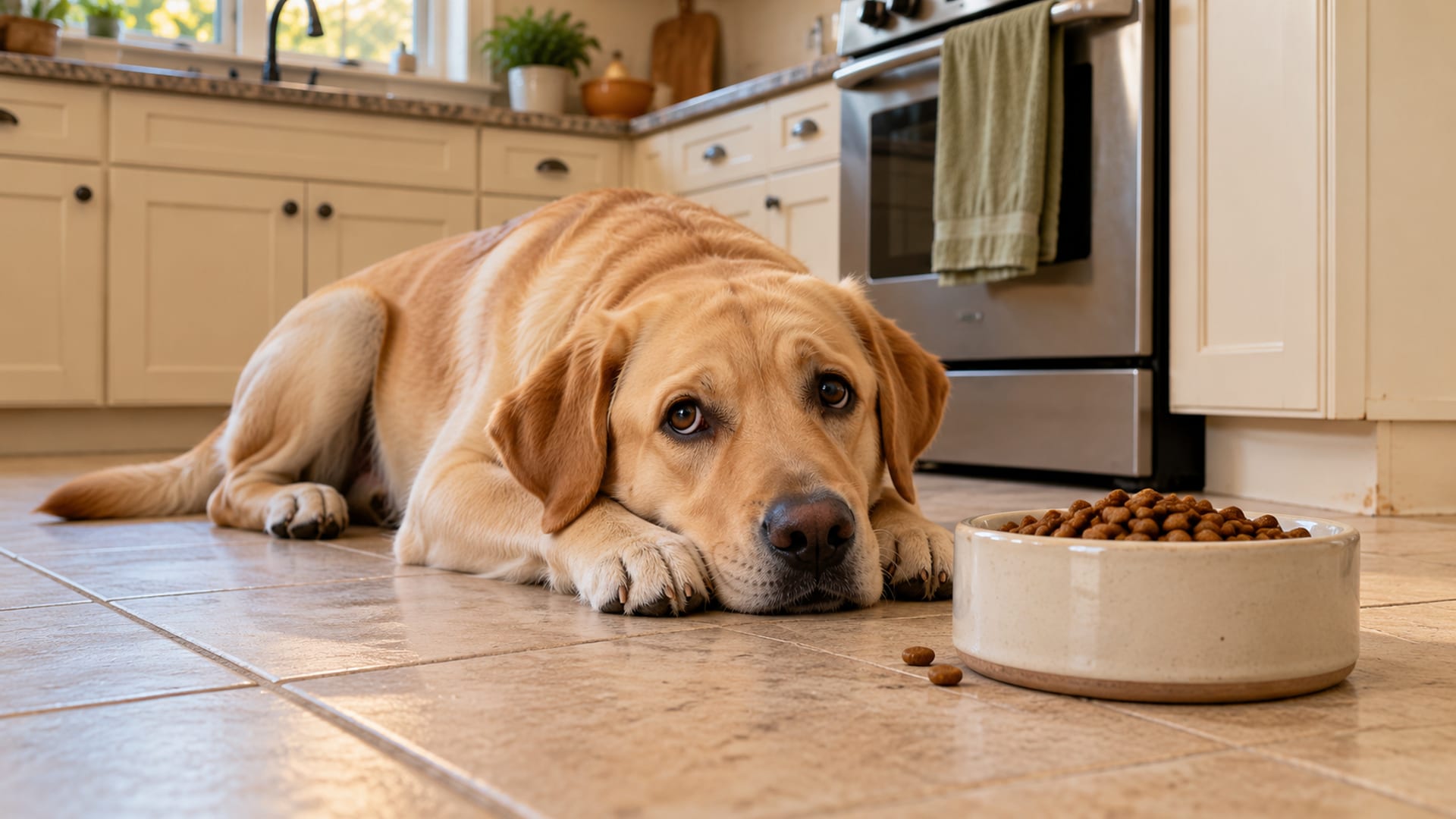
If your dog skipped one meal but is bright, comfortable, drinking normally and has no vomiting or diarrhea, you can usually watch for a short while. There is no single safe fasting limit for every dog, though. Puppies, toy dogs, senior dogs, diabetic dogs and dogs with an illness need earlier advice from a veterinarian.
Call promptly if the appetite loss runs past roughly 12 to 24 hours, if your dog seems painful or unusually tired, or if you see vomiting, diarrhea, a swollen belly, pale gums, trouble breathing or a refusal to drink. A young puppy or a diabetic dog that refuses food needs a call even after one missed meal.
Key takeaways
Tap a card to bring it forward.
- One missed meal in a bright, comfortable adult dog that is drinking normally can be watched briefly; no single fasting limit fits every dog.
- Puppies, toy dogs, seniors, diabetic dogs and dogs with an illness need advice from a veterinarian sooner.
- Appetite loss past roughly 12 to 24 hours, or any pain, unusual tiredness, vomiting, diarrhea, swollen belly, pale gums or refusal to drink, means a call.
- Drinking water does not rule out illness, and a dog that takes treats but refuses its meals may have nausea or mouth pain.
- Do not force food, and do not give human medicine, pills or supplements; ask a veterinarian first.
A full bowl left on the floor at 9 p.m. is stressful. Here is how I would sort it out, starting with the signs that decide how fast you need to move.
Do you go now, call today, or watch for a bit?
Start with the signs, because they matter more than the clock. VCA's urgent care guidance and AAHA's pain guidance point the same way. Appetite loss together with any of the following means you should seek emergency or urgent veterinary care now:
- Repeated or persistent vomiting.
- Repeated or persistent diarrhea, especially with blood.
- A swollen, tight or painful belly.
- Pale gums, collapse, severe weakness or trouble breathing.
- Severe tiredness, tremors, difficulty walking, or not waking up normally.
- Refusing to drink, or not being able to keep water down.
- A toxin or a foreign object that your dog may have swallowed.
- Obvious, severe pain.
- A diabetic dog that refused even one meal.
- A young puppy that refuses food, especially with vomiting or diarrhea.
If any of those fit, use the emergency veterinarian listings in our directory and call ahead while you travel.
Call a veterinarian within a day when the appetite stays low or gone for 12 to 24 hours, when your dog is sleeping more or hiding, when your dog walks up to the bowl but struggles to chew or swallow, or when you notice drooling, bad breath, mouth bleeding or facial swelling. Call within a day as well if your dog is losing weight, has a chronic condition or takes medication, or if the change is large even though nothing else looks wrong.
If your dog is bright and comfortable, with no warning signs and a missed meal or two, watching for a short time is reasonable for a healthy adult. Keep the clock running, though, and write down when the last real meal happened.
How long is too long to skip a meal?
Owners ask me for one number, and I wish I had one to give. There is no single safe number for every dog, so here is how the guidance reads for each kind of dog.
Healthy adult dog. The AKC says some healthy adults skip meals or eat less for a day or two if nothing else is wrong. Another AKC article says healthy adults may tolerate 12 to 24 hours without food under veterinary guidance, and VCA urgent care advises an evaluation after more than 12 hours without eating. I would not average those into one rule. The safer reading is that 12 to 24 hours is the point to pick up the phone, and sooner if anything else changes.
Puppy. A young puppy that refuses more than one meal should be seen promptly. Puppies need more fuel for their size and cope with missed meals less well than healthy adults.
Toy or very small dog. Do not apply the healthy-adult guidance automatically. Contact a veterinarian early.
Senior dog. Older dogs may need fewer calories, which can mean a small drop in how much they eat. A large change, or a dog that stops eating altogether, deserves a veterinarian's attention.
Diabetic dog. Cornell says to contact the veterinarian if a diabetic dog skips a meal and does not eat, because insulin needs depend on food intake. VCA urgent care lists a diabetic animal refusing even one meal as a reason to go. Please do not decide on insulin yourself. Our guide to diabetes in dogs covers the bigger questions.
Dog with another illness. Follow your veterinarian's instructions for your dog. Vomiting, diarrhea, tiredness, pain or dehydration makes waiting a poor choice.
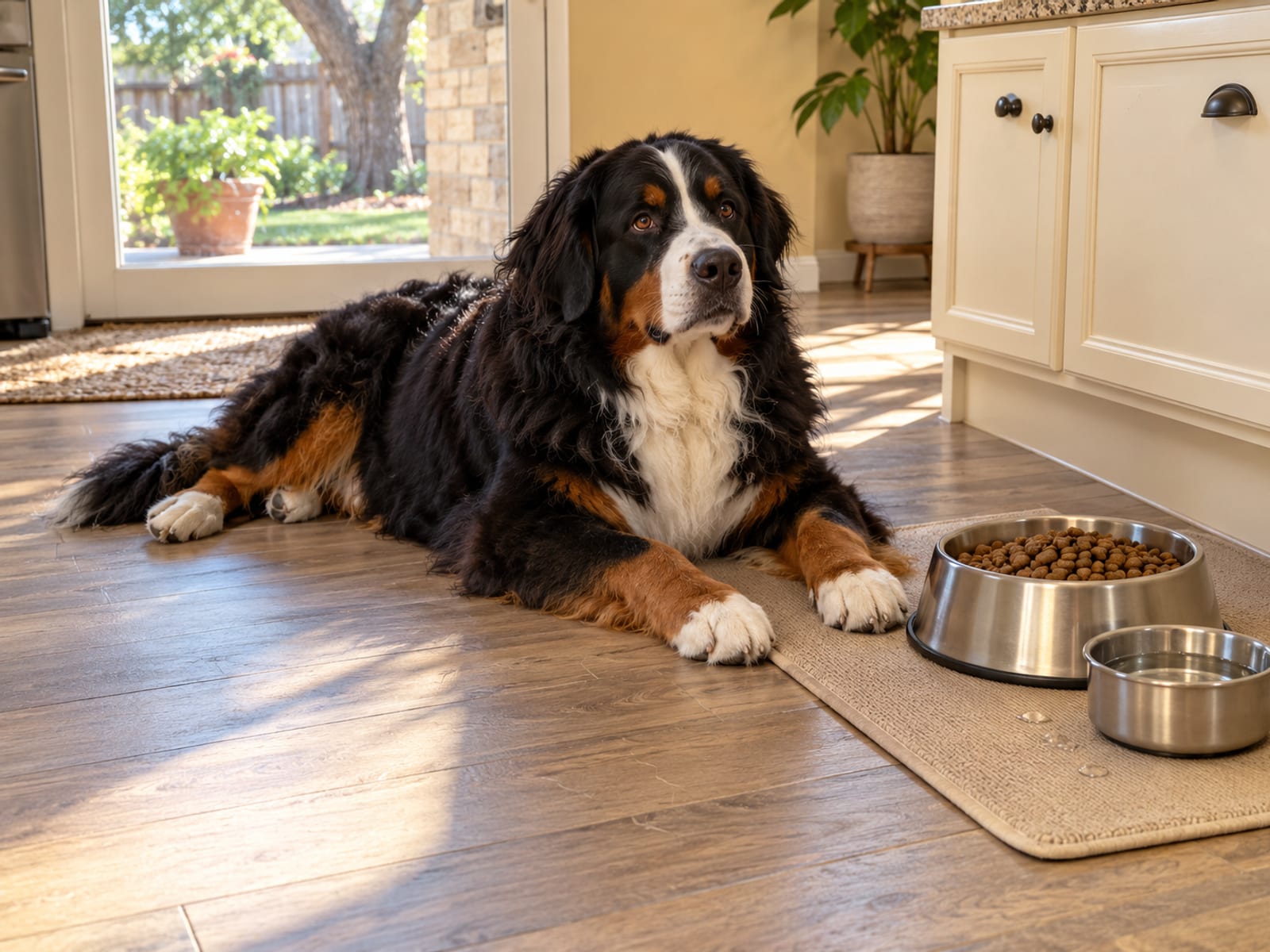
Is it all right if my dog is drinking water but not eating, or sleeping more?
Drinking is a good sign, but it does not make food refusal safe. The AKC says to contact a veterinarian if the appetite has not returned within 12 to 24 hours, or sooner if any other warning sign shows up. A dog that keeps drinking can still have nausea, pain or an illness underneath.
Extra sleep deserves a second look too. A dog that is simply tired after a long day will usually perk up for a walk or a favorite person. A dog that is withdrawn, hiding, slow to get up or "not acting like themselves" and also not eating is giving you two signals at once. VCA lists lethargy alongside appetite loss as a reason for a veterinary exam, and AAHA says decreased food or water intake can point to pain. If the sleepiness is heavy, or your dog is hard to wake, treat it as one of the go-now signs above.
Why does my dog eat treats but turn down dinner?
Sometimes it really is preference. Treats smell better and taste richer than kibble, and a dog who learns that refusing dinner brings something tastier will keep refusing. That is common, and it is manageable.
But a dog that wants food and still will not eat it may be telling you something else. The AKC and VCA both point to nausea, dental pain, mouth disease and trouble chewing as reasons a dog takes a soft treat and leaves hard food. VCA also describes "pseudo-anorexia," where the dog is hungry but cannot comfortably pick up, chew or swallow. Watch how your dog eats. Does it walk to the bowl, sniff, and back away? Drop food from its mouth? Chew on one side? Those details help a veterinarian a great deal.
Look at the mouth only as far as your dog allows. You are checking for obvious swelling, bleeding, drooling or bad breath. Do not force the mouth open or poke at a sore spot. For prevention, see how to brush your dog's teeth, and Cornell's dental guidance lists oral pain and difficulty eating among the signs that need a veterinarian.
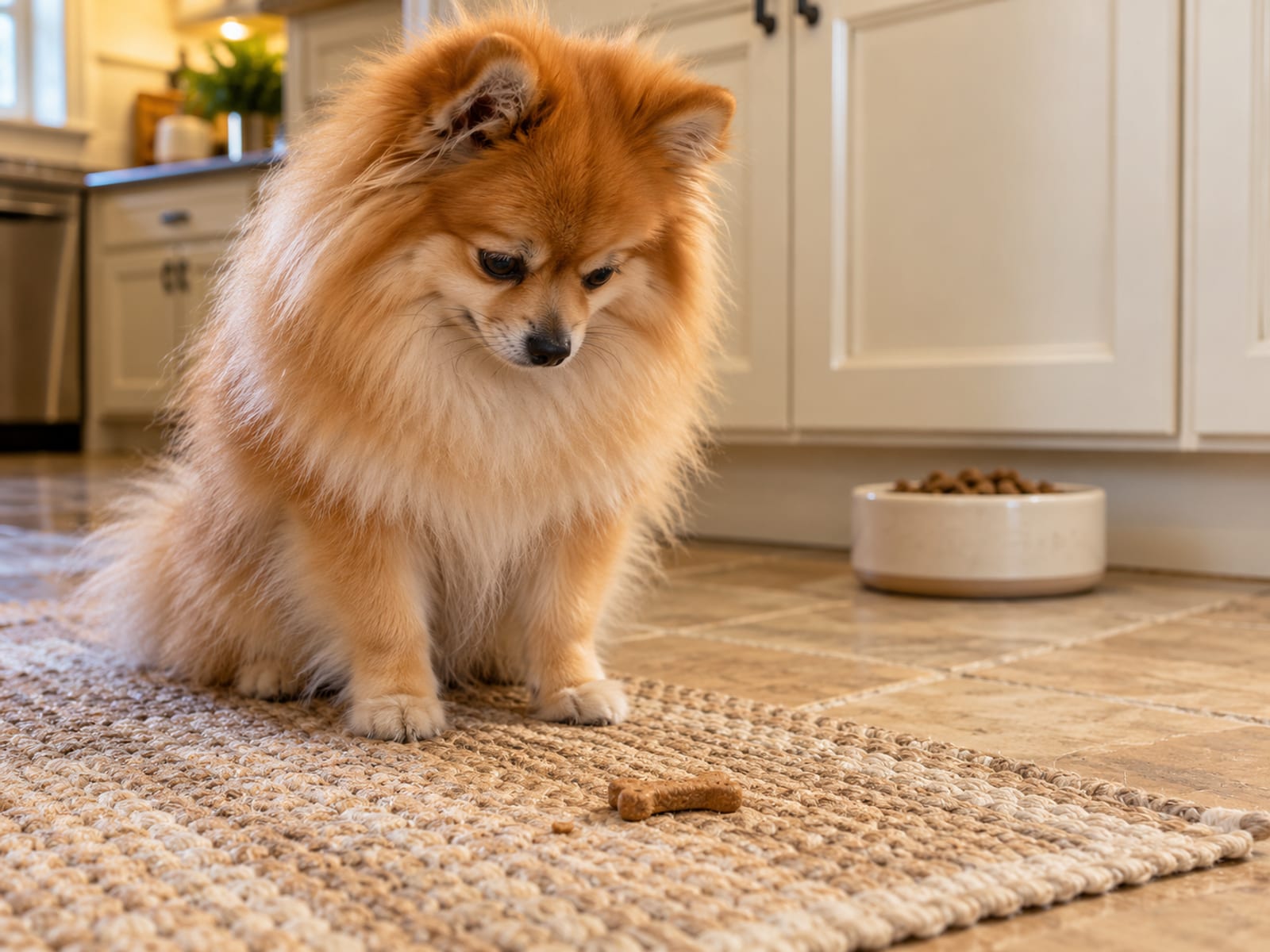
Is it an upset stomach or something more serious?
An upset stomach can look like lip licking, drooling, a little vomiting, loose stool, gas or a few skipped meals. Many dogs bounce back quickly.
It looks different when you see tiredness, dehydration, blood, vomiting or diarrhea that keeps coming back, a painful or swollen belly, weakness, or a refusal to drink. Those point toward something more serious, and appetite coming back does not erase the need for a check if other signs remain. Our guides on dog vomiting and dog diarrhea go deeper on each one. If your dog has appetite loss with vomiting, belly pain, tiredness or diarrhea, AAHA lists pancreatitis among the possibilities, and you can read more in pancreatitis in dogs. Appetite loss, vomiting, diarrhea and weakness together can also occur with Addison's disease, which is a question for your veterinarian.
Appetite loss is a sign, not a diagnosis. VCA lists many possible causes: illness in the stomach and gut, kidneys, liver, heart or hormones, nausea, pain anywhere in the body, dental disease, stress, a new baby or pet, a move, a missing family member, boarding, new or stale food, hot weather, medication side effects and toxins. A dog may also stop eating after a vaccine; if the change is large, lasts, or comes with other signs, mention it to your veterinarian.
What should you check right now, and what should you write down before you call?
Take two minutes before dialing. A veterinarian will ask for these details, and a note on your phone beats memory when you are worried. Write down:
- When your dog last ate a real meal, and how much.
- How much water your dog has had.
- Any vomiting or diarrhea, and whether you saw blood.
- Urination and stool.
- Energy level and any unusual sleeping.
- Pain signs such as hiding, whining or not wanting to move.
- Whether the belly looks swollen or feels painful.
- Gum color.
- Drooling, bad breath, mouth bleeding or trouble chewing.
- Recent changes: a new food, a move, travel, boarding, a new medication, a vaccine, or any chance your dog got into a toxin or swallowed something it should not have.
- Whether your dog is a puppy, a toy breed, a senior, diabetic, or has any other medical condition.
Check the food too. Is it fresh, stored properly and within its date, with no odd smell? Stale or spoiled food is a simple reason a dog turns away from a bowl.
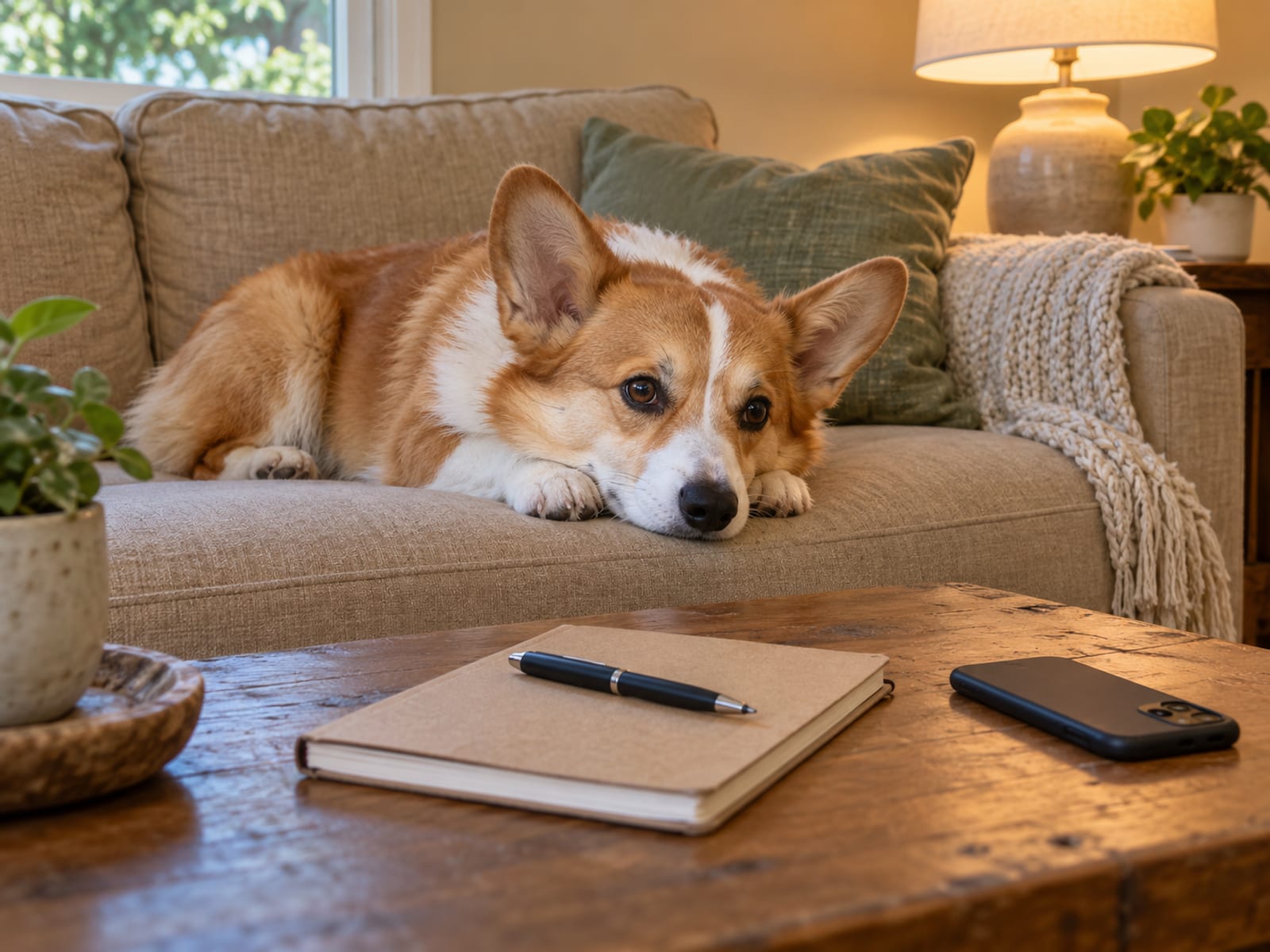
What is safe to try tonight, and why do pills and home remedies wait for the vet?
These small steps are gentle and safe to try first:
- Offer the regular food again in a quiet, low-stress place.
- Warm the food to about body temperature. VCA says this can improve smell and acceptance. Stir it thoroughly so there are no hot spots.
- Ask your veterinarian whether a temporary bland, low-fat, easy-to-digest diet makes sense for your dog. If they approve a home-cooked version, use their recipe and their timeline. Plain chicken or rice is not a complete long-term diet, and our Can My Dog Eat entries cover individual foods.
- Keep meal times steady, and do not offer unlimited treats or table food to coax a bite.
And here is what I would leave alone:
- Do not force food into your dog's mouth. It adds stress and can be unsafe if swallowing is painful or hard.
- Do not give human medicine or pills.
- Do not give supplements or vitamins as an appetite fix. The ASPCA says a dog on a complete and balanced diet does not need vitamin supplements unless a veterinarian finds a deficiency, and too much can cause harm.
- Do not use prescription appetite stimulants without a veterinarian's direction. They are treatments a veterinarian may choose after finding the cause, not a home remedy.
- Do not give broth unless your veterinarian approves the specific product and its ingredients.
- Do not fast a puppy, a diabetic dog, a senior dog or a dog that is ill on your own.
- Do not wait because your dog is still drinking.
If you suspect a food allergy or a recent diet change is behind the refusal, see our guide to dog food allergies. When you do switch foods, change them gradually.
What will the vet check, what might treatment involve, and what does a visit cost?
The visit starts with questions and a hands-on exam. Your veterinarian will ask how long this has gone on, what your dog has eaten and drunk, about vomiting, diarrhea, urination, stool, weight changes, medications, possible toxins and changes at home. The exam may include the mouth, heart, lungs, hydration, temperature and belly, plus a check for pain.
Depending on what they find, VCA's testing guidance lists common screening tests: a complete blood count, a chemistry profile, electrolytes, a urine test, and a fecal test when it fits. X-rays of the chest or belly come next if needed, and an ultrasound or more advanced testing if the first results call for it.
Treatment depends on the cause. It may include treating the underlying illness, fluids for dehydration, nausea control, pain management, dietary support and, when your veterinarian chooses, a prescription appetite stimulant. Those are decisions for the person who has examined your dog, and I will not hand out amounts, because the right choice depends on the dog.
Costs vary a lot by region, clinic type and dog size. As a dated benchmark, CareCredit's 2026 figures put the national average wellness exam at $95 and an emergency exam at $135, with basic dog X-rays around $213, sedation at $31 to $444 and ultrasound at $383 to $880. A basic exam is not the same as a full appetite-loss workup; bloodwork, imaging, hospital time, medications and emergency fees can raise the total a lot. Treat those numbers as a guide, not a quote, and ask the clinic for an estimate before testing when the situation allows. For a routine visit, use the veterinarian listings in our directory.
Tap or hover a row to highlight it.
| Item | What the source says |
|---|---|
| ItemVCA urgent care | What the source saysMore than 12 hours without eating is a reason to visit urgent care; a diabetic animal refusing one meal is also listed |
| ItemAKC | What the source saysSome healthy adult dogs may skip meals or eat less for one or two days if no other symptoms occur |
| ItemAKC (fasting article) | What the source saysHealthy adults may tolerate 12 to 24 hours without food under veterinary guidance |
| ItemCareCredit, 2026 | What the source saysWellness exam average $95; ER exam average $135; basic X-ray average $213 |
| ItemCareCredit, 2026 | What the source saysSedation $31 to $444; ultrasound $383 to $880 |
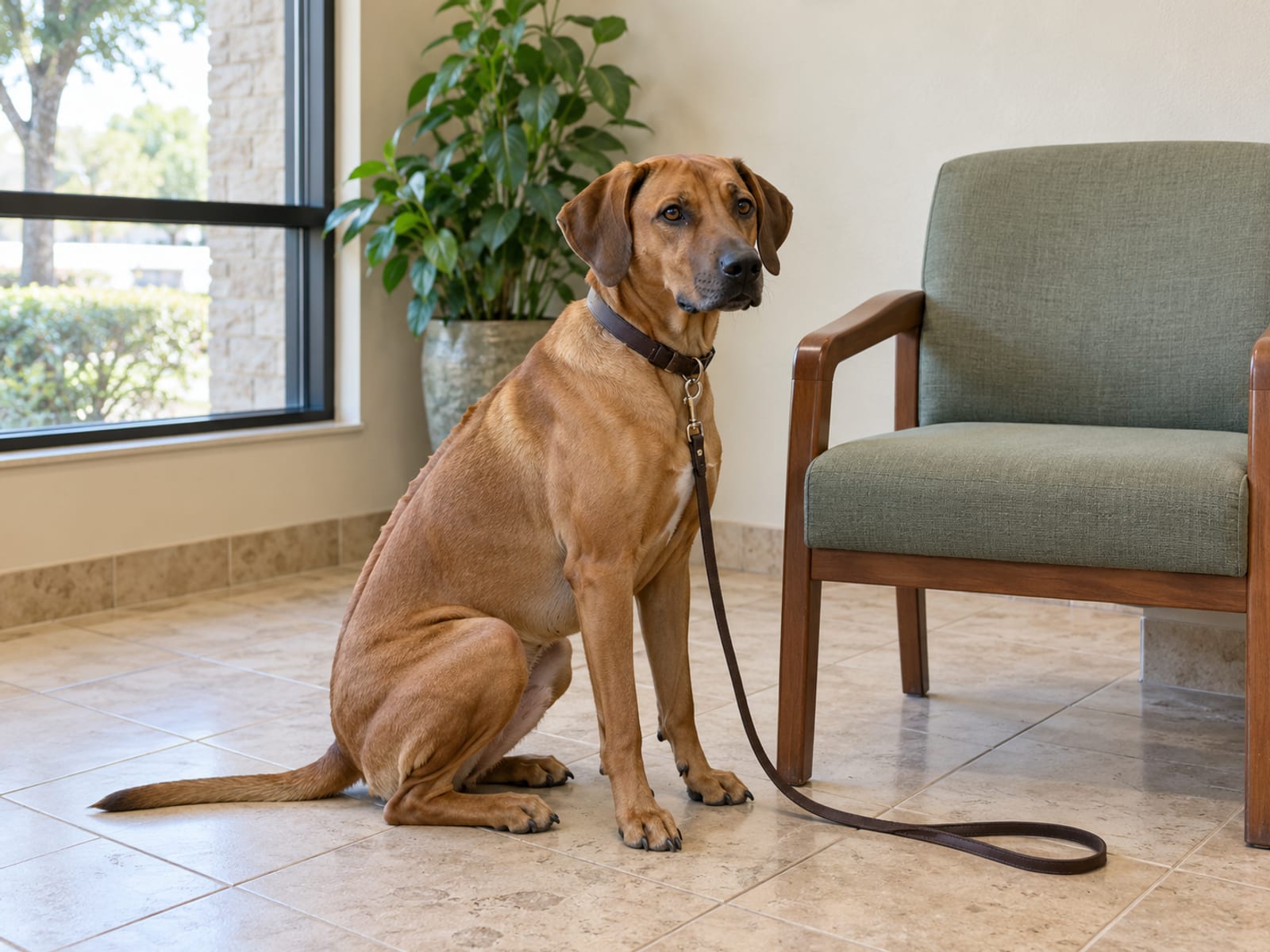
What is normal for older dogs and picky eaters?
Older dogs often need fewer calories, so a slight dip in appetite can be normal. A big change is not. If your senior dog is eating much less, losing weight, drinking or urinating differently, vomiting, has diarrhea, seems tired or shows pain, have it examined. Age alone does not explain a dog that has stopped eating. Our senior dog care guide covers the rest of what changes with age, and signs of a healthy dog helps you know what your dog's normal looks like.
For a dog that is otherwise healthy and simply picky, a few habits help. Keep meal time and place consistent. Check that the food is fresh and stored well. Do not replace every refused meal with something tastier, and keep treats small and limited. Change diets gradually rather than all at once; Royal Canin's food-transition guide recommends about seven days. And if the pickiness is new, lasting or getting worse, ask your veterinarian to rule out dental pain or illness.
Questions owners ask about a dog that will not eat
Short answers to the questions owners ask most follow.
How long can a healthy adult dog go without eating?
Guidance differs. Some healthy adults skip a meal or eat less for a day or two if they stay completely normal, while other veterinary guidance allows 12 to 24 hours under a veterinarian's care. Any longer refusal, or any added symptom, is a reason to call.
Why won't my dog eat dog food but will eat anything else?
The dog may simply prefer treats and table food. It may also have nausea, dental pain, mouth disease or trouble chewing, so a dog that is new to this pattern deserves a mouth check and a call to the veterinarian.
What can I feed a dog that won't eat?
Offer the usual food fresh, warmed to about body temperature, in a quiet spot. If you want to try a bland diet, ask a veterinarian first, especially for a puppy or a dog with an illness.
Is there a pill or home remedy for a dog that won't eat?
No. Human medicine and supplements are not safe appetite fixes, and prescription appetite stimulants are a veterinarian's choice after the cause is known.
What if my diabetic dog or young puppy skips a meal?
Call the veterinarian right away. A diabetic dog's insulin needs depend on food intake, and a young puppy that refuses more than one meal should be seen promptly.
Your next step tonight
Look at your dog right now. If you see any of the go-now signs, call an emergency veterinarian or head there. If your dog is a puppy, a toy breed, a senior, diabetic or ill, call your veterinarian tonight or first thing in the morning. If your dog is bright, drinking and comfortable, offer fresh, warmed food in a quiet place, write down what you see, and call if the appetite is not back within 12 to 24 hours. Use the veterinarian and emergency veterinarian listings to find a clinic near you. I am not a veterinarian, and your dog's own veterinarian is the one who can tell you what is going on.
Sources
- American Animal Hospital Association: AAHA lists pancreatitis
- American Animal Hospital Association: AAHA's pain guidance
- American Kennel Club: AKC article
- American Kennel Club: The AKC
- ASPCA: The ASPCA
- CareCredit: CareCredit's 2026 figures
- Cornell University College of Veterinary Medicine: Cornell's dental guidance
- Cornell University College of Veterinary Medicine: Cornell
- royalcanin.com: Royal Canin's food-transition guide
- VCA Animal Hospitals: VCA lists many possible causes
- VCA Animal Hospitals: VCA's urgent care guidance
- VCA Animal Hospitals: VCA