
Probiotics for Dogs: What They May Help, Safety and How to Read a Label
By Cal Hewitt · Published
Health
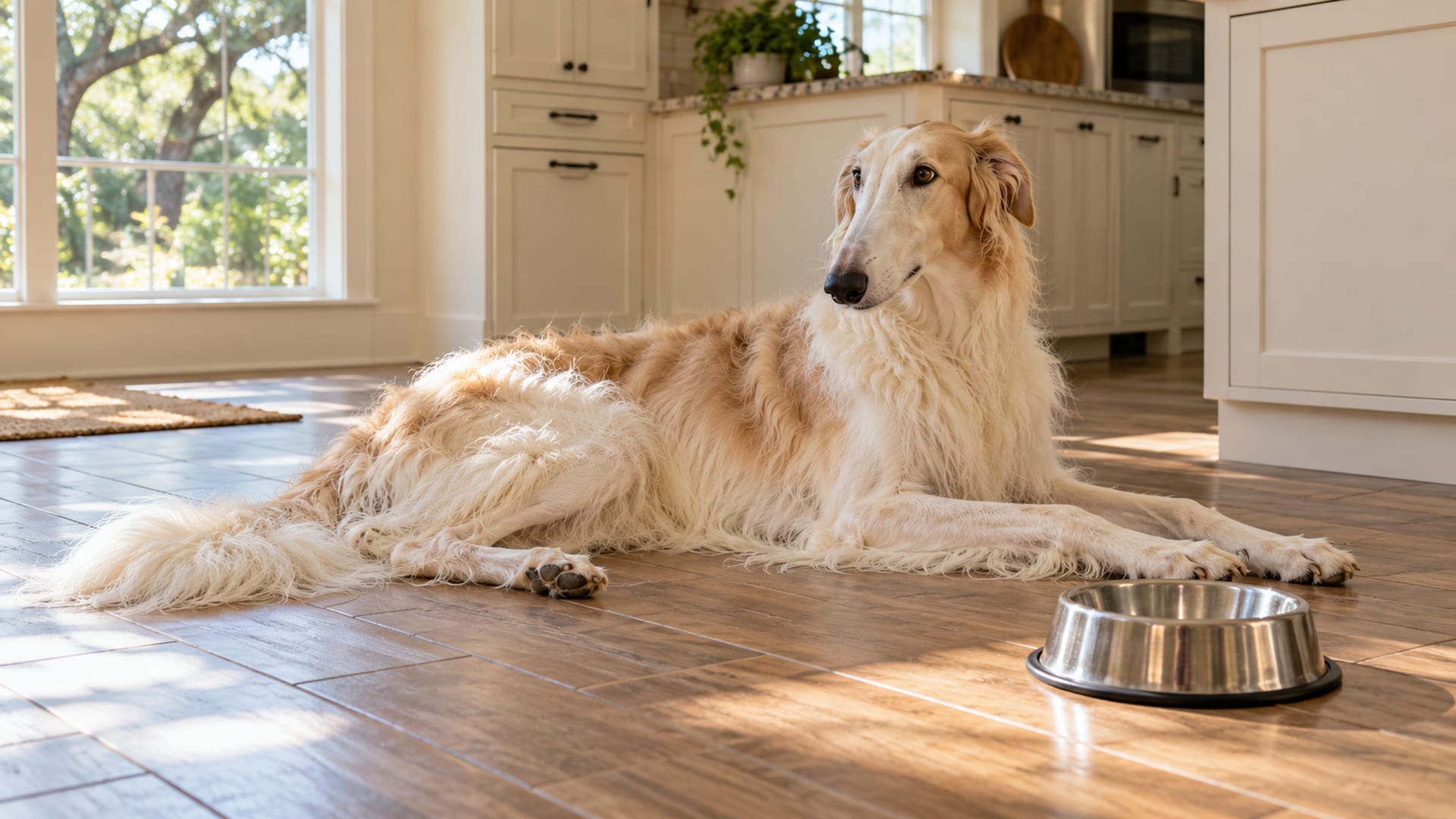
A probiotic may help some dogs with digestive upset, and the result depends on the exact product, so it works best as one part of your vet's plan. Call your veterinarian instead of starting one if the stool has fresh blood or is black and tarry, if your dog is vomiting, lethargic or refusing food, or if the diarrhea lasts past 48 to 72 hours, per Cornell. If none of that applies, a probiotic is a reasonable thing to ask your vet about, and the rest of this page shows what the dog studies report and how to judge a label.
Key takeaways
Tap a card to bring it forward.
- Blood in the stool, black or tarry stool, vomiting, lethargy, refusing food, or diarrhea past 48 to 72 hours means the vet comes first, not a probiotic.
- Dog studies report possible benefits for some sudden diarrhea, antibiotic-related upset and shelter stress diarrhea, and each result applies only to the product that was tested.
- A 2019 systematic review found the overall effect limited and often clinically small.
- A species name or a "proprietary blend" is not a tested strain, so look for the organism and strain on the label.
- The FDA does not treat pet products as dietary supplements, and the NASC Quality Seal is a voluntary industry program, not FDA approval.
- Ask your vet which product to use and how it fits with any antibiotic; this page gives no dose or schedule.
Could a probiotic help my dog's loose stool or gas?
Start with how your dog is acting, because that decides whether a probiotic is even the question. Check that your dog is alert and eating. Look at the stool for fresh blood or a black, tarry look. Notice whether vomiting is also happening. Any of those, or a dog that seems weak or dehydrated, means a call to your vet or an emergency vet now. Cornell lists serious possible causes of diarrhea, including infection, parvovirus, a swallowed object, toxins, allergies, cancer, pancreatic disease, Addison's disease and immune disorders. A probiotic cannot find or treat any of those.
A puppy that is lethargic, vomiting or has bloody diarrhea needs a veterinary visit, and Parvo in Puppies explains why that combination is urgent.
If your dog is bright, eating and has mild loose stool or gas, a probiotic may be worth a conversation with your regular vet. What it can reasonably do is narrower than the labels suggest, and our dog diarrhea guide still covers the safety steps a probiotic does not replace. If your dog is straining instead, read about dog constipation, and if vomiting is involved, see dog vomiting.
What are probiotics, prebiotics and the gut microbiome?
Probiotics are live microorganisms intended to give a health benefit when given in adequate amounts. VCA describes them that way, and in pet products they usually come from the Lactobacillus, Bifidobacterium, Enterococcus or Bacillus groups, or from a yeast called Saccharomyces boulardii.
A few other terms show up on labels and in searches:
- Prebiotic: a food ingredient meant to feed helpful gut organisms rather than add new ones.
- Synbiotic: a product that combines a probiotic with a prebiotic.
- Microbiome (or microbiota): the community of microorganisms living in the digestive tract. It interacts with the gut lining, digestion and the immune system.
- Dysbiosis: an altered mix or function of that community, often after illness, antibiotics or a diet change.
Probiotics are meant to add selected live organisms, influence the gut environment for a while, compete with unwanted organisms and support recovery after a disruption. The Merck Veterinary Manual points out that the normal gut community is fairly stable, that the organisms in a probiotic may only stay for a short time, and that effects depend on the exact strain and formulation. So, a probiotic does not reset or permanently replace your dog's microbiome. AAHA's nutrition guidelines add a caution that quality control and effectiveness vary among supplements.
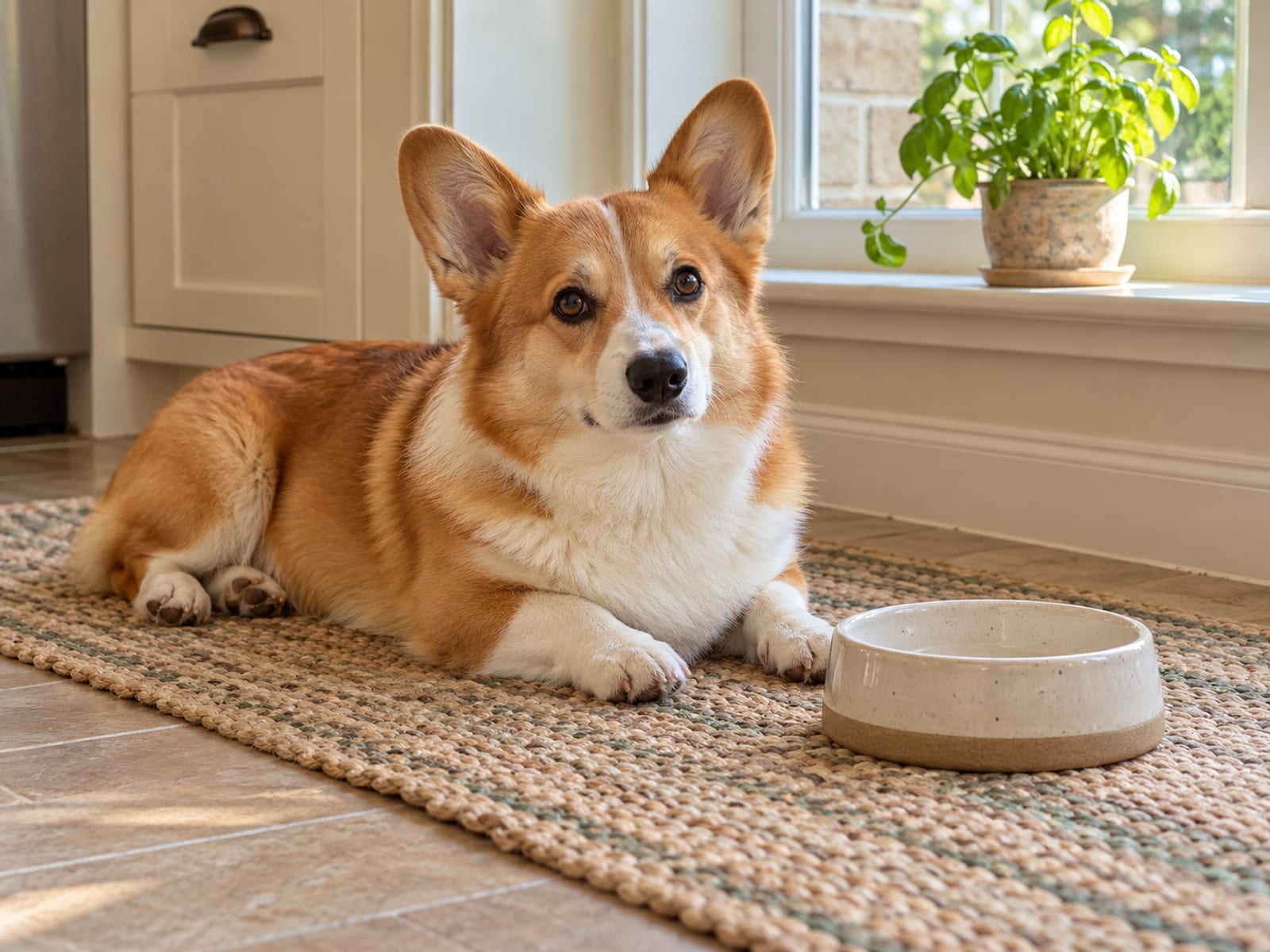
What do the dog studies show for sudden diarrhea, diarrhea after antibiotics and stress diarrhea?
The studies are real, and each one tested a specific product, so none of them proves that probiotics in general work.
Sudden diarrhea. A 2016 double-blind, placebo-controlled trial followed 60 dogs with acute diarrhea. The tested product contained three Lactobacillus strains: fermentum VET 9A, rhamnosus VET 16A and plantarum VET 14A. The probiotic group had more normalized stool and changes in the organisms measured in the stool. That applies to that formulation only. A 2019 randomized trial compared a probiotic with metronidazole in acute diarrhea and did not establish a general benefit for every product, and the viability of the product declined during storage. The 2019 systematic review concluded that the available data suggested a limited and possibly clinically unimportant effect for preventing or treating acute gastrointestinal disease, and that many studies were underpowered.
After antibiotics. A 2019 randomized, double-blinded crossover study in healthy research dogs tested a bacterial and yeast synbiotic during antibiotic treatment. In the first treatment period, reduced appetite occurred in 41% of dogs, vomiting in 77% and diarrhea in 100%. The synbiotic reduced the disruption in food intake and affected some later stool scores, but it did not prevent every antibiotic-related sign. These were healthy research dogs, so the results may not carry over to a sick pet.
Stress diarrhea. A 2017 randomized, double-blind, placebo-controlled trial enrolled 773 dogs entering a UK shelter. In the first 14 days, 18.8% of dogs getting an Enterococcus faecium synbiotic had diarrhea, compared with 27.2% on placebo. Diarrhea lasting at least two days in a row happened in 4.6% versus 8.0%. That supports a possible preventive effect in a shelter setting. An earlier shelter trial of 182 dogs found only two dogs with diarrhea lasting two days or more and did not show a significant preventive effect. It came from one product in shelters.
Tap or hover a row to highlight it.
| Trial | Dogs | Reported result | Source |
|---|---|---|---|
| TrialAcute diarrhea, three Lactobacillus strains, 2016 | Dogs60 | Reported resultMore normalized stool in the probiotic group | SourcePubMed |
| TrialShelter stress diarrhea, Enterococcus faecium synbiotic, 2017 | Dogs773 | Reported resultDiarrhea in 18.8% with the synbiotic versus 27.2% with placebo in the first 14 days | SourcePubMed Central |
| TrialShelter stress diarrhea, earlier trial | Dogs182 | Reported resultNo significant preventive effect shown | SourcePubMed Central |
| TrialAntibiotic exposure in healthy research dogs, 2019 | DogsResearch dogs | Reported resultLess disruption of food intake; signs not fully prevented | SourcePubMed |
Do probiotics help chronic gut disease, allergies, skin problems or weight?
Not in a way that supports a broad promise. For long-term digestive disease, the 2019 systematic review concluded that diet remained the major part of treatment and that adding a probiotic did not bring a significant overall improvement. Studies were often small. The Merck Veterinary Manual describes encouraging but incomplete findings for inflammatory bowel disease, protein-losing enteropathy and chronic diarrhea, and says few scientific data back many probiotic claims.
For itching, skin disease and food allergy, some strains may influence immune responses, but the evidence does not support presenting a general probiotic as a treatment for atopic dermatitis or food allergy. A 2025 review and meta-analysis looked at probiotics as an add-on for canine atopic dermatitis, and a review existing does not mean every product works. The same goes for yeast infections: a gut probiotic is not a yeast treatment.
For weight, immunity, behavior or general wellness, the microbiome may matter biologically, but a claim that a probiotic causes weight loss, treats anxiety or improves overall health does not hold up as dog-care advice. Giardia in dogs needs a veterinary exam and testing, and a probiotic does nothing for it. If an older dog has new or lasting digestive changes, senior dog care and a vet visit come first.

Which strains have dog studies, and how do a supplement, a vet probiotic and a probiotic food differ?
Published canine work names these organisms, written here as the studies report them, without brands:
- Enterococcus faecium SF68
- Enterococcus faecium NCIMB 10415, also identified in studies as strain 4b1707
- Lactobacillus fermentum VET 9A, Lactobacillus rhamnosus VET 16A and Lactobacillus plantarum VET 14A
- Bifidobacterium animalis
- Bacillus subtilis C3102
- Lactobacillus acidophilus strains, including DSM 13241 and D2/CSL 4b1715
- Saccharomyces boulardii, in synbiotic and veterinary uses
Seeing one of these on a label does not make the product equal to the one that was tested. A species name alone, like "Lactobacillus acidophilus," is not a tested strain, and a proprietary blend is not automatically the same as a published formulation.
The product type matters too. A general supplement is a commercial product with live organisms or a mix of ingredients. A veterinary probiotic is chosen or supplied in a veterinary setting and may come with product-specific evidence or quality controls. A probiotic food is a complete or supplemental food that claims to contain probiotic organisms or fermentation products. These are not interchangeable, and evidence for one cannot be carried over to another. The same shopping habits apply to other supplements, and our glucosamine for dogs page compares quality and labeling in the same way.
How are pet probiotics regulated, and what does the NASC Quality Seal mean?
The FDA does not have a separate animal "dietary supplement" category like the human one. Per the FDA, animal products sold as supplements are regulated as animal food or animal drugs, depending on what is in them and how they are marketed. If a product claims to treat or prevent disease, the FDA may treat its intended use as a drug. Its guidance on direct-fed microbial products says products making structure, function or disease claims may face animal-drug requirements.
The NASC Quality Seal is a voluntary industry program, not FDA approval. NASC says qualifying companies must pass an independent quality audit, keep written quality-control procedures, run an adverse-event system, follow labeling requirements, accept random independent product testing and complete annual training. It does not tell you a product treats anything.
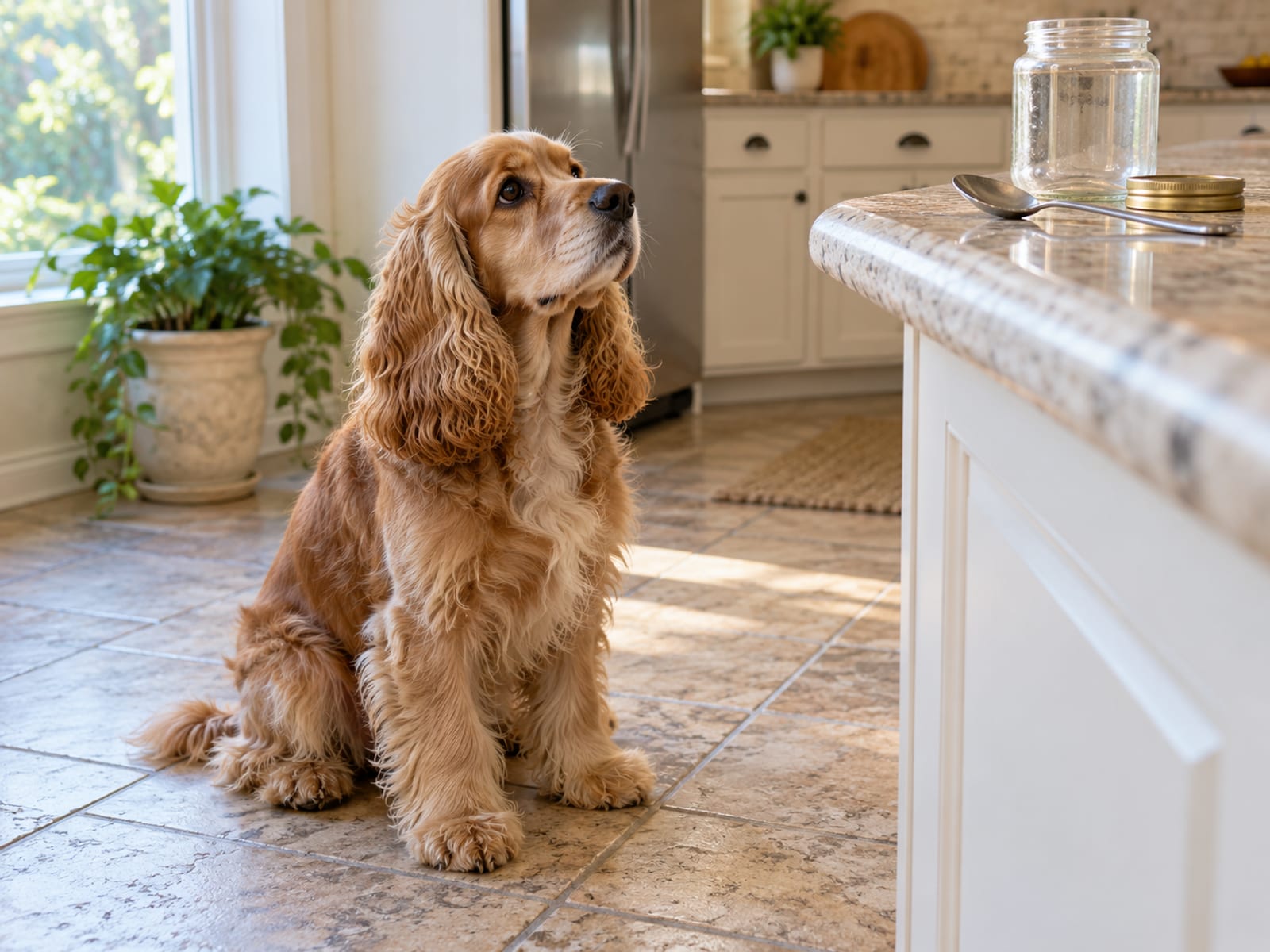
How accurate are labels, and how do I read one?
In a 2011 study by Weese and Martin, 25 commercial animal probiotics were tested. Twenty-one listed specific organisms, 15 listed expected bacterial numbers, and only 4 of those 15, or 27%, met or exceeded their specific viable-organism claim. Seven of the 22 products that listed specific organisms had at least one misspelled organism name.
Check these on the package:
- Organism and strain. The genus, species and strain name, not just "probiotic blend."
- Viable count. Live organisms (CFU) through the end of shelf life. A bigger number does not guarantee a better product; viability, strain identity, storage and dog-specific evidence matter too.
- Expiration date. Heat, moisture, light and time can reduce viability.
- Storage instructions. Follow the label, including whether the product needs refrigeration.
- Intended species. Human products are not interchangeable with ones made for dogs, because dog evidence concerns particular organisms and formulations.
- Quality-control information. Such as whether the company takes part in an independent program.
Quick check: probiotic labels and safety
Are probiotics safe for every dog?
Most dogs tolerate them, but mild gas or stomach discomfort can happen. If your dog has a reaction that looks allergic or seems to get worse, stop the product and call your vet. VCA advises caution in sick, debilitated or immunocompromised pets, so ask your vet before giving one to a dog with a serious illness, a weak immune system, or a puppy or senior dog with health problems.
Antibiotics and antifungals may reduce how well a probiotic works. No single timing schedule fits every dog, so ask your veterinarian which product to use and when to give it alongside your dog's specific antibiotic. Use the product and amount your vet gives you; this page offers no home dose. Tell your vet about every supplement and medication your dog takes.
"Natural" does not mean risk-free. A probiotic should never delay a visit for blood, black stool, vomiting, lethargy, loss of appetite, dehydration or diarrhea that will not clear up.
Questions dog owners ask about probiotics
Owners ask these most often.
How do I tell if my dog needs a probiotic?
Loose stool alone does not tell you. Go to the vet first if there is blood, black stool, vomiting, lethargy, refusal to eat or diarrhea past 48 to 72 hours. If your dog is well otherwise, ask your vet whether a probiotic makes sense for the situation, such as after antibiotics or during a stressful change.
What is the best probiotic to use for dogs?
No single product is best for every dog. Evidence in dogs is tied to particular organisms and formulations, so your vet can point you to a product with its own evidence and quality controls. Whatever you choose, it should name its organism and strain, give a viable count, and list storage and expiration details.
Is Greek yogurt a probiotic for dogs?
A food that claims to contain probiotic organisms is not the same as a product that was tested in dogs. The studies above tested specific formulations, and evidence for one product does not transfer to another. If you want to use yogurt or another probiotic food for a digestive problem, ask your vet first.
Is pumpkin a probiotic for dogs?
Pumpkin is better thought of as a fiber food, and fiber is a separate category from probiotics. Loose stool that keeps going needs a vet's eyes whatever you feed, so call if it lasts past 48 to 72 hours or shows any of the warning signs above.
Can probiotics prevent stress diarrhea?
One 773-dog shelter trial found less diarrhea with an Enterococcus faecium synbiotic, while other trials have been mixed. If boarding or travel is coming up, ask your vet about it ahead of time.
What to do next
Look at your dog first. If there is blood, black stool, vomiting, lethargy, no appetite or diarrhea that has gone past 48 to 72 hours, call your regular vet or an emergency vet today. If your dog is well and you are curious about a probiotic, bring the label to your vet and ask whether that product, with that strain, fits your dog. For what normal looks like, see signs of a healthy dog. I'm not a veterinarian, so treat this as a way to ask better questions and not as a diagnosis.
Sources
- American Animal Hospital Association: AAHA's nutrition guidelines
- Cornell University College of Veterinary Medicine: per Cornell
- Merck Veterinary Manual: Merck Veterinary Manual
- nasc.cc: NASC Quality Seal
- PubMed: 2011 study by Weese and Martin
- PubMed: 2016 double-blind, placebo-controlled trial
- PubMed: 2019 randomized, double-blinded crossover study
- PubMed Central: 2017 randomized, double-blind, placebo-controlled trial
- PubMed Central: 2019 randomized trial
- PubMed Central: 2019 systematic review
- PubMed Central: 2025 review and meta-analysis
- U.S. Food and Drug Administration: guidance on direct-fed microbial products
- U.S. Food and Drug Administration: the FDA
- VCA Animal Hospitals: VCA