

Giardia in Dogs: Symptoms, Treatment, Cleaning Your Home and Whether People Can Catch It
By Cal Hewitt · Published , updated
Health
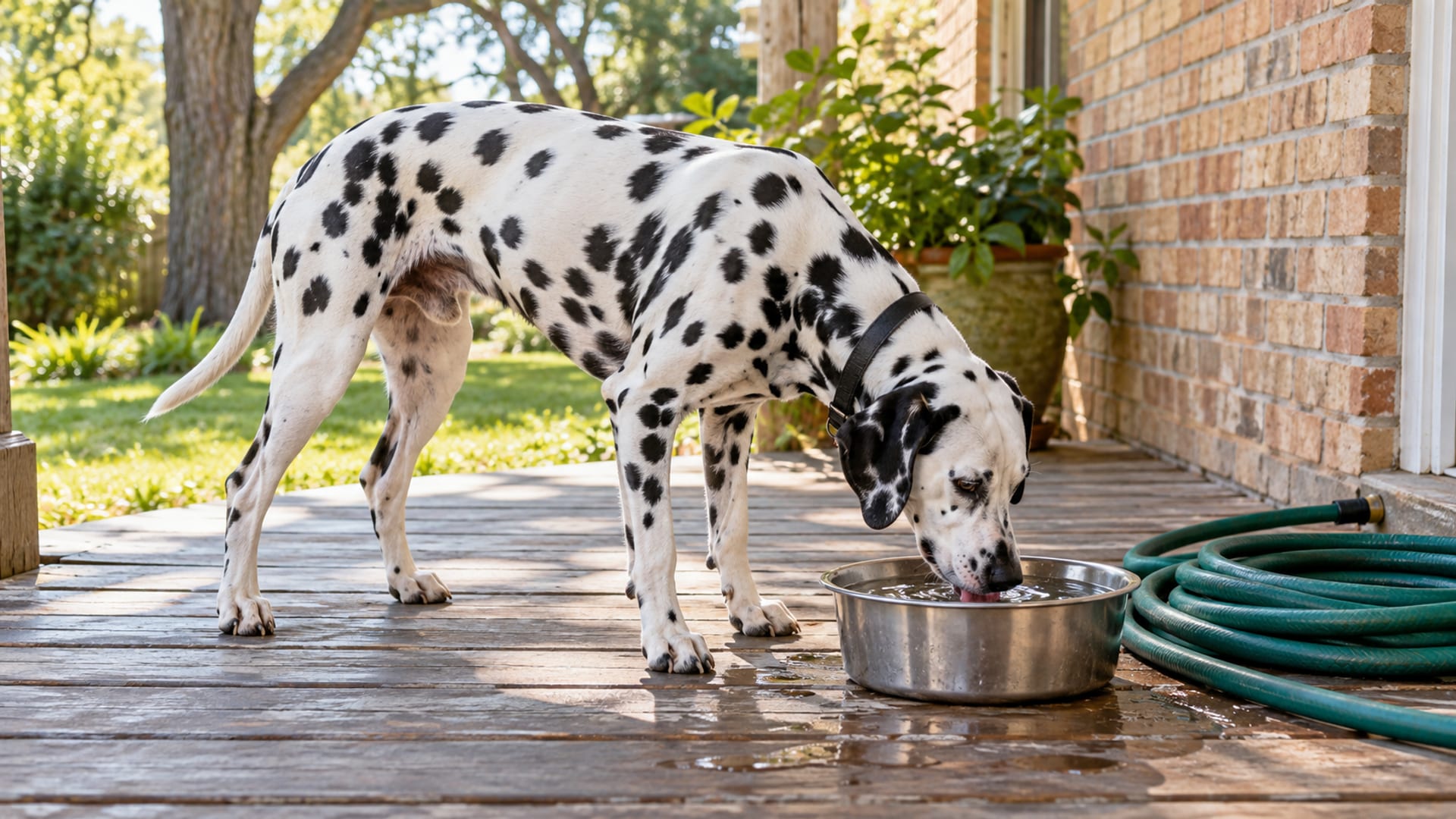
If your dog has diarrhea that keeps coming back or just tested positive for Giardia, call your veterinarian and ask for a stool test. Go the same day if your dog is lethargic, vomiting, refusing food, weak, dehydrated, losing weight or passing blood. Giardia is an intestinal parasite that dogs pick up by swallowing tiny cysts from contaminated feces, soil, water, food, objects or fur. Some dogs show no signs at all. People are unlikely to catch it from dogs, but you should still wash your hands and pick up feces quickly.
Key takeaways
Tap a card to bring it forward.
- Diarrhea that is not clearing up needs a vet visit and a stool test, not a guess.
- Lethargy, vomiting, refusing food, dehydration, blood or fast decline mean same-day care, because they can point to something more serious than Giardia.
- One negative stool sample does not rule Giardia out, because cysts are shed on and off.
- A positive test does not always mean your dog is sick, and a test can stay positive after treatment.
- Pick up feces at once, bathe your dog as your vet directs and clean bowls, bedding and floors.
- The CDC says people are unlikely to get Giardia from dogs or cats.
What should I do first, and when is diarrhea an emergency?
I know a positive test or a stubborn bout of diarrhea is stressful, so here is the order I would follow. Start by calling your vet and describing the stool: how long it has gone on, whether it comes and goes, and whether it is soft, greasy, mucousy or foul-smelling. Ask if they want a fresh stool sample, and bring one if they do.
Then look at your dog, not just the stool. Same-day care matters for a puppy or dog that is lethargic, vomiting, refusing food, weak, dehydrated, losing weight, passing blood or getting worse fast. Merck Veterinary Manual says watery diarrhea, vomiting and blood are not typical of Giardia. Those signs do not prove parvovirus, but they mean you should not assume Giardia is the only cause. A young puppy with diarrhea plus lethargy, vomiting, refusal to eat or dehydration needs an exam for parvovirus and other serious problems. Our guide to parvo in puppies explains that emergency, and our dog diarrhea guide covers general diarrhea triage and hydration. If it is after hours, use our emergency veterinarian directory.
I am Cal, not a veterinarian, and DogServ does not diagnose, prescribe or treat. What I can do is help you walk into the clinic knowing what to ask.
What is Giardia in dogs, and how do dogs catch it?
Giardia is a microscopic parasite that lives in the intestines. It has two forms. The active form lives in the gut, and the cyst form leaves in the feces. Cysts are tough and are the form that spreads infection, according to Merck Veterinary Manual.
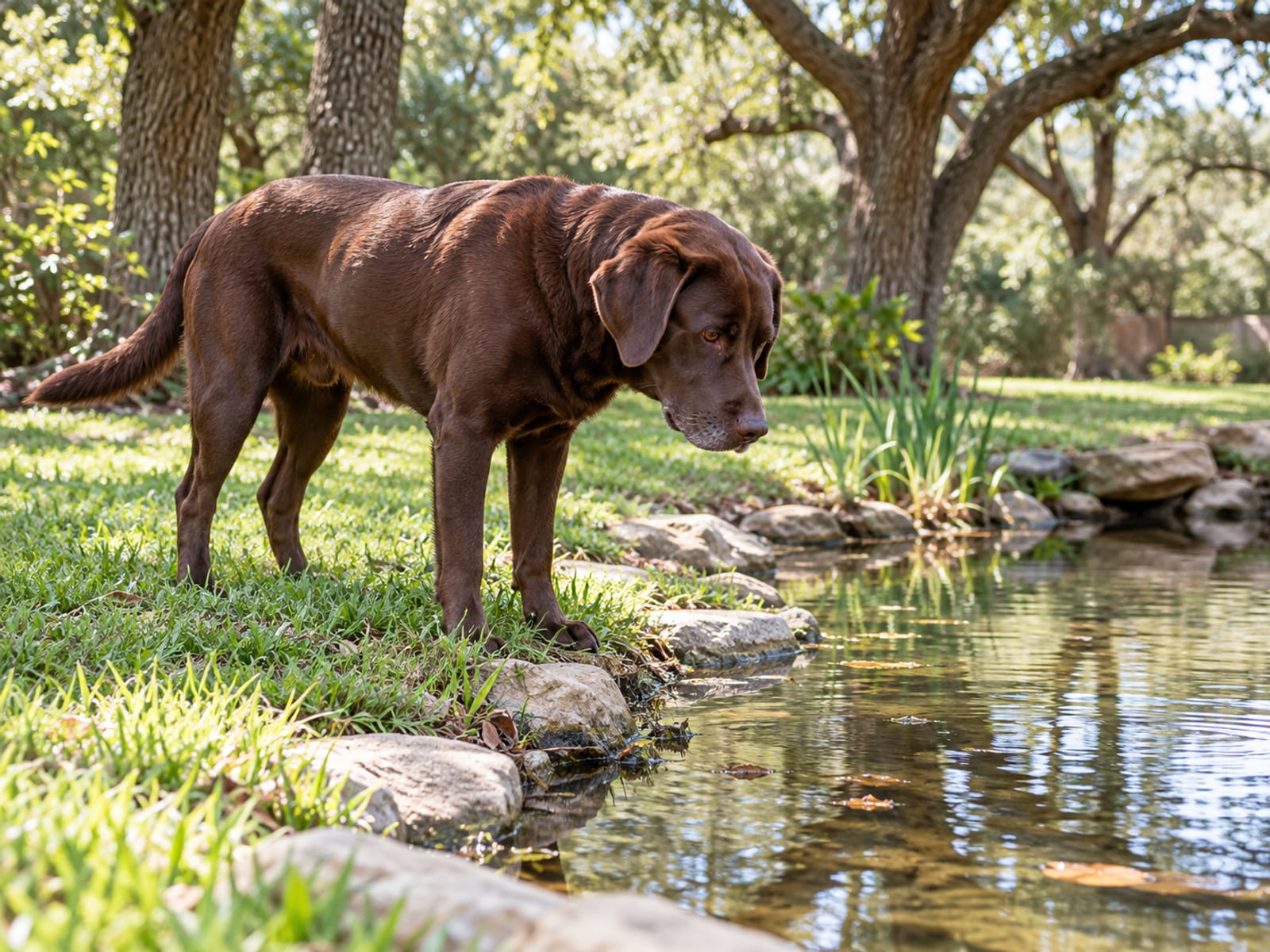
Dogs get infected by swallowing cysts. That can happen by drinking from creeks, ponds or other water, licking contaminated paws or fur, rolling in contaminated soil, or coming across feces in a shared area. The CDC lists contaminated feces, soil, water, food and objects as the sources.
Puppies and younger dogs are more likely to get sick. Risk also goes up with crowded housing, shelters, kennels, boarding, daycare, dog parks and shared outdoor areas. Cornell says cysts can survive in the environment for months, and the CDC says they last longer in cool, moist places than in dry, warm places in direct sunlight.
What does Giardia diarrhea look like, and can a dog have it with no signs?
Giardia stool is usually soft or poorly formed rather than watery. It can be pale, foul-smelling, mucousy or greasy, and it often comes and goes over weeks. Other possible signs are gas, belly discomfort and weight loss. In more severe cases you may see a poor appetite, lethargy or occasional vomiting. Blood is usually absent.
The AVMA intestinal parasite brochure.pdf) describes on-and-off diarrhea, greasy feces, extra gas and weight loss. It also says some infected animals look healthy. A dog with normal energy and no diarrhea can still carry Giardia, and it is sometimes found during routine stool testing. Because of that, a positive test and an obviously sick dog are two different things, and your vet decides what the result means for your dog.
How does the vet diagnose Giardia?
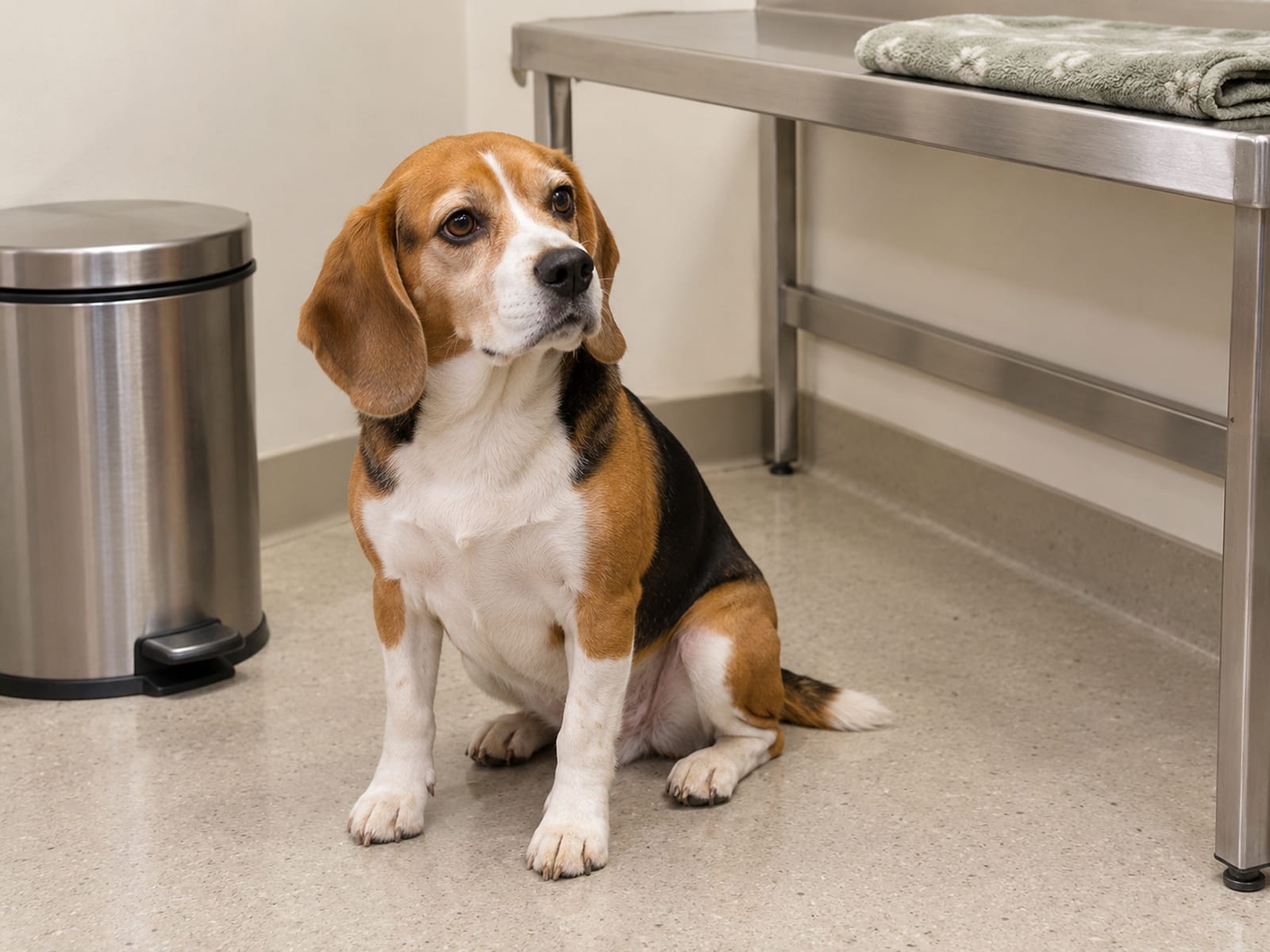
Your vet has a few options. They may use a centrifuged zinc sulfate fecal flotation to find cysts, a fecal antigen test such as the commercial SNAP Giardia test, or PCR (molecular) testing. Merck says the two most common methods are finding cysts or active forms in the stool and detecting Giardia antigen.
Cysts are shed on and off, so one negative sample does not settle it. The CDC and Cornell both note this, and your vet may ask for more than one sample on different days.
Testing after treatment has limits too. CAPC says ELISA (antigen) and PCR tests can stay positive after treatment, so a positive result alone should not decide that treatment failed or that your dog was reinfected. If signs have not cleared, CAPC says follow-up testing can be done 24 to 48 hours after therapy, preferably with centrifuged fecal flotation on solid or semisolid stool. Ask your vet which test they plan to use and why.
How is Giardia treated, and does my dog need a bath?
Treatment is prescription only. The CDC says no over-the-counter medicine is approved for Giardia in pets, and Merck says the evidence for supportive products such as probiotics is limited. So, a home dewormer or a home remedy is not a substitute for a vet visit.
CAPC names fenbendazole, metronidazole and combinations containing febantel, pyrantel and praziquantel. It also mentions secnidazole and nitazoxanide for some dogs, with more research needed on their safety and effectiveness. CAPC also says albendazole is unsafe for dogs and should not be used. I will not give doses here. Use the medicine and amount your veterinarian prescribes, for the full length of time they say.
Whether to treat depends on symptoms, test results, other pets and people in the home, your dog's immune status, lifestyle and your vet's judgment. CAPC says a healthy dog with no signs and a type of Giardia that does not spread to people may not need treatment, while dogs living with vulnerable or immunocompromised people or animals may be managed differently. Tell your vet about every dog and cat in your home, even the ones with normal stool.
Bathing is part of the plan. The CDC recommends bathing the dog to remove fecal material from the coat, because cysts on fur can be swallowed again when your dog grooms. Cornell recommends a full bath on the last day of treatment. If you cannot bathe your dog safely at home, our groomer directory can help you find professional bathing.
Can people, other dogs and cats catch Giardia from my dog?
For people, the risk is low. The CDC says people are unlikely to get Giardia from dogs or cats because the types that infect people are usually different from the ones that infect pets. Dogs most often carry types called assemblages C and D, while A and B are the ones linked to human infection. Low risk does not mean zero, so the CDC still advises washing hands after touching pets, feces, food or pet supplies, and wearing gloves when gardening. If someone in your home has a weak immune system, mention it to your vet and your own doctor.
Other dogs are a bigger worry. An infected dog can spread cysts through feces, fur, surfaces, water and shared outdoor spaces, so keep your dog away from other dogs' spaces while it has diarrhea or is being treated.
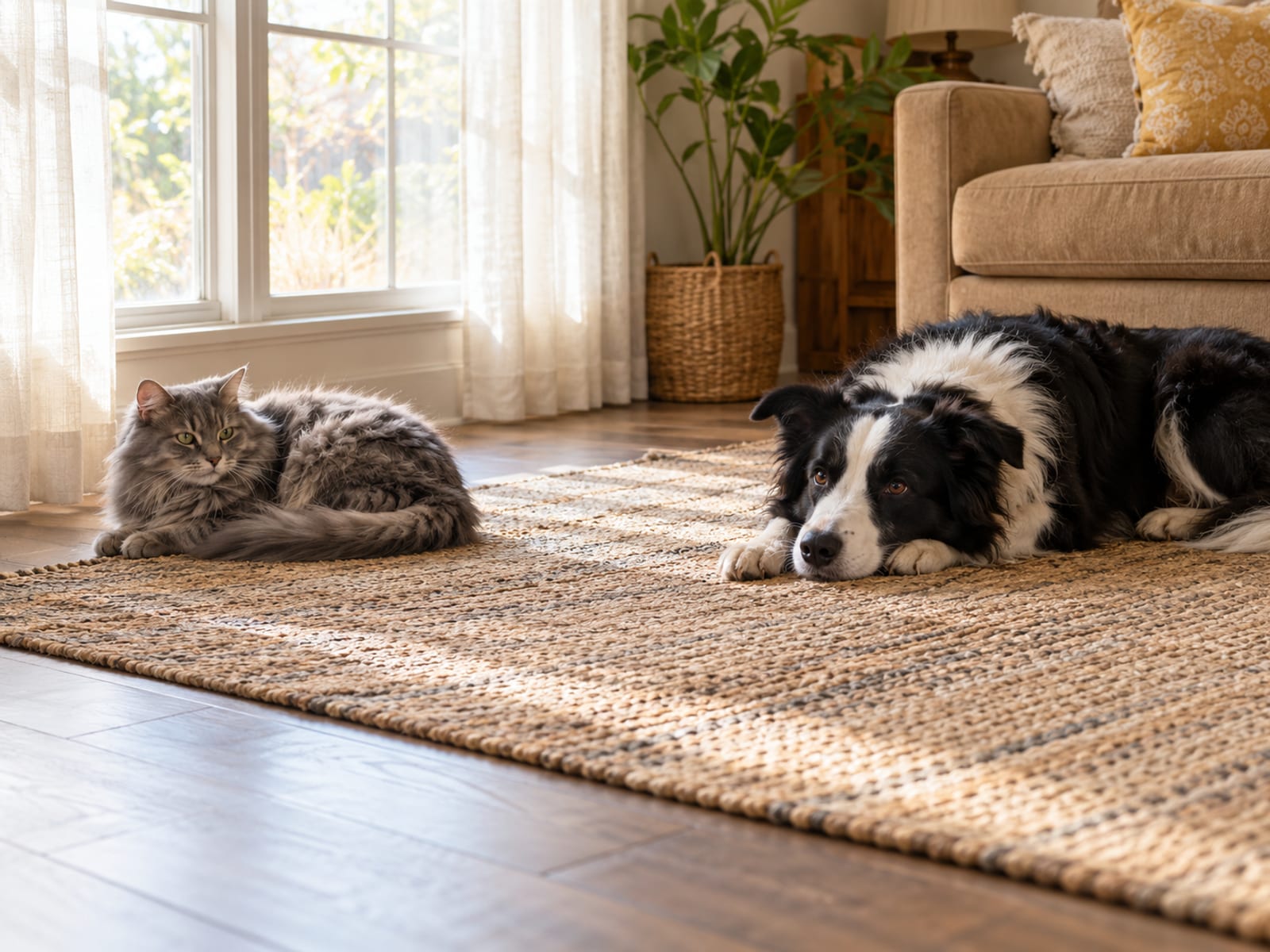
Cats are less likely to be affected. Cornell says a dog with Giardia generally does not pose a risk to a healthy cat because dogs and cats are vulnerable to different strains. Ask your vet for advice in a multi-pet home, or if you keep unusual pets.
How do I clean my home and yard?
Cleaning is how you stop the loop of reinfection, so do it while your dog is on medication and for a few days after the last dose. The CDC prevention page gives these indoor steps:
- Pick up feces with paper towels or another absorbent material, seal it in a plastic bag and throw it away.
- Clean the surface with soap or a suitable cleaner and rinse until no visible fecal material remains.
- Let the surface dry completely.
- Disinfect with a product used according to its label.
- Clean and disinfect bowls, toys, crates, bedding and floors. Do it daily if you can while your dog is on medication.
- Wash laundry in a washing machine and dry it for 30 minutes on the highest heat setting. Without a dryer, dry items fully in direct sunlight.
- Run dishwasher-safe bowls and toys through the dishwasher's final rinse or dry cycle. The CDC also allows covering them fully in boiling water for at least one minute.
The yard is harder. Remove feces promptly and throw it away, drain standing water, and keep your dog away from dog parks, public trails and shared outdoor spaces while it has diarrhea or is on medication. Do not spray bleach or quaternary ammonium products on soil or grass, because the CDC says they will not kill Giardia there. Dry, warm, sunny conditions reduce how long cysts survive, and cool, moist conditions help them last, so fully clearing a yard is difficult. Pick up quickly and keep at it.
What might Giardia testing and treatment cost?
Prices vary by lab, clinic and region, so treat these as dated examples and not a full bill.
Tap or hover a row to highlight it.
| Test or visit | Price | Note |
|---|---|---|
| Test or visitArizona Veterinary Diagnostic Laboratory, Giardia/Cryptosporidium assay | Price$28 | NotePricing revised October 2025 |
| Test or visitArizona Veterinary Diagnostic Laboratory, fecal flotation | Price$21 | NotePricing revised October 2025 |
| Test or visitArizona Veterinary Diagnostic Laboratory, assay turnaround | Price1 to 2 working days | NotePricing revised October 2025 |
| Test or visitNeighborhood Veterinary Hospitals of San Diego, exam | Price$80 | Note2026 price |
| Test or visitNeighborhood Veterinary Hospitals of San Diego, urgent-care exam | Price$120 | Note2026 price |
| Test or visitNeighborhood Veterinary Hospitals of San Diego, recheck | Price$59.95 | Note2026 price |
| Test or visitNeighborhood Veterinary Hospitals of San Diego, fecal plus Giardia | Price$88.99 | Note2026 price |
The Arizona lab figures are lab fees. The San Diego clinic figures are what one clinic listed. Your final bill can also include sample handling, the exam, medication, supportive care, tax, follow-up and emergency fees. Ask your clinic for an itemized estimate that covers the exam, testing, medication and any recheck before you agree to a plan.
When can my dog go back to daycare, boarding or the dog park?
Follow your veterinarian's advice and the facility's own rules. Many boarding and daycare facilities have fecal testing or exclusion requirements, so call ahead and ask what they need to see. Until your vet says otherwise, keep your dog out of shared outdoor spaces and away from shared water while it has diarrhea or is on treatment. That protects other dogs, and it also protects your dog from picking up cysts again. To find a facility and check its rules, use our boarding and daycare directory.
Questions owners ask about Giardia in dogs
Short answers to common questions about Giardia in dogs.
How long does Giardia take to go away in dogs?
It depends on your dog, the medicine your vet chooses and whether your dog keeps getting re-exposed. Signs that have not cleared after treatment call for a recheck, and CAPC says follow-up testing can be done 24 to 48 hours after therapy. Continued cleaning matters, because contamination in the home and yard is a common reason cysts keep showing up or signs return.
Can people catch Giardia from their dog?
The CDC says people are unlikely to get Giardia from dogs or cats because the types are usually different. Washing your hands after handling your dog, feces, food or supplies still lowers your risk.
How can you tell if your dog has Giardia?
You cannot tell from the stool alone. On-and-off soft, foul-smelling, mucousy or greasy stool, gas and weight loss suggest it, but only a stool test can confirm it. Some dogs have no signs, and a vet can also rule out other causes.
Do you need to disinfect the house if your dog has Giardia?
Yes, indoors. Clean and disinfect bowls, toys, crates, bedding and floors, wash laundry on high heat and dry it for 30 minutes on the highest setting. Outdoors, disinfectants will not kill Giardia in soil or grass, so pick up feces and remove standing water instead.
What is the next step?
Call your vet today, describe the stool and ask about a fecal test and how many samples they want. If your dog is lethargic, vomiting, refusing food or passing blood, go now. While you wait for results, pick up feces right away, wash your hands and start the indoor cleaning above. If you need a clinic, start with our veterinarian directory. I am rooting for you and your dog.
Sources
- American Veterinary Medical Association: AVMA intestinal parasite brochure
- azvdl.arizona.edu: Arizona lab
- capcvet.org: CAPC
- cdc.gov: CDC prevention page
- cdc.gov: CDC
- Cornell University College of Veterinary Medicine: Cornell
- Merck Veterinary Manual: Merck Veterinary Manual
- neighborhoodvethospitals.com: San Diego clinic