
How to Start a Dog Boarding Business: Zoning, Licenses, Costs, Insurance and Safety
By Cal Hewitt · Published
Business guides
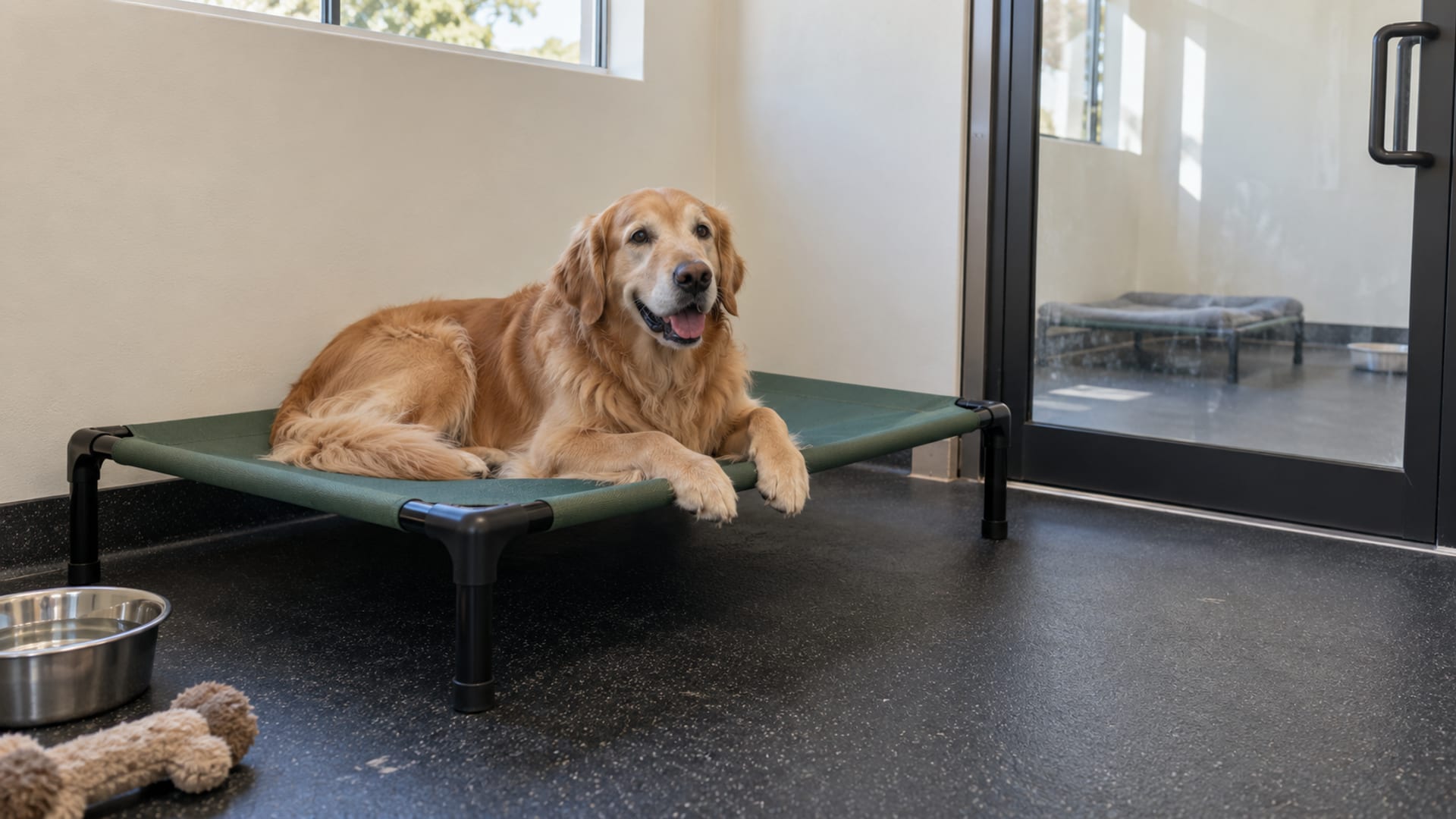
To start a dog boarding or daycare business, first confirm that your address allows the activity, then find the state, county and city licenses and inspections that apply. After that, form the business, register for taxes, arrange insurance, design safe housing and play areas, write your vaccination and intake rules, hire and train staff, build an emergency plan, and price the service from local demand and your real operating costs. Requirements differ a lot from place to place, and a home-based business can still need zoning approval and a kennel license. Call your city or county planning office and your state agriculture or animal-welfare agency before you accept a dog.
Key takeaways
Tap a card to bring it forward.
- Confirm zoning at your exact address before you sign a lease or advertise; a home business can still fall under zoning rules.
- Kennel licensing is set by each state, and city and county rules sit on top of it, so there is no one national license.
- A state license does not cancel local zoning; Iowa says so directly.
- Vaccines lower the risk and severity of illness but do not guarantee protection, so pair a vaccine policy with health screening and isolation.
- Revenue is not profit; the pet-sitting revenue average is gross revenue for a broad sample, not what a boarding owner keeps.
- Accept no dogs until every required approval is in writing.
What kind of dog-care business are you starting?
Pick the service model first, because each one changes your space, staffing, hours, noise and waste. Overnight boarding means dogs sleep at your place, so you need housing for each dog, overnight checks and a plan for the dogs that cannot share space. Daycare means supervised playgroups during the day, so staffing and group makeup carry most of the weight. Home boarding takes a small number of dogs into your own house, which brings zoning and household questions that a commercial building does not. Many owners combine boarding and daycare, and some add grooming or training.
Does your property allow boarding or daycare?
Check this before anything else. The U.S. Small Business Administration says your business location determines your taxes, zoning laws and regulations, and that home-based businesses can still be subject to zoning. Its advice is to contact the city planning department or a similar local office. SBA's launch guidance is a good starting point for the general steps.
Depending on where you live, a dog business at a house or a rented building can involve a home-occupation permit, a zoning review or conditional-use permit, a maximum dog count, limits on customer visits, parking, noise, signs or employees, rules for outdoor areas, and building, fire, sanitation or wastewater approvals. Dog-count rules belong to your address and your local government, so do not borrow another town's number.
When you call the city or county planning and zoning office, ask:
- Is boarding or daycare allowed at this address?
- Is a home-occupation, conditional-use or special-use permit required?
- Is there a maximum number of dogs, and do my own dogs count?
- Are overnight stays treated differently from daycare?
- Do outdoor runs, fencing, parking, signs, noise, wastewater or fire permits apply?
- Which office does the inspections?
- Does the approval move with the business if I relocate?
Ask for the answers in writing, with the maximum capacity, renewal dates and fees.
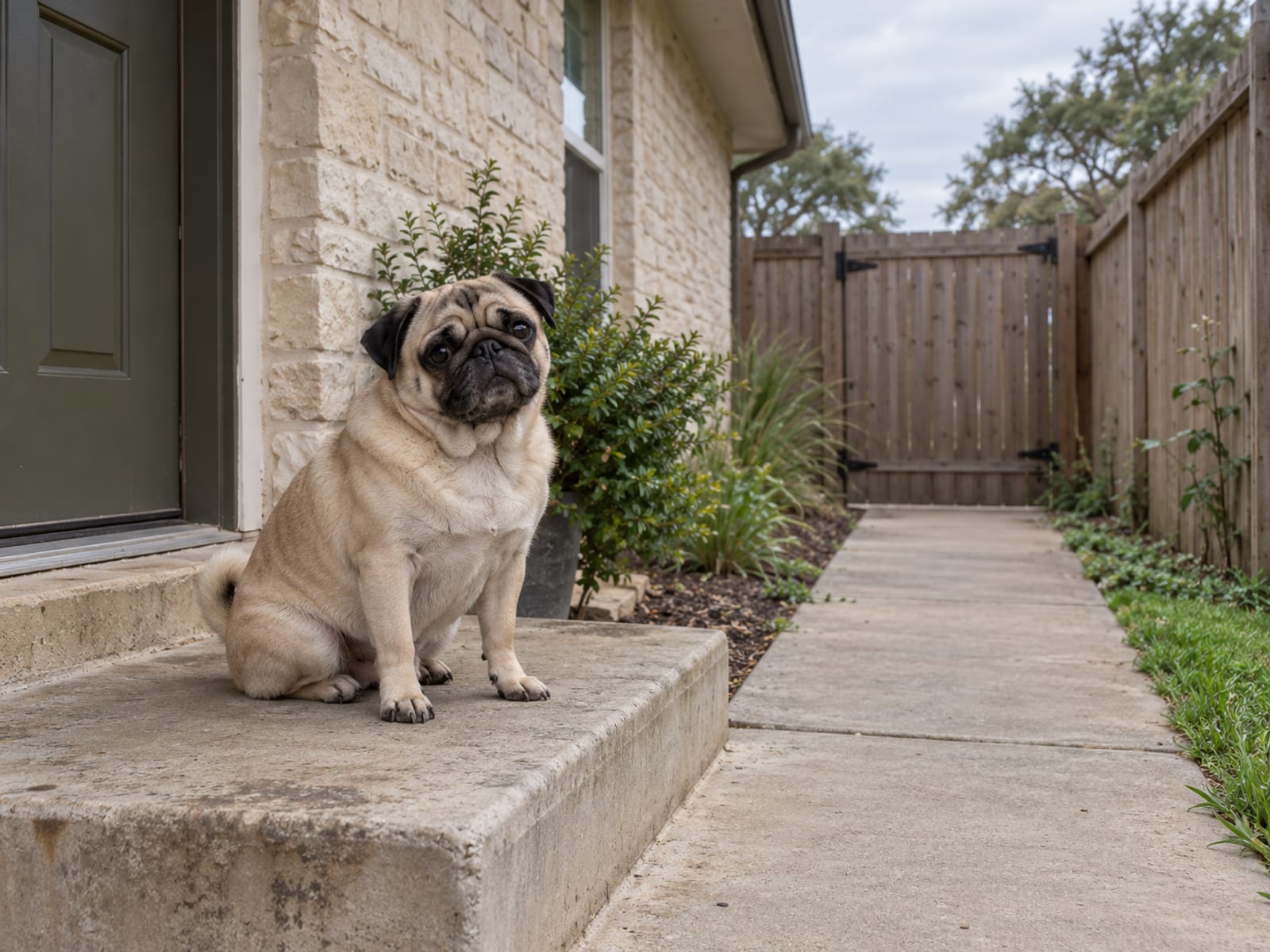
Which licenses and registrations apply, and who sets each one?
Four layers of government can touch a dog business: federal, state, county and city. Federal paperwork is about taxes. The IRS covers business structure, employer ID numbers (EINs), employment taxes and records in Publication 583. It also says a sole proprietorship has no existence apart from its owner, so the owner is personally responsible for its liabilities. If protecting your home and savings matters to you, talk with a lawyer or accountant about the structure that fits.
Your Secretary of State usually handles entity registration and assumed names, and your state revenue office handles state tax registration. Your city or county may add a business license. Then comes the one people ask about most, the kennel or animal-facility license, which most often sits with a state agriculture, veterinary or animal-welfare agency. States handle it differently, so these examples show how much it varies. They are examples, not a 50-state list:
- North Carolina: a state boarding kennel license is required, and the state's animal welfare page says that includes in-home boarding. The application asks for the maximum number of dogs, the enclosures and cleaning times. The fee is $75 per fiscal-year license period, listed on the licensing and forms page.
- Iowa: the Iowa Department of Agriculture covers boarding kennels, commercial kennels and dog daycares for $175 a year, and says local zoning and stricter municipal rules still apply.
- Kansas: a boarding or training kennel operator must get a license for each premises from the commissioner.
- Missouri: each physical facility needs its own annual license, with a statutory fee range of $100 to $2,500 a year.
- Maine: a person who keeps a boarding kennel needs a state license; the statute lists a $125 fee plus advertising and fee-notice requirements.
- Nebraska: state law requires a license for a boarding kennel and makes the premises available for inspection.
- Georgia: the Department of Agriculture lists a kennel license for places that keep dogs or cats for boarding, holding, training or similar paid purposes.
Tap or hover a row to highlight it.
| State | Figure | Applies to |
|---|---|---|
| StateNorth Carolina | Figure$75 per fiscal-year period | Applies toBoarding kennel license, including in-home boarding |
| StateIowa | Figure$175 annually | Applies toBoarding kennel, commercial kennel or dog daycare |
| StateMaine | Figure$125 | Applies toBoarding kennel license |
| StateMissouri | Figure$100 to $2,500 annually | Applies toStatutory range, one license per facility |
Whatever your state is, a state may license the facility while your city or county controls zoning, building, fire, wastewater, noise, occupancy and home-business rules. Call your state agency and your local planning office both.
What does the facility need?
Plan the building around keeping dogs secure, comfortable and separable. At minimum, think through:
- Secure entry and fencing, with double gates or another buffer where dogs could bolt.
- Individual housing or resting areas, so every dog has a quiet place.
- Playgroups built from compatible dogs, with the ability to separate dogs right away.
- Safe flooring, drainage and ventilation, and a cleaning routine you can follow every day.
- An isolation area for a dog that shows signs of illness.
- Direct supervision of every play space.
- Escape prevention, from tall fencing to a rule that only one door is open at a time.
- A written disease-control plan.
Capacity should follow the space, the staff and your ability to supervise. Iowa's rules approve a daycare's maximum capacity based on space, staff and supervision ability. IBPSA's 2019 survey reported a median maximum daycare capacity of 50 dogs, but a survey of what facilities hold does not tell you what is safe, so start smaller than the building allows. For group play, my advice is to introduce dogs gradually and train staff to read dog body language, because most trouble starts with signals someone missed.

What health and vaccination policy should you write?
Write the policy down before your first booking and apply it to every dog. Boarding businesses commonly ask for:
- Current rabies vaccination records, following state and local law.
- A distemper-parvovirus combination vaccine, often labeled DHPP or DAPP.
- Bordetella, the kennel cough vaccine, for dogs in group settings.
- Canine influenza vaccination where your veterinarian, the local disease situation or your insurer calls for it.
- Written veterinary records instead of an owner's word.
- A health check at drop-off.
- Exclusion or isolation for coughing, vomiting, diarrhea, fever, unexplained lethargy or other signs your policy lists.
- An emergency veterinary contact and a way to get the owner's permission to treat.
The American Veterinary Medical Association notes that core and non-core vaccine choices depend on the dog, the location and its exposure, and its Spanish-language brochure says Bordetella and canine influenza vaccines are recommended for dogs that spend time at boarding, daycare and training facilities. Vaccines reduce risk and severity but do not guarantee protection, which is why intake screening and isolation matter. Review your rules with a veterinarian. Your clients may also want to read about kennel cough in dogs.
How many staff do you need, and how do supervision ratios work?
You need enough people that every dog in a play area is watched at all times, plus coverage at opening, closing and overnight. Group makeup changes the answer: use a lower ratio for new dogs, mixed sizes, high-energy groups, dogs that need individual care and less experienced staff.
Ratios you see online are benchmarks, and few are U.S. law. Iowa limits a dog-daycare playgroup to 30 dogs under its administrative rules. A published daycare standard from the United Kingdom says each staff member should care for 10 dogs or fewer, with a higher standard of one full-time staff member per eight dogs. That is not U.S. law, but it is a clear operating benchmark you can compare to your plan. Ask your state agency whether it sets a ratio.
For budgeting, the Bureau of Labor Statistics reports a May 2025 median annual wage of $35,360 for animal caretakers, with the lowest 10 percent earning under $27,250 and the highest 10 percent over $50,060. That is an employee wage, so add payroll taxes and training time. Document each employee's training in handling, escape prevention and incident reporting.
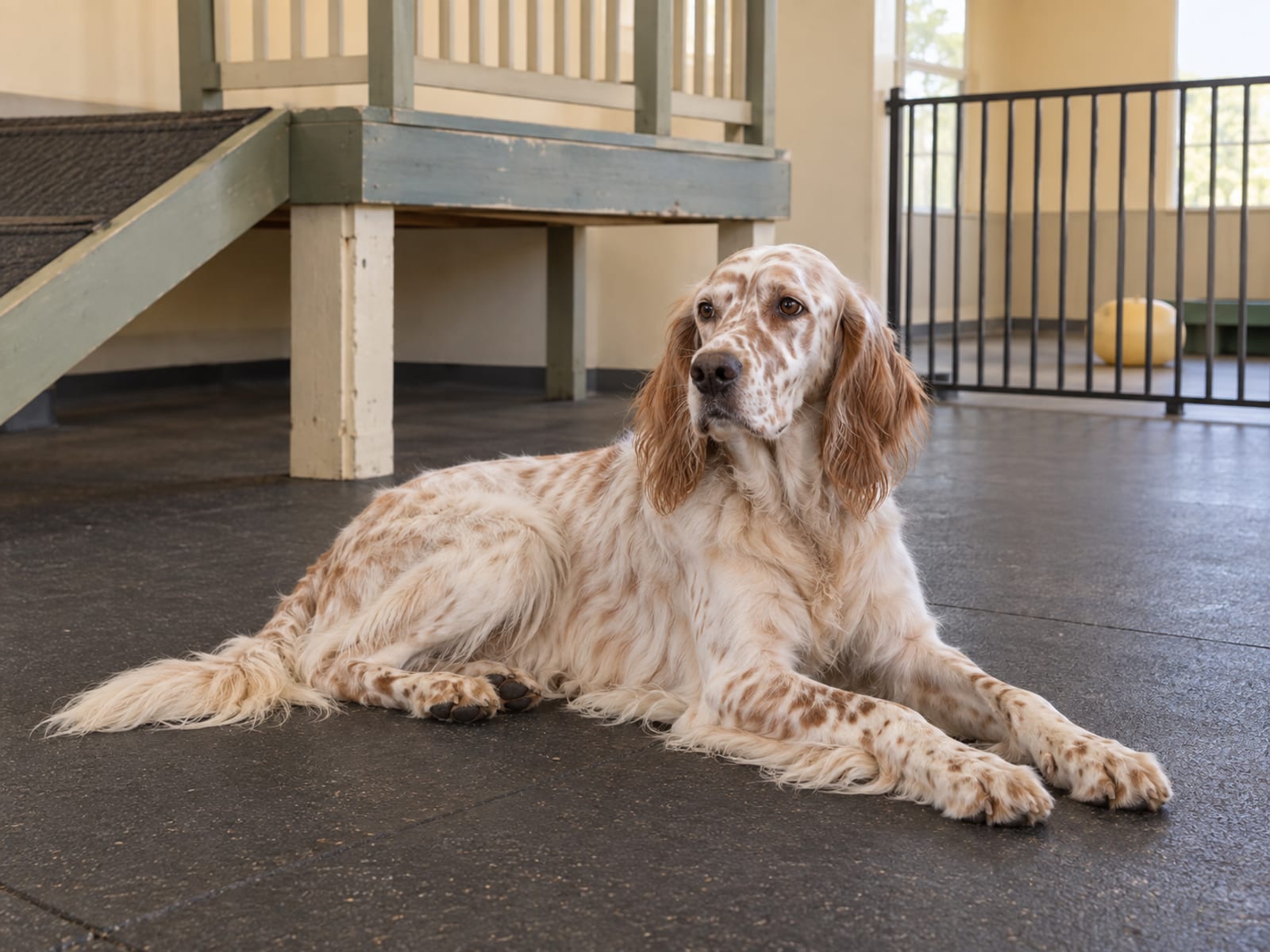
What insurance should you discuss with an insurer?
Insurance is a conversation with a licensed agent, and I can't tell you which policy covers you. Bring this list and ask for written answers:
- General liability.
- Animal-care, custody and control coverage, which addresses dogs in your care.
- Property coverage for the building and equipment.
- Workers' compensation, where it applies to your employees.
- Commercial auto, if you pick up or drop off dogs.
- Business interruption.
- Exclusions, limits, and whether boarding, daycare, employee activities, transport and home-based operation are each covered.
SBA's guidance lists insurance among the items most businesses need to sort out. If you are in Texas, Dog Business Insurance in Texas covers that state's version of this question.
What does it cost, how do you price it, and what can it earn?
Startup cost depends on the property and the model, so no single national figure applies to you. Budget for entity registration and local business fees, state kennel fees, zoning, building, fire, health and wastewater approvals, rent or purchase costs, construction and sound control, fencing, gates, runs, crates, beds, flooring, cameras, ventilation, laundry and cleaning equipment, payroll and employee taxes, insurance, food, cleaning products, waste disposal, utilities, software, payment processing, advertising, and an emergency reserve. Get local quotes for each line.
On earnings, be careful with the numbers you find. Pet Sitters International reported average gross revenue of $100,537 for surveyed U.S. member businesses in 2023, but that is gross revenue for a broad pet-sitting group, not boarding profit. IBPSA's 2019 survey reported median annual revenue of $369,000 across surveyed pet-service locations that offered several kinds of service. Treat both as rough context, not a forecast. IBPSA's reports cover occupancy, average stays, revenue per pet, payroll and discounts, which are the measures worth tracking in your own books.
To price, start from your own numbers:
- Count your real capacity: how many dogs you can house and supervise.
- Pick a realistic occupancy rate, since beds are not full every night.
- Add labor hours, fixed costs, variable costs, taxes and payment fees.
- Account for discounts, holiday demand, late pickup, medication handling and extras.
- Compare two or three local facilities, then set a price that covers your costs on your own.
PSI says prices vary by location. Its 2024 survey put the average pet-sitting visit at 31 minutes and $25.49, but that is a visit rate and not a boarding rate.
What emergency plan should be ready before you open?
Write the plan before the first dog arrives and test it. FEMA's Animals in Disasters course teaches you to identify local hazards, use an incident-command structure, plan with your community, line up resources and plan recovery. Write procedures for:
- Fire, tornado, hurricane, flood, wildfire, extreme heat, winter weather, earthquake and power loss.
- Evacuation routes and destinations that accept animals.
- Backup transportation and crates.
- A staff call list and minimum staffing.
- Owner and emergency-contact communication.
- Printed and backed-up animal records.
- Food, water, sanitation and first-aid supplies, leashes, lights, batteries and a generator where appropriate.
- Veterinary and emergency-veterinary contacts.
- Disease isolation and temporary closure.
- A dog that escapes, is injured, bites, dies or whose owner does not answer.
- Pickup and reunification.
- Backup housing if the building can't be used.
FEMA's pet-preparedness material says boarding kennels and veterinary facilities may need medical records to confirm vaccinations. Heat planning is its own subject; the Texas guide on heat safety for dog businesses is a useful model for what to write down.
Questions dog business owners ask about starting a boarding business
Do I need a license to board dogs in my home?
Possibly. North Carolina applies its boarding kennel license to in-home boarding, and home businesses can still face zoning and local business rules. Call your state agency and your city or county planning office about your address.
Does a state license override zoning?
No. Iowa says local zoning and stricter municipal rules still apply, so you need both approvals.
How profitable is a dog boarding business?
It depends on your capacity, occupancy, payroll and fixed costs, so build a budget from local quotes. The $100,537 PSI average is gross revenue for a broad pet-sitting sample, and revenue is not profit.
What does it cost to board a dog for 10 days?
Rates are local, so check what two or three facilities near you charge per night and add the extras you plan to offer. Set your own price from your costs, not from a national average.
What are the risks of pet boarding?
The main ones are illness spreading in group care, fights, escapes, injuries and emergencies such as fire, flood or power loss. Vaccination records, health screening, isolation space, trained staff, secure fencing, insurance and a written emergency plan address each of them.
What should you do this week before you accept a dog?
Here is the order I'd follow:
- Choose your service model: boarding, daycare, home boarding or a mix.
- List two or three possible addresses, or confirm your own.
- Call the city or county planning office and ask the questions listed above.
- Call your state agriculture or animal-welfare office and ask which license applies.
- Start a cost sheet with real quotes.
- Ask an insurance agent for written coverage details and exclusions.
- Draft your intake, vaccination and illness rules, and review them with a veterinarian.
- Map your emergency contacts and backup housing.
Do not accept dogs until every required approval is in hand. If you are in Texas, compare your plan with how to start a dog boarding business in Texas. Confirm zoning, licensing, fees and insurance with the office or professional that decides each one, because the answer for your address is the one that counts.
Sources
- agr.georgia.gov: Department of Agriculture
- American Veterinary Medical Association: Spanish-language brochure
- bls.gov: animal caretakers
- gov.uk: 10 dogs or fewer
- ibpsa.com: IBPSA's 2019 survey
- iowaagriculture.gov: Iowa Department of Agriculture
- irs.gov: Publication 583
- kslegislature.gov: boarding or training kennel operator
- law.cornell.edu: administrative rules
- legis.maine.gov: state license
- ncagr.gov: licensing and forms page
- ncagr.gov: state's animal welfare page
- nebraskalegislature.gov: boarding kennel
- petsit.com: $100,537
- revisor.mo.gov: statutory fee range
- sba.gov: SBA's launch guidance
- training.fema.gov: Animals in Disasters course
- training.fema.gov: pet-preparedness material