
How to Start a Dog Boarding Business in Texas: Zoning, Permits, Costs and Safety
By Cal Hewitt · Published
Business guides
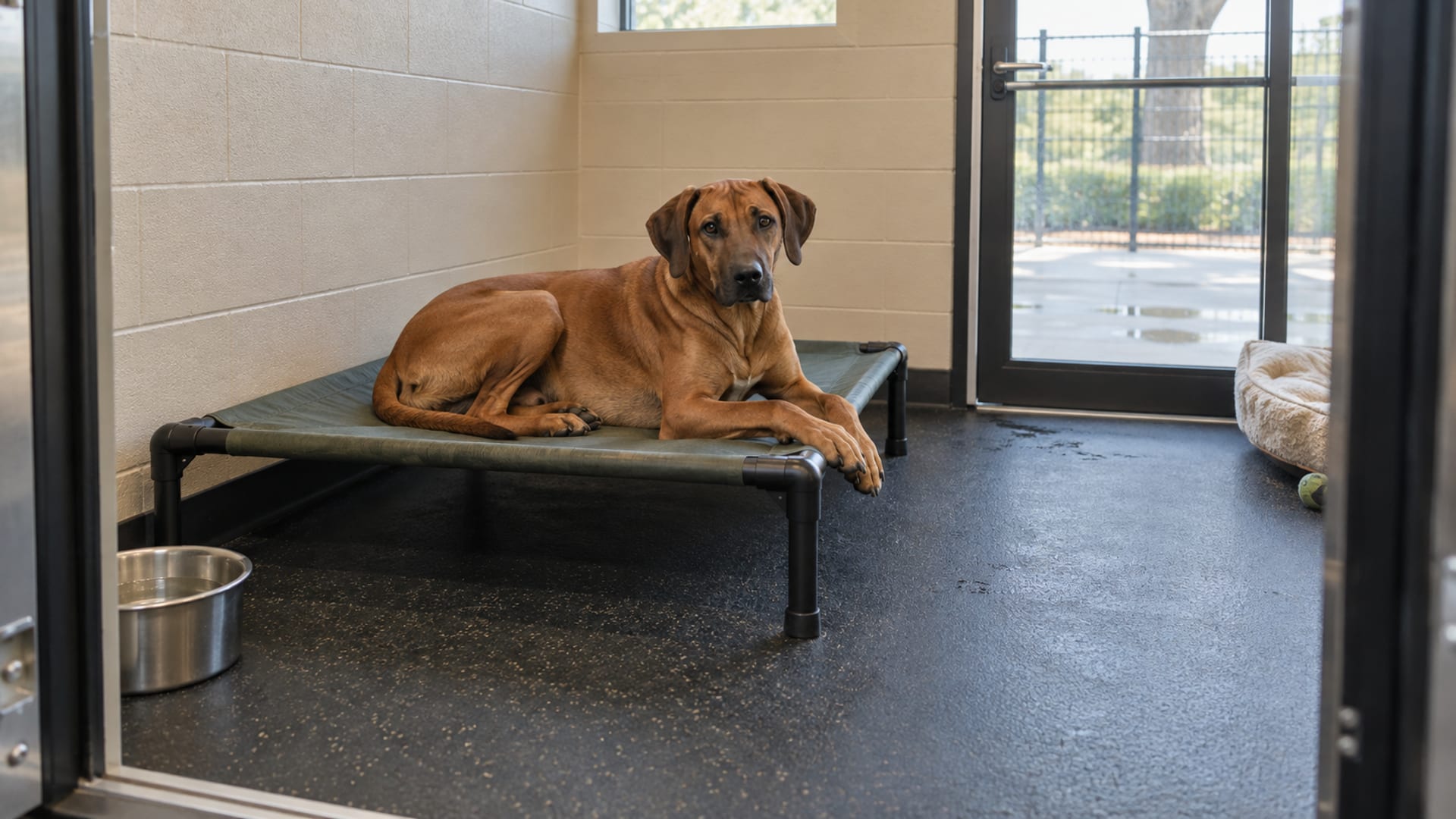
To start a dog boarding or daycare business in Texas, first confirm that your exact address allows the use. Texas has no single statewide kennel limit and no general business license for every operation, so your city or county may require zoning approval, a certificate of occupancy, an animal-service or commercial pet-facility license, building or fire approvals, and animal-control compliance. After that, register the business, arrange insurance that covers animals in your care, write vaccination and illness policies, prepare secure and climate-controlled space, staff it safely, and price from your local costs and capacity. Verify the rules before you sign a lease or accept a dog.
Key takeaways
Tap a card to bring it forward.
- Check the address before anything else: zoning, occupancy and local licensing decide whether the business can exist there.
- Texas has no general state business license and no single statewide kennel limit; capacity and conditions are often set by the city or county.
- Forming an LLC or filing an assumed name does not approve your location.
- Ask for care, custody and control (animal bailee) coverage by name, because general liability alone may not cover animals in your care.
- Startup figures online are industry estimates, not Texas government fees; replace them with written quotes for your address.
- Price with the SBA break-even formula: fixed costs divided by price minus variable costs.
If you are about to sign a lease, pay for a remodel or take a first dog, the costly mistakes all come from doing things out of order. This guide puts the steps in the order that avoids them. I am not a lawyer, an accountant, an insurance agent or a veterinarian, so for every legal, tax, insurance and health point I tell you which office or source decides.
Can you legally and safely operate at this address?
Start with the address before you think about the business name. The Texas Business Permit Office says Texas has no general state business license, but businesses still must register appropriately and meet state and local requirements. The office helps you find requirements; it does not issue local permits. Forming a company or filing an assumed name does not approve the physical location.
Rules differ a lot from one place to the next. Houston licenses commercial pet service facilities. San Antonio has a commercial kennel license with its own application. Austin sorts uses into "kennels" and "pet services." Any of these can change, so treat what you read here as the questions to ask, not the final answer for your street.
The offices to contact for the address you have in mind are the city planning or development department, the animal-control office, the county planning office and county clerk, the fire marshal and the building-permit office.
What type of business are you opening, and what should you verify before you sign a lease?
Your type of business changes which rules apply. The main options are home boarding in your own residence, boarding in the client's home, daycare with no overnight stays, a commercial overnight kennel, or a hybrid that adds grooming or training. A home business is not automatically allowed. Residential zoning, deed restrictions, occupancy limits, noise rules, animal-control rules and home-occupation rules may apply.
Before you sign, ask the local offices these questions about the exact address:
- Is overnight boarding, daycare or in-home boarding allowed here?
- What zoning district and use classification apply?
- Is conditional-use or specific-use approval required?
- Can I get a zoning verification letter in writing?
- Is a certificate of occupancy required?
- Is there a maximum dog count, and are indoor and outdoor dogs treated differently?
- What setbacks, fences, dig guards, noise controls, parking and signage rules apply?
- Do deed restrictions or a lease clause forbid animal boarding?
Get the answers in writing before you accept a paid booking or spend on a remodel. Houston's application also states that a license does not excuse violations of deed restrictions or other laws, so a permit alone does not prove the site suits every activity.
Which Texas registrations and tax steps apply?
The Texas Governor's Office lays out the order: write a business plan, choose a location and consider zoning, register the business, determine your tax responsibilities, and identify licenses and permits. The Texas Secretary of State has the entity formation and assumed-name filings; sole proprietors and general partnerships generally file an assumed name with the county clerk instead. The IRS issues EINs, and you may need one for employees or for certain entity types.
For state taxes, the Texas Comptroller says businesses may need to register, get permits, collect or pay tax and file returns. Ask the Comptroller or a tax professional what applies to boarding and daycare before you set your prices, and if you hire, ask about employer duties as well. An LLC is a business structure. It is neither a permit nor insurance, so it does not replace anything in the next section.
Which local permits and inspections may apply?
This is the part that differs most by city, so the cities with published requirements come first, then the cities you have to check yourself.
Houston. The Commercial Pet Service Facility application says Chapter 6, Section 6-121 requires a license, and it defines covered premises broadly as places where dogs or cats over four months old are kept for commercial purposes. The application lists a $50 fee, and the city fee schedule lists a $200 annual license fee. Houston requires proof that dogs kept at the facility are current on rabies vaccination and compliance with facility guidelines. Zoning and deed restrictions are checked separately.
San Antonio. The commercial kennel application requires a current certificate of occupancy and a site plan showing acreage, kennel and run dimensions, property-line distances, parking, waste disposal and structures. It asks for maximum animals, operating hours, employee ratio and waste-hauler information. San Antonio materials say kennel boarding may be allowed in specified industrial districts and may need specific-use authorization.
Austin. Austin's planning material separates "kennels," including boarding kennels and pet motels, from "pet services," where boarding happens entirely inside a building. In 2026 the city was gathering input on proposed kennel safety requirements, including dig-guard protection, which shows requirements can change before your project opens. Confirm the current classification with Austin Development Services before you lease.
Dallas and Fort Worth. Ask each city's planning or development office, animal services or code compliance, and fire marshal for written requirements for your address. One caution: the Fort Worth "boarding home" permit page covers human boarding homes, so do not treat it as a dog-kennel permit.
Other approvals that may come up include building, plumbing, electrical, drainage, fire and signage permits, and waste storage and removal. Ask which office issues each approval, what it costs and when it renews.
What does it cost to open, and how do you set prices?
Every startup figure I can cite is an industry estimate. None of them is a Texas government fee, and the ranges are wide. Use them to see which cost categories you have to quote, then replace them with written quotes.
Tap or hover a row to highlight it.
| Item | Estimate | Source type |
|---|---|---|
| ItemSmall commercial facility | Estimate$58,500 to $152,500 | Source typePetCare, 2026 |
| ItemMedium commercial facility | Estimate$135,000 to $314,000 | Source typePetCare, 2026 |
| ItemTotal startup, wide range | EstimateAbout $5,000 to $250,000 | Source typeAnother 2026 industry estimate |
| ItemPermits | Estimate$100 to $3,000 | Source typeSame estimate |
| ItemBuild-out and fencing | Estimate$2,000 to $150,000 | Source typeSame estimate |
| ItemLease deposit and first rent | Estimate$8,000 to $30,000 | Source typeFacility-planning estimate |
| ItemFlooring and drainage | Estimate$15,000 to $60,000 | Source typeFacility-planning estimate |
| ItemHVAC | Estimate$10,000 to $45,000 | Source typeFacility-planning estimate |
A home-based example from Houndtrust uses $900 of one-time setup and $174 a month of overhead, and it labels those numbers as a worked example, not national averages. The SBA says startup costs should include one-time and recurring expenses, so budget a cash reserve for slow months, repairs, refunds and veterinary transport.
Prices. For a market check, a Texas boarding directory reported a $44 median nightly rate across the facilities it lists, with examples starting around $30 in Houston, $18 in Austin, $38 in Dallas and $25 in San Antonio. That is directory data and no official survey, so it does not show a representative statewide average. National planning material models about $40 to $60 a night, which is a business assumption, not a statistic.
Prices vary with overnight boarding versus daycare, private suite versus group housing, dog size and care needs, holidays, medication, transport, bathing and fees for evaluation, late pickup and cancellation. Publish what your base rate includes. Then use the SBA break-even formula: fixed costs divided by price minus variable costs. Fixed costs are things like rent and insurance; variable costs are things like supplies per dog. More dogs do not always mean more profit, because capacity, staffing, occupancy limits and unbookable dates decide the result.
What insurance should you request?
Ask an insurance professional for coverage written for paid boarding and daycare; a generic homeowners or pet-sitting policy is the wrong fit. The categories to ask about are:
- General liability for bodily injury, property damage, customer slips and falls, and other third-party claims.
- Care, custody and control, or animal bailee, for injury, illness, escape, death or loss of animals in your possession, subject to policy terms and exclusions. General liability does not automatically cover this.
- Commercial property for buildings, kennels, fencing, equipment, cameras and supplies, plus business interruption where offered.
- Commercial auto if you transport dogs.
- Workers' compensation or an appropriate alternative for employees.
- Employment practices, cyber, professional and umbrella coverage where they fit a larger operation.
On workers' compensation, the Texas Department of Insurance says private employers can generally choose whether to carry it, but a non-subscriber has notice and reporting duties and can lose important lawsuit protections. Its consumer guide explains those duties. Talk it through with a licensed Texas insurance professional. A waiver signed by clients can spell out responsibilities, but it does not replace safe operations, insurance or legal review.
What should the facility, vaccination policy and supervision look like?
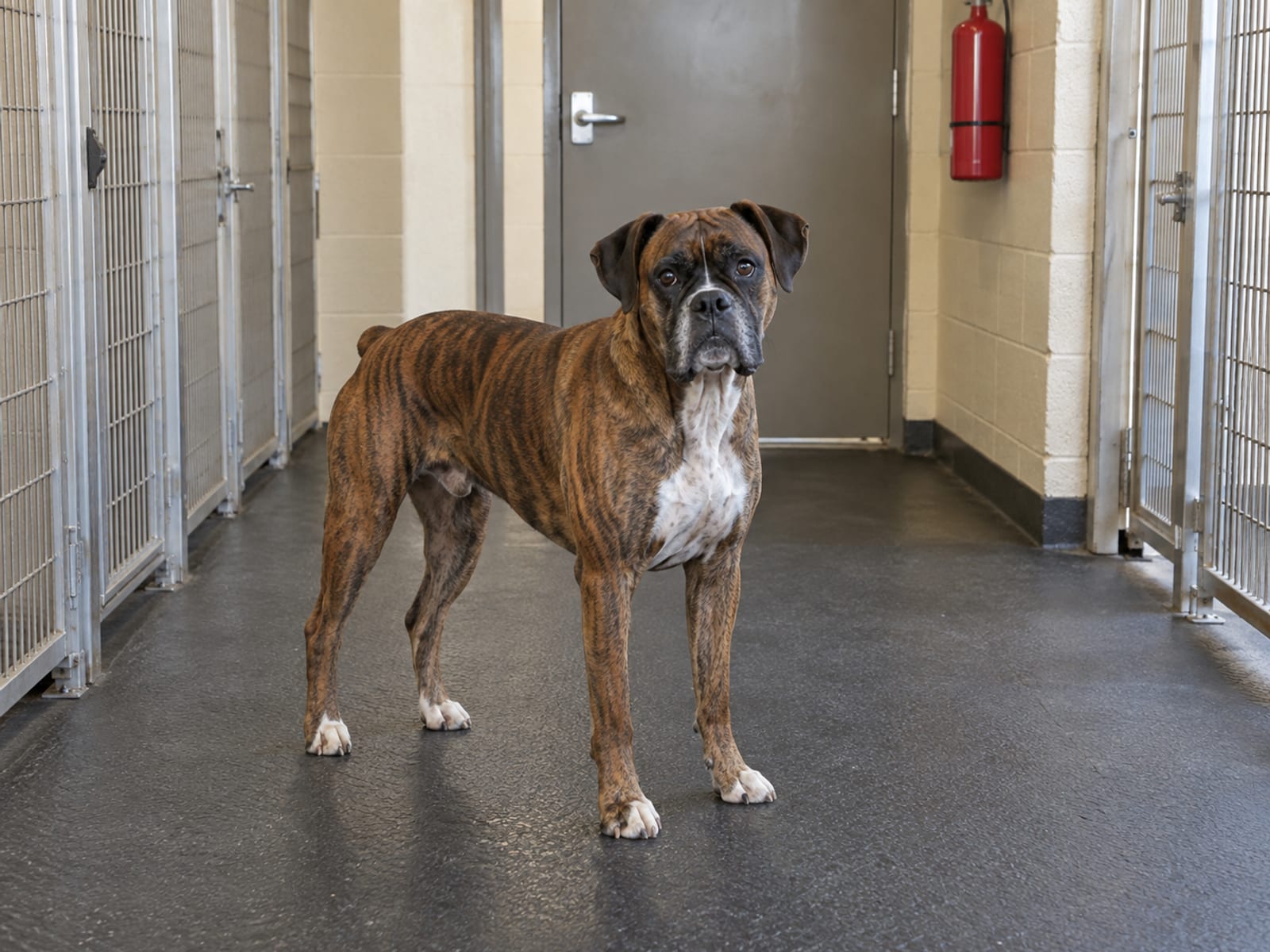
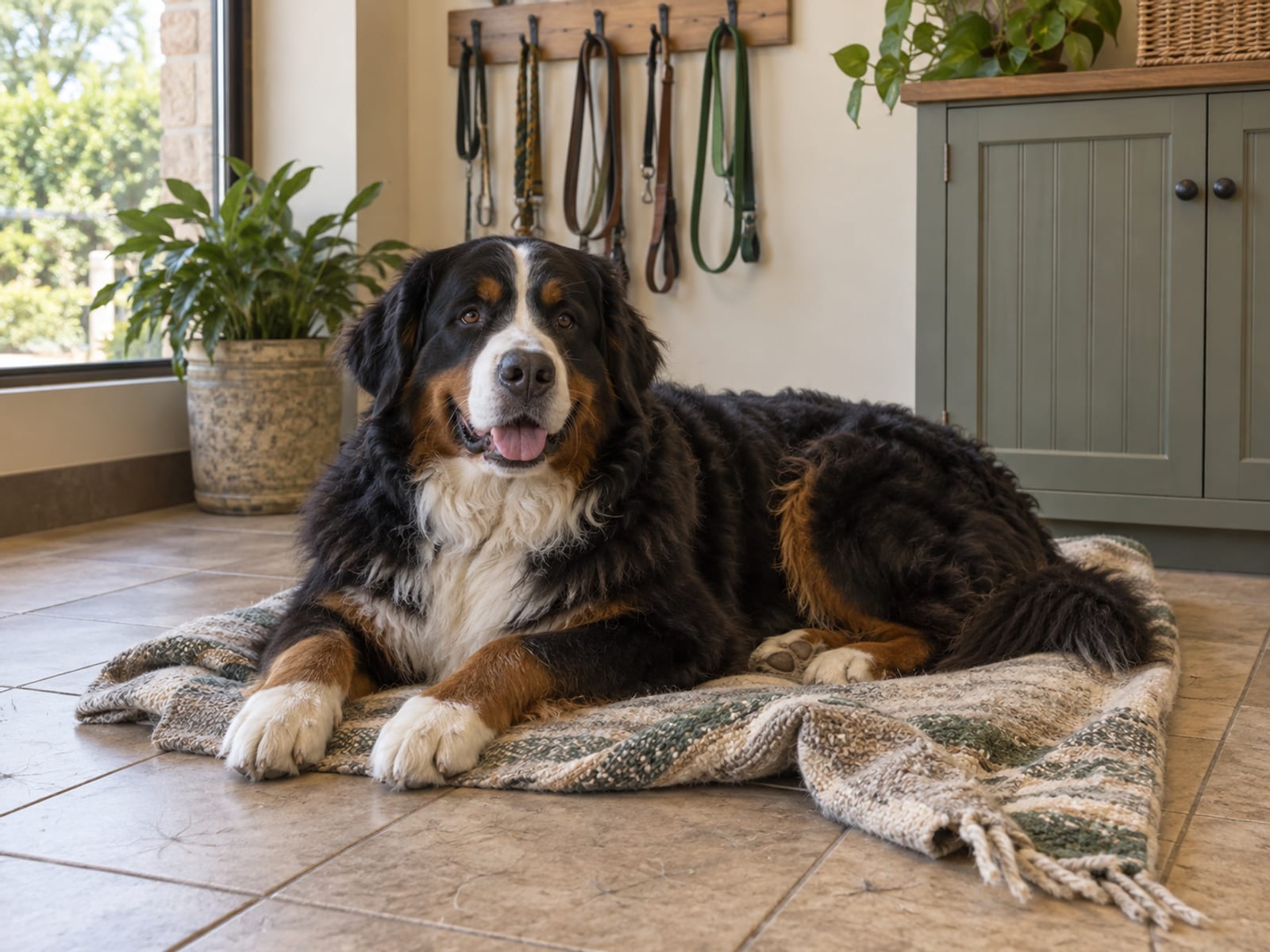
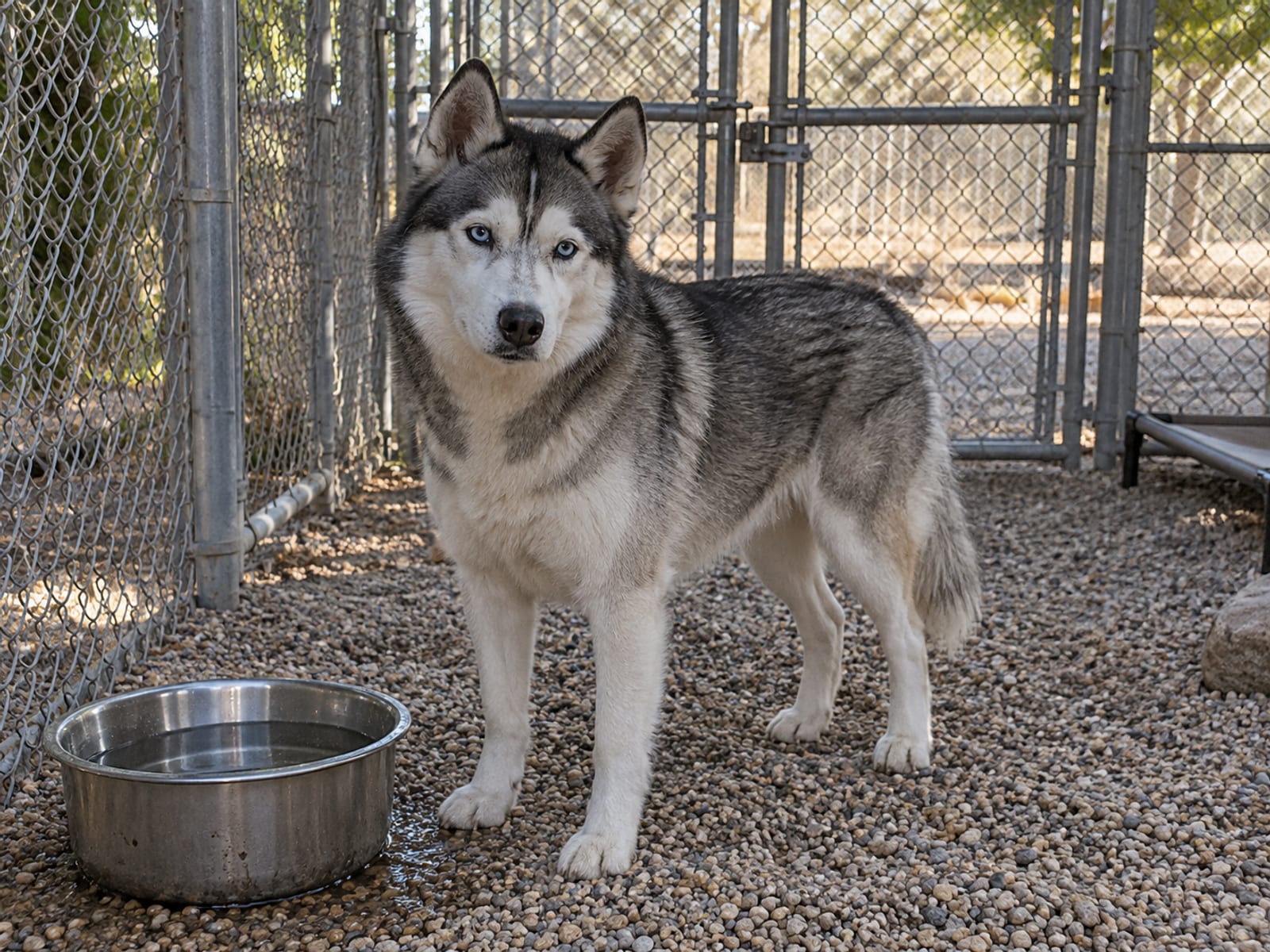
The facility. The San Antonio application gives concrete examples: an enclosure with four solid walls and a solid roof, an exercise area with secure fencing and locking gates, and nonporous flooring. Beyond that, plan for:
- Secure entry and exit, preferably a double gate.
- Escape-resistant fencing and dig guards.
- Separate areas for compatible playgroups, individual dogs, puppies, seniors and dogs that need isolation.
- Nonporous, slip-resistant floors with drainage, and a written cleaning and disinfection schedule.
- Ventilation and climate control that can handle Texas heat.
- Fresh water, protected food storage, safe waste handling, cameras, lighting, first-aid supplies and emergency exits.
The IBPSA learning site offers training on boarding standards, common safety mishaps, infection control, facility construction and heat-stress programs. Set your own written policy for staff-to-dog ratio and playgroup size, and check it with your local permitting office, insurer and veterinarian.
Vaccinations and health. Write your policy down and apply it to every dog. The AVMA says core vaccines are recommended for most dogs and that Bordetella and canine influenza vaccines are recommended for dogs visiting places where dogs gather, including boarding, daycare and training facilities. It also says the veterinarian should tailor timing to the dog. Your facility can set stricter admission rules than the law does. Local rules matter too: Houston requires rabies proof, and San Antonio's kennel materials require rabies plus vaccination against distemper, hepatitis, parainfluenza and parvovirus before boarding. A policy usually covers rabies, DHPP or equivalent, Bordetella, canine influenza depending on local risk, parasite-control and health history, and refusal of dogs showing respiratory, stomach, fever or other contagious signs.
The CDC says canine influenza spreads especially quickly among dogs in kennels and shelters, and that dogs with respiratory signs should be kept away from other dogs. It also recommends cleaning and disinfecting clothing, equipment, surfaces and hands after exposure.
Grouping and supervision. Evaluate every dog before group play, group by size and compatibility, keep an individual alternative for dogs that do not fit a group, and document supervision. Train staff in canine body language, safe handling, sanitation, incident reporting and evacuation. Write a staffing plan for opening, closing, breaks, cleaning, transport, emergencies and overnight coverage, because leaving dogs unattended overnight is a risk the plan has to address.
Which emergencies should you plan for?
A written plan is the thing you will be glad you had on the worst day. For each item, name who does what, who calls the owner and the veterinarian, and where the record goes.
- Injury: separate the dog safely, give first aid within staff training, contact the owner and designated veterinarian, document it and report when required.
- Escape: secure the other dogs, note the escape route and last known location, contact the owner, notify local animal control or emergency contacts, and review what failed physically.
- Illness and outbreak: isolate the dog, stop group contact, clean and disinfect, record exposures and notify affected owners. The CDC's animal health guidance covers vaccination records, isolation and sanitation in group settings.
- Severe weather, flood, tornado, hurricane: line up evacuation destinations, transport, leashes, crates, food, water, records and backup power. The City of Dallas winter weather page is one local example of pet preparedness advice.
- Fire or power failure: know your exits, alarms and extinguishers, have backup power and temperature monitoring, and a plan for moving dogs.
- Extreme heat: monitor indoor temperature, keep the HVAC working, provide water and cool areas, limit outdoor time, and set closure thresholds with a professional safety plan.
- Death or serious injury: preserve records, tell the owner promptly, contact the veterinarian and get legal and insurance guidance.
What should you complete this week?
You can do all of this before spending on a remodel:
- Write down the exact address and ask planning and zoning for written zoning verification.
- Call animal control, the fire marshal and the building office, and write down who answered and when.
- Ask whether boarding, daycare, outdoor runs and home operation are permitted, and whether a certificate of occupancy or conditional use is needed.
- Get written insurance quotes that name paid boarding and daycare, and confirm care, custody and control coverage.
- Talk to a commercial real-estate or permitting professional if you are leasing or building.
- Price the facility changes with real quotes.
- Draft your intake requirements, vaccination policy and emergency plan.
- Build a conservative budget and calculate break-even with the SBA formula.
Marketing and local search come after the legal and safety foundation, not before it. Once the address is cleared, an accurate listing in the DogServ directory's boarding and daycare category helps owners find you.
Questions about starting a dog boarding business in Texas
These are the questions people ask most.
What are the legal requirements for boarding dogs in Texas?
There is no single answer for every address. Check the city and county planning, animal-control and development offices for written rules. Houston, for example, requires a commercial pet service facility license for covered premises, and San Antonio requires a commercial kennel application with a certificate of occupancy.
How much is dog boarding per day in Texas?
One Texas directory reported a $44 median nightly rate across its listings, with examples from about $18 in Austin to $38 in Dallas. It is directory data and not a statewide survey, so compare current published rates near your address and note what each base rate includes.
What is the average cost to board a dog for 10 days?
At the directory's $44 median, 10 nights works out to $440 before add-ons such as medication, bathing, holiday or late-pickup fees. That is arithmetic on one directory's median, not an average of all Texas facilities, so use your own market check.
How profitable is a dog boarding business?
I cannot promise a profit figure. What decides it is your fixed and variable costs, staffing, capacity, insurance and how many nights you can actually book. Run the SBA break-even formula with real quotes before you commit.
Your next step
Pick one address and make the first call today: ask the planning or zoning office whether boarding or daycare is allowed there, and ask for it in writing. Everything else in this guide, from insurance to the build-out, depends on that answer.
Sources
- American Veterinary Medical Association: AVMA
- archive.cdc.gov: CDC's animal health guidance
- austintexas.gov: gathering input on proposed kennel safety requirements
- cdc.gov: CDC
- cohweb.houstontx.gov: city fee schedule
- comptroller.texas.gov: Texas Comptroller
- dallascityhall.com: winter weather page
- findmykennel.com: Texas boarding directory
- gov.texas.gov: Texas Business Permit Office
- gov.texas.gov: Texas Governor's Office
- houndtrust.com: Houndtrust
- houstontx.gov: Commercial Pet Service Facility application
- learn.ibpsa.com: IBPSA learning site
- legacy.sba.gov: SBA
- petcare.software: PetCare
- sanantonio.gov: commercial kennel application
- services.austintexas.gov: Austin's planning material
- sos.texas.gov: Texas Secretary of State
- tdi.texas.gov: consumer guide
- tdi.texas.gov: Texas Department of Insurance