
How to Start a Dog Grooming Business in Texas: Permits, Costs, Training and Insurance
By Cal Hewitt · Published
Business guides
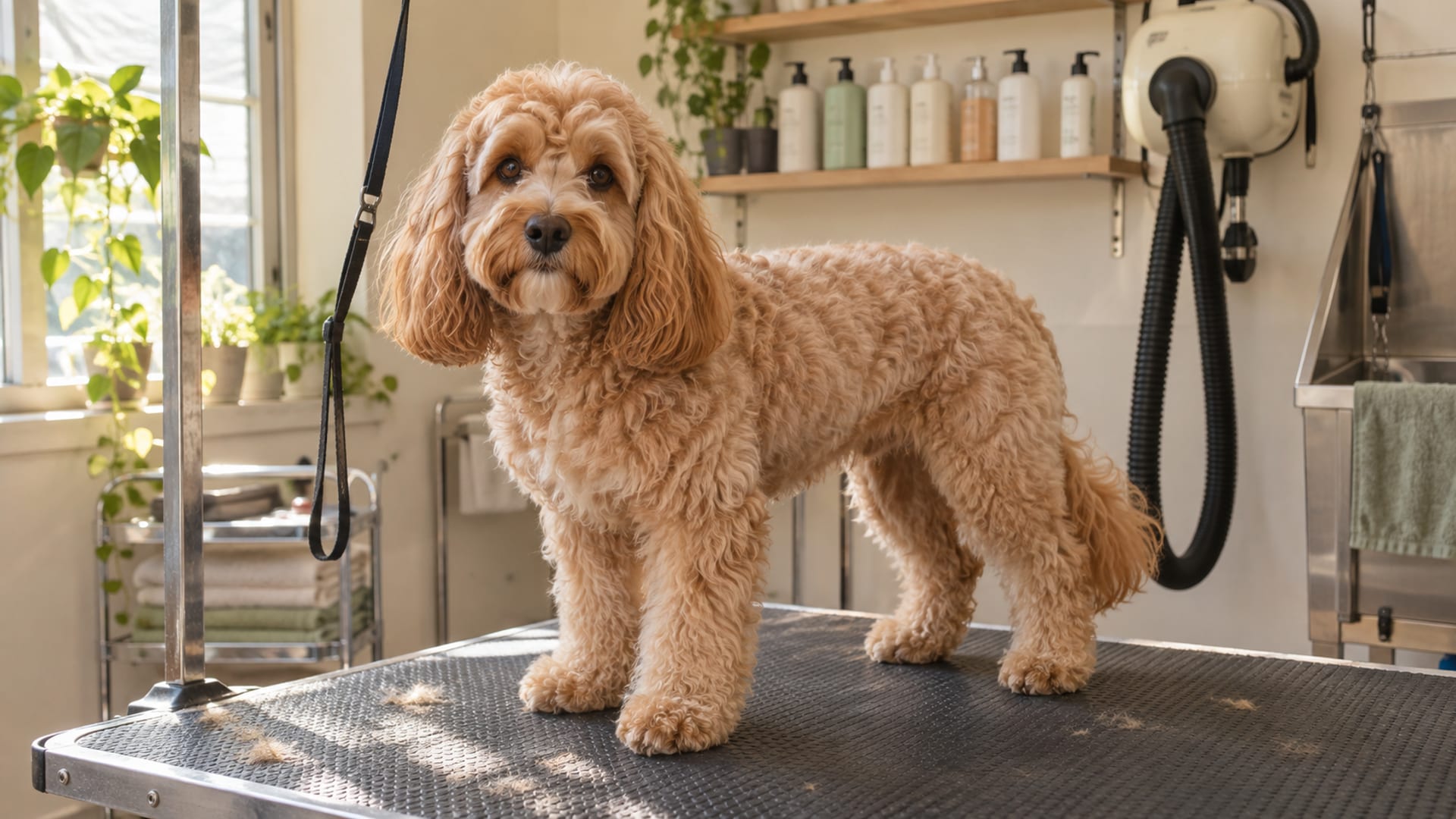
Starting a dog grooming business in Texas begins with choosing a salon, mobile, home-based, or booth-rental model, then confirming the rules for your exact address and services. Texas does not require a general business license, but you may need entity or assumed-name registration, an EIN, Texas sales-tax registration, zoning or home-occupation approval, an occupancy permit, and local animal-service permits. Dog grooming is a taxable service in Texas. Before you buy equipment, confirm requirements with the Texas Business Permit Office, the Texas Comptroller, the Secretary of State or your county clerk, and your city or county offices. Then budget for training, equipment, insurance, working capital, and safe drying and handling.
Key takeaways
Tap a card to bring it forward.
- Texas has no general business license, but local zoning, occupancy, animal-service, tax and registration rules can still apply to you.
- Dog grooming is a taxable service in Texas, so ask the Comptroller about sales-tax registration before your first paid groom.
- One 2026 industry estimate puts startup at $3,000 to $8,000 home-based, $15,000 to $50,000 or more for a salon, and $30,000 to $80,000 for a mobile van.
- Certifications like AKC S.A.F.E., NDGAA, IPG and ISCC are voluntary. They do not replace permits, tax registration or insurance.
- BLS wage data is for employees, so do not treat it as what an owner will take home.
I know you may be excited and nervous at the same time. You want to know if you can legally open, what you have to buy, whether the numbers work, and how to keep a dog safe while you learn. This is the order I would take it in. I can't rule on your permits or taxes. The offices I name can, and I'll say which one decides each point.
What should you confirm before you spend a dollar?
Three things come first, and none of them cost money to check. The Texas Business Permit Office says Texas does not require a general business license. That office does not issue permits itself. It points you to the state and local agencies that do, so the rules for your business still depend on what you do and where you do it.
The second is tax. The Texas Comptroller's taxable services publication lists dog grooming as a taxable service. Ask the Comptroller how sales-tax registration and collection apply to you before you take your first payment.
The third is your address. A human cosmetology or barbering license is not a dog-grooming credential, and the TDLR establishment page is about barbering and cosmetology, so do not use it as proof of anything for dogs. Local zoning and permit rules are where most surprises show up, and I cover them in their own section below.
Which grooming model fits your budget?
Your model sets most of your costs, so pick it before you shop. A 2026 industry estimate from ZendPaw, accessed September 2026, gives these planning ranges. It is a business's published estimate, not a government survey, so treat it as a starting point and replace it with real bids for rent, plumbing, electrical work, vehicle conversion, equipment, insurance, deposits and payroll.
Tap or hover a row to highlight it.
| Model | Startup range | Ongoing monthly estimate |
|---|---|---|
| ModelHome-based | Startup range$3,000 to $8,000 | Ongoing monthly estimateAbout $150 to $650 |
| ModelSalon | Startup range$15,000 to $50,000 or more | Ongoing monthly estimateAbout $1,800 to $4,800 or more |
| ModelMobile with a vehicle | Startup range$30,000 to $80,000 | Ongoing monthly estimateAbout $1,250 to $2,800 |
| ModelMobile with a leased vehicle | Startup rangeAbout $5,000 to $10,000 upfront, plus the lease | Ongoing monthly estimateDepends on the lease and operating costs |
Booth rental usually lowers what you put into a facility, but you pay rent or a commission, and it can raise questions about independent-contractor status, insurance, taxes and a written agreement. Ask any shop you are considering for its rent, commission, utility, insurance and equipment terms in writing.
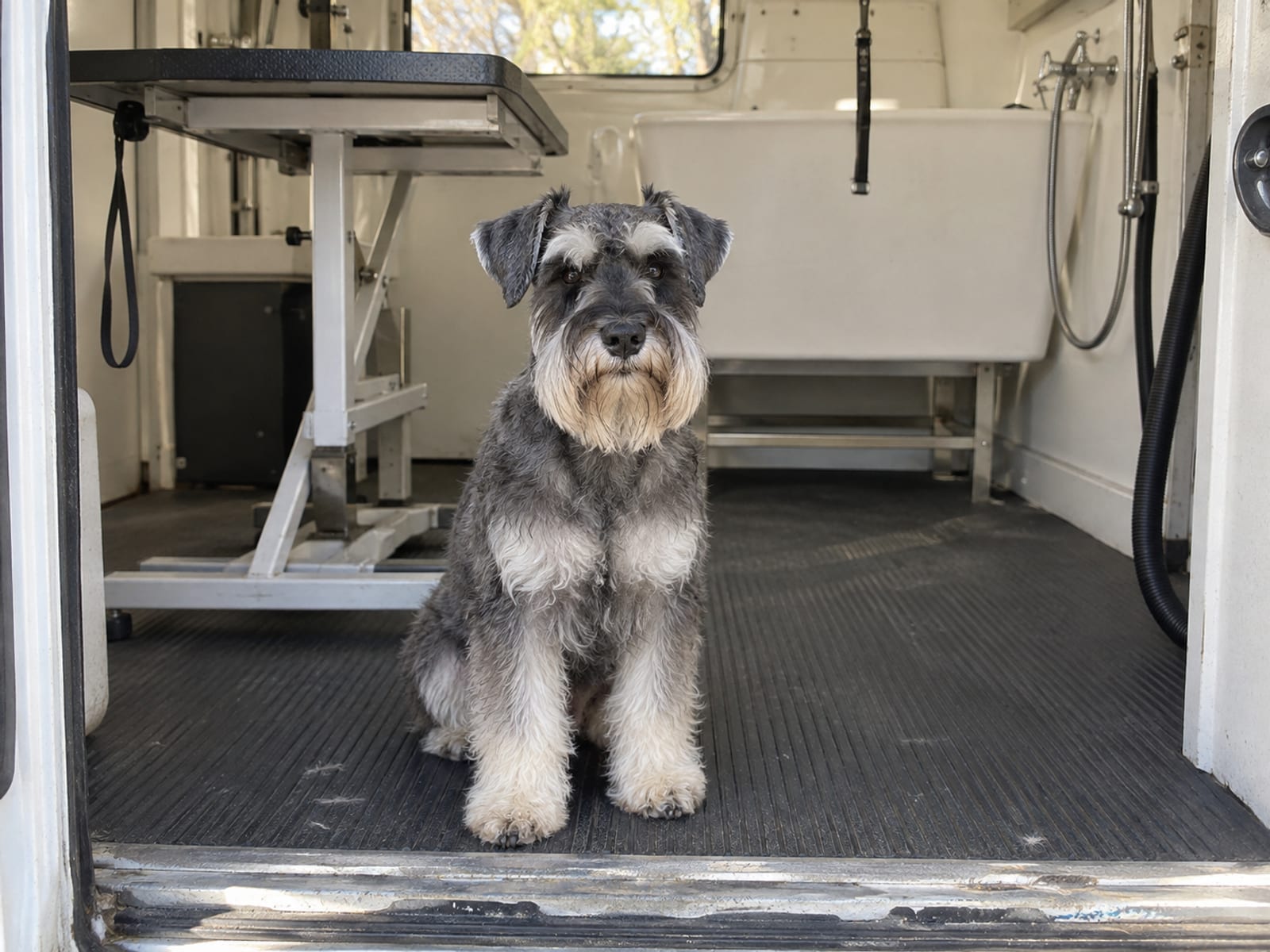
What do you register in Texas?
Registration is a short list, and each item has its own office.
- Entity and assumed name. The Texas Secretary of State says an LLC, corporation or other filing entity that uses a name different from its legal name must file an assumed-name certificate with the state. The listed fee is $25. Sole proprietors and general partnerships generally file with the county clerk. A name filing does not give you trademark rights.
- EIN. The IRS requires an EIN for entities such as partnerships, LLCs and corporations, and for businesses with employees. A sole proprietor may still get one for banking or state purposes. Your entity choice also changes your tax filings, so a tax professional is worth a call.
- Sales tax. Register with the Comptroller as discussed above.
- Employees. If you hire, check employer requirements with the Texas Workforce Commission.
- Records. Keep tax, client, animal, incident and equipment records from day one.
Which permits depend on your location?
This is the section that changes from one city to the next. The SBA notes that local governments decide many registration, licensing and permit rules, and a statewide answer that every Texas city treats grooming the same is not supported.
Two examples show the range. In San Antonio, Animal Care Services has a commercial animal permit program that may include grooming shops, so confirm with the office. San Antonio Development Services says businesses need a certificate of occupancy and may need inspections. In Dallas, the home-occupation rules say a home occupation may not exceed 25 percent or 400 square feet of the main structure, whichever is less, and they set limits on employees, customers, signage, noise and activity outside the main structure. So, a small home setup is not automatically allowed.
Rules can also differ by zoning district, building, plumbing, electrical and fire inspections, animal-number limits, waste-water rules, where a mobile van may park, HOA or lease restrictions, and county rules if you are outside city limits. Before you sign a lease or buy a van, ask the right office these questions:
- Is dog grooming a permitted use at this address?
- Do I need a home-occupation permit, a certificate of occupancy, or a commercial animal or grooming-shop permit?
- Are there limits on dogs, employees, customer visits, hours, noise or outdoor work?
- What building, plumbing, electrical, fire, ventilation and waste requirements apply?
- What rules apply to a mobile grooming van or trailer?
- Which office issues each permit, and what are the fees and renewal dates?
Name the office when you call: city planning or zoning, development services or building inspections, the fire marshal, animal services, or the county clerk or county development office.
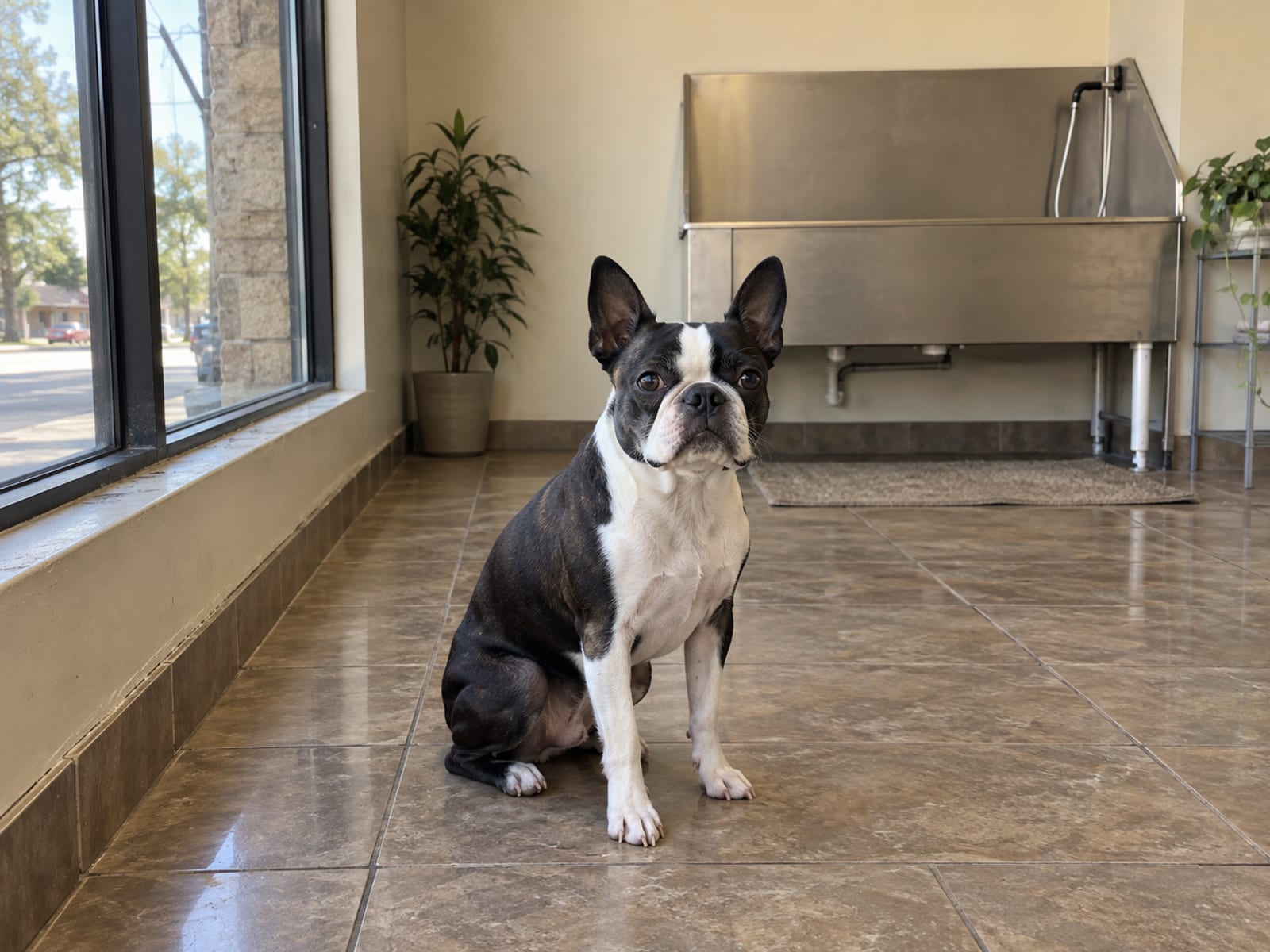
What insurance should you carry?
Texas does not generally require insurance as a state license condition. Still, landlords, clients, lenders and contracts may ask for it, and one bad day with a dog can cost more than a year of premiums. The SBA lists general, professional, property and other insurance categories. For a groomer, the categories to price are:
- General liability, for third-party bodily injury and property damage.
- Professional liability, for alleged grooming errors, omissions or negligence.
- Animal-bailee or pet-protection coverage, for animals in your care, custody or control.
- Veterinarian reimbursement coverage.
- Commercial property and equipment coverage.
- Commercial auto for a van or truck, plus equipment coverage for mobile tools and trailers.
- Workers' compensation where it applies to employees, and employment-practices coverage as staff grows.
Published figures give you a sense of scale, not a quote. Pet Care Insurance lists groomer coverage starting at $26.37 per month or $295.40 per year, and its mobile groomer page lists a starting price of $27.11 per month. The Hartford, updated October 10, 2025, reports average customer costs for pet groomers of $1,193 per year for a business owner's policy, $922 per year for standalone general liability and $1,800 per year for workers' compensation, and labels them averages, not quotes. I am not recommending any insurer. Get quotes that name your model, your services and your address.
What training and certifications should you complete?
Certifications are voluntary industry credentials. They are not a government license, and they do not replace permits, tax registration, zoning approval or insurance. What they can do is give you structured hands-on practice, which is the part that keeps dogs safe. Good training covers handling, canine behavior, skin and coat, sanitation, drying, emergency procedures and supervised practice.
- AKC S.A.F.E. offers safety education and certification for groomers, salons and handling. The S.A.F.E. Handling course was listed at $49.99 when accessed.
- IPG offers a Certified Professional Groomer safety certification for bathing, drying and clippered pet trims, plus advanced and top-level tracks. It says the certification is also available in Spanish.
- ISCC offers education, online courses, written exams and practical certification, and states that certification is optional.
- NDGAA has certification pathways, and its current practical-evaluation information is coordinated with AKC Canine College.
- Grooming schools. South Texas College lists a professional dog-grooming program at $3,950.25 and says graduates may sit for the AKC Professional Groomer Credential exam. PLH School in Arlington lists program costs from $8,226 to $10,126, depending on toolkit and program setup.
CCPDT certification is for professional dog trainers, not groomers, so do not treat it as a grooming credential.
Which equipment and safety systems matter most?
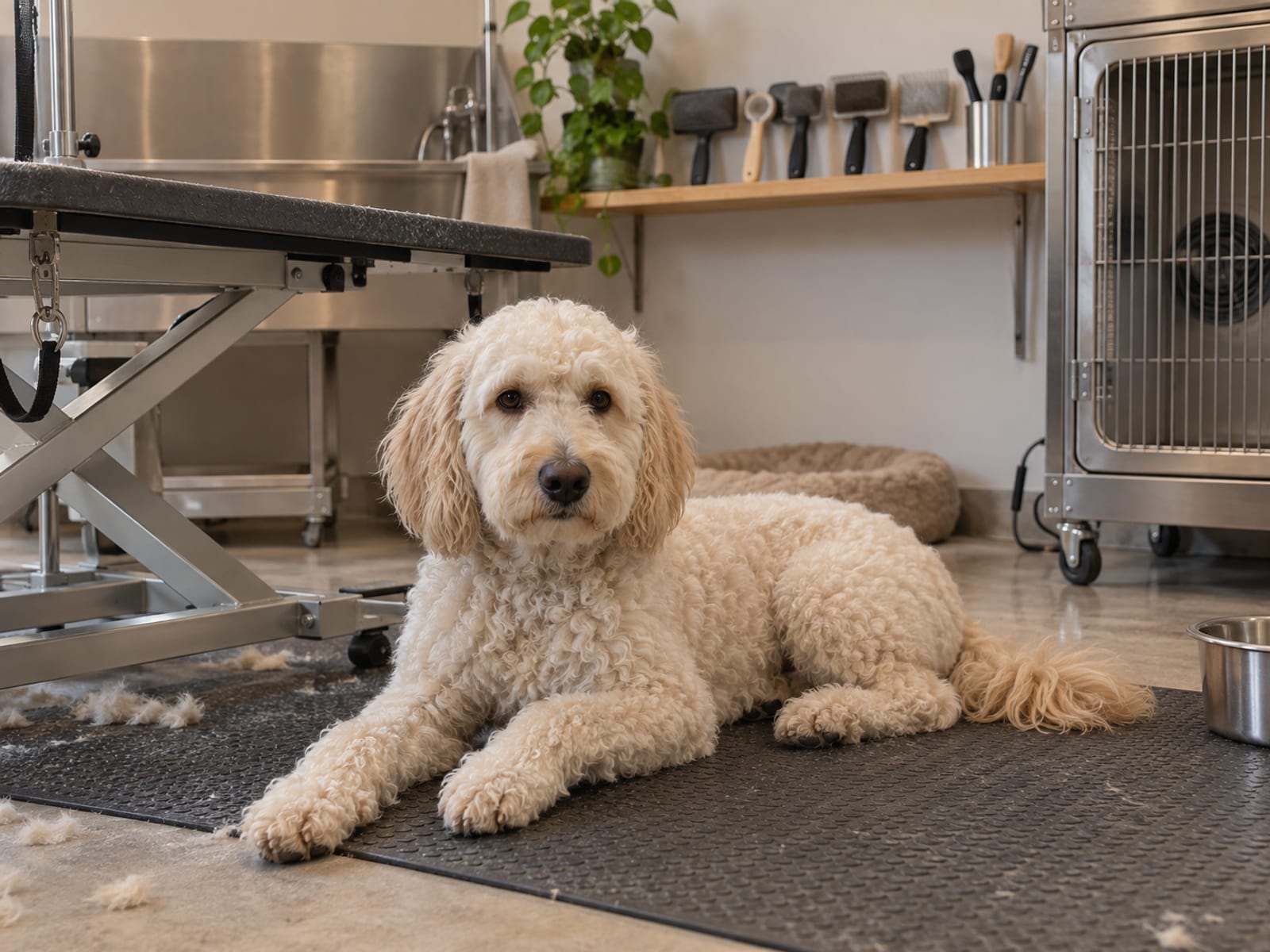
Buy for safety first and speed second. The AKC groomer standards and the AKC S.A.F.E. salon oath give a practical list. The core habit is simple: never leave a dog unattended on a grooming table or in a tub.
- Use loops, cross ties, muzzles, slip leads or groomer's helpers only when humane and necessary, and only under constant direct supervision.
- Keep floors free of hair and water, and use non-slip surfaces around tubs and tables.
- Keep first-aid supplies, eye-wash products and a fire extinguisher within reach.
- Keep intake records with identification, owner and emergency contacts, medical and behavior concerns, allergies and the dog's condition at drop-off.
- Use a cage dryer only with owner consent, a working temperature gauge and timer, and equipment made specifically for cage drying.
- Watch ventilation, temperature, panting, anxiety, weakness and distress the whole time.
- Keep a disaster plan and an emergency-veterinarian plan.
Heat needs extra attention in Texas summers, and mobile vans need the same care. VCA names prolonged hair-dryer exposure as a possible cause of heat stroke, and the AVMA lists excessive panting, drooling, restlessness, unsteadiness, abnormal gum or tongue color and collapse as warning signs. If you see them, stop the service and get the dog to a veterinarian.
Set clear policies for senior, overweight, brachycephalic, cardiac, respiratory, fearful and anxious dogs, and for matted coats. AKC states that diagnosis and treatment belong to veterinarians, and sedation is a veterinary decision, not a grooming tool. You can stop or change a service when a dog is distressed. Also, be careful what you tell clients about shaving. VCA says a coat can insulate and protect from sun, and shaving to the skin can raise overheating and sunburn risk.
How should you price, and what can a groomer earn?
Start from what real menus in your area charge, then adjust. These are single businesses' published prices, not Texas averages, and they are a starting point for your own menu.
Tap or hover a row to highlight it.
| Business | Service | Published price |
|---|---|---|
| BusinessMeadowlake Pet Resort, Houston | ServiceFull-service groom, small dog | Published price$65 to $85 |
| BusinessMeadowlake Pet Resort | ServiceFull-service groom, medium dog | Published price$70 to $95 |
| BusinessMeadowlake Pet Resort | ServiceFull-service groom, large dog | Published price$75 to $105 |
| BusinessMeadowlake Pet Resort | ServiceFull-service groom, giant dog | Published price$95 to $115 |
| BusinessPosh Pups Texas | ServiceBath, 0 to 20 pounds | Published priceStarting at $75 |
| BusinessPosh Pups Texas | ServiceBath, 21 to 50 pounds | Published priceStarting at $95 |
| BusinessPosh Pups Texas | ServiceBath, 51 to 80 pounds | Published priceStarting at $110 |
| BusinessPosh Pups Texas | ServiceFull groom, small dog | Published priceStarting at $95 |
| BusinessPosh Pups Texas | ServiceFull groom, dog over 96 pounds | Published priceStarting at $190 |
Those prices move with coat type, matting, behavior, service time, breed style, drying time and whether the visit is mobile, so write that into your quote wording. A matted or difficult dog takes more time, and the quote should say so before you begin.
On earnings, the honest answer is limited. BLS reports a May 2025 median annual wage of $35,360 for animal caretakers, with the lowest 10 percent below $27,250 and the highest 10 percent above $50,060. That is employee wage data. BLS does not publish an owner-profit figure for groomers, and it names no Texas owner-income survey. Owners pay rent, equipment, payroll, taxes, insurance, vehicle costs, supplies and downtime, so do not turn a wage into a revenue forecast. Build your own from local prices, how many dogs you can safely groom in a day, and your real expenses.
What can you do this week?
You can make real progress in five working days.
- Pick a model: salon, mobile, home-based or booth rental.
- Call your city or county offices about your exact address, and ask the permit questions above.
- Call the Business Permit Office and the Comptroller to confirm state steps and sales tax.
- Decide on a business structure, and file an assumed name if you need one.
- Get an EIN if you need one, and start a records folder.
- Ask for insurance quotes that name your model and services.
- Choose a training path and book a supervised practice plan.
- Draft intake, emergency, sanitation, drying and restraint procedures.
- Price equipment, and check ventilation and electrical capacity before you buy.
- Set prices by size, coat, condition, behavior and time.
If you want to be found by local dog owners once you open, DogServ's local directory has groomer categories, and you can claim or add a listing later. That comes after the steps above.
Questions people ask about starting a dog grooming business in Texas
The short answers below add a few details on top of what you just read.
Do I need a license to groom dogs in Texas?
Texas says it does not require a general business license, but specific state and local permits may still apply. Ask the Business Permit Office and your city or county about your address and services.
How much does it cost to start a dog grooming business?
One 2026 industry estimate gives $3,000 to $8,000 for home-based, $15,000 to $50,000 or more for a salon, and $30,000 to $80,000 for mobile grooming with a vehicle. Those are planning ranges, so replace them with real bids.
How much do dog groomers make in Texas?
BLS reports a May 2025 median annual wage of $35,360 for animal caretakers. That is employee occupational data, not a forecast of what a business owner will earn.
What qualifications do I need to groom dogs?
Texas does not treat a private certificate as a government license. AKC S.A.F.E., NDGAA, IPG and ISCC credentials and grooming-school programs are voluntary, but hands-on, supervised practice is what prepares you to handle dogs safely.
Quick check: starting a grooming business in Texas
What is the next step?
Pick your model, then make two phone calls this week: one to your city or county about your exact address, and one to the Comptroller about sales tax. Those answers decide whether the rest of your plan works, and they cost nothing. I can't promise any business result, and no article can replace a ruling from the office that issues your permit. Start with the calls, and build from there.
Sources
- American Kennel Club: AKC groomer standards
- American Kennel Club: AKC S.A.F.E. salon oath
- American Kennel Club: S.A.F.E. Handling course
- American Veterinary Medical Association: AVMA
- bls.gov: BLS
- comptroller.texas.gov: Texas Comptroller's taxable services publication
- dallascityhall.com: home-occupation rules
- gov.texas.gov: Texas Business Permit Office
- ipgicmg.com: IPG
- irs.gov: IRS
- isccmembers.com: ISCC
- meadowlakepetresort.com: Meadowlake Pet Resort
- nationaldoggroomers.com: NDGAA
- petcareins.com: mobile groomer page
- petcareins.com: Pet Care Insurance
- plhschool.com: PLH School
- poshpupstexas.dog: Posh Pups Texas
- sa.gov: Animal Care Services
- sa.gov: San Antonio Development Services
- sba.gov: SBA
- sos.state.tx.us: Texas Secretary of State
- southtexascollege.edu: South Texas College
- tdlr.texas.gov: TDLR establishment page
- thehartford.com: The Hartford
- VCA Animal Hospitals: VCA
- VCA Animal Hospitals: VCA
- zendpaw.com: ZendPaw