
Florida Hurricane Plan for Dog Boarding and Pet Sitting: Where the Dogs Go, Records and Client Policy
By Cal Hewitt · Published
Business guides
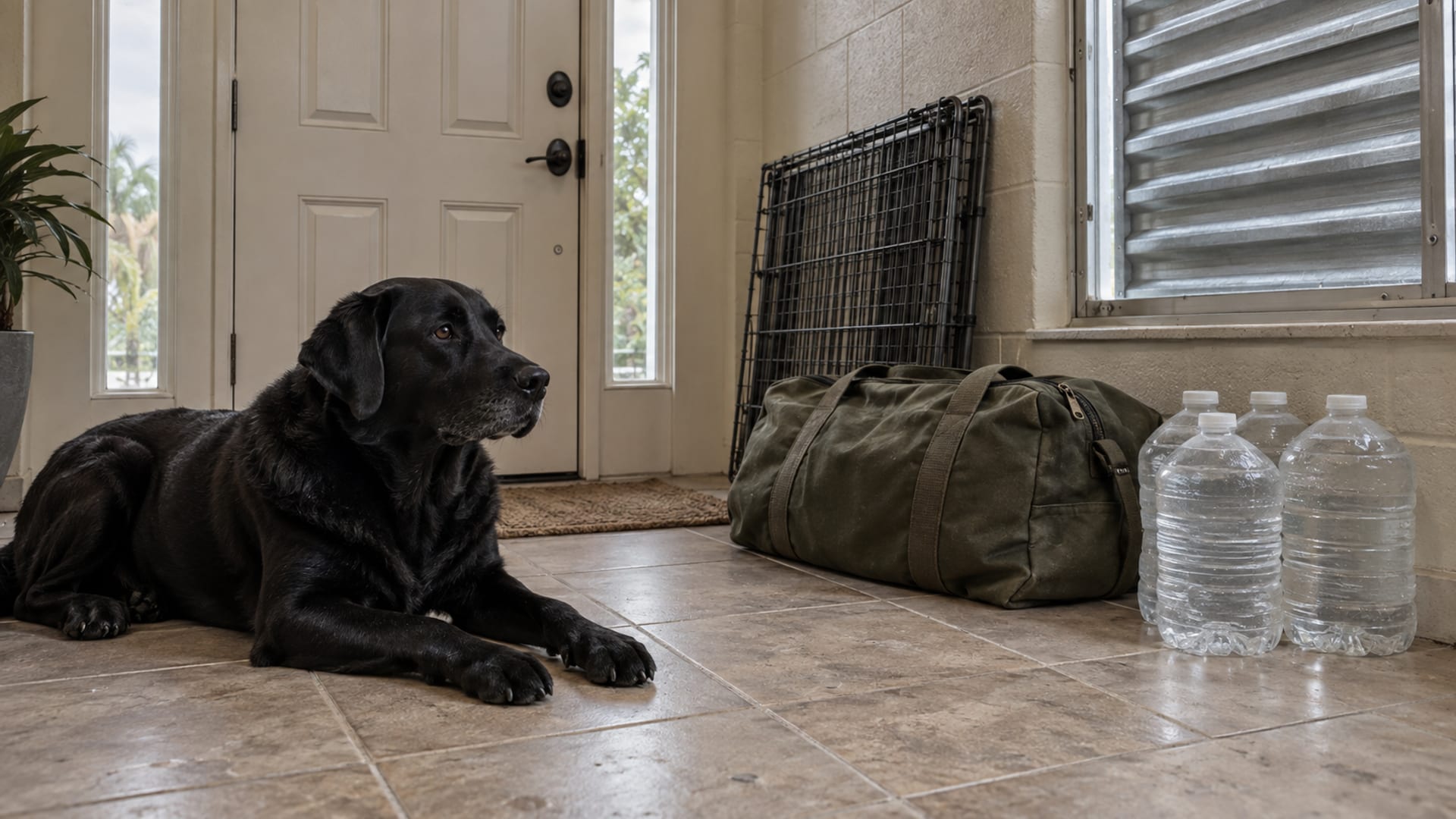
A Florida dog boarding, daycare or pet-sitting hurricane plan should name your evacuation zone, a primary and backup route, an animal-accepting destination outside the threatened area, transport for every dog, staff and backup staff, client emergency contacts and written authorization, each dog's records and identification, food and water, power and flood steps, how you'll communicate, and how dogs get back to their owners. The Florida Division of Emergency Management says businesses should keep a continuity plan and follow local evacuation orders, and that responders won't be able to reach a business that stays. Most public shelters don't take pets, so line up your county's options before the season starts.
Key takeaways
Tap a card to bring it forward.
- Florida's hurricane season runs June 1 through November 30, so the written plan, the destination agreements and the client paperwork belong in place before June 1.
- The Division of Emergency Management says a business that stays after an ordered evacuation will be on its own until responders can secure the area.
- Book a primary and a backup destination outside the threatened area, and get written confirmation of how many dogs, what sizes and what housing each one accepts.
- Every dog needs a waterproof file: owner and emergency contacts, written permission to move it, rabies and vaccination records, medical, feeding and behavior notes, a photo and microchip details.
- Most public shelters don't permit pets; ask your county emergency-management office what applies to a commercial group of dogs, and call SAIL at 1-800-342-3557 during an activated emergency.
- After the storm, wait for official re-entry, photograph damage before repairs where it's safe, call your insurer, and log who picked up each dog and when.
What to write down before June 1: your hurricane plan at a glance
You have other people's dogs in your care, and a storm can move faster than your phone calls. Most of the work happens on a calm spring day, on paper.
The Florida Department of Health in Martin County lists the Atlantic hurricane season as June 1 through November 30. Treat June 1 as your deadline. The Division's Planning for Businesses page says building a business disaster continuity plan can reduce a disaster's impact, and it asks you to think about employees, customers, access to your workplace, road closures, impassable streets and limited communication.
Your plan should name:
- Your facility address, its evacuation zone, its flood or storm-surge exposure and any other hazards on the site.
- The triggers that start each step: an official evacuation order, and the facility conditions that mean you close, move dogs or call clients.
- A primary destination outside the threatened area and a backup.
- A primary route and a backup route, plus what you do about fuel and closed roads.
- A dog-by-dog transport list with vehicles, crates, drivers and handlers.
- One lead decision-maker, the staff who report, and the backup staff who step in.
- Client contacts, alternate emergency contacts and written authorization for every dog.
- Records, supplies, power and flood steps, a communication method that works without phones, and a reunification log.
Your county sets your zone and your local procedures, so start with its emergency-management office. The Division keeps a page of county emergency-management links, and county rules and event operations differ.
Where the dogs go if your county orders an evacuation
This one deserves a firm answer before June: a named place, a backup place, and confirmation in writing.
The Division's Make a Pet Plan page points to a safe destination, preferably outside the immediate evacuation area. Its list of options includes pet-friendly hotels and motels, friends or relatives outside the affected area, and boarding facilities and veterinarians that may shelter animals. It names local animal shelters as a last resort because they may already be overburdened. The Florida Department of Health in Brevard County also lists commercial kennels, family and friends as options to arrange in advance.
For a business, "pet-friendly" isn't enough. The Division tells owners to check restrictions on number, size and species ahead of time. Ask each destination to confirm in writing how many dogs it will take from you, what sizes, whether it can house dogs that can't share space, and what it needs from you on arrival. Then book a backup that's in a different direction, so one closed highway doesn't strand you.
I'd also ask each destination what happens if it has to cancel, and write that answer into your plan next to its phone number.
How you'll move every dog: vehicles, crates, handlers, drivers, routes and fuel
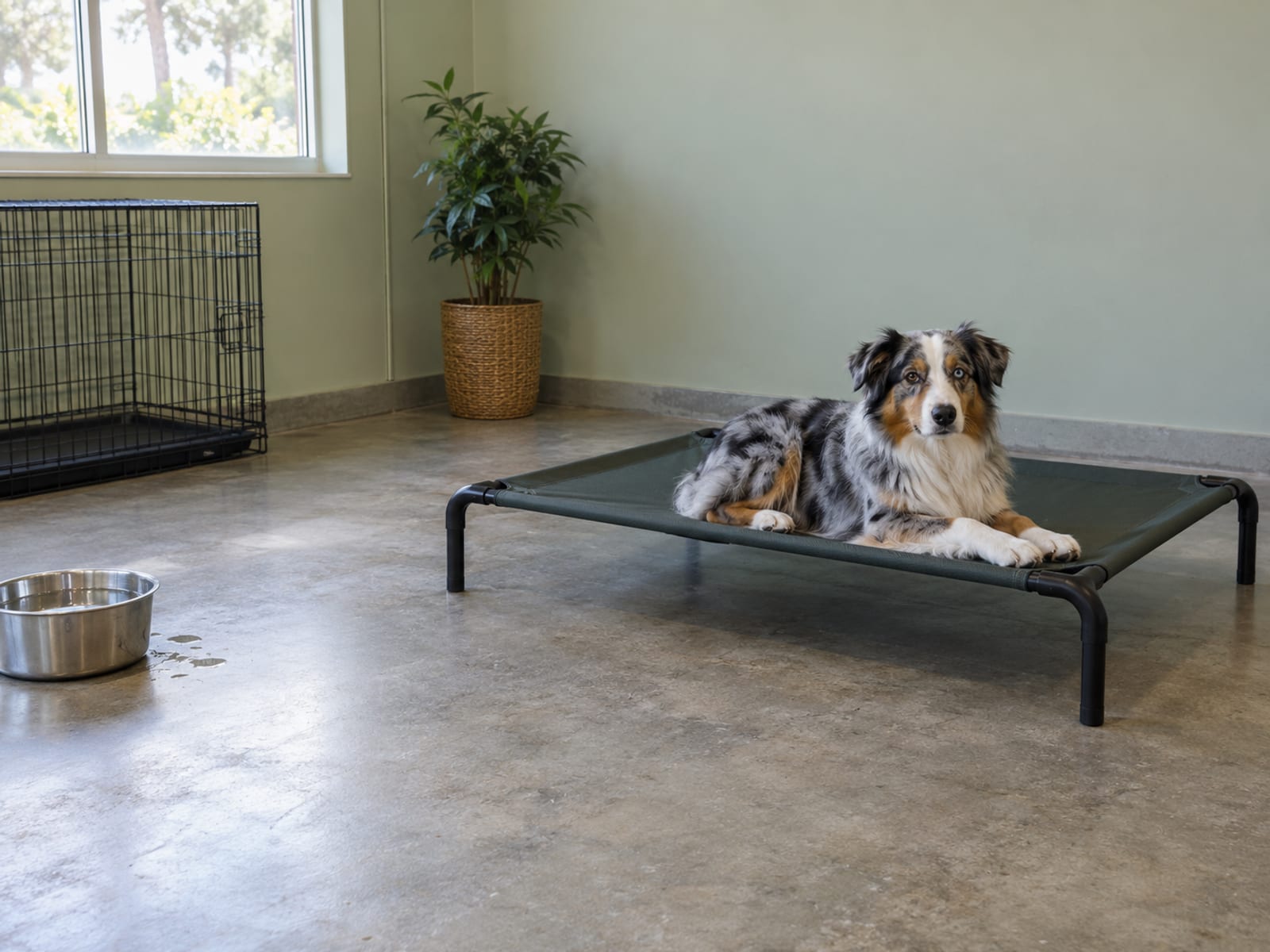
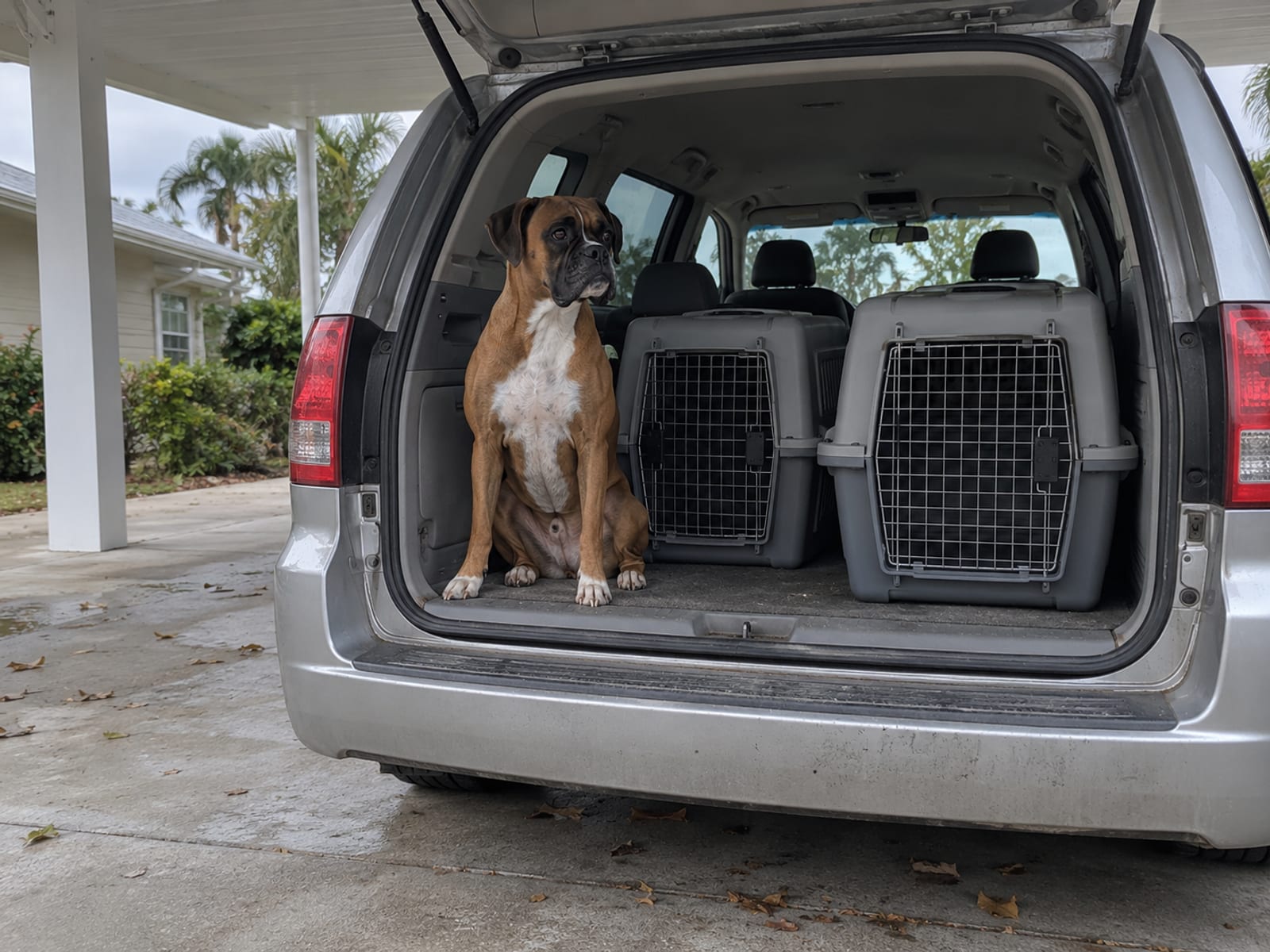
Build a dog-by-dog transport list that assigns each dog to a vehicle, a crate or carrier, and a handler. The Division's pet page asks for sturdy leashes, harnesses and carriers, and it warns that stressed animals may panic, hide, escape, bite or scratch, so secure leashing and transport matter. Note any dog with a handling warning or escape history right on the list, so the person loading that dog knows before they open the kennel door.
How many dogs fit safely in each vehicle is your calculation, based on your vehicles, your crates and your dogs. Write the number down for each vehicle, and add a backup vehicle or a backup driver for the day someone can't come in.
Routes come next. The Division's evacuation planning page covers zones, routes and destinations. Map a primary and a backup route to each destination, and decide in advance when tanks get filled. During an activated emergency, the State Assistance Information Line can give road closures and alternate routes (more on that number below).
What goes in each dog's emergency file, including the owner's written permission to move it
In an evacuation, the file lets a stranger at the destination care for each dog the way you would, and lets you hand the dog back to the right person.
The Division's pet page lists medications, medical records and a first-aid kit in a waterproof container, plus current photographs, feeding schedules, medical conditions, behavior problems and veterinarian contact information. The Florida Department of Health also stresses identification, medical and vaccination records, and waterproof storage.
For each dog, collect and keep current:
- The owner's full name, address, phone, email and an alternate contact.
- An emergency contact who can make decisions if the owner can't be reached.
- Written authorization to transport the dog and to place it at your named alternate destination.
- Pickup and reunification instructions, and what happens if the owner can't return on the expected date.
- Current rabies and vaccination records, medical records and the veterinarian's contact details.
- Medication instructions, including storage and how to give it, as supplied by the owner and veterinarian.
- Feeding schedule, food restrictions, allergies, behavior notes, escape risks and handling warnings.
- A current photograph of the dog, plus microchip and tag information.
- The owner's preferred way to receive updates.
- Authorization and contact details for an emergency transfer to a veterinarian.
Have your authorization form reviewed for your own services and local requirements. Keep one waterproof copy that travels with the dog and one copy stored somewhere else. The IRS recommends electronic records, backups and duplicates kept apart from your main location, which works just as well for client files as for tax records.
What to tell clients before hurricane season and when a storm is coming
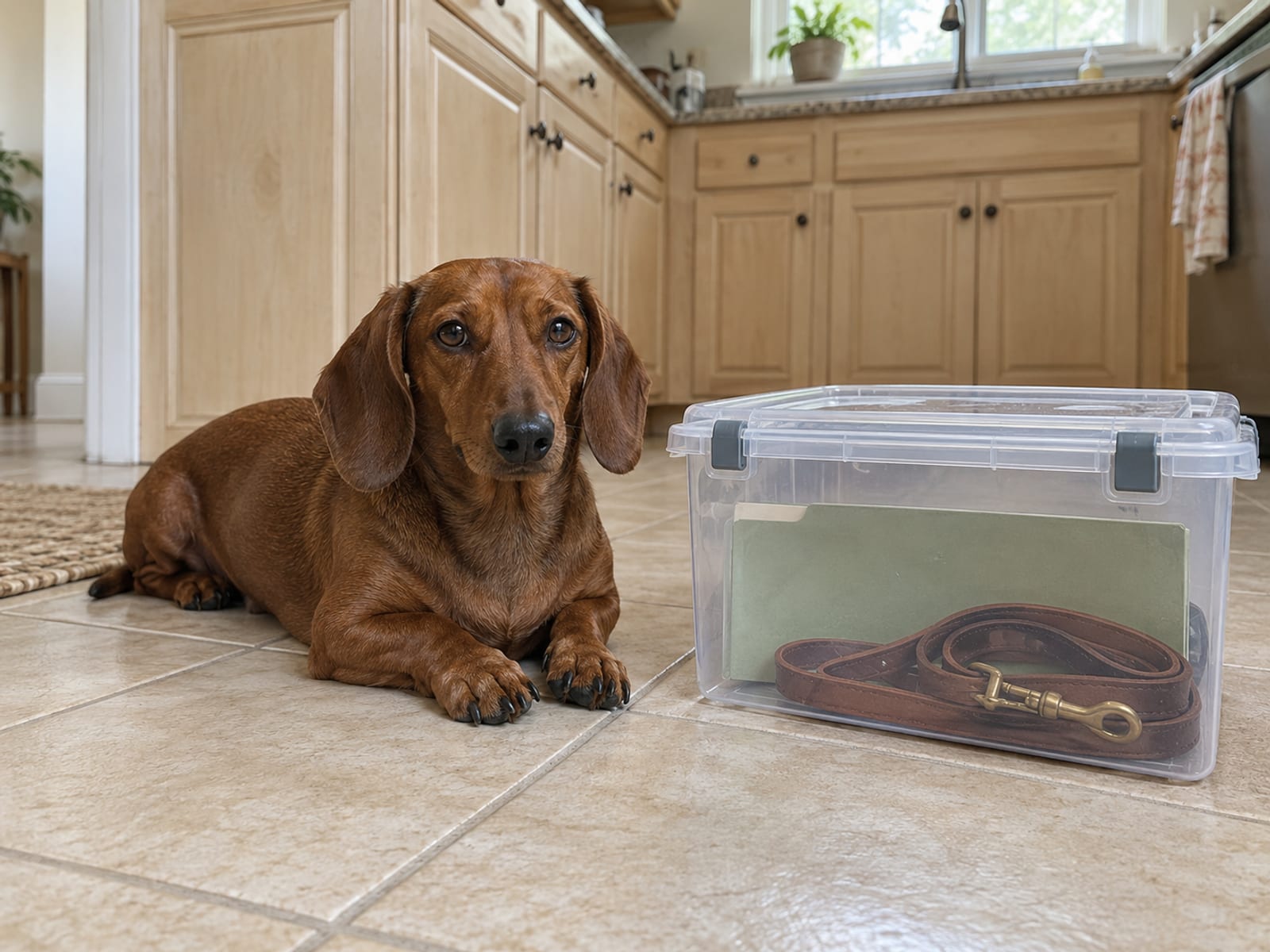
Put a written storm policy in your booking paperwork and send it again before June 1. In plain words, say when you close, what triggers a move, who decides, where the dogs would go, how you'll send updates, what you need from them (emergency contact, signed authorization, current records), and how pickup or reunification works. Say clearly that public shelter options depend on the county and the event. If you charge for extra storm care, the amount and the terms belong in your contract; have an attorney review that language.
When a storm is coming, use a message you wrote in advance. Tell clients what's happening, when you'll update them next, and how to reach you if phones go down. Then keep to the schedule you promised.
For clients who read in Spanish, the state publishes a Spanish Hurricane Guide that covers pet planning, shelters, hotels, boarding facilities, veterinarians and supplies, and it's a good thing to link in a Spanish version of your policy. Useful Spanish terms are "plan de emergencia para perros en Florida" and "guardería canina y huracanes."
When an evacuation order is issued: what the Division says about businesses that stay
The Division's business page says to review your continuity plan, make sure employees know their responsibilities, monitor emergency-management information, secure the business and follow local evacuation orders.
The Division is direct about staying put: "if your local emergency management officials order an evacuation and you make a decision to remain in your business, emergency responders will not be able to respond to you during the disaster." It adds that the business and employees will be "on your own until the storm passes and first responders are able to secure the area." For a kennel full of client dogs, that means the dogs leave with the people responsible for them.
The Division's pet page also says not to leave pets behind, because they may not survive and may not be found later. For a pet sitter caring for dogs in clients' homes, the same rule applies to each house on your route, which is why the client's written authorization to move the dog matters so much.
As the dogs go, log them: which dog, which vehicle, which handler, what time it left and what time it arrived.
When the power, water, roads or phones fail
Plan for each kind of failure on its own, because each one needs a different answer.
Food and water. The Division's disaster supply checklist lists pet food and water for at least seven days. Multiply that by your dogs and your planned duration; the total is your number to calculate, not a statewide rule. Count your staff too.
Power and refrigeration. List which medications need refrigeration and how you'll keep them cold. If you use a generator, ask your city or county building office about permits before you install one.
Heat. Without air conditioning, a building full of dogs heats up. Decide in advance at what point you move dogs rather than wait.
Flooding. Know your flood and storm-surge exposure, and don't plan routes or holding areas through low ground.
Communications. Keep paper copies of the plan, the dog list and every client's contacts. Charge phones and backup batteries early, and agree with staff on where to meet if no one can call.
These are the figures worth keeping on the wall next to the plan:
Tap or hover a row to highlight it.
| What | Figure | Source |
|---|---|---|
| WhatAtlantic hurricane season | FigureJune 1 through November 30 | SourceFlorida Department of Health in Martin County |
| WhatState Assistance Information Line (SAIL) | Figure1-800-342-3557 | SourceFlorida Division of Emergency Management |
| WhatSAIL availability | FigureActivated during an emergency; otherwise a recorded message | SourceFlorida Division of Emergency Management |
| WhatPet food and water in a disaster kit | FigureAt least seven days; calculate for every dog and your planned duration | SourceDivision disaster supply checklist |
| WhatDrinking water for people | Figure1 gallon per person per day | SourceFlorida Department of Health, special-needs shelters |
Public shelters and pets: what the Division says, the State Assistance Information Line and the questions for your county
The Division's sheltering with a pet page says most public emergency shelters do not permit pets, though they permit service animals. Pet-friendly shelters may exist, but you have to identify them in advance, and if none fits, the Division says to identify alternatives. The state's shelter page links to county shelter information and current open-shelter status, and it notes that open shelters are specific to each event.
A household pet shelter is built for families with a pet or two, so it may have no room for a boarding business. Ask your county directly.
The State Assistance Information Line, 1-800-342-3557, is activated during an emergency and plays a recorded message otherwise. During an activation, operators can tell you about road closures and alternate routes, open shelters in host or impacted counties, special-needs shelters, hotels and motels that accept pets, and re-entry.
Before June 1, call your county emergency-management office and ask:
- What evacuation zone is this address in, and what triggers apply to it?
- Which routes and alternate routes do you recommend?
- Which pet-friendly shelters are expected to open, and do they take only household pets or can they assist a commercial boarding group?
- Are there county animal-sheltering agreements, and which agency coordinates animal sheltering?
- Is evacuation transport available for animals, and who qualifies?
- Are there procedures for commercial kennels, boarding facilities, daycares or pet sitters?
- What records or identification are required, and are there limits on the number or type of animals?
- How will shelter capacity, closures and re-entry be announced?
While you're calling, ask about the rest of your local rules. Zoning, home-business rules, certificates of use, business tax receipts, kennel limits and animal-control conditions differ between a city, an unincorporated county, an animal-control district and an HOA. Give each office your exact address and the number and type of dogs you keep:
Tap or hover a row to highlight it.
| Office | Ask about |
|---|---|
| OfficeCounty emergency management | Ask aboutEvacuation zone, shelters, transport, commercial-animal procedures, re-entry |
| OfficeCity or county planning and zoning | Ask aboutUse, setbacks, noise, occupancy, home-business rules |
| OfficeBuilding or permitting office | Ask aboutCertificate of use, kennel construction, plumbing, generators, flood work |
| OfficeBusiness tax receipt office | Ask aboutLocal business registration |
| OfficeAnimal control or public health | Ask aboutAnimal limits, records, sanitation, boarding conditions |
| OfficeHOA or landlord | Ask aboutPrivate restrictions on the property |
After the storm: re-entry, damage records, the insurer and reuniting dogs with their owners
Hold off on going back until local officials say re-entry is open; the Division's business page tells you to follow local re-entry instructions.
When you're back, inspect for hazards before you bring any dog inside. The Division says to document damage, photograph or video it before repairs where it's safe, contact your insurer, and use licensed contractors certified by your local jurisdiction and the state. Whether your policy covers evacuation, flood or lost business is a question for your insurer, with your policy in hand.
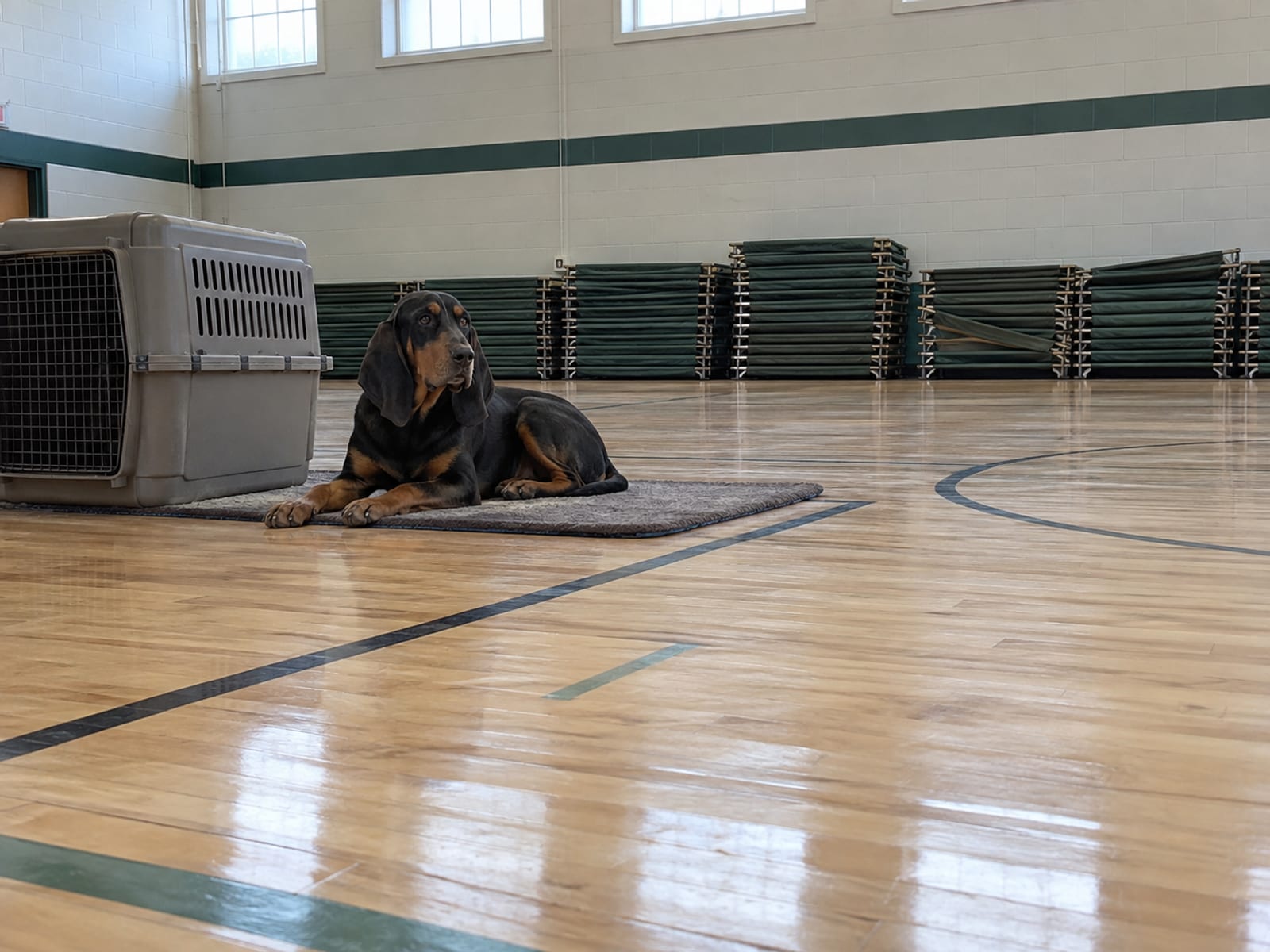
Reunification runs on the records you built in June. Check each dog's identity against its photo and microchip details, release it only to the owner or the authorized contact on file, and write down who received each dog and when. If an owner can't come back on the expected date, follow the agreement you both signed.
Questions about a Florida hurricane plan for dog boarding and pet sitting
These answers cover when to move boarded dogs, what to tell owners, supply quantities and the permit question.
When should boarded dogs be moved?
Move them on the triggers written in your plan: an official evacuation order for your area, or the facility conditions you named, such as flood exposure or a power loss you can't manage. Leave enough time to load every dog and reach a destination you've already confirmed. The Division says a business that stays after an ordered evacuation is on its own until responders can secure the area.
What should owners be told before hurricane season?
Tell them when you close, who decides to move dogs, where the dogs would go, how you'll send updates and how pickup works. Ask for a signed authorization, an emergency contact who can make decisions, and current rabies and vaccination records. Send it before June 1 and again when a storm is forecast.
How much food and water should a kennel store?
The Division's general disaster checklist lists pet food and water for at least seven days. Your amount depends on how many dogs you hold, their sizes and diets, your staff and how long you plan to shelter, so calculate it for your facility. Store medications and records in a waterproof container alongside it.
Does Florida have one statewide kennel hurricane permit?
Ask your city or county, because local rules decide this. They may apply zoning, animal-control, business tax receipt, certificate-of-use and building requirements, and those differ by address. Ask each office with your exact address and the number and type of dogs you keep.
Quick check: Florida hurricane plans for dog businesses
Your next step this week
Pick one thing and do it now: call your county emergency-management office and ask what zone your address is in and how it handles a commercial group of dogs. Then call two destinations, get capacity in writing, and send clients your storm policy with the authorization form attached before June 1.
Sources
- brevard.floridahealth.gov: Florida Department of Health in Brevard County
- floridadisaster.org: county emergency-management links
- floridadisaster.org: disaster supply checklist
- floridadisaster.org: evacuation planning page
- floridadisaster.org: Florida Division of Emergency Management
- floridadisaster.org: Make a Pet Plan page
- floridadisaster.org: shelter page
- floridadisaster.org: sheltering with a pet page
- floridadisaster.org: Spanish Hurricane Guide
- floridadisaster.org: State Assistance Information Line
- floridahealth.gov: Florida Department of Health
- irs.gov: IRS
- martin.floridahealth.gov: Florida Department of Health in Martin County