

Florida Rabies Law for Dog Businesses: What Section 828.30 Requires, Medical Exemptions and Client Records
By Cal Hewitt · Published
Business guides

Florida law requires dogs, cats and ferrets aged four months or older to be vaccinated against rabies by a licensed veterinarian, with a limited written medical exemption. The first revaccination is due 12 months after the initial shot, and later timing follows the vaccine manufacturer's directions. That duty sits with the owner. Florida Statutes section 828.30 does not by itself say every boarding, daycare, grooming or sitting business must demand a certificate from every client. You set your own records policy, and your county or city may set stricter rules. Before you accept a dog, check the certificate or exemption, your local ordinance and your own written policy.
Key takeaways
Tap a card to bring it forward.
- Section 828.30 requires rabies vaccination for dogs four months or older, given by a licensed veterinarian with a USDA-licensed vaccine.
- The first revaccination is due 12 months after the initial vaccination; after that, the manufacturer's interval applies.
- A medical exemption must be a licensed veterinarian's written certification, and the dog is vaccinated once its health permits.
- Asking every client for a certificate is your business policy unless a local rule or facility license requires it.
- Counties and cities may be stricter; Miami-Dade requires vaccination and registration for dogs four months and older.
- After a bite, call your county animal-control authority and the Florida Department of Health office in the county where it happened.
Can you accept the dog? The short answer under section 828.30
You want to keep the client, and you also want to protect the other dogs, your staff and anyone who walks through your door. The decision usually comes down to a short sequence: know which service you provide and where, check the state rule, check your local ordinance and any facility requirements, publish a written records policy, collect the same information from every client, and hand the hard cases to the people who decide them.
Under section 828.30, a dog that is four months or older should have a current rabies vaccination or a written veterinary exemption. If the owner can show you either one, and nothing in your local rules or your own policy says otherwise, you can usually move on to the rest of your intake. If the paperwork is missing, unclear or out of date, that is the moment to pause, not to guess.
For anything that turns on a medical judgment, the dog's veterinarian decides. For a bite, a possible exposure or a dangerous-dog question, your county animal-control authority and the county health department decide. Your job is to have a clear policy and to follow it the same way every time.
I'm Cal Hewitt, and I'm not a veterinarian, trainer, lawyer, accountant or insurance agent, so treat what follows as a plain-language map to the offices that give the official answer.
What Florida requires for a dog's rabies vaccination, and what the certificate should show
The rule itself is short. Under section 828.30 of the 2026 Florida Statutes, all dogs, cats and ferrets four months of age or older must be vaccinated against rabies with a USDA-licensed vaccine. A licensed veterinarian gives the shot. There is one narrow exception: a county or municipal animal-control authority or sheriff may vaccinate an animal in its custody when the animal is being transferred, rescued, fostered, adopted or reclaimed, under the indirect-supervision conditions the statute spells out.
The owner then has the dog revaccinated 12 months after the initial vaccination. After that, the interval follows the vaccine manufacturer's directions, and the owner pays the cost. That is why due dates differ from one certificate to the next.
Tap or hover a row to highlight it.
| Rule | What the statute says |
|---|---|
| RuleAge threshold | What the statute saysFour months or older |
| RuleWho vaccinates | What the statute saysA licensed veterinarian, with a limited exception for animals in government custody |
| RuleVaccine | What the statute saysUSDA-licensed |
| RuleFirst revaccination | What the statute says12 months after the initial vaccination |
| RuleLater revaccinations | What the statute saysThe vaccine manufacturer's directions |
| RuleWho pays | What the statute saysThe owner |
The statute also requires the veterinarian to give the owner and the animal-control authority a rabies vaccination certificate, on the NASPHV form or an approved equivalent that carries the required information. For your file, the useful fields are the dog's identity, the owner's contact details, the veterinarian, the vaccination date, the product information and the next due date. If a certificate leaves out the next due date, ask the owner to get it from the veterinarian rather than working it out yourself.
One more point matters for exposure decisions. Section 828.30 says evidence of circulating rabies-neutralizing antibodies may not substitute for current vaccination in exposure management or revaccination decisions. An antibody test result is not a stand-in for the certificate.
What to do when a dog has a written veterinary medical exemption
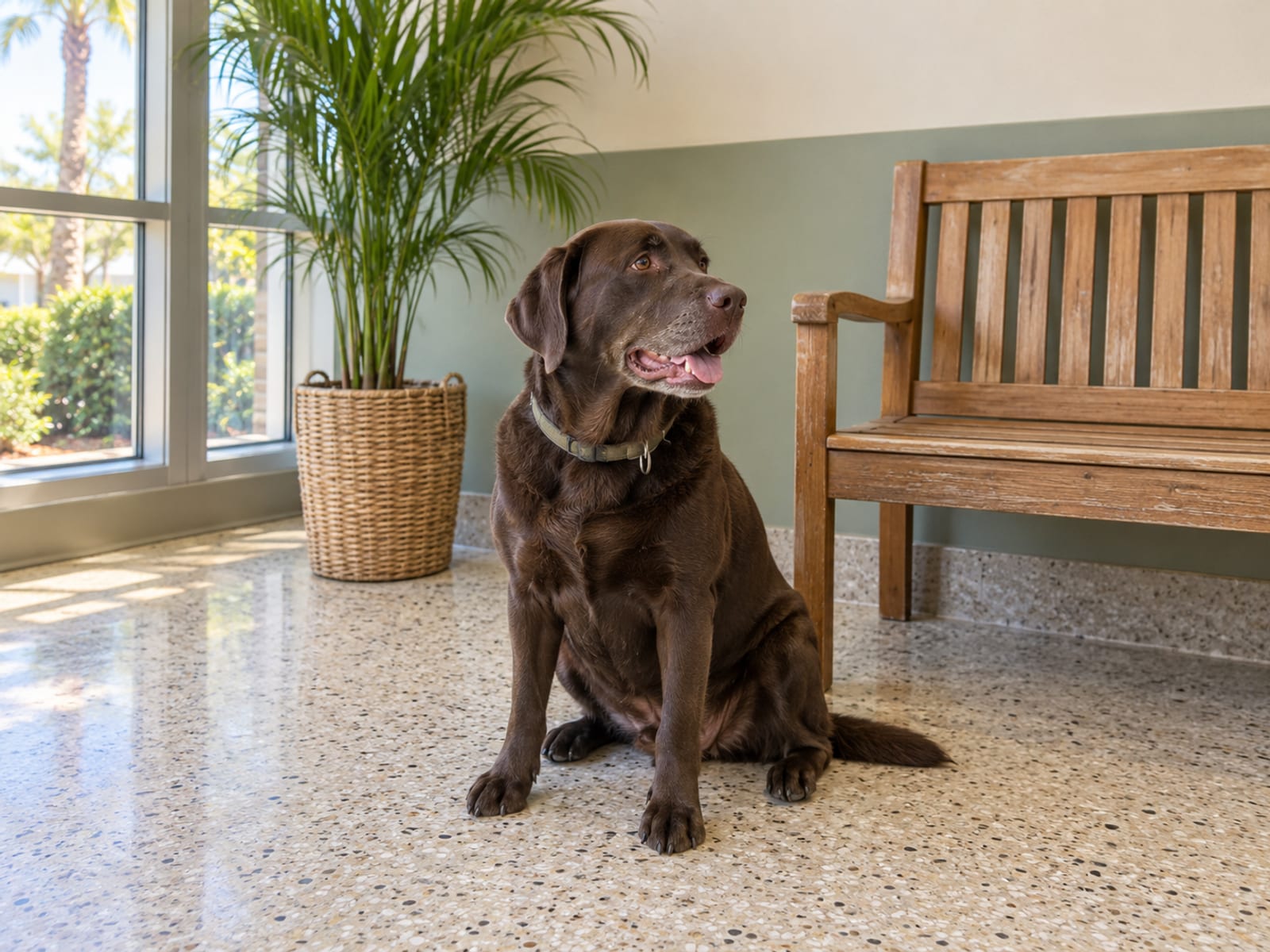
Some dogs cannot safely be vaccinated right now. Section 828.30 allows for that, with conditions. A licensed veterinarian must examine the dog and certify in writing that vaccination would endanger its health because of age, infirmity, disability, illness or another medical consideration. The dog is then vaccinated as soon as its health permits.
So, an exemption is a pause, not a permanent pass. When a client hands you one, keep the written exemption in the dog's intake record. Write down the veterinarian's name and contact information, and note the date and any expiration or review date the veterinarian gives. Then apply your written risk-management policy the same way you would for any other dog.
Don't second-guess the veterinarian's medical judgment, and don't treat the exemption as permanent. Ask the owner for updated paperwork when your local authority, the veterinarian or your policy calls for it.
An exemption also does not, by itself, oblige you to accept the dog. The statute exempts the dog from vaccination; it does not set your intake rules. Your business may have its own acceptance policy, subject to applicable law. When a case is unclear, talk to the dog's veterinarian and your county animal-services office first.
Does Florida require your business to collect the certificate? Where your own intake policy comes in
Section 828.30 places the vaccination duty on the owner. It does not state that every dog business must collect a certificate from every client. That distinction matters for how you word your forms and your website.
A line like "Florida law requires us to see your rabies certificate" may not be accurate for your business unless a local rule or a facility license says so. A line like "Our policy requires a current rabies certificate or a written veterinary exemption before the first visit" is your rule, and you can stand behind it.
If you ask for proof, which makes sense where dogs share space and staff handle them closely, write the policy down, publish it where clients will see it before they book, and have each client acknowledge it. Decide in advance what you accept: a certificate, a veterinarian's record with the same details, or a written exemption. A rabies tag on the collar is useful identification, but the statute is built around the certificate and the information it contains, so say plainly whether your policy accepts a tag alone.
How county and city rules can be stricter, with Miami-Dade as the example
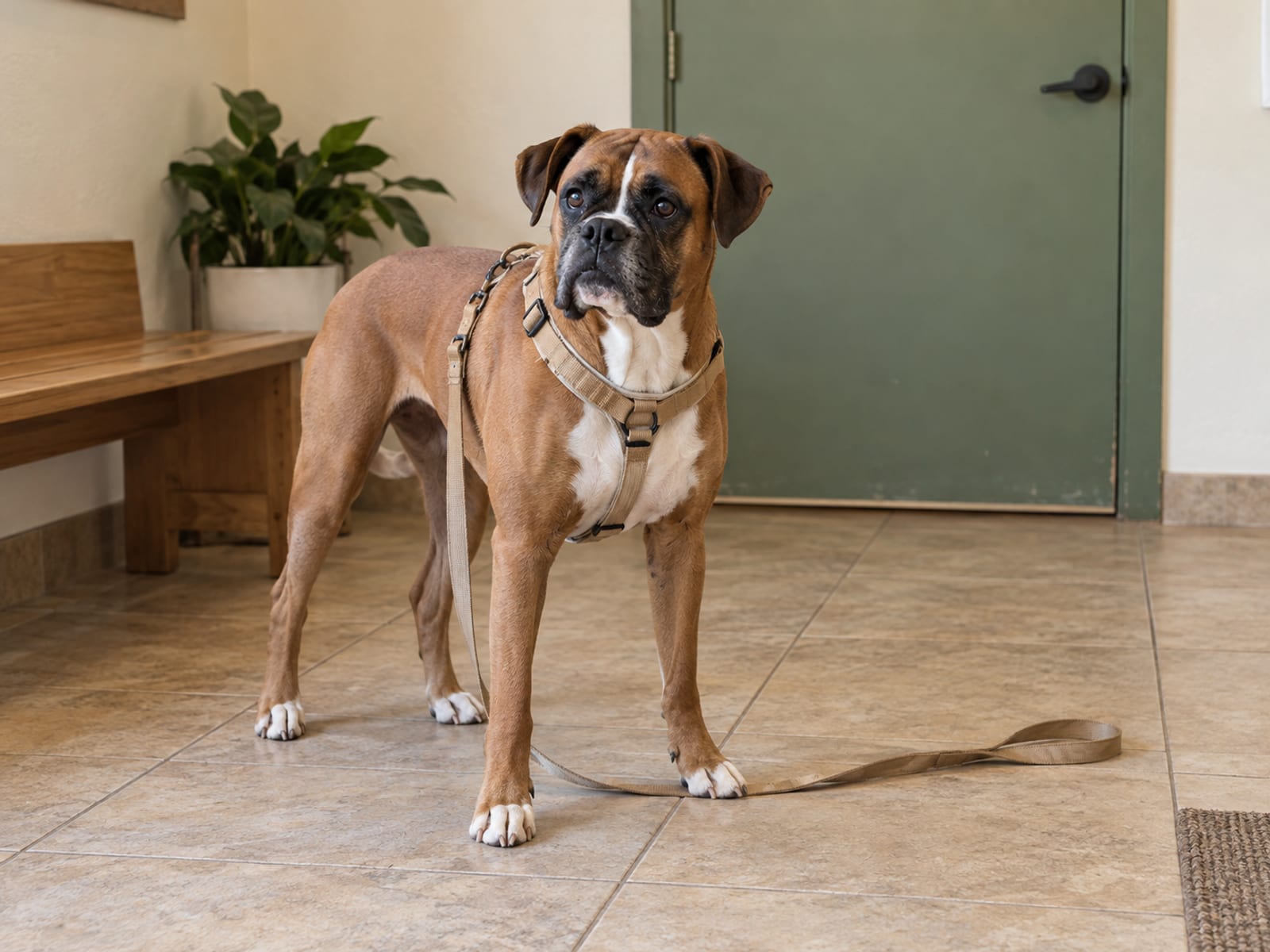
Section 828.30 lets counties and municipalities adopt similar or more stringent rabies rules. That means the state rule is the floor, and your address decides what sits on top of it.
Miami-Dade shows how that works in practice. Miami-Dade Animal Services requires rabies vaccination and dog registration for dogs four months and older. Its medical-exemption process asks for written veterinary documentation, submitted to Animal Services, and renewed for continuing health issues. It also publishes its own vaccine fees.
Tap or hover a row to highlight it.
| Item | Published figure or rule |
|---|---|
| ItemRabies vaccine, individual fee | Published figure or rule$25 |
| ItemRabies vaccine, low-income fee | Published figure or rule$10 |
| ItemMedical exemption | Published figure or ruleWritten veterinary notice submitted to Animal Services, renewed for continuing health issues |
| ItemAge for vaccination and registration | Published figure or ruleFour months and older |
Your county may handle registration, tags and exemptions differently. Start with your county animal-services office for vaccination, tag and dangerous-dog rules. If your business sits inside city limits, check the city animal-control code too. Ask specifically about local licensing and tags, kennel or pet-care regulations, any facility license or inspection, and, if you work from home, home-business and HOA rules.
What records to keep for each dog, and when to recheck the certificate date
A good intake file answers the questions your staff will have at 7 a.m. on a holiday weekend. Pet Sitters International's Global Standards, updated October 2025, recommend detailed pet profiles, medical history, emergency contacts, contracts, veterinary release forms and incident records. That is trade-body guidance, not Florida law.
Tap or hover a row to highlight it.
| Group | What to record |
|---|---|
| GroupDog | What to recordName, age, breed or description, sex, color, identifying markings |
| GroupOwner | What to recordName, address, phone, email, emergency contact |
| GroupVeterinary | What to recordPrimary veterinarian, emergency veterinary hospital, signed veterinary release |
| GroupRabies | What to recordCertificate, vaccination date, first revaccination due date, later due date, vaccine product or lot when shown |
| GroupLocal | What to recordRabies tag or local license information where it applies |
| GroupExemption | What to recordWritten medical exemption and any review date |
| GroupHistory | What to recordBite, aggression, escape, illness or injury history; handling and separation instructions |
| GroupPolicy | What to recordClient acknowledgment of your intake policy, date you reviewed the record |
| GroupIncidents | What to recordIncident reports and contact with animal control or health authorities |
Recheck the certificate date before every new service period, and again whenever the certificate reaches its stated expiration or manufacturer interval.
Keep medical and incident records apart from ordinary client notes, and limit who can open them. Staff on shift need emergency contacts, the veterinarian and handling instructions, not the full file.
How long to keep records is a separate question, and the answer varies by purpose. Set a written retention schedule with your local authority, your insurer, a tax professional or a lawyer. IRS Publication 583, revised December 2024, says business records should generally be kept as long as they are needed to administer the tax code, which covers your tax records, not your vaccination files.

How to handle a bite history or a dangerous-dog classification
Florida's dangerous-dog rules sit in sections 767.10 through 767.16. Section 767.12 requires an animal-control authority to investigate reported incidents involving a dog that may be dangerous, with procedures for notice, hearing, classification, confinement, registration and appeals. Section 767.13 covers attacks or bites by dangerous dogs, section 767.14 lets local governments add restrictions, and section 767.16 exempts police canines and certain service dogs.
A bite does not automatically make a dog legally dangerous; classification comes through that investigation process. Your role is not to classify. It is to ask the right questions in writing and act on the answers. Put these on your intake form:
- Has the dog ever bitten or injured a person, or another animal?
- Was a bite reported to animal control or a health department?
- Has the dog been investigated or classified as dangerous?
- Is there a dangerous-dog registration or court order?
- Are there confinement, muzzle, leash, handling or separation conditions, or other official restrictions?
- Who is the animal-control contact, and what precautions must staff follow?
Then write down what happens next. Pause intake when an answer is incomplete, when records conflict, when the dog is under official restrictions, or when your facility cannot safely meet them. Have a manager document the decision and contact the relevant animal-control authority when it is appropriate.
What to do after a bite on your premises
When a bite happens, work through it in this order:
- Separate the animals and protect people from another injury.
- Give urgent first aid, and call emergency medical services when needed.
- Record the time, place, people and animals involved, witnesses, visible injuries, contact details and vaccination information.
- Keep any video, photos and messages.
- Contact your county animal-control authority.
- Contact the county health department when a person or animal may have been exposed to rabies.
- Follow their instructions on quarantine, observation, testing or reporting.
- Notify the owner, your insurer and your legal adviser under your written incident policy.
- Don't promise a medical outcome, and don't decide whether the dog is dangerous.
The Florida Department of Health says rabies spreads when saliva or nervous tissue gets into a bite, a wound or a mucous membrane, and that exposed people should contact a healthcare provider and the county health department promptly. Animal exposures involving a suspected or known rabid animal must be reported to the county health department in the county where the incident happened, under Chapter 381, Florida Statutes, and Chapter 64D-3, Florida Administrative Code.
The office you call depends on where the bite happened. As one example, the Florida Department of Health in Hillsborough County takes animal bite reports online and by fax. Look up your own county's health department page and save its contact details in your incident kit before you need them.
The permits and insurance to check beside your rabies records
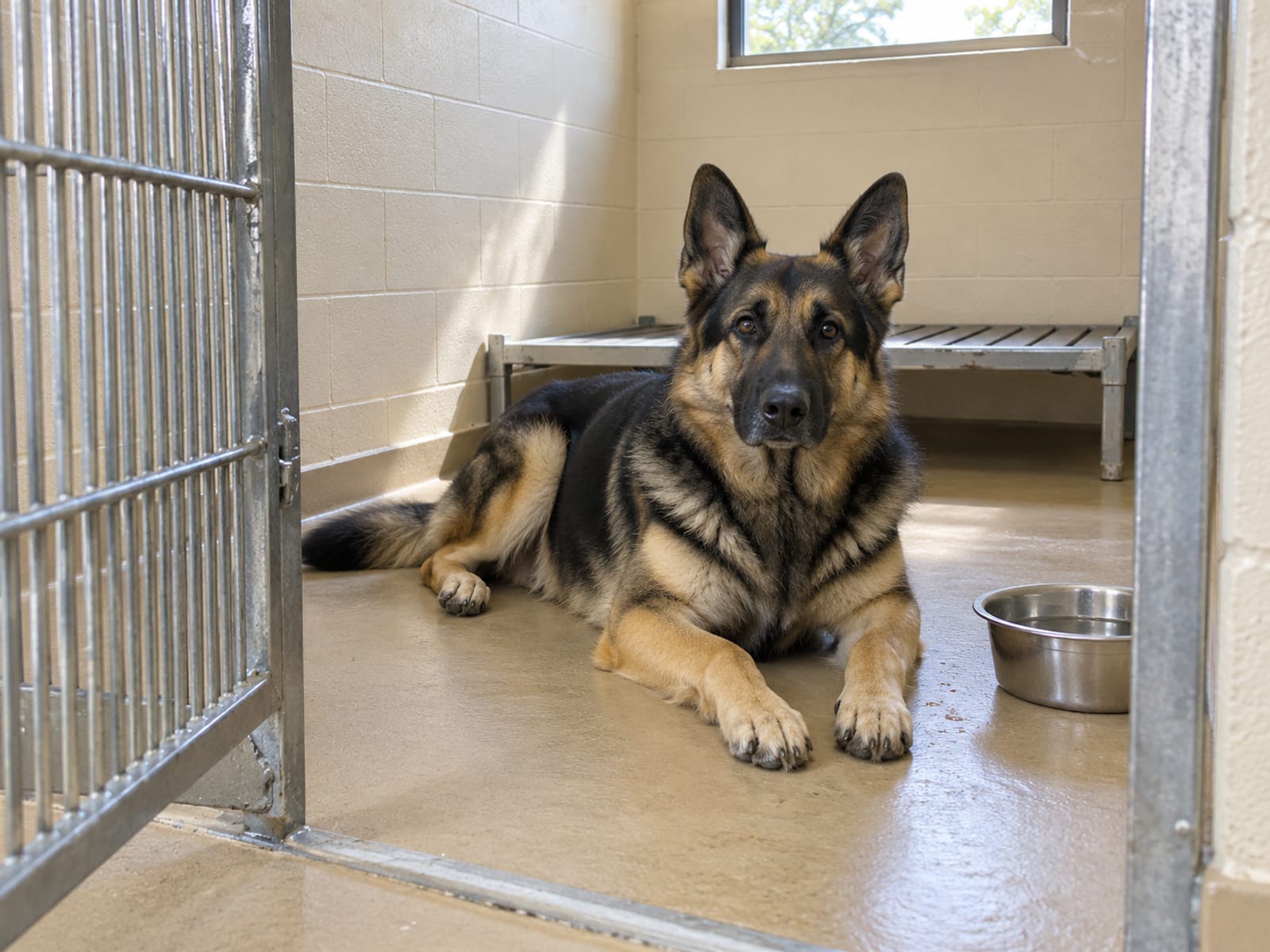
Rabies records are one part of running a legal, insured operation. The rest depends on your address and how your business is set up.
Zoning comes first. Miami-Dade County asks businesses to verify the address with its Zoning Section, and a new use may need a building permit, a Certificate of Occupancy and a Certificate of Use; its zoning guidance names boarding kennels and grooming space among its animal-clinic examples. The City of Orlando requires a Certificate of Use alongside a Business Tax Receipt for businesses in the city, with listed exceptions. Call the city zoning or planning office for an incorporated address and the county zoning office for an unincorporated one. Ask whether boarding, daycare or grooming is allowed there, what permits apply, what limits apply to dog numbers, overnight stays, noise or outdoor runs, and whether a mobile business needs its own registration.
State registrations may also apply. The Florida Department of State's Sunbiz says a business operating under a fictitious name generally must register it before doing business, with a $50 filing fee as of September 2026. The Florida Department of Revenue requires registration as a sales and use tax dealer before conducting taxable activity; whether your particular services are taxable is a question for the Department.
For insurance, Pet Sitters International describes care, custody and control coverage, which addresses animals in your care. Ask your agent whether your policy includes it and how it treats bites and incidents.
If you serve clients who speak Spanish, matching terms on your forms helps owners bring you the right paperwork.
Tap or hover a row to highlight it.
| English | Spanish |
|---|---|
| EnglishRabies vaccine | SpanishVacuna contra la rabia, vacuna antirrábica |
| EnglishRabies vaccination certificate | SpanishCertificado de vacunación contra la rabia |
| EnglishWritten medical exemption | SpanishExención médica por escrito |
| EnglishAnimal control | SpanishControl de animales |
| EnglishCounty health department | SpanishDepartamento de salud del condado |
| EnglishDog bite | SpanishMordedura de perro |
| EnglishDangerous dog | SpanishPerro peligroso |
Keep the legal meaning tied to the English statute and your local authority.
Questions about Florida rabies records for dog businesses
This section covers revaccination timing, rabies tags and the proof a boarding or grooming business can ask for.
How often does a dog need a rabies shot in Florida?
The first revaccination is due 12 months after the initial vaccination under section 828.30. After that, the schedule follows the manufacturer's directions for the vaccine used, so the next due date on the certificate is the one to track. Section 828.30 ties the later interval to the product and sets no fixed number of years.
Does a dog need a rabies tag in Florida?
Tags and licenses are set locally. Miami-Dade, for example, requires dog registration for dogs four months and older, so check your county animal-services office for its tag rule. For your files, a tag alone does not show the vaccination date, product or next due date the certificate carries.
What proof should a boarding or grooming business ask for?
Ask for the rabies vaccination certificate, or a written exemption signed by a licensed veterinarian who examined the dog. Record the veterinarian's contact details so you can confirm an unfamiliar or unclear document. State in your policy which forms of proof you accept, and apply it to every client.
Can an antibody test replace the rabies vaccination?
No. Section 828.30 says antibody evidence may not substitute for current vaccination in exposure management or revaccination decisions. If an owner offers an antibody test result instead of a certificate, the veterinarian is the person to talk to about vaccination or a written exemption.
Your next step
This week, write or update your rabies records policy. Say what proof you accept, how you handle a written exemption, what you ask about bite history, and who on your team calls animal control or the county health department after an incident. Then call your county animal-services office and your city or county zoning office with your address, and ask what they add to the state rule.
Once your policy is clear, put it where clients see it before they book. If your business is listed in the DogServ directory, keep your listing's details in line with that policy so owners arrive with the right paperwork.
Sources
- dos.fl.gov: Florida Department of State's Sunbiz
- floridahealth.gov: Florida Department of Health
- floridarevenue.com: Florida Department of Revenue
- hillsborough.floridahealth.gov: Florida Department of Health in Hillsborough County
- irs.gov: IRS Publication 583
- leg.state.fl.us: Florida Statutes section 828.30
- leg.state.fl.us: section 828.30 of the 2026 Florida Statutes
- leg.state.fl.us: sections 767.10 through 767.16
- miamidade.gov: Miami-Dade County
- orlando.gov: City of Orlando
- petsit.com: Pet Sitters International's Global Standards
- petsit.com: Pet Sitters International
- secure.miamidade.gov: Miami-Dade Animal Services