

Florida Kennel Dog Limits: Miami-Dade’s Four, Six and Eight Dog Thresholds and How to Check Your County
By Cal Hewitt · Published
Business guides
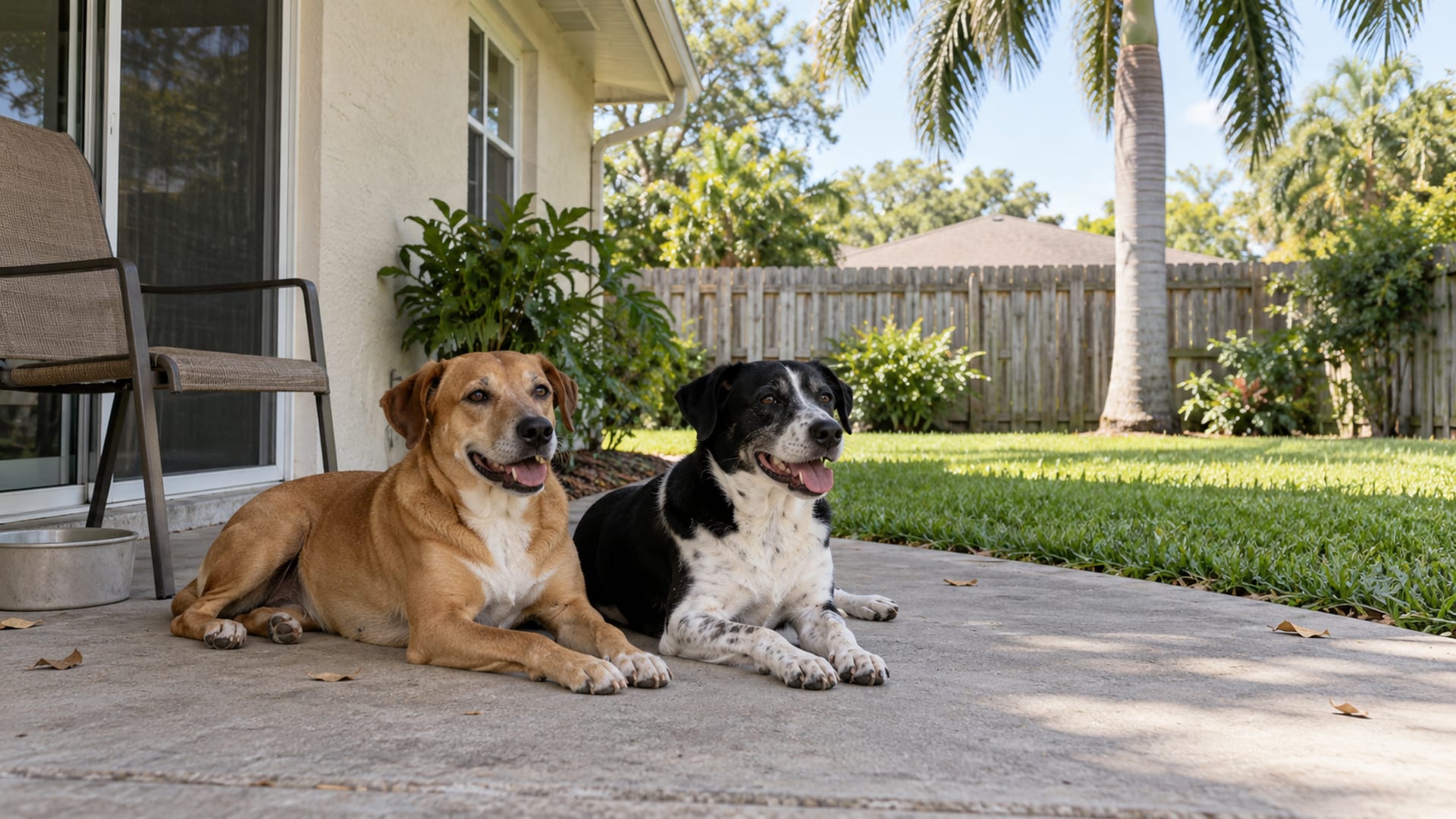
Florida has no single statewide number of dogs you can keep, board or care for at a home. The limit comes from your city or county, your zoning district, your lot size and any HOA, condominium, lease or deed rules. In unincorporated Miami-Dade, the county's 2007 zoning legislation, file 072484, treats keeping dogs for boarding, sale, breeding or treatment as kennel use regardless of number, subject to listed exceptions. Its residential thresholds are more than four dogs on property under one acre or in a multifamily unit, more than six on property from one acre to under two acres, and more than eight on two acres or more. Before you take a client dog, get your parcel's jurisdiction, zoning district, count method and approval path from the local zoning and animal-services offices.
Key takeaways
Tap a card to bring it forward.
- Florida sets no statewide dog-count limit for homes; the city or county where your parcel sits decides, and private documents can be stricter.
- In unincorporated Miami-Dade, keeping any dog for boarding, sale, breeding or treatment is kennel use under the county's 2007 definition, subject to listed exceptions.
- Miami-Dade's residential thresholds are more than four dogs under one acre or in a multifamily unit, more than six under two acres, and more than eight on two acres or more.
- Above the threshold, Miami-Dade Animal Services says you need prior public-hearing approval, and a kennel in a residential district is an unusual use.
- Miami-Dade numbers are Miami-Dade's only; Volusia, Putnam and other counties use their own definitions and thresholds.
- Get a written, address-specific answer on how household, daycare and overnight dogs are counted before you advertise or book a client.
Can you board dogs at your Florida home? Who sets the limit
This is the question I'd want answered before a single listing goes live, because a boarding business that books clients and then hears "no" from zoning has a refund problem, a reputation problem and sometimes a code-enforcement problem all at once.
The short version: Florida leaves this to local government. Your city, or your county if you live outside a city, decides how many dogs a residential property can hold, what counts as a kennel, and which zoning districts allow one. On top of that, an HOA, a condominium association, a landlord or a deed restriction can say no even when zoning says yes.
Miami-Dade publishes clear numbers, but those numbers are Miami-Dade's. If your house is in Orlando, Jacksonville or Ocala, they tell you nothing about your address, and your own city or county code is the one to read.
Miami-Dade's four, six and eight dog thresholds by lot size and multifamily use
Miami-Dade's 2007 zoning legislation (file 072484), introduced August 24, 2007, with final action through 2008, sets residential thresholds by property size. The county's Animal Services FAQ gives a shorter version of the same three numbers and says that keeping more than the residential number requires prior public-hearing approval and constitutes maintaining a dog kennel.
Tap or hover a row to highlight it.
| Figure | What it means in Miami-Dade | Source |
|---|---|---|
| FigureMore than 4 dogs | What it means in Miami-DadeThreshold on property under one acre, or in an individual residence unit in a multifamily RU district | SourceMiami-Dade file 072484, introduced August 24, 2007 |
| FigureMore than 6 dogs | What it means in Miami-DadeThreshold on property under two acres in the listed zoning districts | SourceMiami-Dade file 072484, 2007 |
| FigureMore than 8 dogs | What it means in Miami-DadeThreshold on property of two acres or more in the listed zoning districts | SourceMiami-Dade file 072484, 2007 |
| Figure50 feet | What it means in Miami-DadeSetback from property lines for outdoor exercise runs in BU-3 and IU-1 | SourceMiami-Dade file 072484, 2007 |
| Figure500 feet | What it means in Miami-DadeDistance from residentially zoned or developed property for outdoor runs in BU-3 and IU-1 | SourceMiami-Dade file 072484, 2007 |
The multifamily line matters if you rent or own an apartment or condo unit. An individual unit in a multifamily district falls under the four-dog threshold no matter how large the overall complex is.
Age changes the count too. The 2007 zoning text counts dogs four months or older. The Animal Services FAQ treats a dog six months or older as an adult. If a litter or a young client dog could push you over the line, ask both zoning and Animal Services which age rule applies to your address and get the answer in writing.
Why boarding is kennel use in Miami-Dade at any count, and the listed exceptions
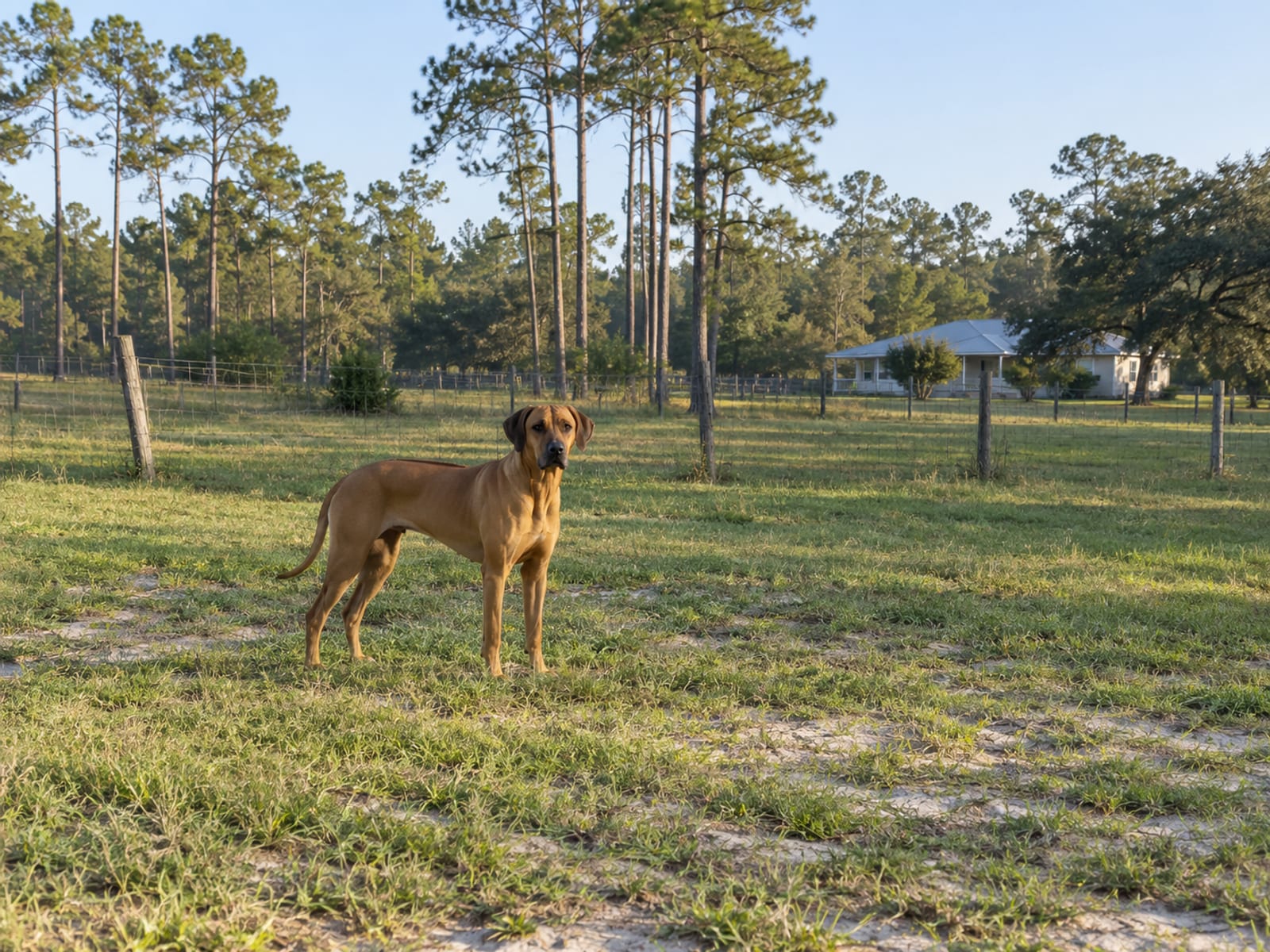
This part can change the plan for a home boarder. Miami-Dade's 2007 definition calls a dog kennel "the keeping of any dog or dogs, regardless of number, for sale, breeding, boarding or treatment purposes," subject to listed exceptions.
Read that again with a business hat on. The four, six and eight numbers describe how many dogs a residential property can keep. The definition is about why the dogs are there. Under that wording, boarding one client dog overnight can be kennel use in unincorporated Miami-Dade even when you are well under four dogs total.
The definition lists exceptions for dog hospitals, dog beauty parlors, pet care centers, pet shops and qualifying hobby breeders, each subject to the applicable law. Miami-Dade's 2014 animal-services amendment material also addresses hobby-breeder exemptions. Whether your daycare, grooming or training setup fits one of these categories is a question for the zoning office, not something to decide on your own from the word "pet care."
What happens in Miami-Dade once the count is crossed
Crossing a threshold does not give you permission to operate. It moves you into an approval process, and the zoning district decides which one.
Under file 072484, a dog kennel is an unusual use in any district more restrictive than BU-3 or IU-1, so it needs approval through the public-hearing process. Most residential districts fall in that group. In BU-3 and IU-1, kennels are permitted, subject to conditions:
- Outdoor exercise runs set back 50 feet from property lines.
- Outdoor exercise runs at least 500 feet from residentially zoned or residentially developed property.
- Planted screening or decorative masonry walls around outdoor runs.
- Outdoor runs used in daylight hours only.
- A designated enclosed relief area if there are no exercise runs.
- Kennel buildings that are soundproofed and air-conditioned.
- Administrative site plan review showing fencing, berms and soundproofing.
Those conditions give you a sense of what the county expects from a kennel. Even if a hearing is your path, plan for questions about noise, distance from neighbors and where dogs relieve themselves. Zoning approval also does not replace Animal Services licensing, a certificate of use, building approvals, business registration, private restrictions or insurance.
Do your own dogs, daycare dogs and overnight dogs count together?
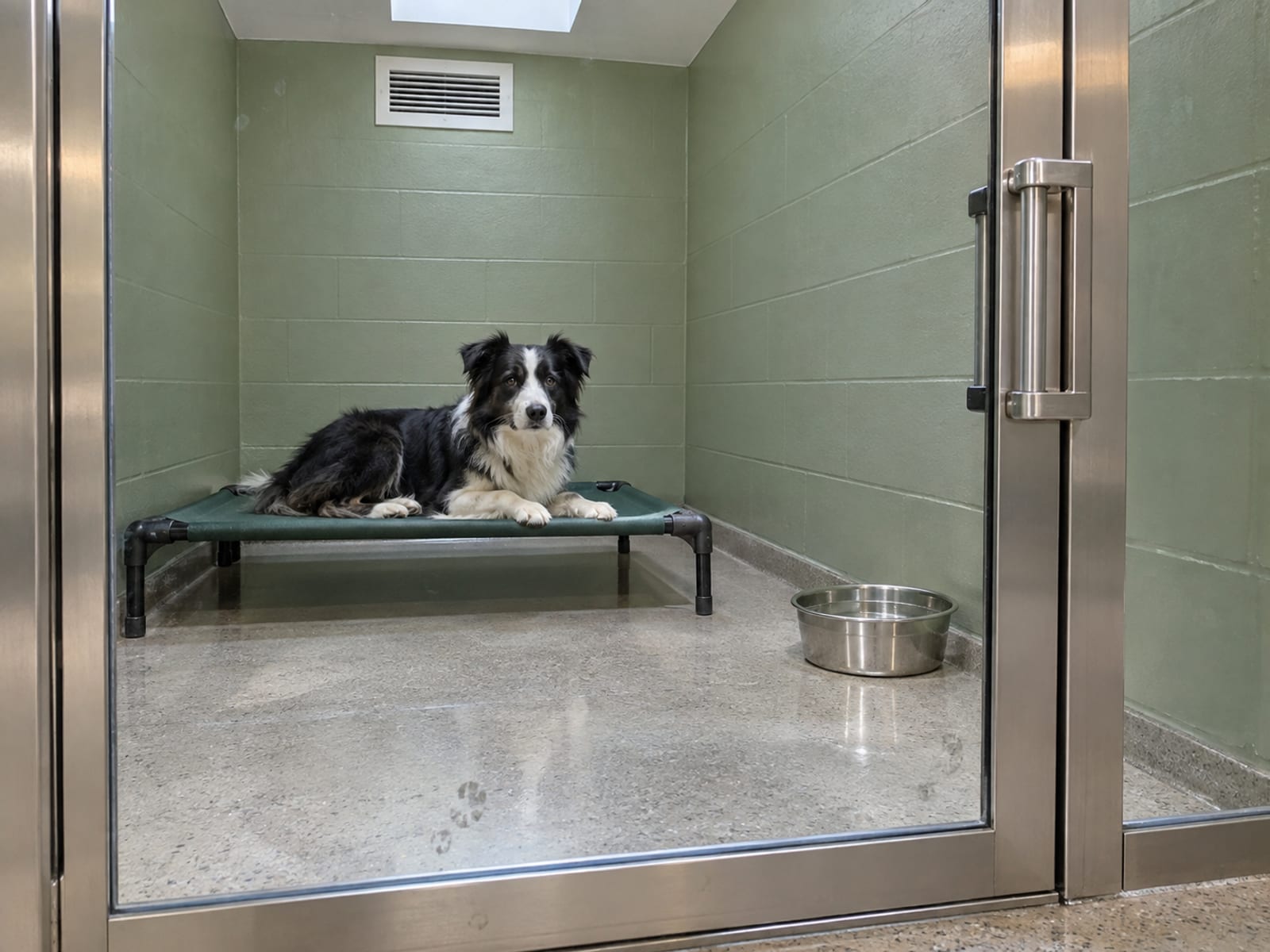
The published Miami-Dade numbers do not settle this on their own. You might have two dogs of your own, three daycare dogs who go home at 6 p.m., and one overnight boarder. Whether that is three, five or six dogs for zoning purposes is something to get from the office in writing for your parcel.
Send the zoning office a short written description of the operation and ask for an address-specific determination. Include:
- Your exact address and whether it is a house or a multifamily unit.
- Your lot size in acres.
- Each service you plan to offer: boarding, daycare, grooming, training, breeding or treatment.
- How many of your own dogs live there, and their ages.
- The maximum number of dogs present at one time, and the maximum overnight.
- Whether puppies or dogs under six months will ever be on site.
Ask them to state the maximum number of dogs allowed at one time, which approvals apply, and which age threshold they use. Keep the reply. If a neighbor complains later, a written determination is far stronger than "someone on the phone told me it was fine."
City of Miami, another city or unincorporated Miami-Dade
Miami-Dade County is not one jurisdiction for this purpose. The 2007 zoning legislation applies countywide to unincorporated Miami-Dade. Cities inside the county can enforce their own codes.
The Animal Services FAQ says animal-code violations in the City of Miami are handled by City of Miami code enforcement, and it directs matters in other municipalities to the appropriate entity. For county matters, it points to 311 and county code enforcement.
So, your first step is finding out where your parcel sits:
- Inside the City of Miami: ask the city's zoning office.
- Inside another municipality in Miami-Dade County: ask that city's planning or zoning office.
- In unincorporated Miami-Dade: ask county zoning, and use 311 for county questions.
Once you know the office, ask about the zoning district, the gross acreage, the count method, the age threshold, whether a certificate of use is required, and whether a public hearing, special exception or administrative site plan review applies.
What Miami-Dade Animal Services requires of kennels and pet-care businesses
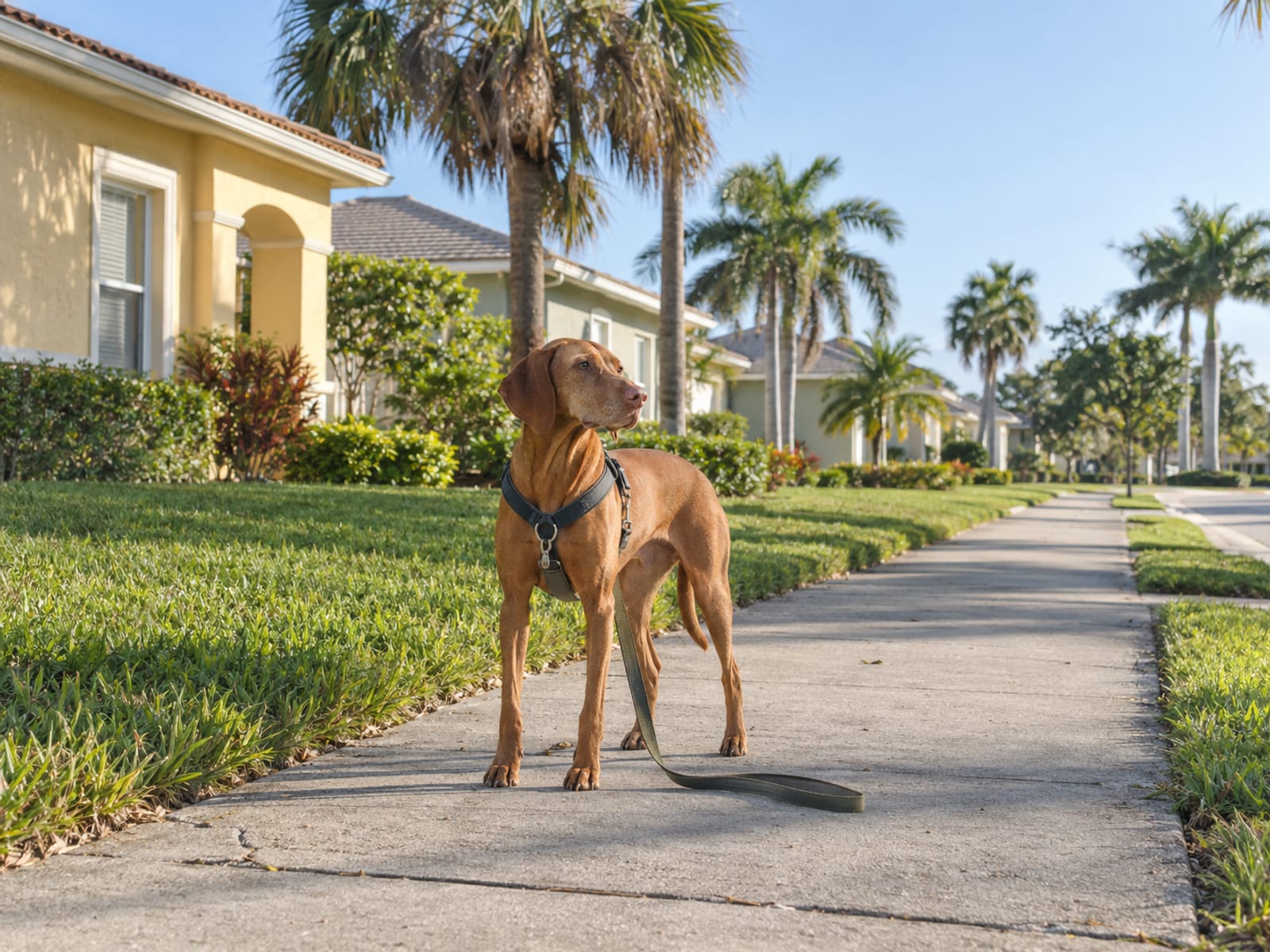
Zoning tells you whether you can operate at the address. Animal Services rules tell you how. Miami-Dade's animal-services legislative material (file 072490) covers kennels and pet-care businesses that keep animals belonging to other people.
Each client dog needs a medical emergency-release form from its owner. The form includes the owner's name, address and emergency telephone number, plus the dog's veterinarian and the veterinarian's phone number. I'd build that form into your booking process so no dog arrives without one.
The same material also addresses:
- Records for the animals currently on the premises.
- Daily cleaning and disinfection of primary enclosures.
- Quarantine or treatment of animals with communicable disease.
- Not accepting animals known or suspected to have a communicable or infectious disease.
- Separate grooming equipment and towels.
- Safe toys and training articles.
Ask Animal Services which kennel or pet-care license and inspections apply to your setup, and ask zoning about the certificate of use for your address. Those are two separate conversations.
HOA, condominium, lease and deed rules that can refuse a count zoning allows
A county or city approval does not override private rules. Your HOA declaration, bylaws and rules, a condominium declaration, your lease, a landlord policy, a planned-community rulebook, or a recorded deed restriction can each limit pets, commercial activity, noise, traffic, employees or home businesses.
Florida's condominium disclosure law, section 718.504 of the Florida Statutes, requires a summary of restrictions on the use of condominium property, including whether those restrictions apply to pets. If you own a condo, that summary is a good first place to look. If you rent, read the lease before you read the zoning code.
Pull every one of these documents before you spend money on fencing or marketing. A property can pass zoning and still be refused by an association, a landlord or a deed covenant.
Outside Miami-Dade: the county offices to call and what to tell them
Every Florida city and county can define "kennel" its own way. They can differ on whether daycare or boarding triggers kennel use, how many dogs a lot can hold, whether your dogs and client dogs are combined, the age that counts, where kennels are allowed, and what setbacks, noise, sanitation and building rules apply. Volusia County's zoning code uses different dog and kennel thresholds than Miami-Dade, and Putnam County's land development code uses a different kennel definition with its own supplemental regulations.
Contact these offices, in this order:
- The city planning, zoning or development-services office if your property is inside a city.
- The county zoning or land-development office if your property is unincorporated.
- The county or city animal-services office for licensing, care rules and records.
- The local business-tax or tax-collector office for business registration.
- Your HOA, condominium association, landlord or the holder of your title documents.
Tell each office your exact address, parcel size, zoning district if you know it, the services you plan, the maximum number of dogs at one time, the overnight count and how many of your own dogs live there. If you or your clients search in Spanish, the terms you will see are "perrera" (kennel), "pensión para perros" or "hospedaje de perros" (boarding), "guardería canina" (daycare) and "límite de perros" (dog limit).
Questions about Florida kennel dog limits
These short answers cover the statewide question, the Miami-Dade numbers, kennel status and what a trade certification does and does not do.
Does Florida set a statewide limit on dogs at a home?
No. Florida leaves dog counts and kennel rules to cities and counties, and private documents can add limits. The right answer for your house comes from the office that zones your parcel.
How many dogs can I keep at home in Miami-Dade or elsewhere in Florida?
In Miami-Dade, the county's Animal Services FAQ summarizes it as four adult dogs under one acre, six from one to two acres, and eight over two acres, with more requiring prior public-hearing approval. Elsewhere in Florida, your city or county code sets its own number, so call that zoning office with your parcel size.
When does a home count as a kennel in Miami-Dade?
Under Miami-Dade's 2007 definition, keeping any dog for sale, breeding, boarding or treatment is kennel use regardless of number, subject to the listed exceptions. Exceeding the residential threshold also constitutes maintaining a kennel, according to the Animal Services FAQ.
Does a trade association certification replace a kennel approval?
No. Groups such as IBPSA, the National Dog Groomers Association of America and the CCPDT offer voluntary education, standards or certification. None of them is a Florida license or a zoning approval.
Can I start taking dogs while I wait for the zoning answer?
Don't accept more dogs than your proposed operating count until the approvals are clear. Keep every written reply from zoning and Animal Services in one folder so you can show what you were told.
Your next step this week
You don't need every answer today. You need the right first answer, and that is your jurisdiction. Work through this list in order:
- Confirm your exact address is inside a city or in unincorporated county land.
- Confirm your zoning district and your gross acreage.
- Write down every service you plan, how many of your own dogs live there, and the most client dogs you would have at once and overnight.
- Ask zoning for a written, address-specific determination: count method, age threshold, certificate of use, and whether a public hearing, special exception or site plan review applies.
- Ask Animal Services about kennel or pet-care licensing, records, cleaning, quarantine and emergency-release forms.
- Read your HOA, condominium, lease and deed documents.
- If you operate under a name other than your legal name, the Florida Division of Corporations requires a fictitious-name registration under section 865.09, Florida Statutes, with a $50 fee as of September 2026.
- Ask the Florida Department of Revenue whether your services are taxable. Businesses with taxable activity register before collecting tax; the general state sales-tax rate is 6% as of September 2026, and the department issues Forms DR-11 and DR-13 after registration.
- If you need an EIN, the IRS Form SS-4 instructions, revised December 2025, say a U.S.-based applicant can apply online and use the number right after it is assigned. The Department of Revenue's startup materials list a 20-day period for reporting new hires if you add staff.
- Get insurance quotes that cover dogs in your care, custody and control. Pet Sitters International notes that general liability alone may not provide the protection a pet-care business needs, and ask any agent directly whether boarded dogs are covered at your home.
Quick check: Florida kennel dog limits
When the written answers are in hand, you'll know whether the business you planned fits the property you have. If it does, the DogServ directory is where Florida dog owners can find your boarding, daycare or grooming service once you are ready to take bookings.
Sources
- Certification Council for Professional Dog Trainers: CCPDT
- dos.fl.gov: Florida Division of Corporations
- floridarevenue.com: Florida Department of Revenue
- ibpsa.com: IBPSA
- irs.gov: IRS Form SS-4 instructions
- leg.state.fl.us: section 718.504 of the Florida Statutes
- library.municode.com: Putnam County's land development code
- library.municode.com: Volusia County's zoning code
- miamidade.gov: 2007 zoning legislation, file 072484
- miamidade.gov: 2014 animal-services amendment material
- miamidade.gov: animal-services legislative material (file 072490)
- nationaldoggroomers.com: National Dog Groomers Association of America
- petsit.com: Pet Sitters International
- secure.miamidade.gov: Animal Services FAQ