
Florida Certificate of Use for Dog Grooming and Boarding: What Your County Asks Before You Open
By Cal Hewitt · Published
Business guides
In Florida, a Certificate of Use is usually a local zoning or use approval for one business address, not a statewide kennel license. Before you sign a lease for a grooming, daycare or boarding space, ask the city or county planning office whether that address allows your exact services, including keeping dogs overnight. A Certificate of Occupancy covers the building's approved occupancy, and a Business Tax Receipt covers the local business tax; neither one tells you boarding is allowed. In Miami-Dade, an animal business describes its number of boarding kennels and its grooming square footage. Building, fire, wastewater and animal-services rules can apply too, and FDACS rules apply when animals are sold.
If a landlord is waiting on your signature, I understand the pressure. The order below is built so you don't pay for plumbing, kennels or sound control before the address is cleared for what you plan to do. I'm not a lawyer, an accountant or an insurance agent. I build websites and marketing for dog businesses, and for your address, the office that issues each approval has the final word.
Key takeaways
Tap a card to bring it forward.
- A Florida Certificate of Use is a local approval tied to one address and one described use, not a statewide license.
- Ask city planning (inside city limits) or county zoning (unincorporated areas) about grooming, daycare and overnight boarding before you sign a lease.
- Miami-Dade wants an executed lease or notarized landlord letter, plus a business-process letter that gives kennel numbers and grooming square footage for animal clinics.
- In Miami-Dade, the Certificate of Occupancy comes first where required, then the Certificate of Use, then the Local Business Tax.
- Adding daycare or overnight boarding to a grooming shop is a change or expansion of use, so ask zoning before you change services.
- Miami-Dade Animal Services says that, effective July 1, 2025, local occupational permits for kennel operators, mobile groomers, pet-care centers and pet dealers were affected by Florida Statutes section 163.211, while zoning and animal-welfare enforcement stay local.
Do you need a Certificate of Use to groom or board dogs in Florida?
For most fixed locations, you need some form of local use approval, and in many Florida cities and counties it is called a Certificate of Use. It answers one question: is this business activity allowed at this address? The real issue is whether the space is approved for your exact mix of services, whether that's grooming only, daytime daycare, overnight boarding, kennel use, an animal clinic or a combination.
The two clearest local definitions come from Miami-Dade and Orlando. Miami-Dade County describes its Certificate of Use as confirming that a business is allowed in the zoning district and that the structure has the required occupancy approval. The City of Orlando calls its Certificate of Use a zoning permit and requires it together with the Business Tax Receipt, so the city knows the business is allowed in that zoning district.
Who issues it depends on where the property sits: city planning or zoning inside city limits, county planning or zoning in unincorporated territory. As the U.S. Small Business Administration puts it, "Zoning laws are typically controlled at the local level." Some offices use other names, such as zoning permit or use permit, so ask what your jurisdiction calls its approval.
What to ask city planning or county zoning before you sign a lease
The cheapest time to learn an address won't work is before the lease is signed. Bring the planning office the address and a list of every service you plan to offer, including anything you might add next year, and ask:
- What is the property's zoning designation, and is it inside city limits or in unincorporated county territory?
- Is grooming allowed by right? Is daytime daycare allowed, as an accessory use or a separate use? Is overnight boarding allowed?
- What use category applies: kennel, pet-care center, animal clinic, personal service or something else?
- What maximum animal capacity applies?
- Do I need a special exception, conditional use, variance or site plan?
- Does the building's existing Certificate of Occupancy cover this use?
- Will kennels, outdoor runs, fencing, plumbing or drainage need permits, and are there noise, odor, parking or waste conditions?
- If I add daycare or boarding later, do I need a new Certificate of Use?
Write down who you spoke with and the date. Then put the approved use and square footage into the lease, or make the lease contingent on that approval. Ask the landlord, and any HOA or deed restriction that applies, whether kennels, animal noise and drainage work are allowed in the unit. Zoning approval and an animal-capacity limit are related but separate questions, so get an answer to each one.
What Miami-Dade asks animal businesses to show
Miami-Dade County's Certificate of Use page asks for an executed lease that shows the square footage, the specific unit and the designated use. If your lease doesn't show those details, the county asks for a notarized letter from the landlord naming the tenant, square footage, unit number and designated use.
The application also needs a business-process letter that explains how the business works. For animal clinics, the county's own example asks for the "number of kennels for boarding" and the "pet grooming square footage area." If you groom and board, count your kennels and measure the grooming area before you apply, and keep those numbers consistent with your lease and floor plan.
Miami-Dade also asks whether the business uses, stores, handles or generates hazardous materials or waste, and asks you to explain any liquid waste other than domestic sewer. Grooming wash water is the obvious item here. Depending on your answers, DERM operating-permit applications may also be required, according to the county's verification form page and Certificate of Use page.
Certificate of Occupancy, Certificate of Use and Business Tax Receipt: what each covers and the order for a storefront
These documents are easy to confuse, and each comes from a different office.
Tap or hover a row to highlight it.
| Document | What it covers | Where the definition comes from |
|---|---|---|
| DocumentCertificate of Occupancy | What it coversWhether the building or space may be occupied after required construction, change of use and inspections | Where the definition comes fromMiami-Dade County |
| DocumentCertificate of Use | What it coversWhether the business use is allowed in that zoning district at that address | Where the definition comes fromMiami-Dade County and City of Orlando |
| DocumentBusiness Tax Receipt (Local Business Tax) | What it coversThe local tax registration for the business activity | Where the definition comes fromMiami-Dade County and City of Orlando |
| DocumentHome-occupation approval | What it coversA business run from a residence under residential-use rules; not the usual approval for a storefront | Where the definition comes fromCity of Orlando |
Miami-Dade sets out an order: where occupancy or construction approval is required, the Certificate of Occupancy is a prerequisite to the Certificate of Use, and after the Certificate of Use comes the Local Business Tax. Orlando requires the Certificate of Use together with the Business Tax Receipt. A Business Tax Receipt on its own doesn't show that boarding is allowed at your address.
For a storefront, a practical sequence looks like this:
- Form the business if needed and write down every service you'll offer.
- Ask city planning or county zoning whether the address allows those services.
- Put the use, square footage and permitted activities into the lease or a lease contingency.
- Get the building, occupancy, fire, plumbing, wastewater or environmental approvals the space needs.
- Apply for the Certificate of Use or your jurisdiction's equivalent.
- Apply for the Business Tax Receipt.
- Get any animal-services, kennel or state approvals that apply.
- Open after the required approvals and inspections are complete.
Your issuing office may change this order for a particular address, so ask.
What sits behind the use approval: building, plumbing and wastewater, fire, noise and waste
Miami-Dade says its Certificate of Use confirms compliance with local zoning and environmental ordinances, the Florida Fire Prevention Code and the Florida Building Code, and that different departments handle different certificates. In practice, that means more than one office may need to sign off before you open.
The exact list depends on the property and the jurisdiction. Expect questions in these areas: building permits for alterations, walls and plumbing; a Certificate of Occupancy or approved change of occupancy; fire review or inspection; plumbing and wastewater review for grooming wash water, drainage or non-domestic liquid waste; environmental review, such as DERM in Miami-Dade; county animal-services or kennel approval where a local ordinance requires it; and noise, odor, parking, waste and nuisance rules under the local code. There's no single statewide Florida sequence that fits every address. Before you hire a contractor for tubs, drains, kennels or sound walls, ask the building department which permits the work needs and ask the water and sewer or environmental office how wash water must be handled.
Adding daycare or overnight boarding to a grooming approval
A grooming approval doesn't automatically cover daycare or overnight boarding. Adding either one can change the approved use, the animal capacity, the occupancy, the site plan, the noise profile, the wastewater needs, the fire review and your animal-services obligations. Miami-Dade lists changes in business use or operation, and expansions in business use or operation, among the situations that need review.
So, before you add kennels or start taking dogs overnight, call zoning with the new service description and the new capacity. Ask whether you need a new Certificate of Use application, a special exception, a conditional use or a revised site plan. Then ask the building and fire offices whether the new layout needs permits or an inspection.
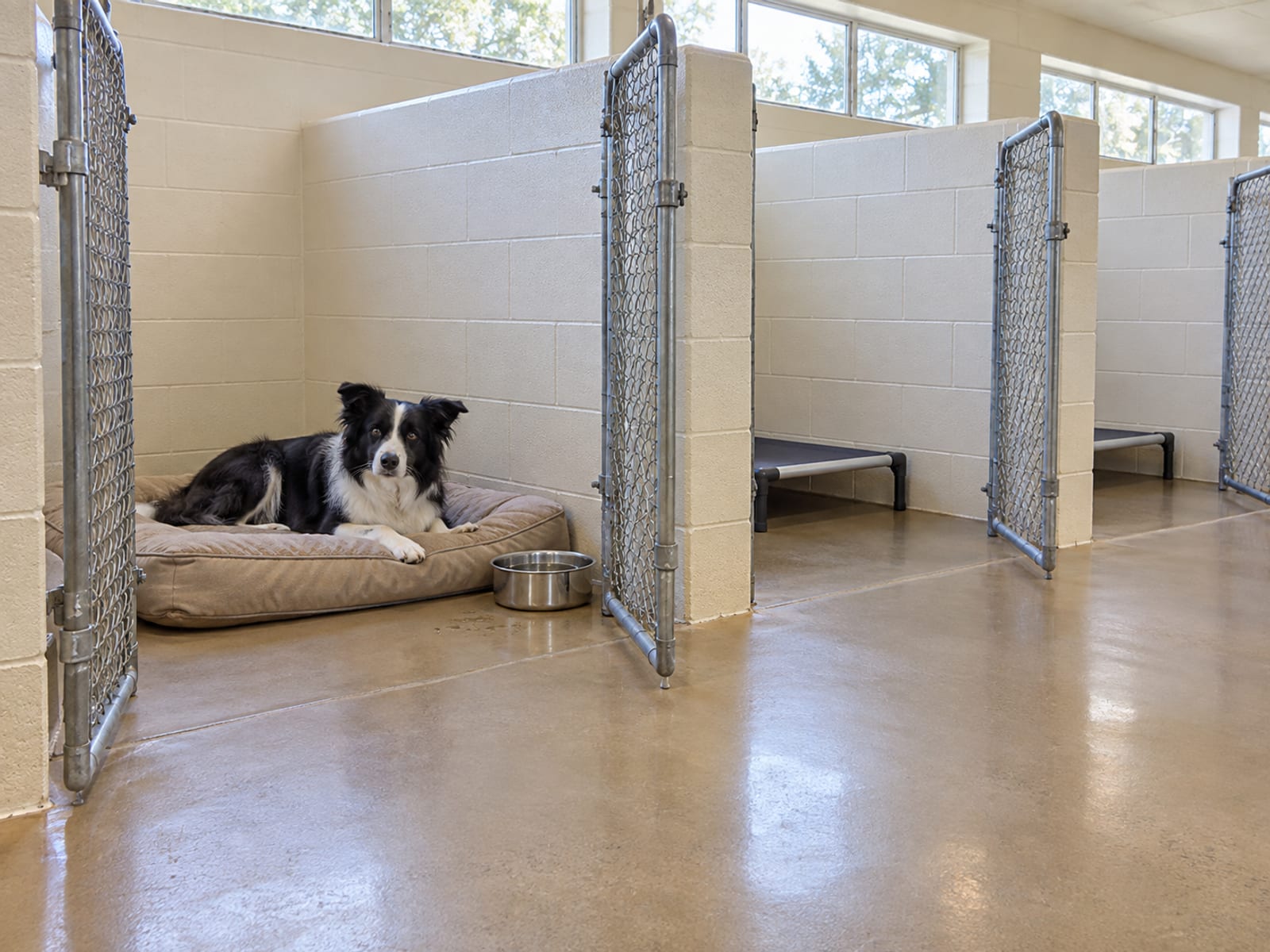
Boarding can also bring in a county permit. Pinellas County describes a pet-dealer and kennel permit for businesses that board, breed, buy, hire out or train dogs or cats for a fee. A groomer in Pinellas who adds paid boarding should ask the county about that permit before the first overnight guest.
Grooming at home: Orlando's home-occupation rules and Tampa's 2022 draft
Some Florida cities allow grooming as a limited home occupation, and the rules differ from city to city. Orlando publishes current requirements. The City of Orlando's Business Tax Receipt page says a home occupation needs a home-occupation application, a floor-plan sketch and, where it applies, notarized approval from the property owner or property manager. It lists a $50 home-occupation processing fee. Orlando also requires a Certificate of Use with the Business Tax Receipt.
Orlando's home-occupation rules also limit where the business sits in the home, employees working at the dwelling and vehicle traffic. The city's Citizen's Guide to Orlando Codes says a home occupation must be in the principal building and may not occupy more than 500 square feet.
Tampa is different. Its home-business document is a February 2022 draft ordinance, not current law. The City of Tampa draft listed dog grooming as a home occupation "provided no overnight keeping of animals," with a proposed limit of 25 percent of the dwelling's floor area and limits on outside display, storage and employees. Confirm the current Tampa zoning code and application requirements with Tampa Development Coordination or the current planning office.
In any city, a home-occupation approval for grooming is not an approval to board dogs overnight. Ask about each service separately.
County animal services, the July 1, 2025 change under section 163.211, and FDACS when animals are sold
Zoning is only one track. County animal services can have its own permit, and the state comes in when animals are sold. According to Miami-Dade County Animal Services, effective July 1, 2025, local occupational permits for kennel operators, mobile groomers, pet-care centers and pet dealers were affected by Florida Statutes section 163.211, and permit inquiries shifted toward FDACS or DBPR. The same page says animal-services standards, animal-welfare enforcement and zoning compliance remain local.
Other counties still describe their own permits. Pinellas County's pet-dealer and kennel permit is one example, so ask your county animal services office whether a permit or inspection applies to your services and whether section 163.211 changed anything for your location.
If you sell dogs or cats, or bring them into Florida to sell, a separate state law applies. The Florida Department of Agriculture and Consumer Services says dogs and cats entering Florida to be sold must comply with Florida's Pet Law, section 828.29, Florida Statutes. Selling is a different activity from grooming or boarding, so contact FDACS through its Pet Law page before you add sales.
Trade groups such as IBPSA, PSI, NAPPS and NDGAA can help with education and boarding standards, but none of them replaces a government approval.
What it costs: the published fees and what to confirm with each office
Florida has no single price for a Certificate of Use. There is no statewide Florida kennel or daycare inspection fee to plan around; each office sets its own fees and timelines.
Tap or hover a row to highlight it.
| Figure | What it is | Source and date |
|---|---|---|
| Figure$50 | What it isOrlando home-occupation processing fee | Source and dateCity of Orlando, as of September 30, 2026 |
| Figure500 square feet | What it isOrlando limit for a home occupation, in the principal building | Source and dateCity of Orlando, as of September 30, 2026 |
| Figure$100 | What it isFlorida LLC Articles of Organization | Source and dateFlorida Department of State, as of September 30, 2026 |
| Figure$25 | What it isFlorida LLC registered-agent designation | Source and dateFlorida Department of State, as of September 30, 2026 |
| Figure25 percent | What it isHome-occupation floor-area limit in Tampa's draft, not current law | Source and dateCity of Tampa draft ordinance, February 2022 |
| FigureJuly 1, 2025 | What it isEffective date of the local occupational-permit change Miami-Dade describes | Source and dateMiami-Dade Animal Services, as of September 30, 2026 |
Miami-Dade charges fees for its certificates, so ask each department for its fee and how long its review takes, and budget for the work those reviews require.
Setting up the business has its own steps. Sunbiz, from the Florida Department of State, covers choosing a structure, forming the entity and registering a fictitious name if you want one; the $100 and $25 fees come from its LLC instructions. The IRS says employers and most LLCs, partnerships and corporations need an EIN, and that you should form the entity with the state before you apply. For sales tax, the Florida Department of Revenue explains that taxable transactions and use tax depend on the transaction, and its FAQ database takes up pet grooming and animal grooming and boarding; ask the department about your services and any products you sell. Ask your landlord which insurance the lease requires, and talk with a licensed agent about the rest.
Questions about Florida certificates of use for groomers and boarders
These answers cover how to apply, grooming from home and whether a state license applies.
How do I get a certificate of use in Florida?
Apply to the city or county office that handles zoning for your address, after you confirm the use is allowed there. In Miami-Dade, that means an executed lease or notarized landlord letter, a business-process letter and answers about hazardous materials and liquid waste, with the Certificate of Occupancy first where required. Ask your office for its forms, fees and inspection schedule.
Is it legal to run a grooming business from home in Florida?
It depends on your city or county and its home-occupation rules. Orlando allows home occupations with an application, a floor-plan sketch, owner approval where needed and a $50 processing fee, up to 500 square feet in the principal building. Your HOA, deed restrictions or lease can add limits, so check those as well.
Do groomers need a state license in Florida?
The Certificate of Use is a local approval, not a state groomer license. Miami-Dade Animal Services says that since July 1, 2025, permit inquiries for kennel operators, mobile groomers, pet-care centers and pet dealers have shifted toward FDACS or DBPR, so ask those agencies whether your services need state approval. If you sell animals, FDACS and the Pet Law apply.
Who do I call if my county isn't Miami-Dade or Orlando?
Start with city planning if the address is inside a city, or county zoning if it's unincorporated. Then call the building department, the fire marshal's office, the business-tax office or tax collector, county animal services and the water and sewer or environmental office about wash water.
Your next step this week
Before you sign anything, make one call: the planning or zoning office for the exact address, with your full list of services. Everything else follows from that answer. This checklist keeps the rest in order.
Week-one checklist for a Florida grooming or boarding site
Tap a card to bring it forward.
- List every service: grooming, daycare, overnight boarding, training, retail or animal sales.
- Confirm whether the address is in a city or in unincorporated county territory.
- Ask zoning whether the exact use and overnight animal keeping are allowed, and whether you need a special exception, conditional use or site plan.
- Ask the building department about the Certificate of Occupancy or a change-of-use permit, and ask fire officials about review or inspection.
- Ask water, sewer or environmental officials about wash water and wastewater.
- Ask animal services whether a kennel or pet-care permit applies, and contact FDACS if you will sell animals.
- Ask the business-tax office about the Business Tax Receipt, and put the approved use and square footage into the lease or a lease contingency.
If you or your customers search in Spanish, these are the terms you'll see: certificado de uso, permiso de uso, certificado de ocupación, recibo de impuesto comercial, zonificación, peluquería canina, guardería para perros and pensión para perros. USAGov en español explains starting a small business, licenses, permits and taxes in Spanish, and FDACS offers Spanish contact information for Pet Law questions.
Quick check: Florida Certificate of Use
Once your approvals are in hand and the doors are open, you can list the business in the DogServ directory so local dog owners can find you. Until then, that first call to the planning office is what protects your money.
Sources
- dos.fl.gov: LLC instructions
- dos.fl.gov: Sunbiz, from the Florida Department of State
- fdacs.gov: Florida Department of Agriculture and Consumer Services
- fdacs.gov: Pet Law page
- floridarevenue.com: FAQ database
- floridarevenue.com: Florida Department of Revenue
- irs.gov: IRS
- learn.ibpsa.com: IBPSA
- miamidade.gov: Miami-Dade County
- miamidade.gov: verification form page
- orlando.gov: Citizen's Guide to Orlando Codes
- orlando.gov: City of Orlando
- pinellas.gov: Pinellas County
- sba.gov: U.S. Small Business Administration
- secure.miamidade.gov: Miami-Dade County Animal Services
- tampa.gov: City of Tampa draft
- usa.gov: USAGov en español