

Hookworms in Dogs: Signs, When a Puppy Needs a Vet Today and How They Are Treated
By Cal Hewitt · Published , updated
Health
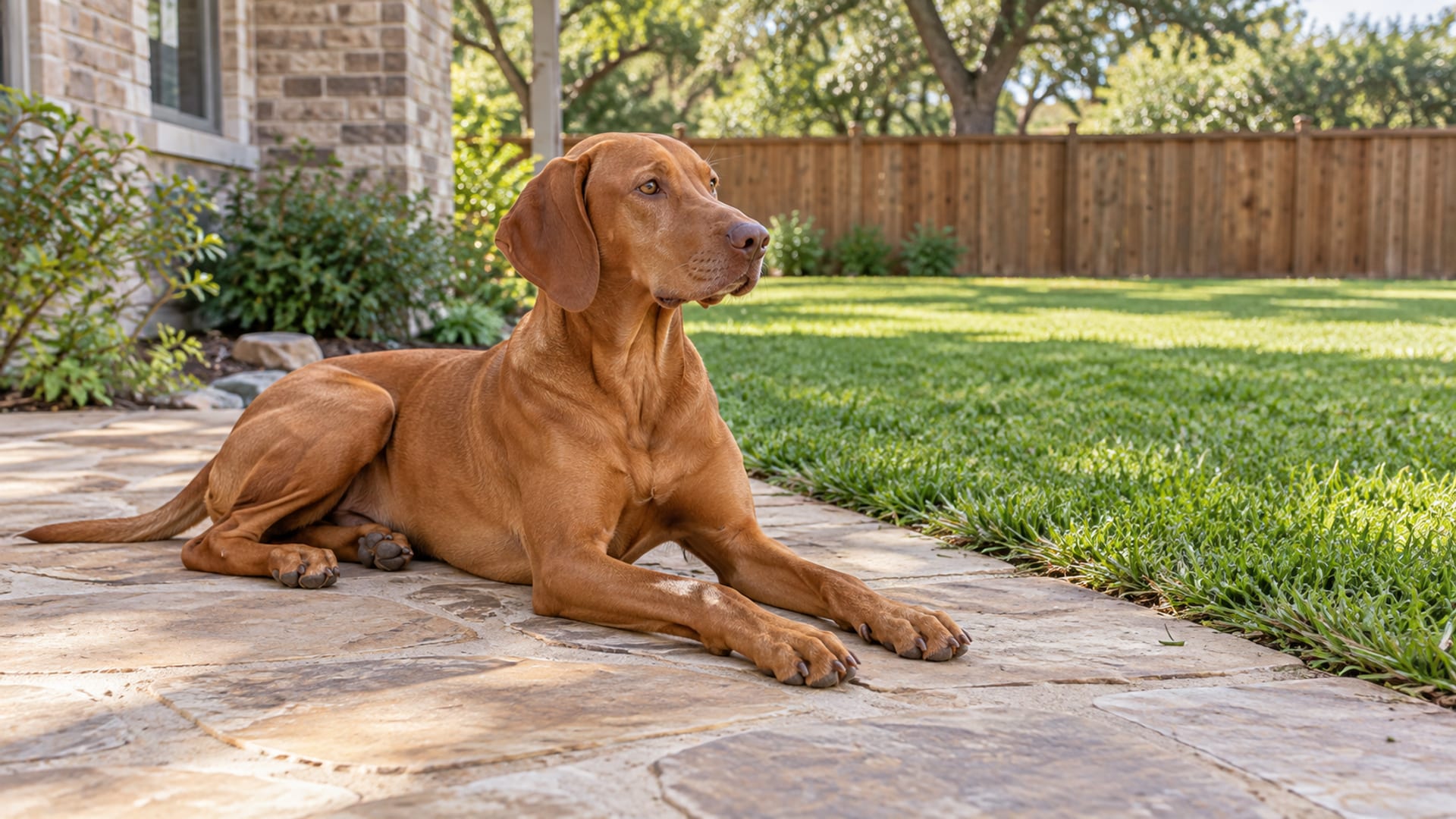
If a puppy has pale gums, seems weak, or has bloody or black, tarry stool, call a vet today. Hookworms are intestinal parasites that attach to a dog's small intestine and feed on blood, and puppies can develop anemia, poor growth and dark diarrhea from them. Some adult dogs show few or no signs. Dogs pick hookworms up by swallowing larvae, through skin contact with contaminated soil, or by nursing from an infected mother. People can get an itchy skin condition when larvae in soil or sand get into bare skin. A vet decides what is going on with a stool test, sometimes a PCR or blood work.
Key takeaways
Tap a card to bring it forward.
- Pale gums, weakness, a very young puppy, or bloody or black, tarry stool means a vet visit today.
- Hookworms feed on blood in the small intestine, so puppies can become anemic before any eggs show up in stool.
- A single negative fecal test in a sick young puppy does not settle the question.
- Treatment uses vet-selected drugs, often repeated, with follow-up fecal tests; never guess at a home dose.
- People get skin larvae from bare skin on contaminated soil or sand, not from petting a dog.
- Pick up stool quickly; it is the most effective yard step you control.
Puppy or adult dog: which signs mean a vet today?
I know how it feels to see something alarming in your dog's stool and not know whether to wait. Here is how I would sort it. Call a vet the same day for a puppy that is pale, weak or very young, for bloody diarrhea, for dark, tarry stool, for marked lethargy, collapse, dehydration, trouble breathing, or a dog that is getting worse fast. CAPC and Cornell both describe puppies as the dogs at greatest risk of serious blood loss.
Other signs are weight loss, poor growth, a poor coat, poor appetite and diarrhea. In a heavy infection the diarrhea can turn dark, tarry or bloody. Some dogs also get skin irritation where larvae went in, and a few get breathing signs when many larvae travel through the lungs.
Gum color and stool color do not diagnose anything. They tell you how fast to call. If your puppy looks unwell, do not hold off for a routine appointment or wait on a test result. If it is after hours, use an emergency vet near you; for a same-week visit, try the vet directory.
What hookworms are, how dogs catch them, and why some adult dogs show nothing
Hookworms are small intestinal worms. The main canine species are *Ancylostoma caninum*, *Ancylostoma braziliense* and *Uncinaria stenocephala*. Adult worms attach to the lining of the small intestine and feed on blood, according to the Merck Veterinary Manual.
Eggs leave the body in stool. In warm, moist conditions they develop into infective larvae in roughly two to nine days, depending on temperature and humidity, per CAPC. A dog can be infected when it:
- swallows larvae from soil or other surfaces,
- has larvae go through its skin,
- eats an infected animal, or eats a cockroach carrying larvae,
- nurses from a mother carrying *A. caninum* larvae, which can pass through colostrum or milk.
That last route is why puppies are so exposed. A nursing puppy can be infected and become anemic before eggs are detectable. Outdoor dogs and dogs in contaminated yards, parks, kennels, daycares or breeding facilities have more chances to pick them up.
Why do some dogs seem fine? A dog may carry only a few worms, may have some partial immunity, or may be well nourished enough to cope. An adult with no signs can still shed eggs and expose puppies. This is also why hookworms are not a sign of a neglected dog. Dogs get them from contaminated ground, nursing and skin contact even with good care, which is why prevention and fecal checks matter for every dog.
Hookworms, parvo or giardia: why the signs overlap and a test decides
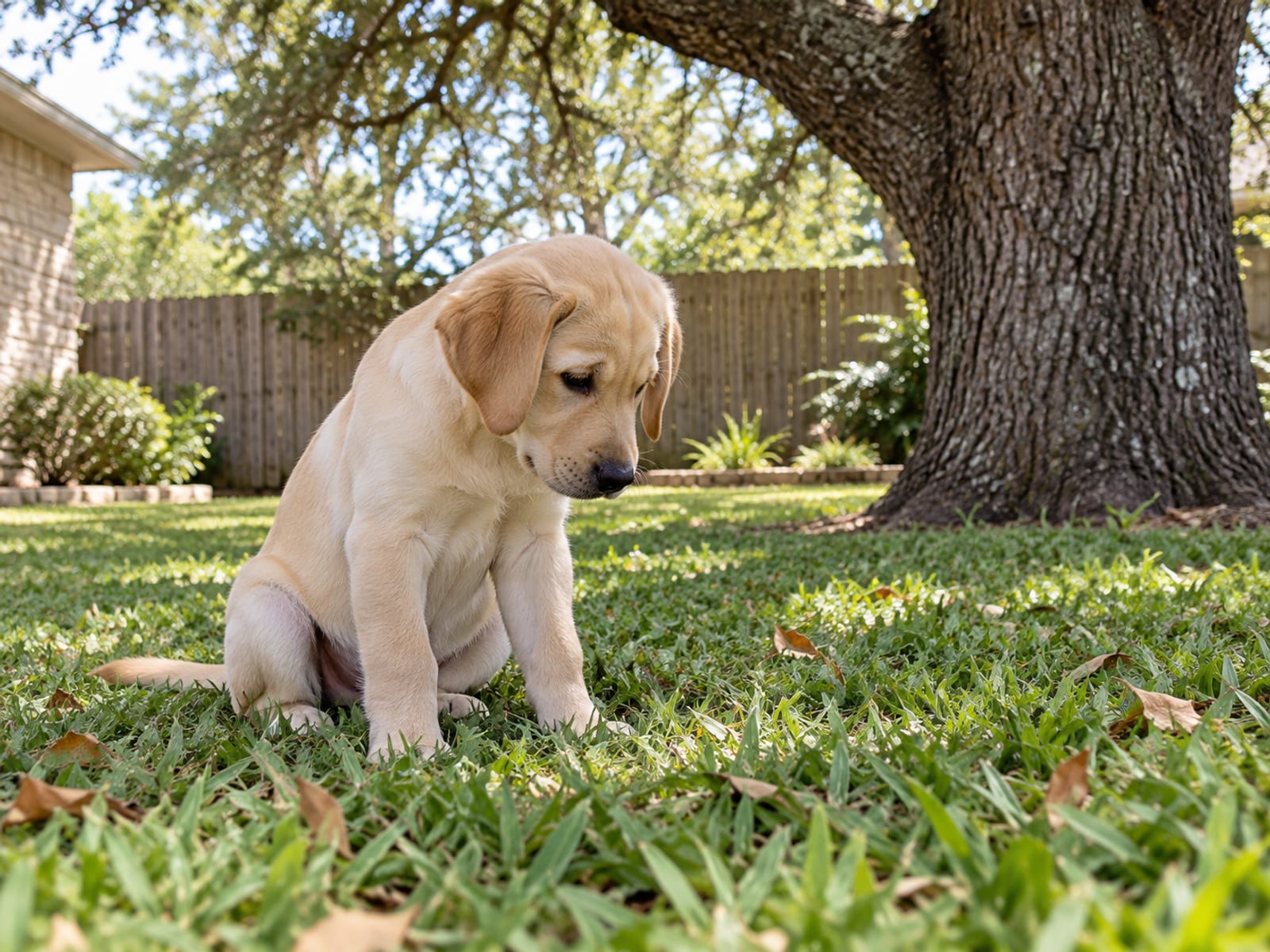
A puppy with bloody diarrhea, lethargy and poor appetite could have hookworms, parvovirus or giardia, and you cannot tell them apart by looking. Hookworms cause blood loss and anemia. Parvovirus usually brings severe vomiting, loss of appetite, lethargy and foul-smelling bloody diarrhea, and it is highly contagious, according to the ASPCA.
Because a serious infection is on the list, a sick puppy needs a vet right away. For more on each, read our guides to parvo in puppies, giardia in dogs and dog diarrhea. If the pale gums and weakness are what worry you most, anemia in dogs covers that side of it.
How a vet tests: fecal flotation, antigen, PCR and blood work
Your vet may use several tools, depending on the dog's age and signs:
- A microscope exam of stool, usually centrifugal fecal flotation, which looks for eggs.
- A fecal antigen test.
- Fecal PCR, which looks for parasite DNA and can help identify the species.
- Blood work when anemia or serious illness is suspected.
- A repeat fecal test when the first is negative, the infection may be early, or reinfection is suspected.
The reason one negative test does not close the case is timing. Eggs first show up in stool about 15 to 20 days after infection, says the Merck Veterinary Manual, and Cornell notes that a puppy infected through nursing can become anemic before any eggs are present. Infections with only one sex of worm can also produce few or no eggs. So, a pale, weak puppy with a negative stool test still needs a vet's attention.
If the clinic asks for a stool sample, bring a fresh one. Tell the vet which preventives the dog gets, any earlier deworming, daycare or boarding, dog parks, scavenging and travel.
What treatment involves: drug classes, repeat treatment and follow-up fecal tests
Veterinary sources name several drug classes for hookworms. They include benzimidazoles such as fenbendazole, tetrahydropyrimidines such as pyrantel, and macrocyclic lactones such as moxidectin, milbemycin and ivermectin, plus combination products. Your vet chooses the drug and amount for your dog's age, health and the parasite involved. Please do not give any dose yourself, and give only what your vet directs.
Treatment is often repeated, for three reasons. Larvae can mature after the first dose. Puppies can be reinfected through nursing or the ground. And routine treatment may not kill arrested larvae resting in the dog's tissues. Cornell describes repeat treatment at intervals your vet sets, and notes that monthly preventives help control larval stages but do not remove every arrested larva.
Follow-up usually means another fecal exam, sometimes a quantitative egg count, and blood work if the dog was anemic. The Merck Veterinary Manual describes a fecal exam 14 days after treatment in North American cases where drug resistance is a worry, and CAPC recommends using fecal exams to check that treatment and prevention are working.
How long does it take to clear hookworms? There is no single number. It depends on the repeat schedule and the follow-up test your vet sets, so ask for the dates at the first visit.
Monthly preventives, reinfection and resistant hookworms
Some monthly heartworm preventives also cover hookworms, but coverage differs by product, species and parasite stage. Read the label, ask your vet, and do not assume yours covers every hookworm stage. Our heartworm guide explains how those monthly products work. For puppies, AAHA advises starting deworming as early as two weeks of age and repeating it every two weeks until monthly treatment begins; the new puppy checklist helps you plan those visits.
If a dog tests positive again after treatment, that does not automatically mean the medicine failed. Reinfection, missed or mistimed doses, larval leak and drug resistance are separate possibilities, and only a vet can sort them out. Drug-resistant *A. caninum* that resists several classes of drug has been documented in the United States, according to AAHA, which also links outbreaks to facilities such as kennels. If your dog keeps testing positive, tell your vet and ask about resistance.
Can people catch hookworms from dogs? Skin larvae, shoes and children
Yes, in one specific way. The CDC says people can develop cutaneous larva migrans when animal hookworm larvae in contaminated soil or sand get into exposed skin. It causes severe itching and raised red tracks, most often on the feet or other exposed areas.
The risk comes from bare skin on contaminated ground, not from petting or living with an infected dog. Children can be more exposed when they play barefoot in yards, parks, beaches or sandboxes. The CDC's steps are simple:
- Pick up and dispose of animal waste quickly.
- Keep dogs and cats on regular veterinary care.
- Wear shoes, and gloves when gardening.
- Avoid bare-skin contact with soil or sand that may be contaminated.
- Cover children's sandboxes when they are not in use.
If anyone in your home gets an itchy, raised, winding track on the skin, see your own doctor. I can't diagnose or treat people, and your doctor can.
Cleaning up the yard and reducing reinfection
You do not need to clean your house for hookworms. The yard and the stool are where the work is. Stool removal matters most, because eggs passed in stool develop into infective larvae over the following days, so prompt pickup interrupts the cycle.
- Pick up stool promptly from your yard, runs and public areas.
- Keep your dog on the parasite prevention your vet recommends.
- Follow the vet's fecal recheck schedule.
- Limit access to contaminated soil when you can, and discourage scavenging and hunting of rodents.
- Keep puppy and nursing areas clean.
- Ask daycare, boarding and kennel staff how they remove stool and control parasites.
- Keep children out of questionable soil and sand in bare feet.
Ordinary household disinfectant does not sterilize soil or grass. Ask your vet about your particular site. Yard care lowers exposure; it does not replace treatment or prevention. For stool habits and cleanup routines with a young dog, see potty training a puppy.
What testing and treatment may cost
Prices vary by clinic and region, so treat any figure as an example. The Connecticut Veterinary Medical Diagnostic Laboratory's fee schedule, as of September 30, 2026, lists the laboratory fees below. These are lab charges, not what an owner pays. The invoice you get can also include the exam, sample handling, blood work, medication and follow-up visits.
Tap or hover a row to highlight it.
| Item | Figure | Source and date |
|---|---|---|
| ItemFecal flotation or sedimentation | Figure$17.64, plus $7 accession fee | Source and dateUConn CVMDL, September 30, 2026 |
| ItemQuantitative fecal test | Figure$29.40, plus $7 accession fee | Source and dateUConn CVMDL, September 30, 2026 |
| ItemEggs first appear after infection | FigureAbout 15 to 20 days | Source and dateMerck Veterinary Manual, updated August 2026 |
| ItemLarvae develop in warm, moist soil | FigureAbout 2 to 9 days | Source and dateCAPC, updated February 28, 2025 |
| ItemFecal testing for puppies | FigureAt least four times in the first year | Source and dateCAPC, updated February 28, 2025 |
| ItemFecal testing for adults | FigureAt least twice a year, depending on health and lifestyle | Source and dateCAPC, updated February 28, 2025 |
Before the visit, ask the clinic for the exam, fecal test, medication and recheck fees so nothing surprises you.
Quick check: hookworms in dogs
Questions people ask about hookworms in dogs
Short answers to the questions owners ask most follow.
Is hookworm contagious to humans from dogs?
It can be, in a limited way. People get cutaneous larva migrans when larvae from contaminated soil or sand penetrate bare skin. Wearing shoes, covering sandboxes and picking up stool cut the risk, and a doctor should look at any itchy skin track.
Do I need to clean my house if my dog has hookworms?
The work is in the yard and the stool, not the house. Pick up stool promptly and keep bare skin off questionable soil. Household disinfectant will not sterilize soil, so ask your vet about your specific yard.
What are the symptoms of hookworm in your dog?
Signs include diarrhea that may be dark, tarry or bloody, weight loss, poor growth, pale gums and weakness. Some dogs have no signs at all. Pale gums or black stool in a puppy call for a vet the same day.
How long does it take to get rid of hookworms in dogs?
It depends on the repeat-treatment and follow-up-test schedule your vet sets. Repeat doses and rechecks are common because larvae can mature later and some stay in tissues. Ask for the dates at your first visit.
Your next step
Start with what you can see today. If your puppy is pale, weak or passing bloody or black stool, call the nearest emergency vet now. If your dog is steady but had a positive fecal result or keeps having loose stool, book a visit through our vet directory, bring a fresh sample if the clinic asks for one, and ask about repeat treatment, a recheck and whether your dog's monthly preventive covers hookworms. Then pick up stool every day, keep little feet in shoes, and let your vet run the plan.