
Dog DNA Tests: How They Work, How Accurate They Are and What Health Results Mean
By Cal Hewitt · Published
Health
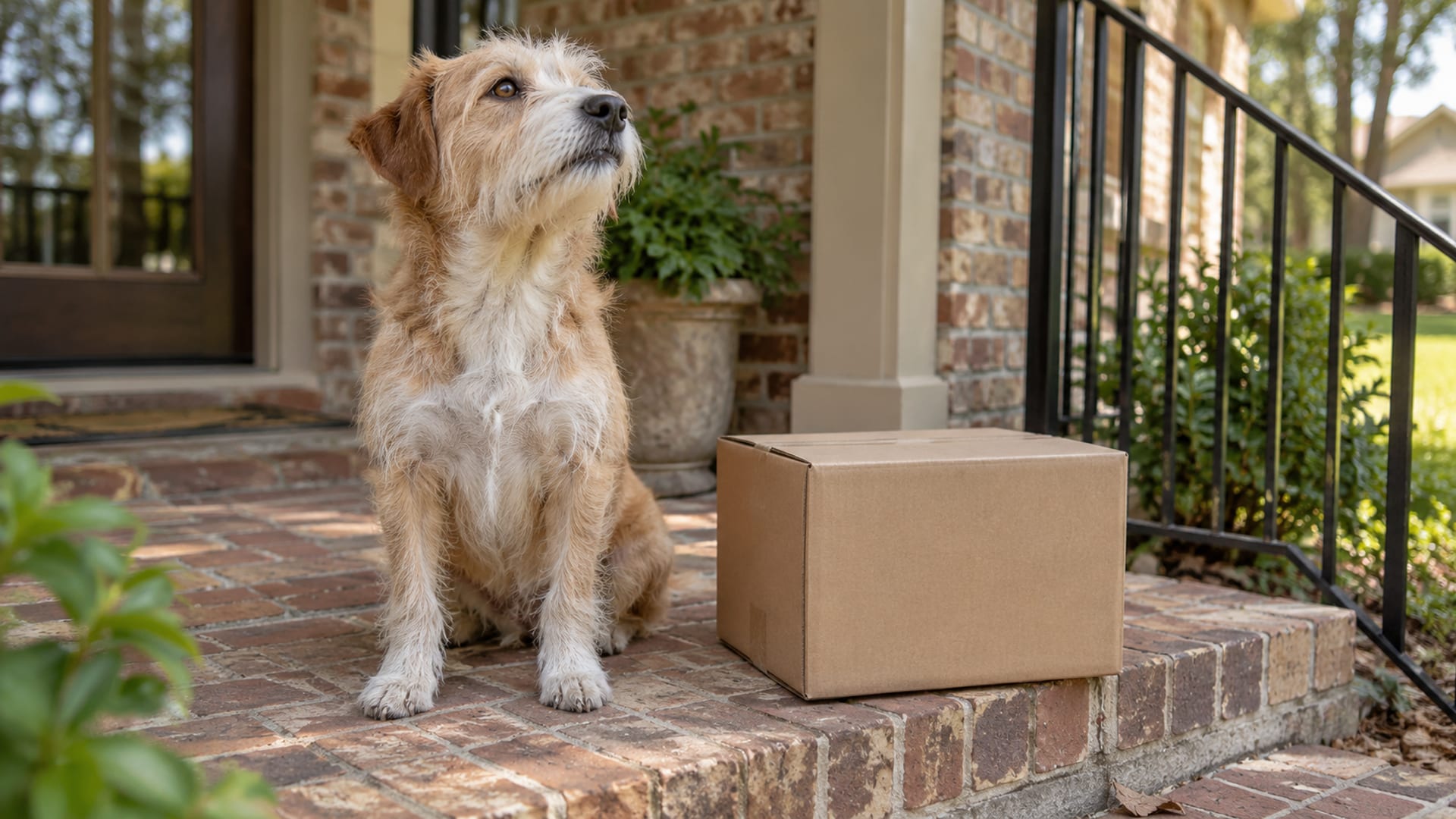
A dog DNA test usually uses a cheek swab to read selected genetic markers, and the report can estimate breed ancestry, find relatives, list traits and screen for genetic health markers. The breed percentages are estimates, based on each company's own reference database, so two companies can report different mixes for the same dog.
A health result is a risk marker or a genotype, not a diagnosis. If a report flags MDR1, degenerative myelopathy or another condition, save the full report and talk it over with your vet before anyone changes care or medication. That advice follows Cornell's Riney Canine Health Center and UC Davis Veterinary Genetics Laboratory.
Key takeaways
Tap a card to bring it forward.
- A consumer test uses a cheek swab, and the lab reads selected genetic markers, often SNPs.
- Breed percentages are estimates from a company's reference dogs, so two companies can disagree.
- A health result shows risk or genotype. It does not mean your dog is sick.
- A negative result covers only the variants that test looked at.
- Save the complete report and show it to your vet, especially an MDR1 result, before any future medication.
- Dog DNA registration is not a nationwide rule, and a microchip is a different thing from a DNA profile.
Whether you are curious about a rescue's mix, deciding whether a kit is worth its price, or staring at a report that looks scary, the same line helps: ancestry information is one thing, genetic risk is another, and a diagnosis is a third. The sections below take them in that order.
How does a dog DNA test work?
The steps are simple. You collect cells from inside your dog's cheek and gums, mail the sample to a lab, and the lab pulls DNA out of those cells. A genotyping platform then checks selected spots in the genome, commonly SNPs, which are single-letter differences in the DNA code. For breed ancestry, an algorithm compares your dog's pattern with a reference panel of dogs the company has on file, and the company reports its best estimate plus anything extra you bought.
Collection matters. UC Davis recommends brushing cheek cells rather than relying on saliva, and it asks that puppies be at least three weeks old before testing. It also advises keeping food and drink away for at least one hour before collection. Keep your dog away from littermates and shared toys while you swab, because another dog's cells can contaminate the sample, and label the sample correctly before it goes in the mail.
Cornell explains that these tests look at markers across the genome, and that a dog gets one copy of each gene from each parent. So, a reference-panel result is an ancestry estimate. It does not read every base of your dog's DNA, and it is not proof of legal breed status or a diagnosis.
What can a dog DNA test tell you?
Most consumer reports cover some mix of the following:
- Breed ancestry estimates.
- Relatives listed in the company's database.
- Coat, size, color, body and other physical traits.
- Behavior-associated traits, which are not predictions of how your individual dog will act.
- Genetic health markers, including carrier or risk status for selected conditions.
- Inbreeding or genetic-diversity estimates, depending on the company.
Each result has a different practical use. Breed ancestry can help your vet think about breed-associated risks, which AAHA's canine life stage guidance notes may be useful for mixed-breed dogs. A health marker can point to inherited risk or drug sensitivity. A trait result may explain why your dog is the size or color it is. None of them replaces a physical exam or diagnostic testing.
Behavior deserves its own warning. Breed ancestry is not a reliable prediction of an individual dog's personality, because behavior comes from many genes plus development, environment and learning. Train the dog in front of you. Our guides on how to train a dog and positive reinforcement dog training start from observed behavior, and dog body language helps you read it.
How accurate is a dog DNA test, and why do two companies disagree?
Accuracy depends on which question you are asking. Breed ancestry and health markers are separate things.
For ancestry, the result depends on:
- The number and spread of markers tested.
- The company's reference dogs, and whether your dog's ancestry is represented in them.
- How the company defines breeds and mixed ancestry.
- The algorithm that assigns percentages, and how it handles small segments.
- Sample quality and contamination.
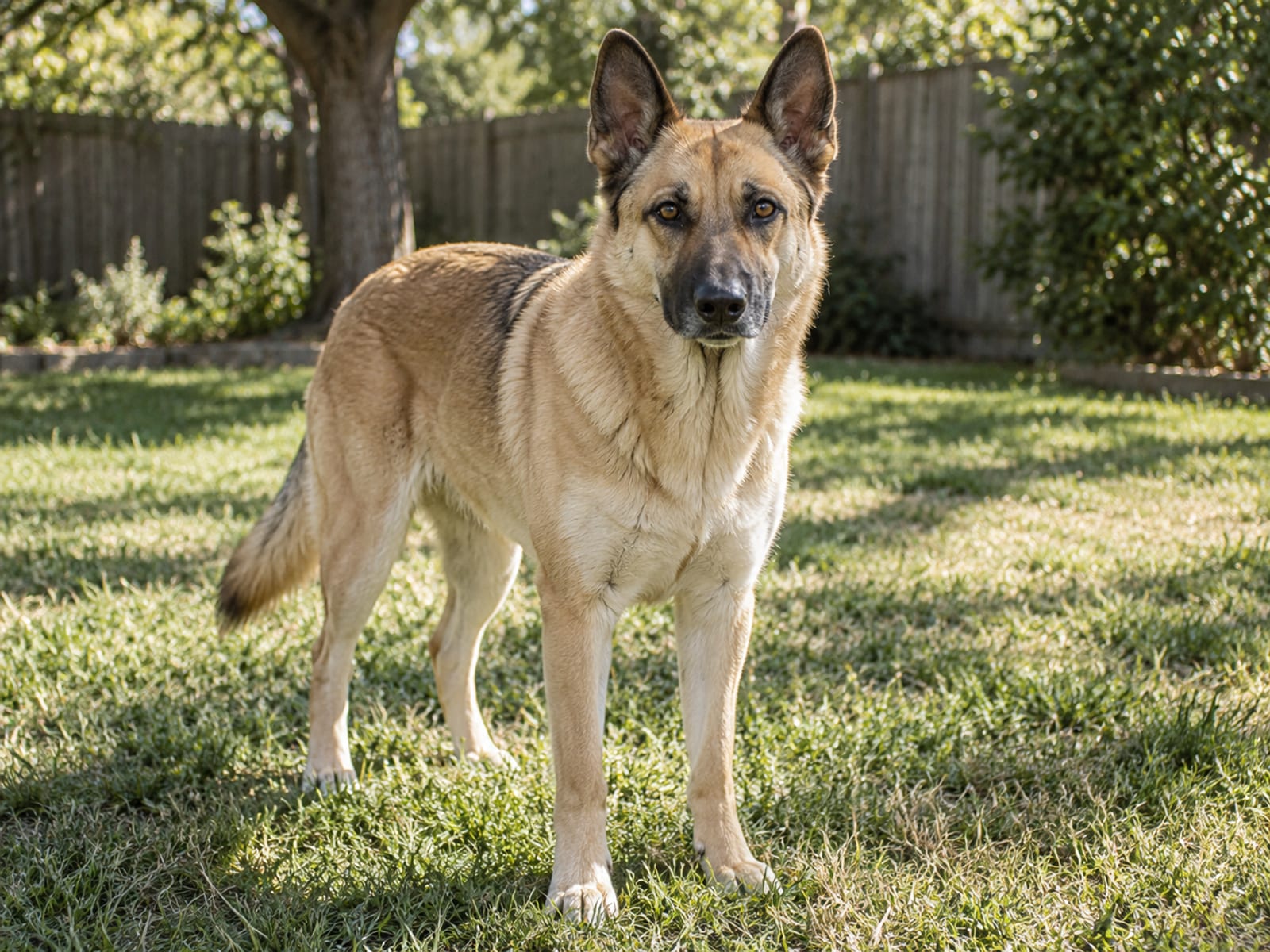
That is why two reports on the same dog can differ without either one proving the other wrong. Companies use different marker panels, reference populations, algorithms and reporting thresholds. Wisdom Panel's support page says genetic drift and small or foreign family lines can make some populations hard to classify. Its product page advertises testing against more than 430 breeds and reporting breed composition down to 1 percent, and that is the company's own claim; no independent body guarantees it. Treat small percentages as the least certain part of any report.
Health markers work differently. A targeted test for one known variant can be highly reliable for that variant. It still does not test every disease-causing variant, and it cannot tell you whether your dog will develop a condition. Clinical genetics standards say a good report names the gene and mutation tested, explains the result, and states that a normal result does not exclude undetected mutations.
A breed result also does not prove a dog is purebred or settle a legal breed label. Wisdom Panel says its tests are not designed to validate whether a dog is purebred.
What does a health result mean: clear, carrier, at-risk or affected?
These words describe a genotype. They do not describe an illness. How they read depends on the report:
- One copy of a variant may mean carrier status.
- Two copies may mean a higher-risk genotype.
- A variant can be linked to disease but show incomplete penetrance, meaning some dogs with it never show signs.
- A marker may sit near a disease-causing variant rather than being the causal mutation itself.
- A result may matter only in certain breeds or genetic backgrounds.
- A clear or negative result covers only the variant that was tested.
So, a positive marker is a reason for a conversation with your vet, not a reason to treat at home. AAHA's 2025 article on genetic testing says a positive genetic result is not always a guarantee of future disease and that testing one mutation may not capture every genetic cause. Cornell likewise says a genetic finding does not guarantee disease and advises discussing medical-related results with your vet.
A clear result has a limit too. Your dog can still develop a condition the test did not look for.
What should you do with an MDR1 result?
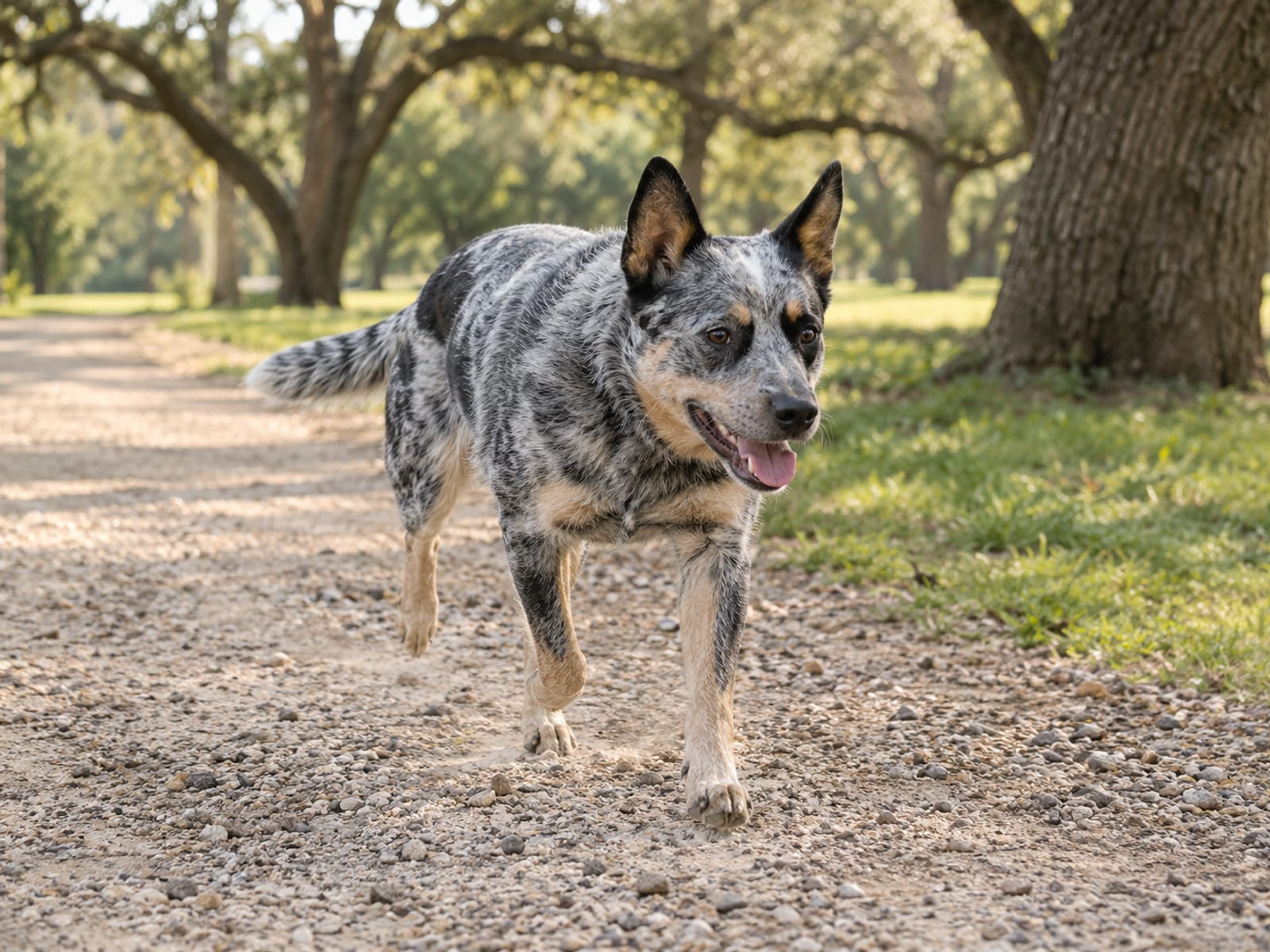
MDR1, also called ABCB1, is a gene variant linked to sensitivity to certain drugs. UC Davis says two copies are likely to cause severe multidrug sensitivity, and some dogs with one copy may also show clinical signs. The condition has incomplete penetrance, so a result is a flag to discuss with your vet. It comes up most often with possible herding-breed ancestry, and it can turn up in some mixed-breed dogs.
Here is the plan I'd follow. Save the whole report, every page of it. Tell your vet about the MDR1 result at your next visit, and again before any future medication or sedation. UC Davis says MDR1 results should be shared with your dog's vet before pharmacological treatment. Your vet decides which drugs and amounts are right for your dog, so do not change, stop or skip anything on your own because of a consumer report.
What does a degenerative myelopathy result mean?
Degenerative myelopathy is a progressive spinal cord disease, and some reports screen for the SOD1A variant linked to it. Cornell says dogs with two copies are at higher risk, but developing the disease is not guaranteed. A dog with one copy may still carry some risk, and breed-specific modifiers can affect progression.
So, this is a clear example of risk that is not certainty. A marker result cannot diagnose it. Cornell says no single test diagnoses degenerative myelopathy in a living dog, and a workup may include a neurological exam, blood work, imaging and spinal-fluid analysis. If your dog is stumbling, dragging a paw or weak in the back legs, see your vet about the symptoms instead of waiting on a genetic report. Our guide to the signs of a healthy dog helps you notice changes early, and you can find a veterinarian in our directory.
When does a vet order clinical tests instead, and what should you bring?
A genetic report tells you about inherited markers. A clinical test tells your vet what is happening in your dog right now. When a dog has symptoms, a vet may order a physical or neurological exam, blood work, urinalysis, imaging, an eye exam, cardiac testing or another targeted test, depending on the question. A vet may also use a veterinary genetics laboratory when a precise, disease-specific test is needed. AAHA says vet teams should judge a genetic test's scientific merit and predictive value before relying on it, and that mixed-breed owners may consider DNA testing to learn about breed-specific risks or tendencies. A consumer report never replaces a clinical workup.
If acute symptoms show up, such as collapse, trouble walking or severe distress, go to an emergency vet rather than waiting for a regular appointment. The report is not the emergency; the symptoms are.
Bring this to the appointment:
- The complete report, not only a screenshot of one result.
- The test company and laboratory name, plus the report date.
- The exact gene, variant and genotype.
- Your dog's age, breed history if you know it, symptoms and medical records.
- A list of current medication and preventive products.
- Your questions about whether confirmatory or clinical testing makes sense.
If a puppy is involved, our new puppy checklist covers records for the first vet visit. A breed estimate or marker also does not diagnose conditions like hip dysplasia; our hip dysplasia guide explains how that is assessed. If you wonder how a genetic finding could affect coverage, ask the insurer directly, and read our pet insurance guide for the questions to bring.
What do the kits cost, what do they include, and how long do results take?
These are company-published prices and turnaround times shown in October 2026. They can change, so check the company's page before you buy. This table is a snapshot of published prices; it does not rank or recommend any company.
Tap or hover a row to highlight it.
| Product | Published price | Published inclusions | Published turnaround |
|---|---|---|---|
| ProductWisdom Panel Breed Discovery | Published price$89.99 sale, $99.99 listed | Published inclusions430+ breeds, MDR1, relatives, three behavior tests | Published turnaround2 to 3 weeks after lab receipt |
| ProductWisdom Panel Essential | Published price$95.99 sale, $119.99 listed | Published inclusions430+ breeds, 25+ health tests, relatives, behavior and traits | Published turnaround2 to 3 weeks after lab receipt |
| ProductWisdom Panel Premium | Published price$127.99 sale, $159.99 listed | Published inclusions430+ breeds, 270+ health tests, relatives, 25+ behavior tests, 50+ traits | Published turnaround2 to 3 weeks after lab receipt |
| ProductUC Davis VGL MDR1 test | Published price$58 for one test, $27 as an additional health test | Published inclusionsTargeted MDR1 testing through a veterinary genetics laboratory | Published turnaroundAt least 15 business days |
| ProductUC Davis VGL genetic-diversity test | Published price$90 for one animal, $74 with a diagnostic test | Published inclusionsGenetic diversity, not breed identification | Published turnaroundAt least 15 business days |
Turnaround starts when the lab receives your sample, so allow for mailing time too. A low-cost targeted test, like the MDR1 test above, answers one health question and does not give you ancestry, relatives or a broad health panel. Some shelters, rescues, universities or community programs may subsidize testing, but that is local, so ask them directly.
When you choose, start with your question. If you only want to know what a rescue is mixed with, a breed-only kit answers that. If you want health markers, pick a kit that lists them, and expect to take the results to your vet either way.
Is dog DNA registration required anywhere, and how is it different from a microchip?
It is not a universal US requirement. Where it exists, it comes from a particular city, apartment complex, HOA, condominium or property-management policy. Check your lease, HOA rules, local ordinance or property manager's written policy before you assume you need it.
PooPrints describes a community program in which residents register a dog with a cheek swab, and a sample of unscooped waste can later be compared with the registered profiles. That is an identity and enforcement service, not a breed-ancestry test, so a kit from the shelf is not a substitute. The Italian town of Carmagnola runs an official municipal version with saliva profiles and fines, which shows that rules can be local, not that US owners generally need one.
A microchip is different. AAHA describes it as an implanted identification technology that connects a chip number to the animal and owner records. It holds no breed ancestry and no health-marker report. A DNA profile comes from biological material and can be compared with another sample. If your dog is not microchipped, ask your vet about it separately.
Questions people ask about dog DNA tests
These short answers cover the questions that come up most.
Is dog DNA registration required anywhere, and how is it different from a microchip?
Only where a city, property or community sets the rule, so ask your property manager or local authority for it in writing. A microchip stores an identification number linked to your contact details, while a DNA profile is made from a cell sample and matched against another sample.
Are dog DNA tests really accurate?
It depends on the test. A targeted test for one known variant can be highly reliable for that variant, while breed percentages are estimates that depend on the company's reference dogs, markers and algorithm. Small percentages are the least certain, and no consumer breed report proves a dog is purebred.
Do vets recommend dog DNA tests?
AAHA's guidance says vets may consider DNA testing for mixed-breed dogs to look at possible breed-specific risks, and that teams should judge a test's scientific merit and predictive value first. Many owners buy a kit on their own, and AAHA notes you can bring the report to your vet for interpretation. Ask yours whether a result changes anything for your dog.
How long do dog DNA test results take?
Wisdom Panel lists 2 to 3 weeks after the lab receives the sample, and UC Davis lists at least 15 business days for its targeted tests. Mailing time comes before that, so plan for longer than the number on the box.
What to do next
Decide what you want to learn first: breed mix, health markers or one specific question like MDR1. Check the current price and what the kit includes, collect the swab the way the lab says to, and keep the complete report when it arrives. Then show any health finding to your vet, bring the list above, and let your vet decide what, if anything, to do next. Cal and the DogServ team will keep adding guides like this one, and the vets in our directory are a good place to start if you want someone to read the report with you.
Quick check: dog DNA tests
Sources
- American Animal Hospital Association: AAHA's 2025 article on genetic testing
- American Animal Hospital Association: AAHA's canine life stage guidance
- American Animal Hospital Association: AAHA
- comune.carmagnola.to.it: Carmagnola
- Cornell University College of Veterinary Medicine: Cornell's Riney Canine Health Center
- Cornell University College of Veterinary Medicine: Cornell
- pooprints.com: PooPrints
- UC Davis School of Veterinary Medicine: UC Davis Veterinary Genetics Laboratory
- UC Davis School of Veterinary Medicine: UC Davis VGL genetic-diversity test
- wisdompanel.com: Wisdom Panel Breed Discovery
- wisdompanel.com: Wisdom Panel's support page