
Opening a Dog Boarding Kennel or Daycare in Alabama: Zoning, Permits, Beau’s Law and What the Lease Must Say
By Cal Hewitt · Published
Business guides
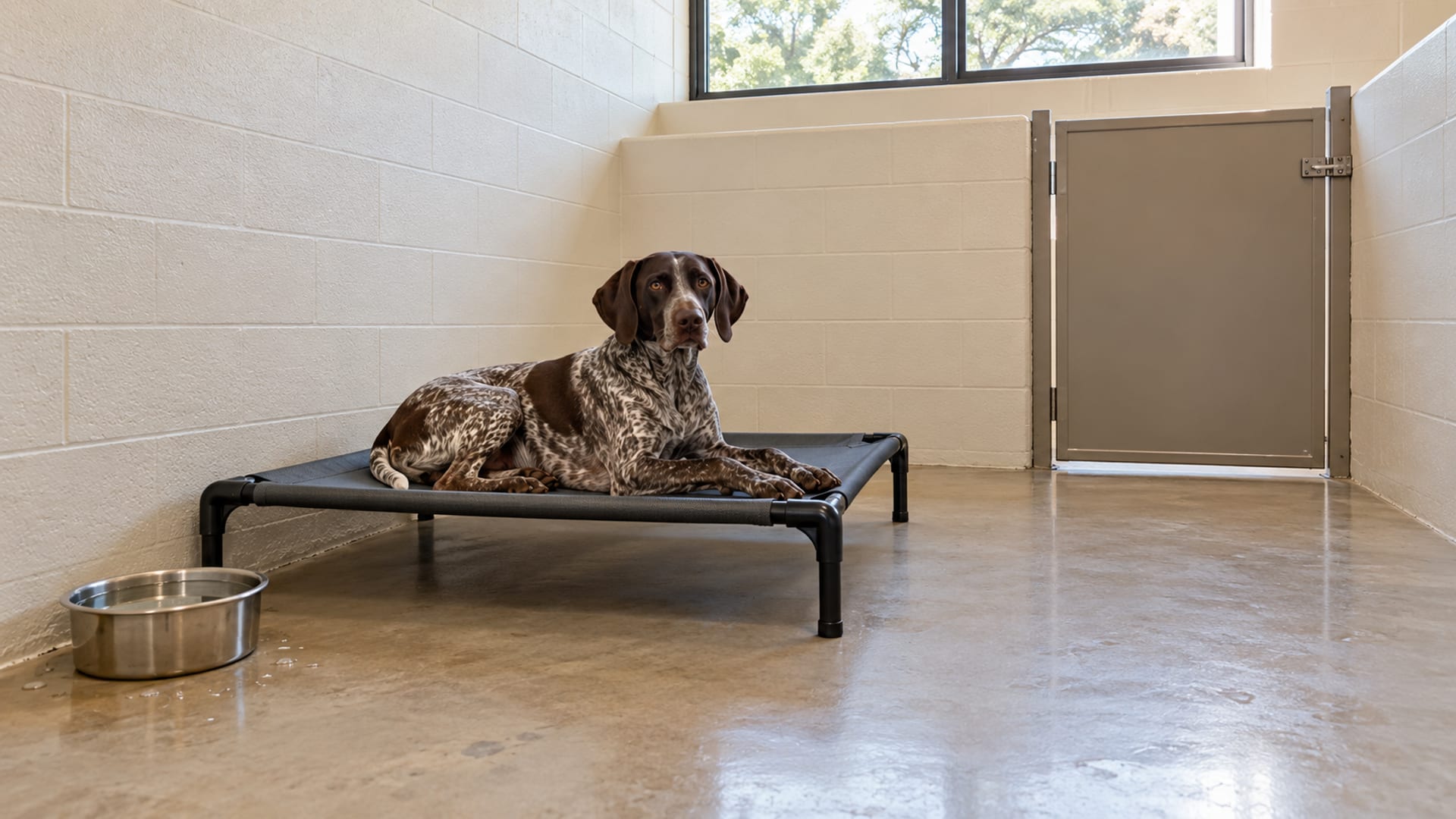
Before you lease or build a dog boarding kennel or daycare in Alabama, verify the address with the local planning and zoning office. The Alabama Animal Industries dog page covers rabies vaccination and certificates of veterinary inspection for dogs entering the state, so ask Animal Industries directly for the state-level licensing answer. Then contact the building, fire, health, animal-control and business-license offices that govern the property. Form the business, register your taxes, check whether USDA APHIS applies, and get written approvals before construction or before the first dog arrives. Local zoning decides whether boarding, daycare, outdoor runs and noisy uses are allowed. And since October 1, 2026, Alabama's Beau's Law exempts a boarding kennel with secure enclosures for temporary boarding from its tether and outdoor-enclosure rules, but it has no general daycare exemption.
Key takeaways
Tap a card to bring it forward.
- Get written zoning verification for the exact parcel before you sign a lease or buy property.
- Ask Alabama Animal Industries for the state-level licensing answer; the approvals that decide your site come from city and county offices.
- Birmingham treats animal boarding facility, animal day care and animal kennel as separate zoning uses.
- Beau's Law (SB361) has been in force since October 1, 2026; boarding kennels with secure enclosures are exempt from its tether and enclosure rules, daycare yards are not.
- Run the APHIS licensing assistant if you will ship or receive dogs without the owner present.
- Birmingham boarding examples from September 2026 run from a $37.36 Rover average to $48 a night at one animal hospital; those are customer prices, not an earnings forecast.
Does Alabama have a state kennel license, or do local offices decide?
You are probably close to committing real money, and the worst outcome is signing for a building that can never legally hold dogs. So, start with who decides what.
At the state level, the Alabama Department of Agriculture and Industries Animal Industries division publishes its dog information around dogs entering Alabama: certificates of veterinary inspection, rabies vaccination at three months of age and then on the vaccine's licensed interval, matching vaccination certificates and tags, and electronic certificates. Put the question "Does my boarding kennel or daycare need a state license?" to Animal Industries itself; its contact details are in the Agriculture and Industries office directory.
The approvals that decide whether your site works are local: zoning, building, fire, health, animal control, and the county and city license offices. A business license alone does not make a location legal.
What to do this week, before you sign anything
I'd keep the first week simple. Write down exactly what you plan to offer: overnight boarding, daycare only, or both, plus any grooming, training or pickup and drop-off. Those are not always the same use in a zoning code, and the answer you get depends on the question you ask.
Next, identify the exact parcel and whether it sits inside city limits or in unincorporated county land, because that changes which offices you deal with. Then:
- Ask planning and zoning for written confirmation that your use is allowed there, and whether a conditional use or special exception applies.
- Ask about outdoor-run, setback, noise and waste rules.
- Ask the building office about permits and occupancy, and the fire marshal about life safety.
- Call the health and animal-control offices.
- Put approval contingencies into any lease draft, and hold off signing until you understand the conditions.
Which offices approve the site, and in what order
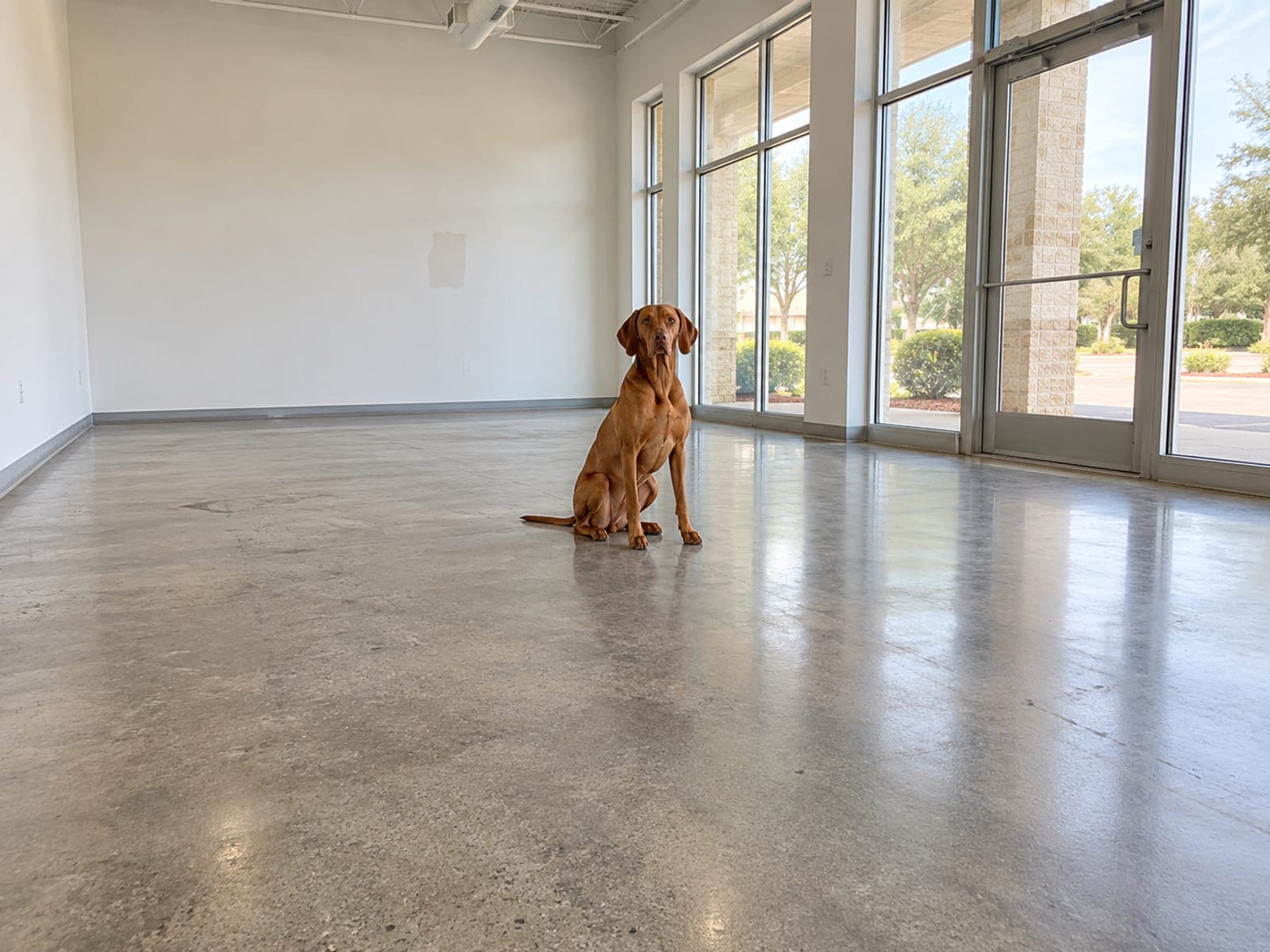
Planning and zoning comes first. They answer whether the use is permitted by right or needs a conditional use or special exception, and which setbacks, outdoor-run limits and noise rules apply. An application generally asks for the use, the parcel, a site plan, building plans and operating details. Hearing and appeal steps vary by jurisdiction, so ask for them in writing.
The building or permitting office handles building, electrical, plumbing and mechanical permits. Mobile shows how this fits together: its Build Mobile forms page lists Planning and Zoning, Permitting, Inspections and Engineering Permitting, plus commercial plan-review and commercial certificate-of-occupancy forms.
The fire marshal reviews alarms, exits, sprinklers and emergency access. The health department comes in where wastewater or sanitation triggers a review, and animal control can have local kennel limits and nuisance rules.
The last approval before dogs arrive is the commercial certificate of occupancy. Ask whether the existing certificate covers animal care or whether the change of use needs a new one.
Is boarding or daycare allowed at the property, and what must the lease confirm?
Zoning codes often split dog businesses into more than one use. Birmingham's zoning material separates three:
- Animal boarding facility: indoor overnight boarding, care and grooming.
- Animal day care: daytime care and grooming without overnight stays.
- Animal kennel: a broader use that can include care, breeding, boarding, training or selling.
That material lists animal boarding facilities as permitted, with conditions, in the AG, MU-H, MU-D, C-2, I-1, I-2, I-3 and PRD districts. Outdoor exercise yards must be fenced and used only from 7 a.m. to 7 p.m. with a staff person present, outdoor kennels or runs are not permitted, a 50-foot setback from adjacent residences applies in stated circumstances, and waste must be contained and disposed of in a sanitary way. Individual zoning decisions can also exclude these uses from a particular development. Confirm the current text for your parcel with Birmingham Planning, Engineering and Permits.
In Mobile, the Build Mobile page carries the use table and use regulations. Check your parcel against the current table rather than assuming your use fits.
Once you know what zoning allows, write it into the lease. It should confirm the exact zoning classification; whether boarding, daycare, grooming and training are separate uses; whether the use is permitted by right or conditional; whether outdoor yards and fencing are allowed; setbacks, hours, noise, odor and waste conditions; parking, signage and access; the occupancy classification; who pays for permits and code upgrades; and a termination or contingency right if approvals fail. That last item protects you most.
Beau’s Law (SB361), in force October 1, 2026: what it means for runs and yards
Alabama's Beau's Law, Senate Bill 361, was enacted April 13, 2026 and took effect October 1, 2026; legislative tracking identifies it as Act 2026-427. It sets statewide rules for dogs tethered or confined outdoors.
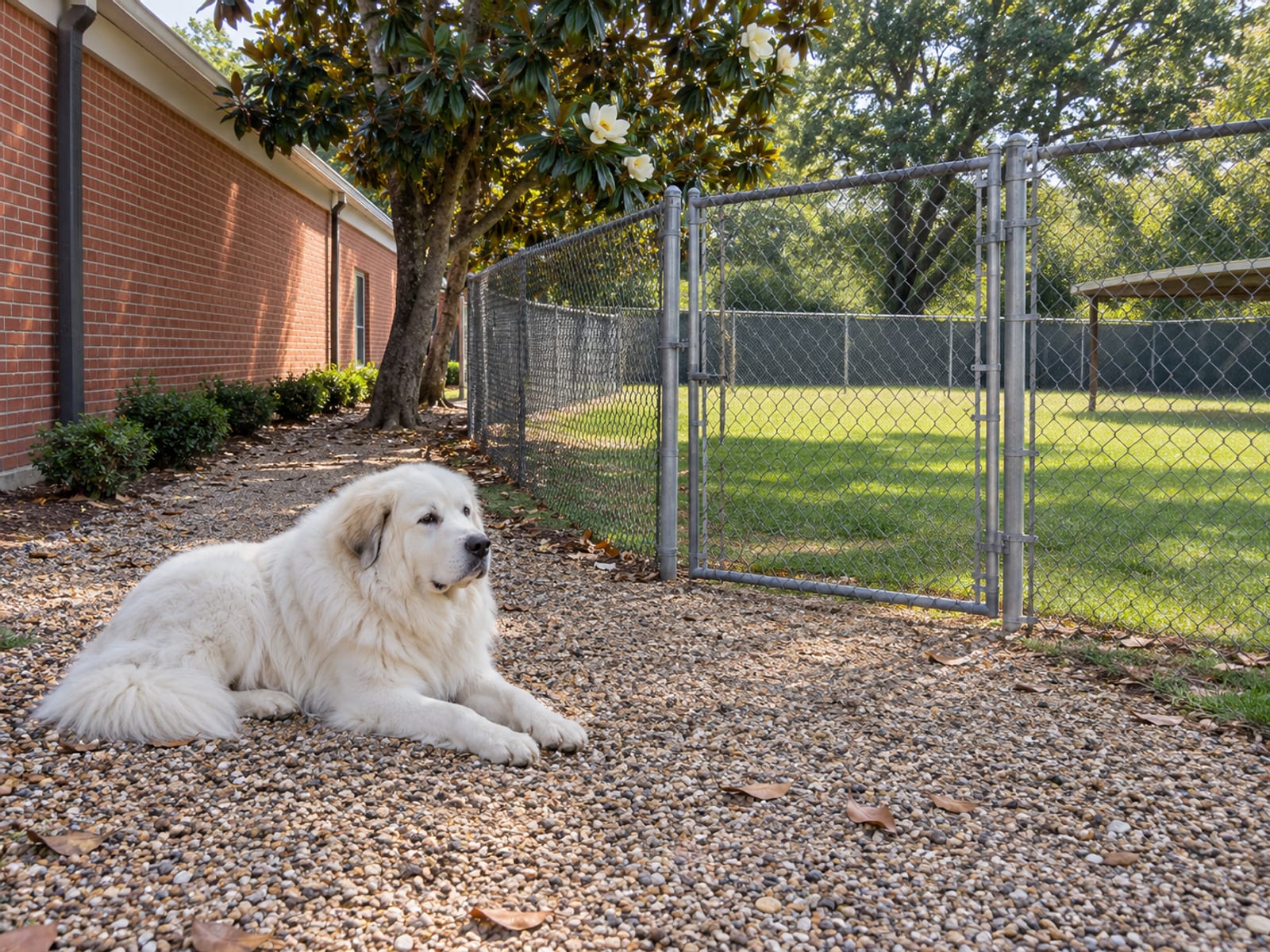
Section 2(a) requires a tethered dog to be on a one-dog trolley system with a properly fitted collar or harness, a swivel at both ends, no entanglement and continuous access to adequate food, water and shelter. Section 2(b) requires an outdoor enclosure to be secure, fully fenced and roomy enough for free movement, with the same access. Section 3 sets the shelter standard: dry and protected, shaded and bedded for cold when necessary, fully enclosed with a solid floor, big enough to stand, turn, lie down and stretch out, ventilated, kept clean, and open to the dog at all times.
The part that matters most to you is Section 2(c)(2). It exempts "a boarding kennel or public or private animal shelter with secure enclosures for the temporary boarding or housing of dogs" from Sections 2(a) and 2(b). That wording turns on secure enclosures and temporary boarding, so keep a written record of how your runs and stays fit it. The Section 3 shelter standards are written separately from that exemption.
There is no general daycare exemption. A daycare yard should meet Section 2(b) unless the facility qualifies as a boarding kennel. A licensed grooming shop is exempt during grooming (Section 2(c)(6)), and Section 4 allows tethering near a business while the owner is inside, for a reasonable time given the weather and in a reasonable nearby spot.
SB361 has no express preemption clause, so local rules still apply. Huntsville requires a trolley system or a chain-link kennel run of at least 200 square feet, and does not allow unattended outdoor dogs to be chained. Birmingham zoning counts outdoor runs as part of an animal kennel; confirm the current ordinance with Birmingham Planning, Engineering and Permits.
Counties and cities may appoint animal-control officers to investigate. With probable cause, a certified law-enforcement officer, including one serving as an animal-control officer, may remove a dog whose life is in danger or order the owner to provide care, subject to hearings under Alabama Code Sections 13A-11-244 and 13A-11-245. A violator pays the full cost of boarding and veterinary care.
Tap or hover a row to highlight it.
| Violation | Class | General maximum fine |
|---|---|---|
| ViolationFirst | ClassClass C misdemeanor | General maximum fine$500 |
| ViolationSecond | ClassClass B misdemeanor | General maximum fine$3,000 |
| ViolationThird or later | ClassClass A misdemeanor | General maximum fine$6,000 |
The act sets no dollar fine of its own; the maximums come from Alabama Code Section 13A-5-12. Before you design runs and yards around the exemption, ask the animal-control office that enforces the law at your address these questions in writing, and keep the reply:
- Does the Section 2(c)(2) boarding-kennel exemption also lift the Section 3 shelter standards for my runs?
- Does a daycare-only operation count as a "boarding kennel"?
- What records do you want to see to show the exemption applies?
Which business registrations and taxes do you need?
The IRS starting a business page covers choosing a structure, getting an EIN, business taxes and recordkeeping, and points you to the state for state requirements. You apply for the number through the IRS EIN page.
If you form an LLC, the Alabama Secretary of State charges $200 for a domestic LLC and $150 for a foreign LLC, and requires a name reservation first.
The Alabama Department of Revenue says the state and county privilege license is issued by your county Probate Judge or License Commissioner. ALDOR does not administer city licenses, so check with your city's business-license office separately. Register state tax accounts through ALDOR's business registration page, and look at the business privilege tax, which applies to entities organized under Alabama law or doing business in Alabama, subject to its exemptions and filing rules. Ask the county and ALDOR how these apply to you.
Tap or hover a row to highlight it.
| Item | Figure | Source |
|---|---|---|
| ItemDomestic Alabama LLC filing fee | Figure$200 | SourceAlabama Secretary of State |
| ItemForeign Alabama LLC filing fee | Figure$150 | SourceAlabama Secretary of State |
| ItemAPHIS license fee cited in regulations | Figure$120 | SourceAPHIS regulations |
| ItemAPHIS licensing assistant | Figure5 to 15 minutes | SourceAPHIS |
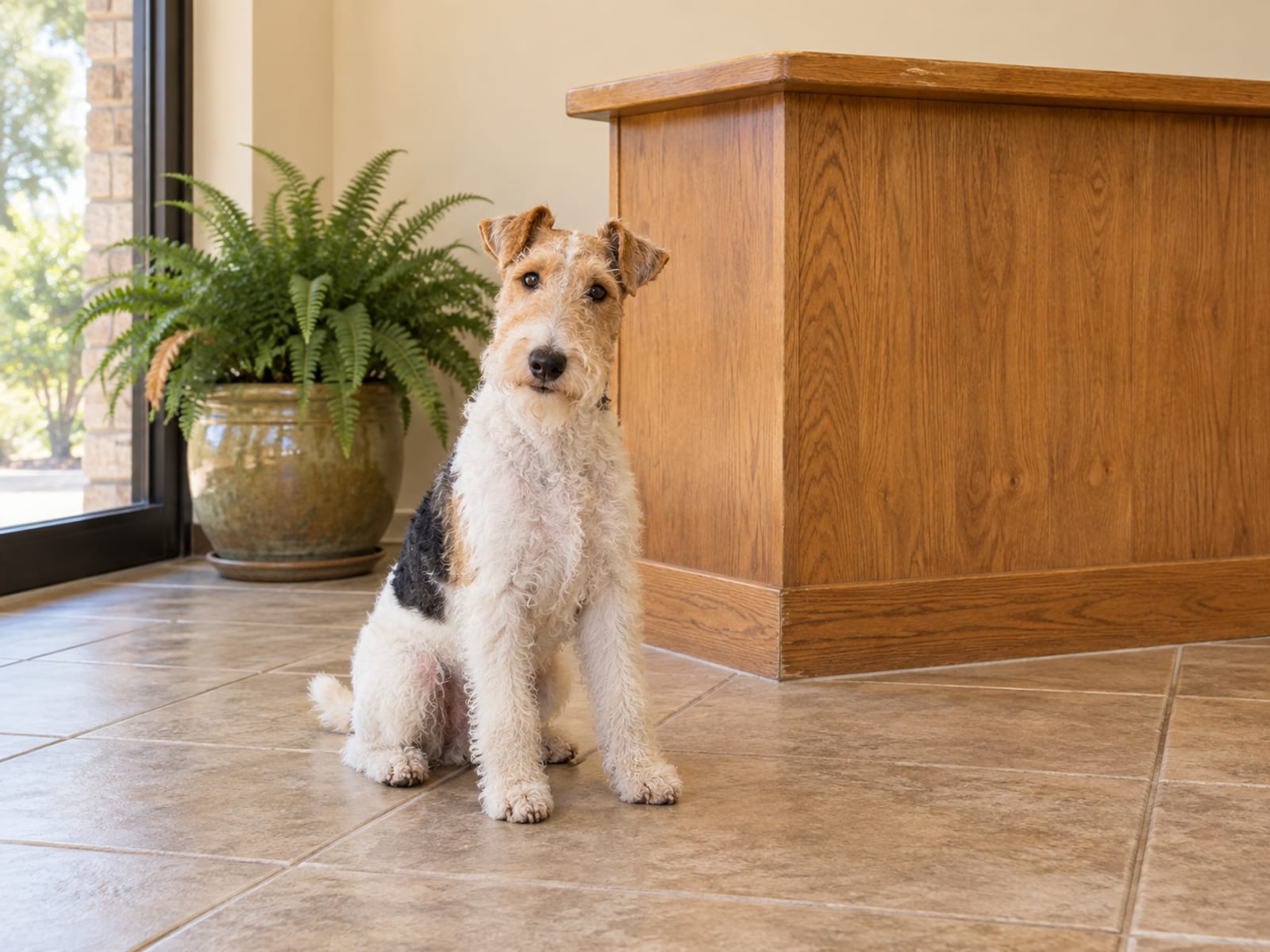
Does USDA APHIS apply to your kennel?
Federal licensing does not reach every boarding facility, but one activity can pull you in. APHIS regulates businesses covered by the Animal Welfare Act, and the owner of a regulated business must be licensed or registered.
Per the APHIS transportation guidance, a boarding kennel may fall under transportation registration when it takes responsibility for shipping animals, or receiving them during or after shipment, without the owner physically present. Transportation of pets that stay in their owners' custody is not regulated the same way. So, a pet taxi or shipping service changes the question.
Run the APHIS online licensing assistant; it takes 5 to 15 minutes and tells you whether a license or registration is needed. The application asks for every location where animals, equipment and records are kept, the animals you expect, and certain animal-welfare disclosures, and the regulations cite a $120 license fee.
What operating standards should you put in writing?
Written policies are what an inspector, insurer or customer will ask to see. The International Boarding and Pet Services Association (IBPSA) offers voluntary guidance here; it is trade guidance, not Alabama law, unless a local code adopts it.
IBPSA's consumer guidance tells pet owners to ask about evacuation plans, someone on site at all times, climate control and a stated provider-to-pet ratio, so have those answers on paper. IBPSA's infection-prevention standards cover vaccination, disease prevention and sanitation. A practical written policy can include:
- Intake and vaccination records for every dog.
- Separation by compatible play group, size, age, health status and behavior.
- An isolation area for dogs showing illness.
- Direct supervision during group play.
- Documented cleaning and disinfection.
- Emergency contacts and an evacuation plan, including severe weather.
- Staff training and incident records.
Set your vaccination policy with your veterinarian. Then take your actual services to an insurance agent, covering boarding, daycare, transport, grooming and employees, and ask what the policy excludes for bites, escapes, veterinary expenses and employee injuries.
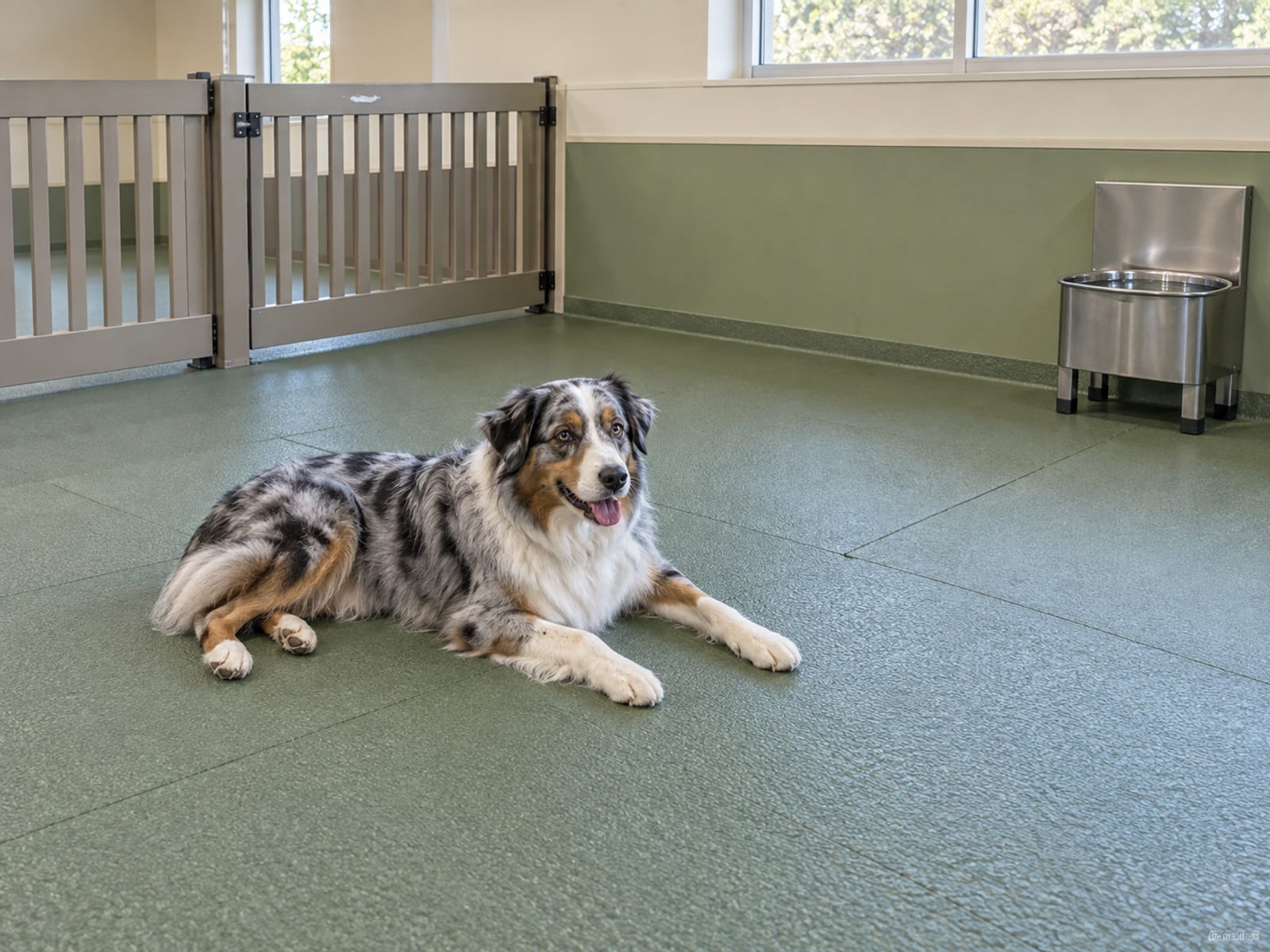
What do Birmingham customers pay for boarding and daycare?
Local prices help you set rates. They are customer prices only and say nothing about your costs, occupancy or profit.
Birmingham Animal Hospital + Resort says its boarding includes at least four potty breaks and one play session a day. Rover's Birmingham boarding page lists an average of $37.36 a night as of September 2026 and notes that sitters set their own rates; Rover's Birmingham daycare page lists a median of $30 a day.
Tap or hover a row to highlight it.
| Service | Price | Source |
|---|---|---|
| ServiceRegular dog boarding | Price$48 per night | SourceBirmingham Animal Hospital + Resort |
| ServiceSmall dog boarding | Price$43 per night | SourceBirmingham Animal Hospital + Resort |
| ServiceVIP boarding | Price$85 per night | SourceBirmingham Animal Hospital + Resort |
| ServiceHalf-day daycare | Price$20 | SourceBirmingham Animal Hospital + Resort |
| ServiceFull-day daycare | Price$35 | SourceBirmingham Animal Hospital + Resort |
| ServiceMonthly daycare subscription | Price$480 | SourceBirmingham Animal Hospital + Resort |
| ServiceBoarding average | Price$37.36 per night (September 2026) | SourceRover |
| ServiceDaycare median | Price$30 per day | SourceRover |
Keep the dates with these numbers. If you are opening in Huntsville, Mobile, Montgomery or a smaller town, compare two or three local rates before you set yours.
Questions about home boarding, the outdoor-dog law and out-of-state dogs
These answers cover boarding from home, what Beau's Law bans outright, and paperwork for dogs coming from another state.
Do I need a license to board dogs in my home in Alabama?
You still need the county privilege license from the Probate Judge or License Commissioner and any city license. Whether you can board at home at all is a zoning and animal-control question, because home-business restrictions and kennel limits differ by city and county. Ask your zoning office in writing before you take paying guests.
What is the new Alabama law about dogs kept outdoors?
Beau's Law (SB361), in force since October 1, 2026, sets trolley, enclosure and shelter rules for outdoor dogs. It bans tethering with a logging chain, choke collar or pinch collar, and sets no numeric tether length, minimum run size or hourly limit. Section 7 keeps Alabama's cruelty and neglect laws enforceable alongside it.
What paperwork do dogs coming from another state need?
Alabama Animal Industries requires a certificate of veterinary inspection for dogs moved into Alabama, plus rabies vaccination from three months with a matching certificate and tag. Alabama has not accepted APHIS Form 7001 for small-animal interstate movement since January 1, 2019, and accepts electronic certificates through Global Vet Link and AgView.
Your next step: one written answer from planning and zoning
Everything else waits on written confirmation from your planning and zoning office that boarding, daycare or both are allowed at your address, and on what conditions. Get it before you sign, then work down the list. If you plan outdoor runs or a daycare yard, send your three Beau's Law questions to animal control the same week. Each written answer is one less risk riding on your lease.
Sources
- agi.alabama.gov: Agriculture and Industries office directory
- agi.alabama.gov: Alabama Animal Industries dog page
- alison.legislature.state.al.us: Alabama Code Section 13A-5-12
- alison.legislature.state.al.us: Alabama Code Sections 13A-11-244 and 13A-11-245
- alison.legislature.state.al.us: Senate Bill 361
- aphis.usda.gov: APHIS online licensing assistant
- aphis.usda.gov: APHIS
- aphis.usda.gov: regulations
- birminghamanimalhospital.com: Birmingham Animal Hospital + Resort
- buildmobile.org: Build Mobile forms page
- dashboard.rescuedisinfectants.com: infection-prevention standards
- direct.aphis.usda.gov: APHIS transportation guidance
- gisweb.birminghamal.gov: Birmingham zoning
- gisweb.birminghamal.gov: zoning material
- huntsvilleal.gov: Huntsville
- ibpsa.com: consumer guidance
- irs.gov: IRS EIN page
- irs.gov: IRS starting a business page
- revenue.alabama.gov: Alabama Department of Revenue
- revenue.alabama.gov: ALDOR's business registration page
- revenue.alabama.gov: business privilege tax
- Rover: Rover's Birmingham boarding page
- Rover: Rover's Birmingham daycare page
- sos.alabama.gov: Alabama Secretary of State