
Breeding Dogs in Alabama: USDA Thresholds, Beau’s Law, Puppy Paperwork and the Offices to Ask
By Cal Hewitt · Published
Business guides
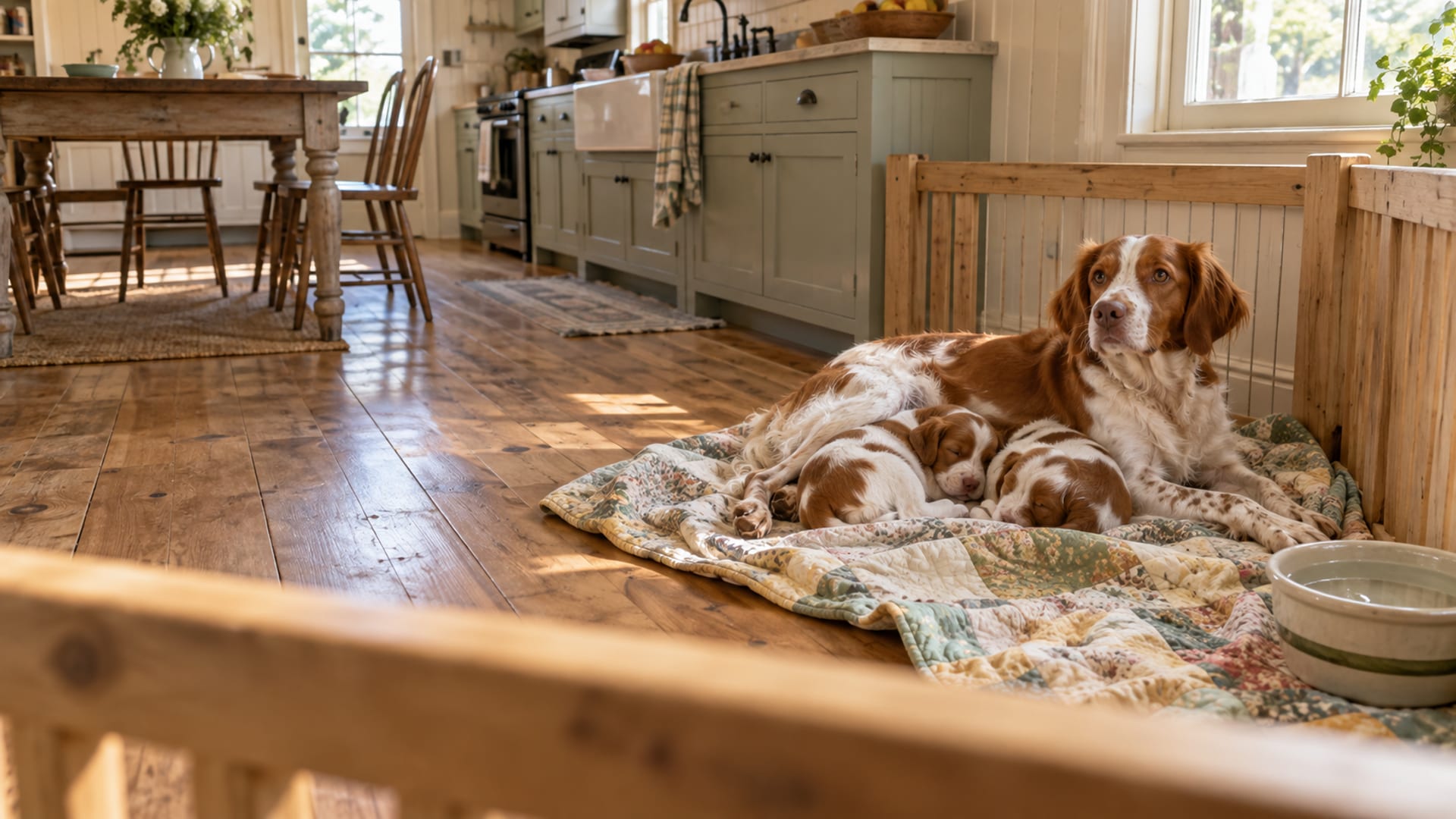
If you breed dogs in Alabama, start with the federal USDA rule and your exact sales model. Under 9 CFR Part 2, §2.1, a person maintaining four or fewer breeding female pet animals may qualify for an exemption when selling only offspring born and raised on the premises for pets or exhibition, and when no other licensing requirement applies. USDA separately identifies wholesale sales, certain remote retail sales and sales to research facilities as activities that may require a license. Alabama, county and city requirements are separate questions. Before you take a deposit, ask USDA APHIS, Alabama Agriculture and Industries, your county license office, your city zoning office and local animal control for written answers. Since October 1, 2026, Alabama’s Beau’s Law (SB361) also sets tether, enclosure and shelter rules for breeding dogs kept outdoors.
Key takeaways
Tap a card to bring it forward.
- The federal exemption covers four or fewer breeding females, only when their puppies are born and raised on your premises and sold for pets or exhibition, and no other license trigger applies.
- Wholesale sales, transfers for later placement, remote sales where the buyer cannot see the dog, and certain research sales are examples USDA APHIS lists as needing a license.
- Beau’s Law took effect October 1, 2026; only a breeder licensed by USDA as a Class A dealer is exempt from its tether and enclosure sections, 2(a) and 2(b).
- Alabama requires dogs three months and older to be current on rabies vaccination, and dogs moved into Alabama need a Certificate of Veterinary Inspection from an accredited veterinarian.
- Your county Probate Judge or License Commissioner issues state and county privilege licenses; each city handles its own license and zoning.
- Puppy payments are taxable income whether the IRS treats the activity as a hobby or a business.
Before you call anyone, write down six facts: how many breeding females live in your household or on your property, where the puppies are born and raised, who buys them, whether sales are direct, remote, wholesale, brokered or for research, whether puppies cross state lines, and whether your property is inside a city or in an unincorporated part of the county. Every office below asks some version of those questions. I’m Cal, and I’m not a lawyer, accountant, veterinarian or insurance agent, so treat this as a map of who decides, not a ruling.
Do you need a USDA breeder license in Alabama with four or fewer females?
Not automatically. The Animal Welfare Act regulations at 9 CFR Part 2, §2.1 exempt a person who maintains a total of four or fewer breeding female pet animals and sells only their offspring, born and raised on that person’s premises, for pets or exhibition, when the person is not otherwise required to hold a license.
The count is not just your own dogs. The exemption does not extend to a household that collectively keeps more than four breeding females, to premises where more than four are kept, or to people acting together who collectively keep more than four. So, if a relative keeps two breeding females on your property and you keep three, the premises total is five. A co-owned litter raised somewhere else raises the same question, so describe it plainly when you ask APHIS.
The regulation only answers the federal question. It does not decide Alabama, county, city, zoning, tax or consumer-protection questions.
Which puppy sales models need a USDA license?
How you sell can matter as much as how many females you keep. USDA APHIS licensing guidance gives these examples of activities that require a license:
Tap or hover a row to highlight it.
| Sales model | What it looks like |
|---|---|
| Sales modelWholesale | What it looks likeSelling dogs at wholesale for pets, hunting, breeding or security, for example through a broker or to a pet store |
| Sales modelTransfer for later placement | What it looks likeTransferring dogs for compensation to a person or organization that places or adopts them out later |
| Sales modelRemote retail | What it looks likeBuyer, seller and dog are not physically together, and the buyer cannot observe the dog before purchase or custody |
| Sales modelRemote sale of imported dogs | What it looks likeThe buyer cannot observe an imported dog before purchase or custody |
| Sales modelResearch | What it looks likeSelling a dog that was not born and raised on your premises for research |
| Sales modelExhibition | What it looks likeExhibiting more than eight dogs |
Remote retail is the example to watch if you sell online. Online ads, payment-app deposits and shipping a puppy to a buyer who never saw it can move a sale into licensed territory. If you move from direct sales to a broker or pet store, ask again.
The same regulation has a narrow research-sale exemption for fewer than 25 dogs or cats a year born and raised on the premises, subject to its conditions. If any part of your plan touches the table, get the current application packet from USDA APHIS Animal Welfare, because forms change.
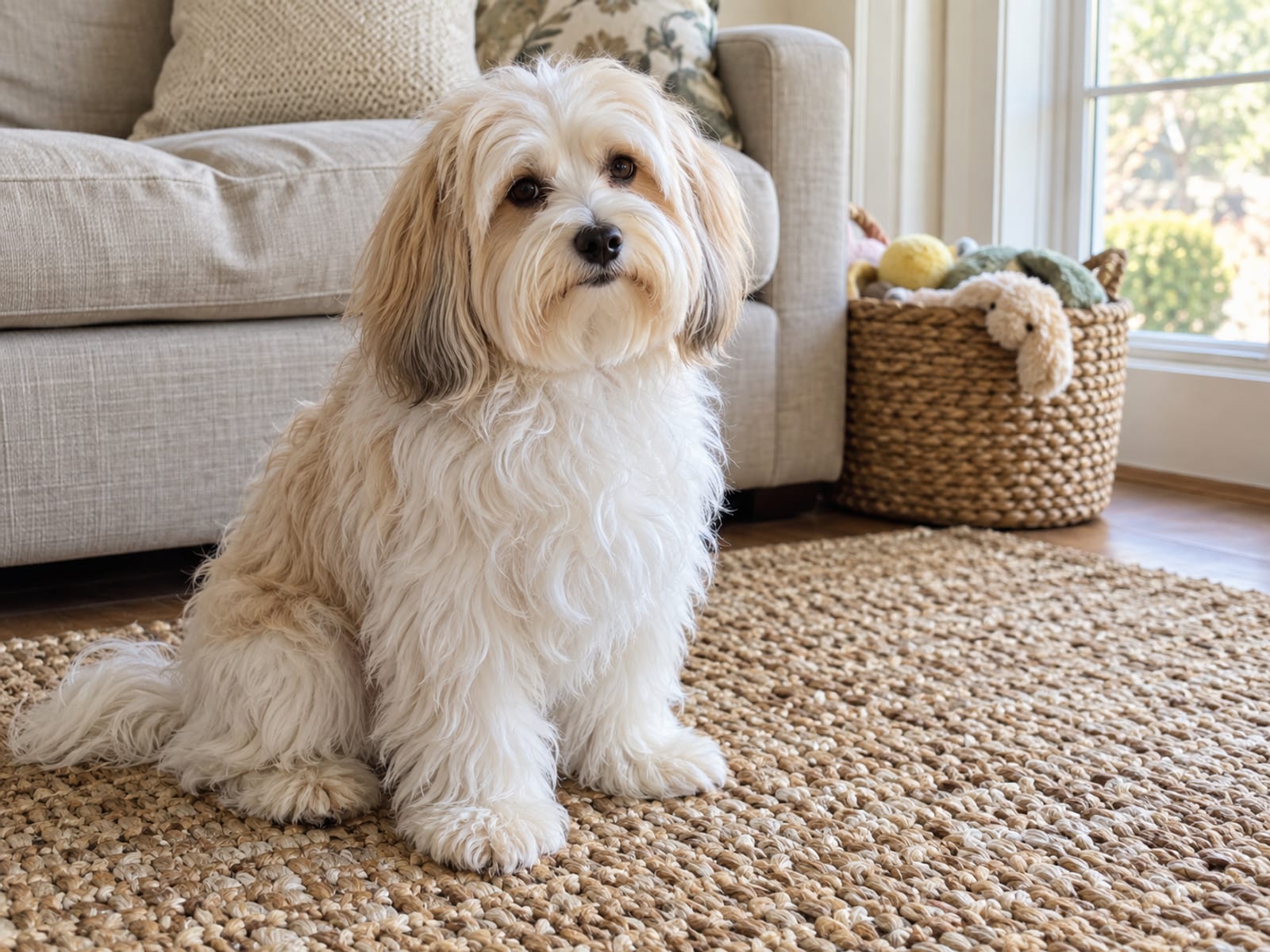
What Alabama requires beyond USDA, and who answers in writing
Before you assume Alabama has, or lacks, a statewide breeder license, a breeding limit, a minimum puppy-sale age or a puppy-buyer law, get a written answer describing your exact operation from these offices:
- The current Code of Alabama, through the state’s legal-code authority; the Alabama Secretary of State contact page lists its Legal Division.
- Alabama Department of Agriculture and Industries, Animal Industries.
- The Alabama Attorney General’s consumer-protection office, about what you promise buyers.
- USDA APHIS, for the federal license.
- Your city or county animal-control office.
Call to find the right person, then ask for the answer by email and keep it with your records. USDA also announced a 2026 review of its dog-welfare regulations covering breeding females, exercise and socialization.
Beau’s Law (SB361): runs, tethers and shelter for breeding dogs kept outdoors
Alabama Senate Bill 361, Beau’s Law, was enacted April 13, 2026 and took effect October 1, 2026; legislative tracking identifies it as Act 2026-427. The enrolled text of SB361 sets statewide rules for dogs tethered or confined outdoors, including breeding dogs in outdoor runs or on tethers.
A tethered dog must be on a trolley system that is not unreasonably heavy, keeps the dog on your property, holds only one dog, attaches to a properly fitted collar or harness, has a swivel at both ends, does not cross an object or edge that could injure or strangle the dog, prevents tangling, and gives continuous access to adequate food, water and shelter (Section 2(a)). A logging chain, choke collar or pinch collar may not be used to tether a dog. An outdoor enclosure must be secure, fully fenced, roomy enough for free movement, keep the dog on the property and give the same continuous access (Section 2(b)). Under Section 3, shelter must keep the dog dry and protected from the elements, with shade and cold-weather bedding when necessary. It must be fully enclosed with an adequate opening and a solid floor, let the dog stand, turn around, lie down normally and extend its limbs, be durable and ventilated, stay free of built-up waste, standing water and debris, and allow unlimited access. The act sets no numeric tether length, minimum run size or general hourly limit.
The breeder exemption is narrow. Section 2(c)(9) exempts “a commercial dog breeder licensed by USDA as a Class A dealer under the Animal Welfare Act” from Sections 2(a) and 2(b) only. It does not exempt every breeder. Without USDA Class A status, set up your runs, tethers and shelter to meet the act. If you rely on the exemption, keep a copy of your current Class A license on file. Other exemptions can touch a breeding program: a dog at an exhibition, trial, show or contest judging skill, breeding or stamina (Section 2(c)(3)); a dog used for obedience or in lawful training to hunt or retrieve (Section 2(c)(4)); and, under Section 4, a dog whose purpose is, or that is being trained in, herding livestock, hunting or retrieving.
City or county animal-control officers enforce the act (Section 5(a)). With probable cause, a certified officer may remove a dog whose life the officer believes is in danger, or order the owner to provide care at the owner’s expense, subject to hearings under Alabama Code Sections 13A-11-244 and 13A-11-245. An officer may also seek a warrant to enter private property.
Tap or hover a row to highlight it.
| Violation | Class | General maximum fine, Alabama Code 13A-5-12 |
|---|---|---|
| ViolationFirst | ClassClass C misdemeanor | General maximum fine, Alabama Code 13A-5-12$500 |
| ViolationSecond | ClassClass B misdemeanor | General maximum fine, Alabama Code 13A-5-12$3,000 |
| ViolationThird or later | ClassClass A misdemeanor | General maximum fine, Alabama Code 13A-5-12$6,000 |
A violator also pays the full costs of boarding and veterinary care. The act sets no separate dollar fine; the maximums come from Alabama Code Section 13A-5-12. Section 7 keeps cruelty and neglect laws enforceable.
Local rules still apply. Section 3 applies “in addition to any other requirement by law,” and the act has no express preemption clause. Huntsville, for example, requires a trolley system or a chain-link kennel run of at least 200 square feet and does not allow unattended outdoor dogs to be chained.
Send your local animal-control office three questions in writing: whether the Class A exemption also lifts the Section 3 shelter standards, how breeders with other USDA license classes are treated, and how an officer verifies Class A status. Until you have answers, meet Sections 2 and 3 unless you hold a USDA Class A license.
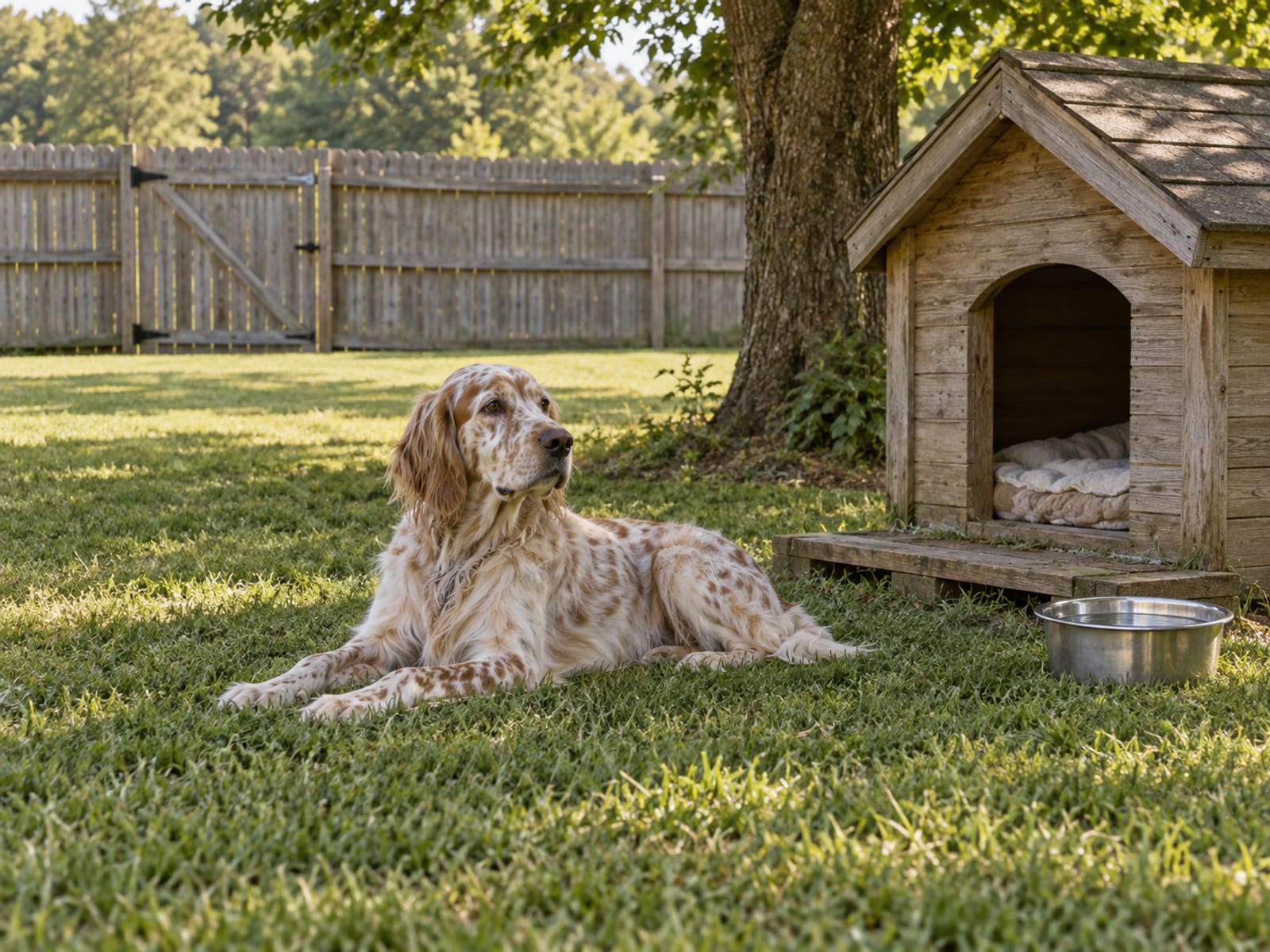
What health documents a puppy needs before it leaves you
Alabama Agriculture and Industries and the Alabama Department of Public Health set out the rabies and certificate points below. ADPH states that Alabama law requires dogs and cats three months and older to be current on rabies vaccination.
Tap or hover a row to highlight it.
| Item | What Alabama says |
|---|---|
| ItemRabies vaccination | What Alabama saysRequired at three months, then by the vaccine label interval |
| ItemPuppies under three months entering Alabama | What Alabama saysMay enter without rabies vaccination |
| ItemCertificate of Veterinary Inspection (CVI) | What Alabama saysIssued by an accredited veterinarian; required for dogs moved into Alabama |
| ItemElectronic certificates | What Alabama saysOptions include Global Vet Link and AgView |
| ItemAPHIS-VS Form 7001 | What Alabama saysNot accepted for small-animal entry since January 1, 2019 |
| ItemExhibition dogs | What Alabama saysA dog or cat at an exhibition that stays no more than 21 days is excluded from the import section |
The Alabama import requirements page covers dogs entering the state. When a puppy leaves Alabama, the destination state sets its own rules, so check them before you agree to a shipping or pickup date. Your veterinarian issues the CVI and records the vaccination; give the buyer copies. Our new puppy checklist and signs of a healthy dog are useful to share with buyers.
Can you keep breeding dogs at home in Alabama?
That depends on your parcel, not on USDA. Local rules can cover zoning, home occupations, kennels, dog numbers, noise, waste and animal licensing, and being inside city limits or in an unincorporated area changes which office you call.
Birmingham’s zoning ordinance defines an animal kennel to include premises used for animal care, breeding, boarding, training or selling, and the Planning, Engineering and Permits Department handles permits. Mobile County Animal Control enforces the county dog-control ordinance in unincorporated communities, so first confirm whether your address is in the county or the City of Mobile. Huntsville Animal Services publishes pet ordinances and licensing information, and Madison County Animal Control says residents of unincorporated Madison County must license dogs and cats at least three months old every year; confirm the current fee with that office.
Tap or hover a row to highlight it.
| Area | Office | What to ask |
|---|---|---|
| AreaBirmingham | OfficePlanning, Engineering and Permits; animal control | What to askKennel use, parcel classification, setbacks, home business, animal numbers |
| AreaUnincorporated Mobile County | OfficeMobile County Animal Control, 251-574-3647 | What to askCounty dog-control ordinance, kennel structures, breeding and sales from home |
| AreaHuntsville | OfficeHuntsville Animal Services, 256-883-3782 | What to askDog licensing, pet ordinances, outdoor run rules |
| AreaUnincorporated Madison County | OfficeMadison County Animal Control | What to askAnnual dog and cat licensing, current fee |
Registering the business and handling taxes
The Alabama Department of Revenue says a privilege license is required for anyone engaged in a business described in Title 40, Chapter 12. State and county licenses are issued by the county Probate Judge or License Commissioner where the business is located, and a license may be required in every county where you do business. Rates vary by license type, population, capital invested and other conditions. The department does not administer city licenses, so check with each city.
The Department of Revenue explains that Alabama’s resale certificate is called a Sales Tax License, applied for through My Alabama Taxes. Whether your puppy-sale model is taxable, and under which classification, is a question to put in writing to the Sales and Use Tax Division and your county or city license office.
For an LLC, the Alabama Secretary of State lists a $200 domestic filing fee, after a name reservation. If you sell under another name, ask about trade-name registration.
The IRS says payments are taxable income whether the activity is a hobby or a business. Profit intent, records, how you run the operation, your knowledge, and your income and losses help separate the two. Our dog breeder license requirements and dog business insurance pages go further on the federal license and coverage types.
What to do this week before you take a deposit
Work through these in order, because each answer shapes the next call.
- Count every breeding female in your household, on your premises and in any shared arrangement.
- Write down where each litter is born and raised.
- Sort buyers: visiting families, remote buyers, pet stores, brokers or research facilities.
- Ask USDA APHIS whether your exact model needs a license.
- Check outdoor runs, tethers and shelter against Beau’s Law, and send animal control your three questions.
- Ask Alabama Agriculture and Industries and your veterinarian about rabies, CVIs and the destination state.
- Ask your county Probate Judge or License Commissioner about the privilege license, and your city about its license and zoning.
- Register an entity or trade name if it fits your plan.
- Ask a commercial insurance agent about animal-care, premises, general liability and business-property coverage.
- Start an income and expense record before the first payment, covering deposits, refunds and payment-app income.
Questions about USDA licensing, sales tax and deposits
These answers cover whether Alabama breeders need a license, when USDA requires one, how puppy sales tax gets decided, and how to treat deposits.
Do you need a license to breed dogs in Alabama?
It depends on your count and your sales model. Four or fewer breeding females selling only home-raised puppies for pets or exhibition may fall under the federal exemption, while your county, city and animal-control office set their own requirements. Beau’s Law’s breeder exemption, though, covers only USDA Class A licensed breeders, and only its tether and enclosure sections.
When does the USDA require a license?
APHIS lists wholesale sales, transfers for later placement, remote sales where the buyer cannot observe the dog, certain research sales and exhibiting more than eight dogs. Keeping more than four breeding females across a household, premises or shared operation also takes you outside the exemption. Ask again whenever your sales model changes.
Do I collect sales tax when I sell a puppy?
The Department of Revenue issues a Sales Tax License through My Alabama Taxes, but taxability depends on your sales model. Send a written description of your sales to the Sales and Use Tax Division and your county or city license office, and keep the reply with your tax records.
Does a deposit count as a sale?
Record every deposit as income, since the IRS treats payments as taxable income. When you ask APHIS about your sales model, describe your deposit process too, especially if buyers pay before seeing the puppy.
Your next step
Start with the count and the sales map, then send your first written question to USDA APHIS. Once you know where you stand federally, the state and local calls go faster. If you also offer boarding, training or other dog services, you can list your business in the DogServ directory.
Sources
- agi.alabama.gov: Alabama Agriculture and Industries
- agi.alabama.gov: Alabama Department of Agriculture and Industries
- agi.alabama.gov: Alabama import requirements page
- alison.legislature.state.al.us: Alabama Code Section 13A-5-12
- alison.legislature.state.al.us: Alabama Code Sections 13A-11-244 and 13A-11-245
- alison.legislature.state.al.us: enrolled text of SB361
- aphis.usda.gov: 9 CFR Part 2, §2.1
- aphis.usda.gov: announced a 2026 review of its dog-welfare regulations
- aphis.usda.gov: USDA APHIS Animal Welfare
- aphis.usda.gov: USDA APHIS licensing guidance
- birminghamal.gov: Planning, Engineering and Permits Department
- birminghamal.gov: zoning ordinance
- huntsvilleal.gov: Huntsville Animal Services
- huntsvilleal.gov: requires a trolley system or a chain-link kennel run of at least 200 square feet
- irs.gov: IRS says
- madisoncountyal.gov: Madison County Animal Control
- media.alabama.gov: Alabama Department of Public Health
- mobilecountyal.gov: Mobile County Animal Control
- revenue.alabama.gov: Alabama Department of Revenue
- revenue.alabama.gov: My Alabama Taxes
- revenue.alabama.gov: The Department of Revenue explains
- sos.alabama.gov: Alabama Secretary of State contact page
- sos.alabama.gov: Alabama Secretary of State