
Alabama Dog Business Emergency Plan: Tornadoes, Hurricanes, Floods, Heat, Power Loss and Beau’s Law
By Cal Hewitt · Published
Business guides
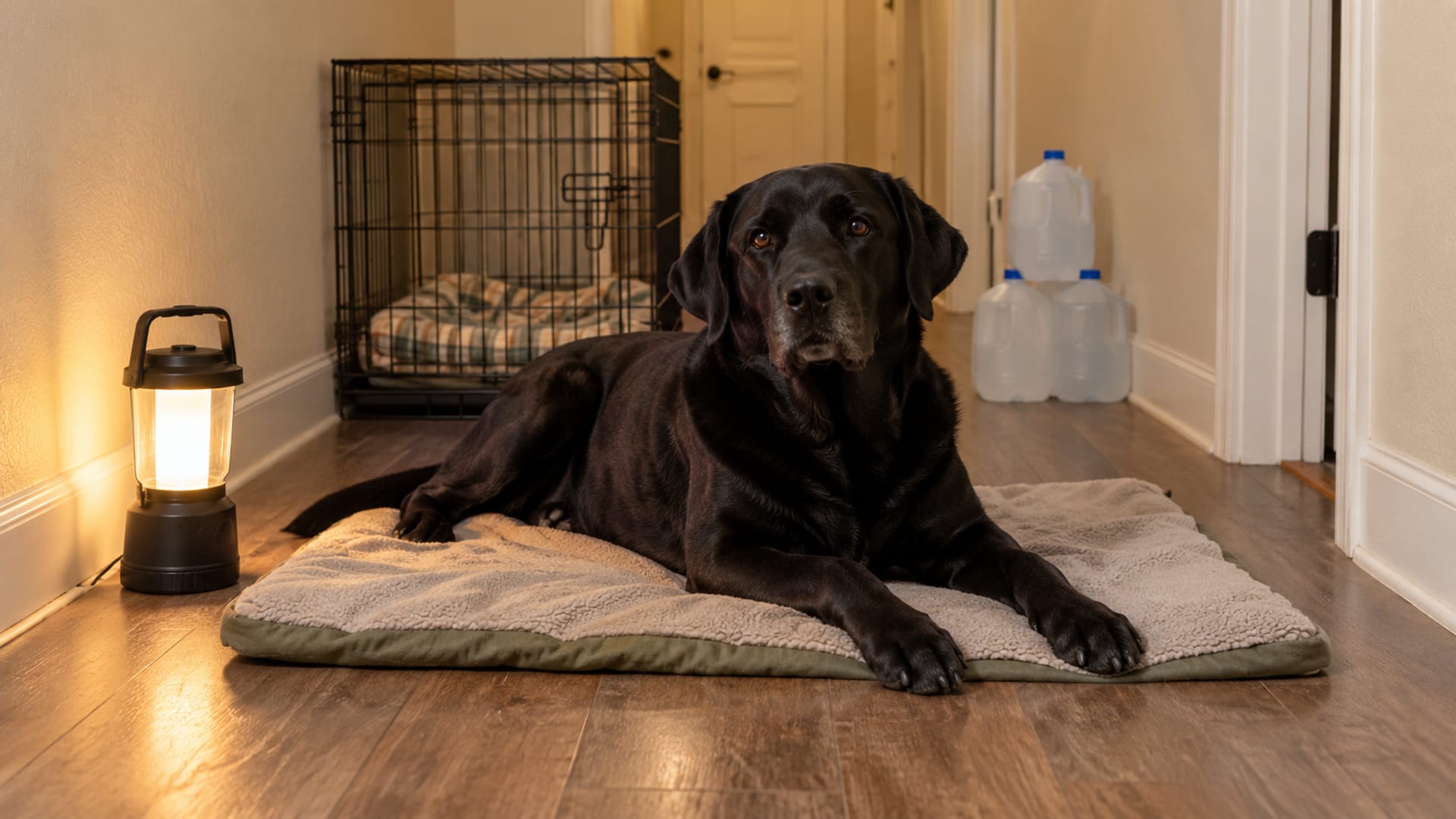
An Alabama dog business needs a written severe-weather plan before dogs are in its care. Decide now when you will close, where dogs and staff will shelter, who carries each dog, how every dog gets counted, which records and supplies travel with them, how you will run through a power outage, and where the dogs go if evacuation is ordered. Don't count on a public shelter: ADPH says most shelters do not allow pets. And since October 1, 2026, Alabama's Beau's Law (SB361) requires outdoor shelter that keeps tethered or penned dogs dry and protected, with no temperature threshold, so your own bring-inside triggers carry the weight.
You can't send other people's dogs home when a warning sounds. Almost every hard call in a storm, though, can be made on a calm afternoon, on paper, with your staff in the room.
Key takeaways
Tap a card to bring it forward.
- Write the plan before dogs are in your care: triggers, a shelter room, a handler for every dog, headcounts, records, power and a destination.
- ADPH says most shelters do not allow pets, so confirm a pet-friendly destination outside the danger area, plus a backup.
- Count every dog before you move, at the shelter, after each transfer and before release, with a second person holding the roster.
- Never drive through floodwater, and never run a generator inside a garage or any other enclosed structure.
- Beau's Law (SB361), in force October 1, 2026, sets a shelter floor for dogs in outdoor runs and yards; write your own weather triggers and put your open questions to animal control in writing.
What an Alabama dog business should settle before the next warning
Five things decide how a storm goes for you: where the dogs shelter, how you count them, what supplies you have, where they go if you must leave, and how owners hear from you. Settle each in writing now. A tornado warning gives you minutes; a hurricane gives you days of shrinking options.
Alabama EMA and ADPH publish the state's preparedness guidance. The state's emergency operations plan, which you can get from Alabama EMA, adds a useful test. Its ESF #11 supports "the evacuation, transportation, sheltering, husbandry of affected animals," and its planning assumptions include impassable roads, widespread and prolonged power outages, contaminated food and water, and shelters stocked with food and water for 72 hours. That plan guides the public response; it is planning guidance for you, not a rule your business must follow. Still, ask yourself: if the road out is closed and the power is off for days, does my plan still work?
The hazards your plan covers, and when to close, shelter, delay intake or evacuate
Alabama EMA lists flooding, severe weather, tornadoes, wildfires, winter storms and extreme cold, extreme heat, and thunderstorms and lightning. ADPH names tornadoes, hurricanes, floods and thunderstorms. Hurricanes are not only a coastal problem; ADPH warns that inland flooding can be severe, so an inland business needs a hurricane section too.
Tap or hover a row to highlight it.
| Hazard | Inside the facility | On walks, play and transport |
|---|---|---|
| HazardTornadoes and severe thunderstorms | Inside the facilityShelter, flying debris, lightning, structural damage | On walks, play and transportImmediate return to a safe building |
| HazardHurricanes | Inside the facilityWind, flooding, evacuation, extended outages | On walks, play and transportBlocked routes, fast water, debris |
| HazardFlooding | Inside the facilityContaminated water, unsafe buildings | On walks, play and transportStanding water, closed roads |
| HazardPower loss | Inside the facilityAir conditioning, lighting, refrigeration, pumps, communications, access controls | On walks, play and transportStaff phones and radios that need charging |
| HazardExtreme heat | Inside the facilityIndoor temperature, cooling, ventilation | On walks, play and transportHot pavement, dehydration, vehicle heat |
| HazardWildfire and winter weather | Inside the facilitySmoke, cold, utility disruption | On walks, play and transportSmoke, wind, ice, road hazards |
Then write your triggers: conditions that make the decision for you once they happen. Base them on official warnings, local emergency instructions, road conditions, facility damage, indoor temperature, power status and staffing. For example, no new intake once a hurricane watch covers your county, or closure if the air conditioning fails and can't be restored. One rule overrides all of them: when local authorities order an evacuation, their instructions control. To hear warnings with the power out, keep a battery-powered alert receiver and sign up for ALalert through Alabama EMA.
Where dogs shelter in a tornado or severe thunderstorm
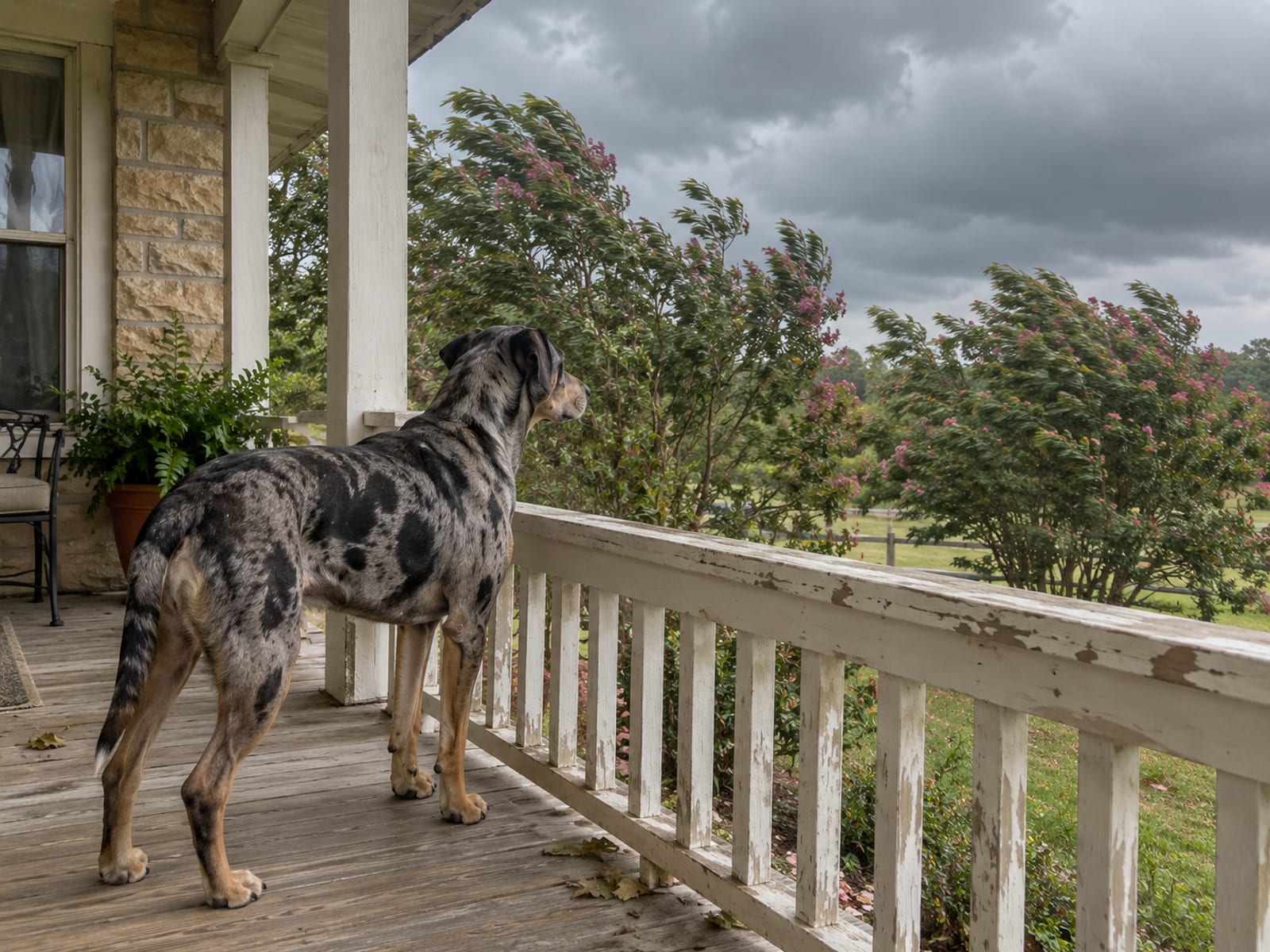
Pick an interior shelter area away from windows and exterior doors, and post the route to it from every dog area. Stage crates, carriers, slip leads, collars and backup leashes nearby. Bring outdoor dogs inside when severe weather threatens; the CDC says dog houses are not safe shelter from lightning.
Give every dog, or every small group, one named handler. Put a second person on the roster and headcount, and where staffing allows, a third on doors, gates, supplies and the phone. Mark the dogs that can't share space or need their own crate or special handling. Count before anyone moves, when everyone reaches the shelter, after any transfer, and before release. Write down what happens if a dog is missing, escaped, injured or separated: who searches, who stays with the group, and who calls the owner.
The room, staffing and assignments are yours to design for your building, so practice them and fix what fails.
Beau's Law (SB361): what it requires for outdoor dogs from October 1, 2026
Alabama Senate Bill 361, known as Beau's Law, was enacted April 13, 2026 and took effect October 1, 2026 (Act 2026-427). It sets statewide rules for dogs tethered or confined outdoors, which gives any weather plan for outdoor runs and yards a legal floor.
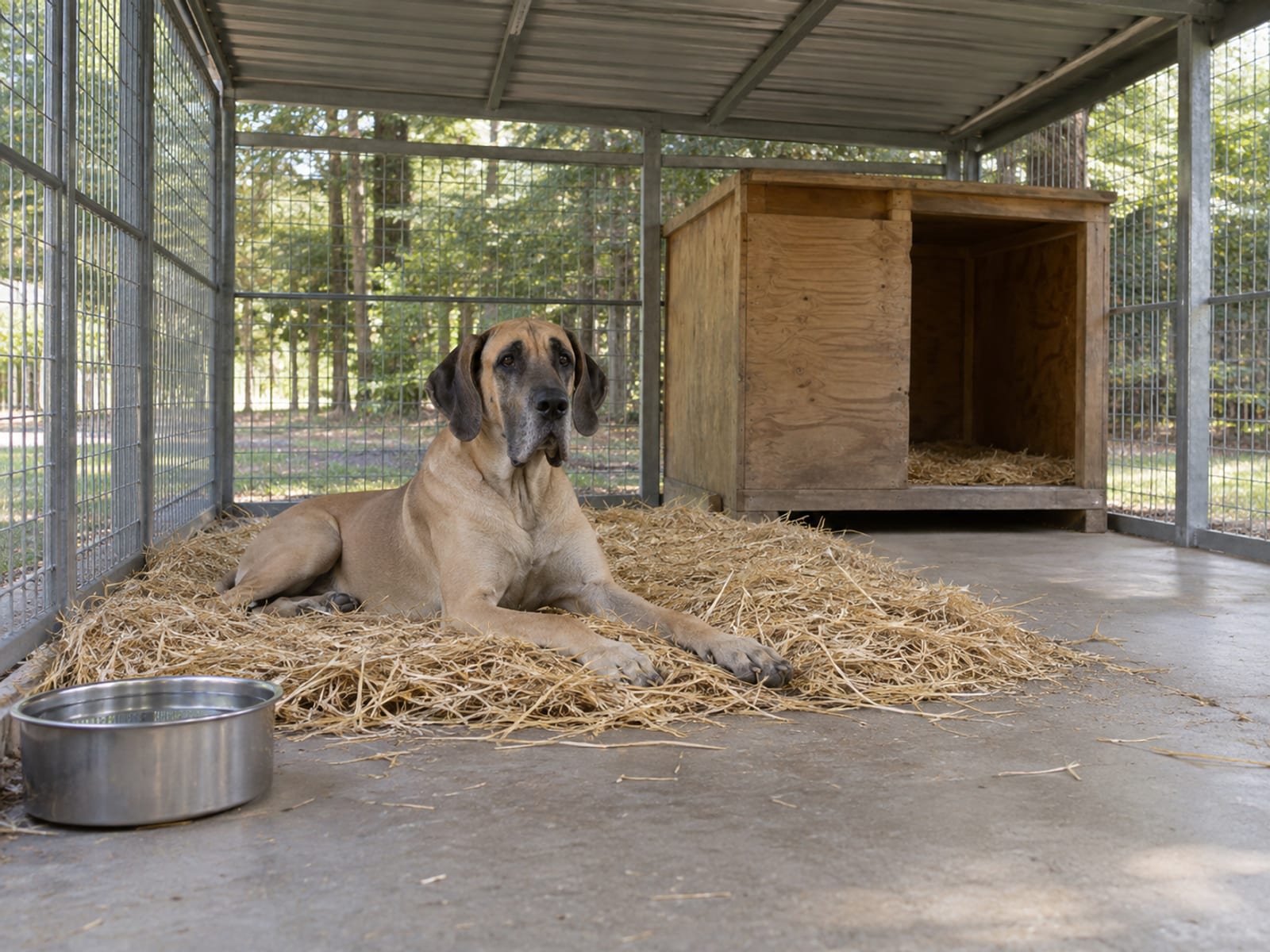
Under Section 3, shelter must let the dog stay dry and protected from the elements and inclement weather, including shade, and bedding for cold weather when necessary. It must be fully enclosed with an adequate opening and a solid floor, roomy enough to stand, turn around, lie down and stretch out, durable and ventilated, and free of accumulated waste, standing water and debris, with unlimited access for the dog. Clear standing water and debris from every outdoor shelter after heavy rain.
A tethered dog must be on a trolley system, one dog per trolley, with a properly fitted collar or harness, a swivel at both ends and continuous access to adequate food, water and shelter (Section 2(a)); a logging chain, choke collar or pinch collar may not be used. An outdoor enclosure must be secure and fully fenced, with the same continuous access (Section 2(b)). A boarding kennel with secure enclosures for temporary boarding or housing is exempt from Sections 2(a) and 2(b) under Section 2(c)(2).
Weather runs through the exemptions. Section 2(c)(7) allows a necessary temporary circumstance, but not beyond a reasonable amount of time with respect to the weather, and Section 4 applies the same test to brief tethering near a business. The act sets no temperature threshold and no general hourly limit. So, write your own triggers for bringing dogs inside during heat, cold and storms.
Animal-control officers appointed by a county or city may investigate, an officer with probable cause may remove a dog whose life is believed in danger, and a violator pays the full boarding and veterinary costs.
Tap or hover a row to highlight it.
| Violation | Class | General maximum fine |
|---|---|---|
| ViolationFirst | ClassClass C misdemeanor | General maximum fine$500 |
| ViolationSecond | ClassClass B misdemeanor | General maximum fine$3,000 |
| ViolationThird or later | ClassClass A misdemeanor | General maximum fine$6,000 |
The act sets no separate dollar fine; the maximums come from Alabama Code Section 13A-5-12. Local rules still apply: Huntsville, for example, requires a structurally sound water- and wind-proof shelter for dogs kept outdoors. Ask your animal-control office these questions in writing and file the answer with your plan:
- How long counts as "a reasonable amount of time with respect to the weather" in heat, cold or a storm?
- Is temporary tethering or holding of dogs during an evacuation or storm relocation covered?
- Does the boarding-kennel exemption also lift the Section 3 shelter standards?
How to evacuate a kennel or daycare
Evacuation runs on a roster, a carrier for every dog, vehicles, and a route to a confirmed destination. The roster lists each dog's name, owner, identification, location and assigned handler, and each vehicle gets a list of the dogs it carries.
Plan for escapes at every move: well-fitted collars and slip leads, a backup leash per handler, one dog loaded or unloaded at a time, and vehicle doors closed before crates open. Count leaving the building, after loading, on arrival and before the dogs settle in. The CDC recommends practicing transportation ahead of time and using a buddy system, and both fit staff well. Map a main route and a backup, since the State plan assumes roads may become impassable, and leave early.
What leaves with each dog, and how much to pack
Each dog leaves with owner and secondary emergency contacts; identification, microchip and tag details and a photo; owner-supplied vaccination, veterinary and medication records and the medication itself; its veterinarian's contact; feeding, behavior and special-needs notes; and the owner's authorization and destination details. Keep those records in waterproof sleeves and in digital form.
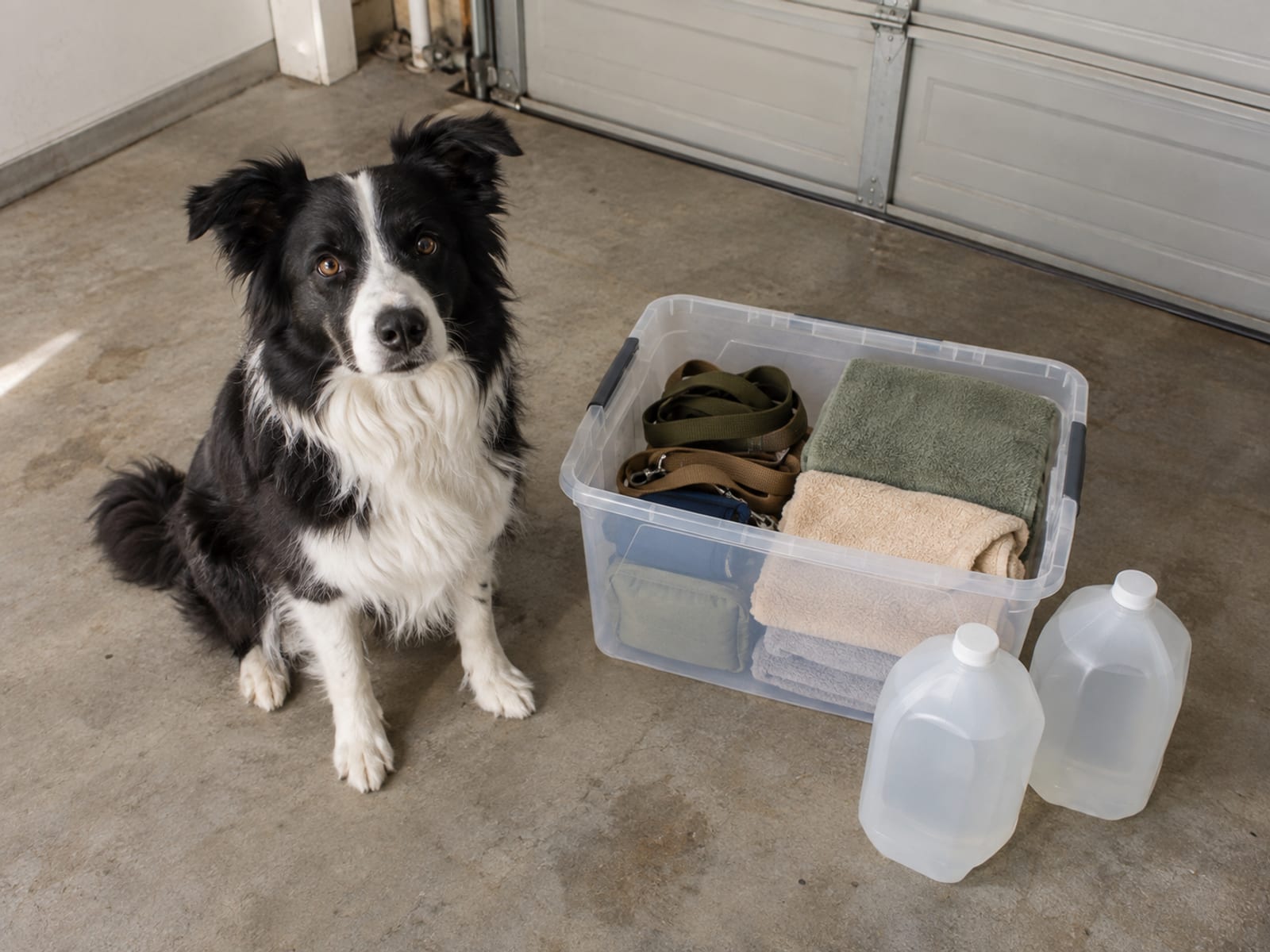
Supplies travel too: food, safe drinking water, bowls, carriers, leashes, waste bags, paper towels, disinfectant and bedding, plus flashlights, batteries, a radio, chargers, first-aid supplies, and food and water for staff. ADPH's pet emergency kit list adds photos of owner and pet together and comfort items.
How much is enough depends on your number of dogs and staff, special needs, how long you expect to be away, and where you're going. Two Alabama figures give you a starting point.
Tap or hover a row to highlight it.
| Figure | Source | What it covers |
|---|---|---|
| FigureFood and water for 72 hours after a disaster | SourceState emergency operations plan | What it coversPlanning assumption for shelters |
| FigureAt least five days of supplies | SourceADPH natural-disaster guidance | What it coversHousehold emergency kits |
| FigureOne gallon of water per person per day, two weeks of food, one month of prescriptions | SourceADPH hurricane guidance | What it coversHousehold hurricane kits, not dog-business amounts |
Treat the 72 hours and five days as a floor, then do the math for your own dogs and people.
Flooding, power outages and heat
Never drive through floodwater; six inches of moving water can stop or sweep away a vehicle, according to the CDC and ADPH's 2026 hurricane guidance. ADPH also warns about downed power lines and contaminated floodwater. If a sitter's route floods, the sitter turns around and calls in.
A long outage takes air conditioning, lights, refrigeration, pumps, phones and sometimes electric gates. Write down how you'll keep dogs cool and watered, how you'll store food and medication that needs refrigeration, and when you call a veterinarian or move the dogs. ADPH says never to run a generator or other gasoline-powered engine inside a basement, garage or other enclosed structure, and an open garage door doesn't change that.
For heat, the AVMA says dogs need fresh water, shade, cooler exercise hours, frequent breaks and no time in a parked vehicle. VCA names poor vehicle ventilation, no shade or water, and hard exercise in heat as common causes of heatstroke. The CDC says a vehicle can heat up almost 20°F in the first 10 minutes even with a window slightly open. Set heat rules for walks, play and transport, stop activity when a dog shows heat-stress signs, and call its veterinarian.
Where the dogs go, and how owners are told
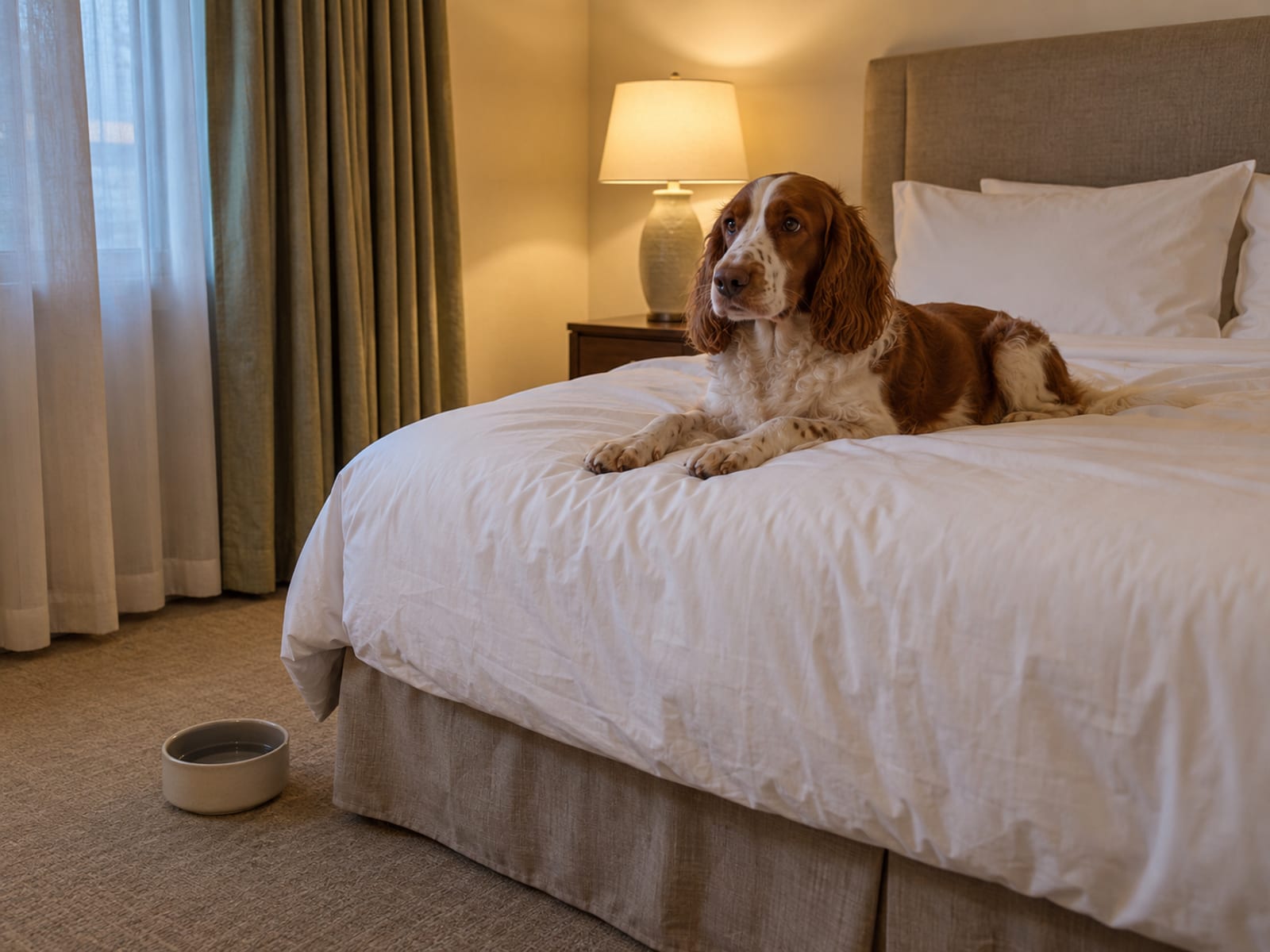
Name a specific, confirmed pet-friendly destination outside the likely danger area, plus a backup: a boarding facility, hotel, animal-friendly shelter or partner business. Confirm directly how many dogs they accept, their requirements, hours, vehicle access, payment, vaccination documents and an emergency contact. Recheck before each hurricane season, which ADPH lists as June 1 through November 30. ADPH's hurricane timeline works as a calendar: inspect kits, plan animal care during evacuation, set your evacuation and contact plan, secure food and water, find a place to stay, and follow local evacuation directions.
Owners should see your policy before they book, in writing and in your client agreement:
- Which conditions close the business or delay intake
- Whether dogs in your care stay sheltered, go home for pickup or are relocated
- How you'll reach owners (text, email, phone, website, social media) and when the next update comes
- What happens if an owner can't arrive or can't be reached
- Which staff can authorize transport, relocation or veterinary contact
- How extra boarding, transport or relocation costs are handled, reviewed against your contract and local legal requirements
- What gets checked before reopening: building, utilities, water, cooling, sanitation, fencing and road access
Write the policy in English and Spanish, and have a Spanish speaker check terms such as "evacuación," "refugio que acepta mascotas," "apagón" and "expedientes veterinarios."
The local offices to check, and how often to practice
The Alabama Department of Revenue says city and county officials determine the local licenses and permits a business needs, and fees vary. The SBA's Alabama District page adds that zoning must be considered and a home business may not be allowed everywhere. Check with:
- The county probate or revenue office, for the business privilege license
- The city clerk or license office, for the city business license
- Planning and zoning, for your property, home-occupation rules and animal numbers
- Building and fire, for occupancy, shelter space, generators and exits
- Animal control, for kennel rules and your Beau's Law questions
- The county emergency management office, for evacuation routes, alerts and pet-friendly sheltering
The IRS recommends reviewing your emergency plan yearly, backing up data, setting up alternate communications and documenting business property and equipment. Keep insurance and financial records apart from the dog records, with digital copies, and ask your insurer in writing what a storm claim covers.
Review the plan at least once a year and whenever your staff, services, building, routes or contacts change. Run a drill, write down what went wrong, and correct the plan that week.
Questions about severe-weather plans for Alabama dog businesses
These answers cover planning for tornadoes and hurricanes, where dogs go during a tornado warning, and what owners should hear before storm season.
How should a boarding or pet sitting business in Alabama plan for tornadoes and hurricanes?
Write two parts into one plan. The tornado part covers minutes: an interior room, staged gear, a handler per dog and a count. The hurricane part covers days: triggers for delaying intake, a confirmed destination and backup, at least 72 hours of supplies, and pickup rules.
Where do dogs shelter during a tornado warning?
Dogs go to your designated interior area, away from windows and exterior doors, crated or leashed with their assigned handler. Outdoor dogs come in first. Keep everyone there until the warning ends and the building is checked, then count again before release.
What should owners be told before storm season?
Tell owners in writing when you close, what happens to dogs already with you, where you'd relocate them, how often they'll hear from you, and who pays extra costs. Collect a secondary contact and current vaccination and medication records at booking.
Your next step this week
Walk your building and choose the shelter room. Print a roster with a handler column. Call one pet-friendly destination outside your area and ask what they'd need from you. Then email your animal-control office the three Beau's Law questions and file the reply with your plan.
Sources
- alabamapublichealth.gov: ADPH's 2026 hurricane guidance
- alabamapublichealth.gov: ADPH's hurricane timeline
- alabamapublichealth.gov: ADPH's pet emergency kit list
- alabamapublichealth.gov: ADPH
- alabamapublichealth.gov: ADPH
- alison.legislature.state.al.us: Alabama Code Section 13A-5-12
- alison.legislature.state.al.us: Alabama Senate Bill 361
- American Veterinary Medical Association: AVMA
- cdc.gov: CDC
- cdc.gov: CDC
- cdc.gov: CDC
- cdc.gov: CDC
- ema.alabama.gov: Alabama EMA
- ema.alabama.gov: ALalert through Alabama EMA
- ema.alabama.gov: Alabama EMA
- huntsvilleal.gov: Huntsville
- irs.gov: IRS
- legacy.sba.gov: SBA's Alabama District page
- revenue.alabama.gov: Alabama Department of Revenue
- revenue.alabama.gov: business privilege license
- VCA Animal Hospitals: VCA