
Opening a Dog Boarding Kennel in Tennessee: State Rules, Local Approvals and What to Check Before a Lease
By Cal Hewitt · Published
Business guides
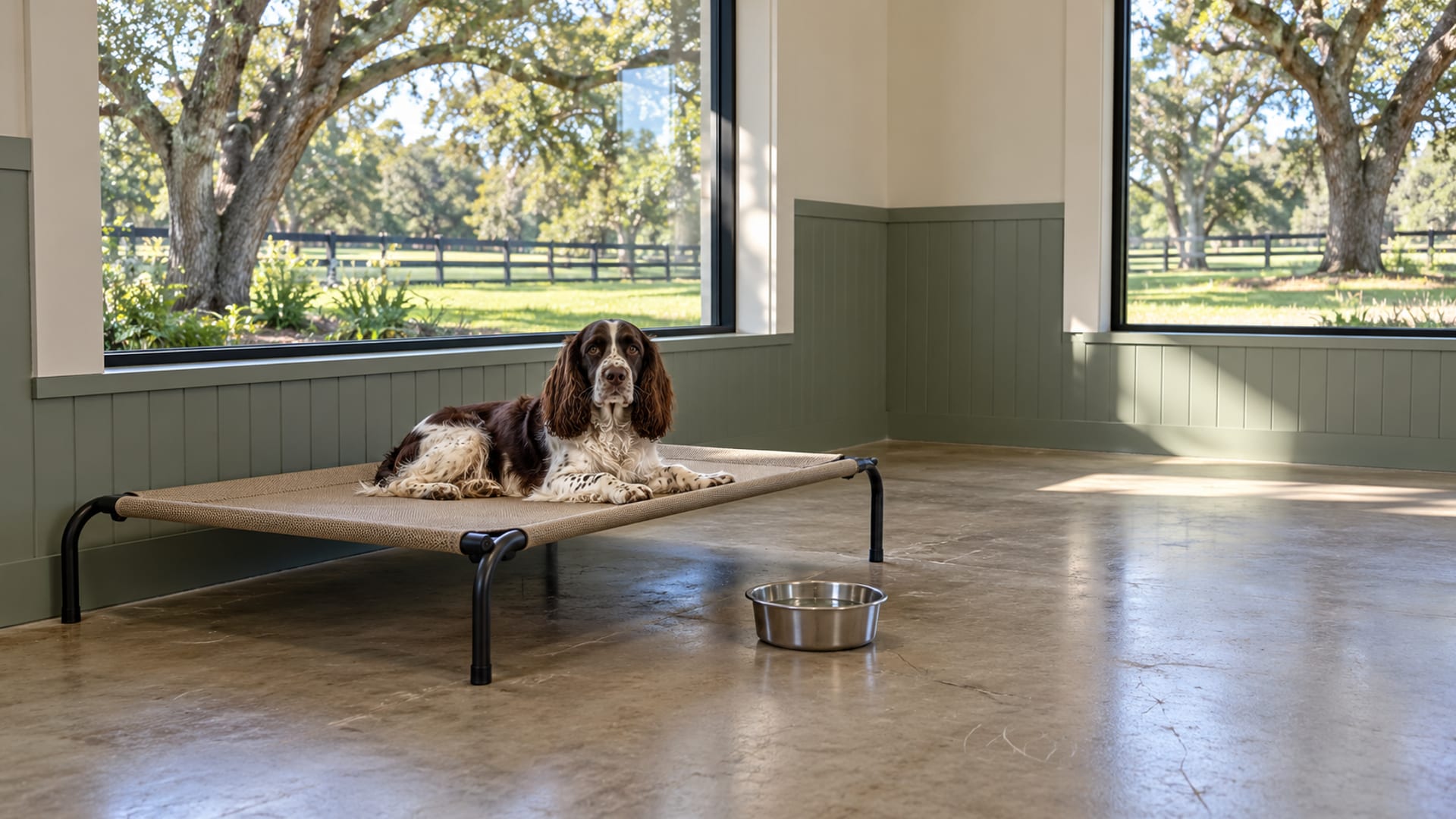
Before you sign a lease for a Tennessee boarding kennel or daycare, call the planning office for the city or county where the building sits and ask whether your use is allowed at that address.
The state side runs through the Tennessee Department of Agriculture, which lists Dogs and Cats rules in Chapter 0080-02-12 and Dog and Cat Dealers rules in Chapter 0080-02-15; its Animal Health office can tell you which of them fit your business. The local side (zoning, building, fire, plumbing, wastewater and animal control) often decides whether a site can open at all, and it differs between Nashville, Memphis, Knoxville, Chattanooga and the unincorporated counties.
Key takeaways
Tap a card to bring it forward.
- Call city planning or county zoning about the exact address before you sign anything.
- Ask Tennessee Animal Health, in writing, which rules in Chapters 0080-02-12 and 0080-02-15 fit your services.
- Selling, rescuing or transporting dogs can change the answer; ask for a written determination.
- Nashville, Memphis, Knoxville and Chattanooga each handle boarding differently, so one city's rule is not the state's rule.
- Put approval contingencies in the lease and open only after the approvals are in writing.
I build websites and marketing for dog businesses. I am not a lawyer, accountant, insurance agent or veterinarian, so treat this as a map of who to call and in what order. The office that answers for your address has the last word.
Does a boarding kennel or daycare need a state license or inspection?
This is the first question most owners have, and the useful answer is a short list of things to do. The Department of Agriculture's Animal Health page lists the Dogs and Cats rules (Chapter 0080-02-12), the Dog and Cat Dealers rules (Chapter 0080-02-15) and the animal-movement requirements. Questions go to Animal Health at 615-837-5120 or animal.health@tn.gov. The Department also runs a licensing and inspections page that covers the licenses, permits, registrations and inspections the law and its rules require.
Whether a state license or inspection applies to your kind of operation is a question for Animal Health, so put it in an email and keep the reply. Describe what you plan to run: overnight boarding, daycare, grooming, training, transport, rescue intake or dog sales. Add the number of dogs and whether any of them cross state lines. Ask which chapters, forms, permits and inspections apply. A written description gets you a more useful answer than a quick phone call, and it gives you a record to show a landlord or a lender.
Business basics sit beside the animal rules. The Department of Revenue's guidance in BUS-57 states, as of March 5, 2021, that pet grooming, boarding and bathing services are subject to Tennessee business tax under T.C.A. §67-4-708. If grooming is part of your plan, that applies to the grooming side too. For the full license and tax details, see our guides on Tennessee dog business license requirements and sales tax on pet services in Tennessee.
When does selling, rescuing or transporting dogs change the answer?
Ordinary boarding and dealer activity are not treated the same. Chapter 0080-02-15 is the Department's Dog and Cat Dealers rule listing, so ask Animal Health whether your business becomes a dealer operation if you do any of these:
- Buy, receive or assemble dogs for resale.
- Sell or transfer dogs.
- Run a pet shop or a dealer business.
- Handle rescue dogs for transfer or adoption.
- Transport dogs in connection with a sale, transfer or rescue.
- Combine boarding with breeding or sales.
Ask for a written determination from the Animal Health office instead of assuming a rescue or a sale sits under the same rules as boarding. Dogs that come in from out of state have their own paperwork. The animal-movement requirements vary by animal type, origin and length of stay, and the page gives a certificate of veterinary inspection with a 30-day validity period as an example. Ask Animal Health what applies to the dogs you will actually take in.
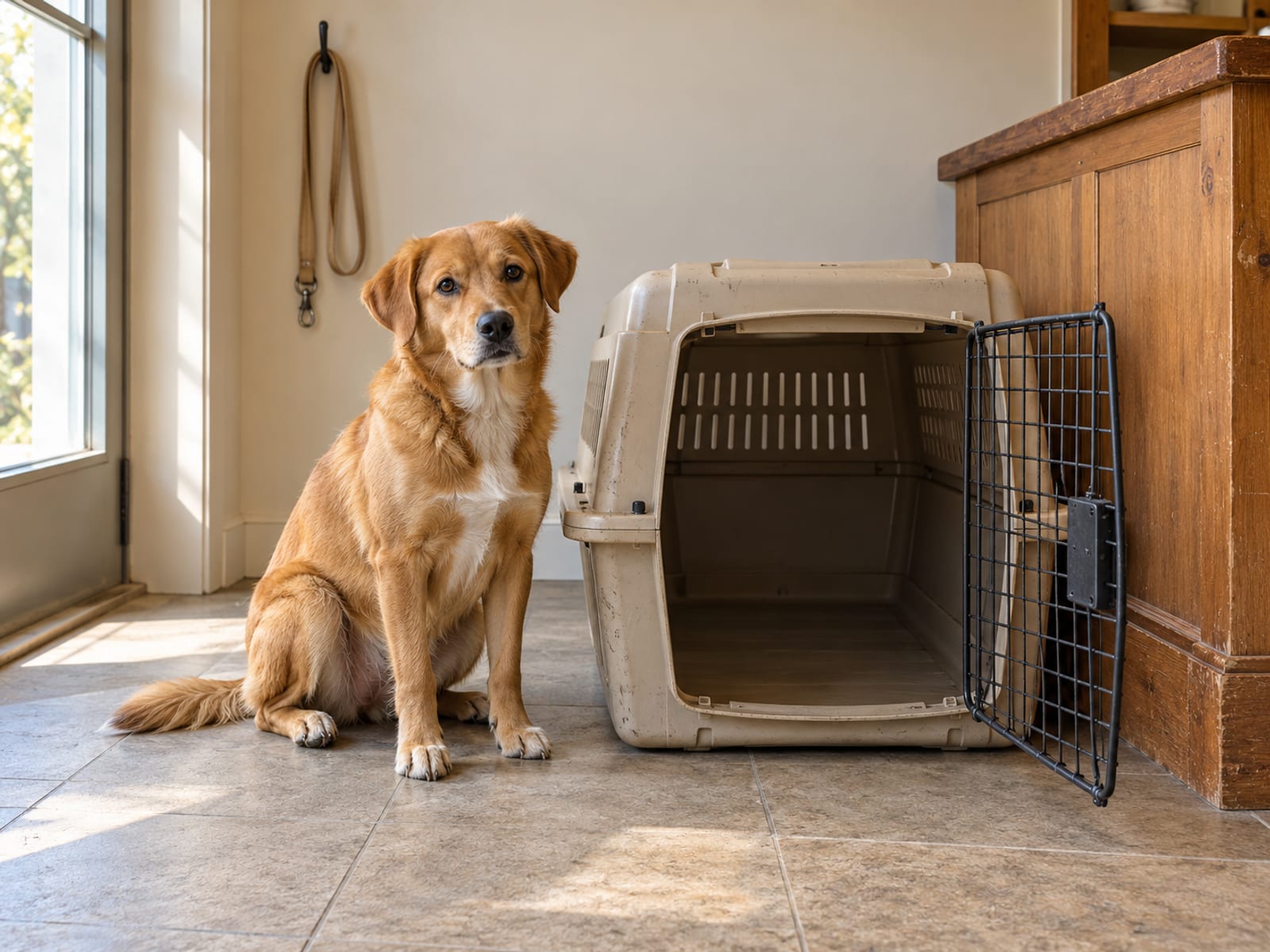
Nashville: where boarding is allowed and how far from homes
Nashville's BL2008-167, effective June 2, 2008, defines an animal boarding facility as any buildings or land used, designated or arranged for the temporary boarding, care and grooming of domesticated dogs and cats for profit. It excludes an animal hospital. The ordinance makes animal boarding a use permitted with conditions in the IWD and IR districts.
The distances matter most when you are choosing a building. No building or structure that houses animals may sit within 200 feet of an existing residence, and no kennel run may sit within 100 feet of one. A cheap lease on a site with a house next door can be worthless for this use. Ask the Nashville Planning Department to confirm the parcel's current zoning classification and whether your use is allowed, because the ordinance is a Nashville rule and not a statewide one.
Nashville facility standards for floors, fences, water and waste
The same ordinance sets design standards, and they affect your construction budget. Animal enclosures must protect the dogs from weather extremes, and the floors, runs and walls must be impervious so they can be cleaned and disinfected. Each animal needs enough cage space to stand, lie down and turn around without touching the cage. Each run needs six-foot-high fencing that is escape-proof, plus an adequate exercise area and protection from the weather.
Quarters and runs must be kept clean, dry and sanitary, and dogs need fresh water at all times in secured, removable vessels. Waste has to be stored in the kennel building or an accessory structure and disposed of sanitarily at least weekly. Liquid by-products go to a permitted sanitary sewer or a septic tank, never to a storm sewer, creek, stream or river. If you plan to hose down runs, ask the sewer utility or septic authority about wash water before you choose the building.
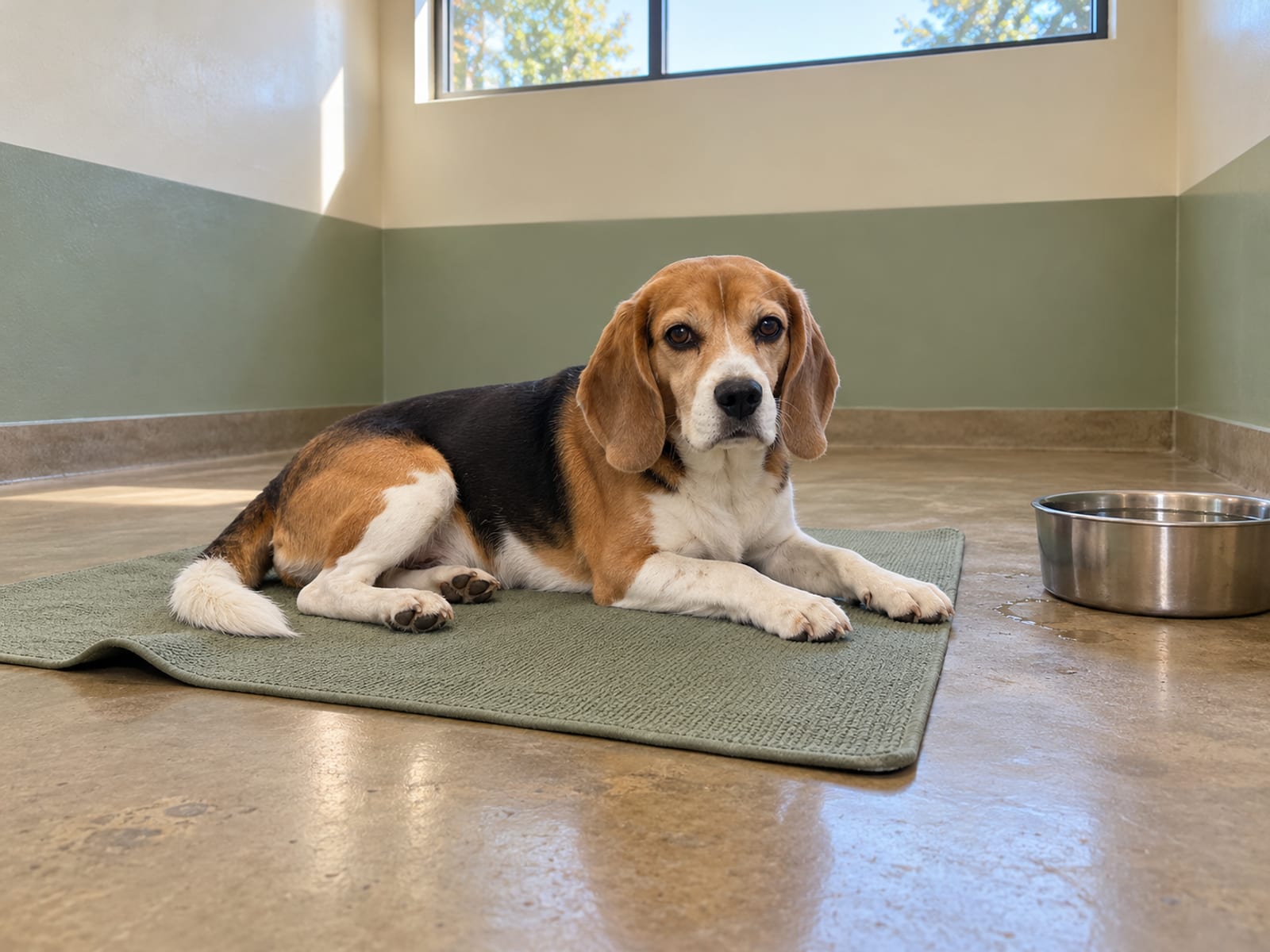
Memphis: the land-use category and the parcel question
Memphis planning materials list "Animal Boarding, Animal Shelter, Kennel, Doggy Day Care" as one land-use category. One Planning and Zoning Committee document lists the category among the uses permitted by right in a Commercial Mixed Use-1 district, and other materials show it in the Memphis/Shelby County Unified Development Code use table.
That tells you where to start, not whether your building qualifies. Ask the Memphis Division of Planning and Development about the specific parcel:
- Which zoning district is it in?
- Is the use permitted by right, conditional or special-use there?
- Do outdoor runs, noise, parking, fencing or drainage add conditions?
- Does the project need a site plan, a building permit or another approval?
- What are the current fees and review times?
Do not rely on a setback or a fee for a Memphis site until the Division confirms it for that parcel.
Knoxville and Chattanooga: a $25 permit application and special-permit conditions
In the Knoxville area, the Commercial Pet Facility permit goes through Young-Williams Animal Center for Knox County and City of Knoxville businesses. The application covers commercial kennels, commercial boarding facilities, pet dealers and pet shops, and it shows a $25 fee. It also says the facility must meet zoning and health codes on its own, and that the Animal Control Board may request an inspection before it issues a permit. The Knoxville Animal Control Board sets minimum standards for kennels and boarding facilities, issues permits or written consent and sets permit fees. A Knoxville permit is local; it does not cover you in another county.
Chattanooga handles boarding through zoning. Its city checklist treats boarding, grooming, training and similar small-animal uses as subject to a special permit in specified commercial zones. For outdoor use, it lists rear-yard placement, 100-foot separation and a six-foot sight-obscuring fence. Another Tennessee city may or may not have a permit like Knoxville's, so ask the local animal-control office for the current permit name, fee, renewal date and inspection rules.
What order should you follow before you sign a lease?
The order protects your money, because each step can end the plan before you spend more. Local offices may adjust the sequence, so ask the planning or codes office to confirm it. This is the order I would follow:
- Confirm the exact address, jurisdiction, zoning district and proposed use with city planning or county zoning.
- Ask whether the use is permitted, conditional, special-use or prohibited, and ask about runs, setbacks, noise, fencing, parking, drainage and waste.
- Get preliminary written zoning confirmation or approval.
- Ask the building or codes office whether a change of use, building permit, site plan, accessibility work, electrical work or plumbing permit is needed.
- Ask the city or county fire marshal about life-safety review, occupancy, alarms, exits, suppression systems and emergency access.
- Ask the water and sewer utility, septic authority, plumbing office or environmental-health office how kennel washing and liquid waste may be discharged.
- Ask Tennessee Animal Health which state rules apply.
- Form the business, get an EIN where it applies, register for Tennessee business tax and contact the county or municipal clerk.
- Put approval contingencies in the lease.
- Finish inspections and collect written approvals before you open.
On the registration step, the Department of Revenue says a separate $15 business-license registration fee is paid to the county or municipal clerk. In-state businesses with gross receipts above $3,000 and below $100,000 generally need a minimal activity license, and $100,000 or more generally calls for a standard business license, according to the Revenue registration page. The Secretary of State's forms and fees page lists business-entity filings and their fees; confirm the current fee for a domestic LLC's Articles of Organization there before you file.
Tap or hover a row to highlight it.
| Figure | What it means | Source |
|---|---|---|
| Figure$25 | What it meansKnox County and City of Knoxville commercial pet-facility permit fee on the application | SourceYoung-Williams application |
| Figure$15 | What it meansBusiness-license registration fee paid to the county or municipal clerk | SourceTennessee Revenue |
| Figure$3,000 and $100,000 | What it meansGross-receipts thresholds for a minimal activity license and a standard business license | SourceTennessee Revenue |
| Figure200 feet | What it meansNashville setback for buildings housing animals from an existing residence | SourceBL2008-167 |
| Figure100 feet | What it meansNashville setback for kennel runs from an existing residence | SourceBL2008-167 |
| Figure6 feet | What it meansNashville run-fence height; Chattanooga outdoor screening height | SourceBL2008-167; Chattanooga checklist |
| FigureAt least weekly | What it meansNashville sanitary waste-disposal frequency | SourceBL2008-167 |
Outdoor runs, noise, waste and drainage: what to ask the landlord and the codes office
Outdoor runs are where a good-looking site goes wrong. Planning and codes offices may look at how far the runs sit from homes or other protected uses, fence height and opacity, how often dogs are outside, barking and pickup noise, waste storage and removal, wash-down areas, drainage and stormwater, floodplain or sensitive areas, and parking and emergency access. Your tenant improvements also matter here, so ask who pays for any improvement the city requires.
Take these questions to the landlord and the codes office before you sign:
- What zoning district is the parcel in?
- Is boarding, daycare, kennel, grooming or training listed as a separate use?
- Are outdoor runs allowed, and what setbacks or screening apply?
- Is there a permitted sanitary sewer connection, and can wash water enter it?
- Is the site on septic?
- Are there floodplain, drainage or stormwater limits?
- Are there open occupancy or code violations on the building?
- Can the lease end without penalty if an approval fails?
For property outside a city, ask the county zoning office, county codes, county animal control and the county clerk. Those are the offices that would answer the same questions there.
Emergency planning and intake records
Plan the floor around emergencies before you build. The Tennessee Emergency Management Agency's 2018 plan includes an Animal Care and Housing Annex covering temporary confinement, housing, food and water, identification and tracking for return to owners, sanitation and coordination among state agencies, veterinary personnel and animal organizations. For a new kennel, that points toward secure intake and isolation space, more than one exit route, room to identify and track each dog, backup food and water, utility shutoff access, ventilation and temperature backup, a safe evacuation loading area, a waste-storage area and a place to keep owner and emergency records.
Write a plan for how staff will talk to each other and reunite dogs with owners. Our guide on storm and flood planning for dog businesses in Tennessee goes deeper on weather.
Keep one record for every dog. It should hold the dog's name, description, identification and microchip number if the owner supplies one, and the owner's name, address, phone and email. Add the primary emergency contact, authorized pickup people and the vet's contact. Keep the rabies certificate or other vaccination papers your business or local rule requires, and the feeding, exercise, housing and behavior instructions the owner gives you.
If the owner supplies medication instructions, record clear written authorization and every time you give it. Log admission, transfers, walks, feeding and release dates and times, along with any incident, injury, escape, bite or illness, plus owner messages and approvals. Record the pickup date, time and who took the dog. Local animal control and Animal Health may add to this list, so ask them. For the rules behind rabies papers and bites, see Tennessee rabies law for dog businesses and Tennessee dog bite law for dog businesses.
Questions Tennessee kennel owners ask
Do you need a permit to board dogs in Tennessee?
It depends on the address and on what you do there. Zoning, building, fire and local animal-control approvals often apply, and Animal Health can tell you which state rules fit your operation. Start with the planning office for your city or county.
What do I need to open a dog boarding facility?
You need a site the local zoning allows, the building, fire and plumbing approvals for it, an answer from Animal Health, and your business registrations. Add intake, emergency and sanitation systems before the first dog arrives. Open only after the required approvals are in writing.
How much does it cost to open a dog boarding business?
Any total depends on your building, your approvals and your construction. The published fees to check first are the $25 Knoxville-area permit application, the $15 clerk registration fee and the Secretary of State filing fee. For what to charge once you open, see dog service prices in Tennessee.
Can you start a dog boarding business from home?
Home boarding still has to fit your local zoning, and the planning office decides whether it does. Our guide on running a dog business from home in Tennessee covers the home-occupation questions. Ask Animal Health whether the number of dogs you plan to keep changes the answer.
Do I need a license to watch dogs in my home?
A local business license from the county or municipal clerk may apply, depending on your gross receipts, and your zoning may limit the activity. Ask Animal Health whether any state rule applies to your setup. For the full list of licenses, read Tennessee dog business license requirements.
Your next step this week
Write down what you plan to run, then make two calls: the planning office for the address you are looking at, and Animal Health at 615-837-5120. Ask for the answers in writing. If you are also planning grooming, see starting a mobile dog grooming business in Tennessee. Once you open, list your kennel on DogServ so owners can find it, and reach out if you want help with the website.
Sources
- chattanooga.gov: city checklist
- knoxvilletn.gov: Knoxville Animal Control Board
- legisarchive.nashville.gov: BL2008-167
- memphistn.gov: Planning and Zoning Committee document
- revenue.support.tn.gov: BUS-57
- sos.tn.gov: forms and fees page
- tn.gov: 2018 plan
- tn.gov: animal-movement requirements
- tn.gov: Dogs and Cats rules in Chapter 0080-02-12 and Dog and Cat Dealers rules in Chapter 0080-02-15
- tn.gov: environmental-health office
- tn.gov: licensing and inspections page
- tn.gov: Revenue registration page
- young-williams.org: application