

Arkansas Dangerous Dog Rules for Dog Businesses: Bites, Reporting and Local Animal-Control Rules
By Cal Hewitt · Published
Business guides
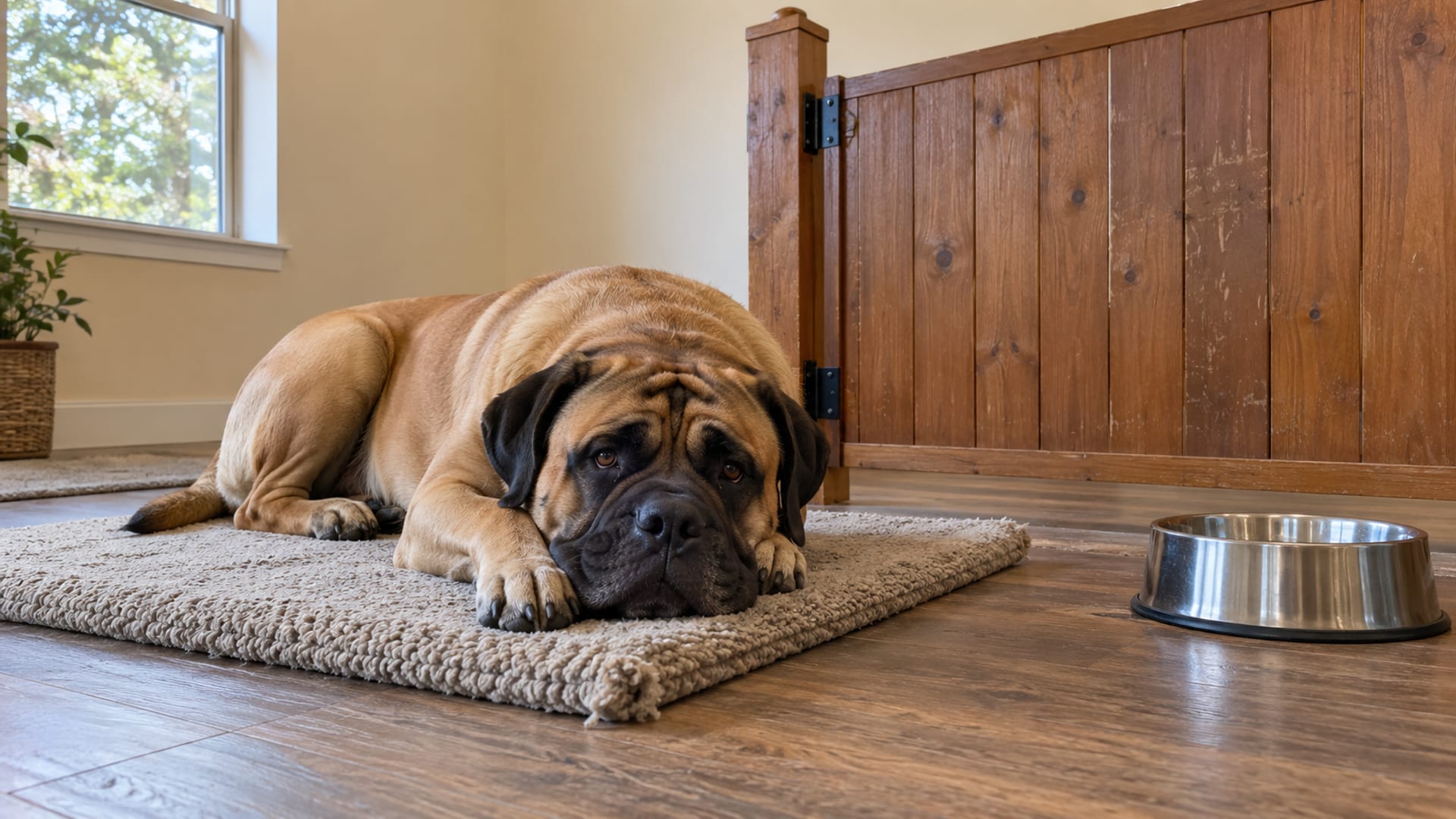
If a dog in your Arkansas business has a bite history or has just bitten someone, separate the dog from people and other animals, protect the scene, and call the local animal-control or public-health office. The Arkansas Department of Health says animal bites from mammals must be reported immediately, and Arkansas rabies rules can require confinement and observation after a human bite. The state criminal law on dog attacks applies only when its specific elements are met. Most dangerous-dog rules come from your city or county, and they differ from place to place.
Key takeaways
Tap a card to bring it forward.
- Separate the dog first, then get medical help for anyone injured.
- Report a mammal bite to a person immediately; the Arkansas Department of Health requires it.
- After a human bite, the dog may face a 10-day confinement and observation period under Arkansas rabies rules.
- Arkansas Code section 5-62-125 is a Class A misdemeanor that needs three elements, including death or serious physical injury.
- Little Rock, Fayetteville, Rogers and Fort Smith each use different licensing and dangerous-animal rules, so call the office for your address.
- Record facts and official instructions on your intake and incident forms, not legal conclusions or breed assumptions.
A dog just bit someone, or a client wants you to take a dog with a bite history
I know this is a stressful spot. A client is bleeding, or a new customer just told you their dog "nipped someone once," and you're wondering whether you're putting your staff, your other clients' dogs and your business at risk. The first move is the same either way: get the dog away from people and other animals, and get any injured person to medical care.
Then make the calls. A bite to a person is a public-health matter in Arkansas, not just a customer-service problem. The dog belonging to your client doesn't take the reporting duty off the table. The Arkansas Department of Health states that "Arkansas law requires that animal bites from mammals be immediately reported." Your city or county animal-control office will tell you what happens to the dog next.
If the dog hasn't bitten anyone on your watch but comes with a history, you still have a decision to make. You can accept the dog with written handling limits, pause, refuse, or refer the owner to a qualified professional. None of those choices is wrong by default. What matters is that you know the dog's history, any official designation it carries, and what your local office requires.
What to do this week, step by step
When something has happened, work through these steps in order. They come from the Arkansas Department of Health's reporting rule, the state rabies rules and the record-keeping standards that professional groups publish.
- Separate the dog and protect people and other animals. Prevent escape.
- Get emergency medical attention for anyone hurt, through emergency services if needed.
- Write down the time, location, people, animals, witnesses and visible injuries.
- Report the mammal bite immediately, as the Arkansas Department of Health requires.
- Call the city or county animal-control office that covers the place where the bite happened.
- Ask where and how the dog must be confined or observed, and who may transport it.
- Keep the owner's contact details, rabies certificate, license, microchip number and any prior bite disclosures.
- Pause group play and public contact until the responsible office gives you instructions.
Write down every call you make and every instruction you receive, with the name of the person and the time. That record protects you later, and it keeps your staff on the same page.
Does Arkansas have a statewide dangerous-dog registration law?
You may have seen HB1992 come up when you searched this. It was a 2025 bill that would have required certificates of registration for dogs declared dangerous or vicious. The Arkansas General Assembly's bill page lists it as "WITHDRAWN BY AUTHOR" on April 10, 2025. It is not law, so don't build your policies around it.
For the record, the bill text proposed a microchip, confinement on the owner's property with a leash of no more than six feet, at least $50,000 in liability insurance and 10-day notice after a move. It also proposed that a dog labeled potentially dangerous or vicious elsewhere "based only on size, breed, mix of breeds, or appearance" would fall under its rules. That was proposed wording only. The practical point for you: registration and designation questions go to your city or county animal-control office.
What Arkansas criminal law says about an unlawful dog attack
Arkansas Code section 5-62-125 makes unlawful dog attack a crime, but only when all three of these are true, according to the text published by FindLaw:
- The person owns a dog they know, or have reason to know, has a propensity to attack, cause injury or endanger others without provocation.
- The person negligently allows the dog to attack another person.
- The attack causes death or serious physical injury.
The offense is a Class A misdemeanor, and a court or jury may also order restitution for medical bills. FindLaw is a secondary publisher, not the official code; it lists the text as current as of March 28, 2024 and warns it may not reflect the latest version. You can check the current text through the state's Arkansas Code search service.
For a business, the point is this: most bites won't meet those three elements. That doesn't mean nothing applies. The reporting duty and your local ordinance can still apply to a bite that is nowhere near a crime. Take civil liability and insurance questions to a lawyer and your insurer.
What the rabies rules require after a human bite
Arkansas rabies rules are about protecting the person who was bitten. The Arkansas Department of Health's rabies page says dogs and cats must be vaccinated against rabies by four months of age, and that pets that bite or expose a person may be tested or confined for 10 days. The Arkansas Rabies Control Act states that confinement and observation expenses are borne by the owner, with a different rule for strays.
The official rule, 20 CAR section 105-104, sets out the steps after a dog or cat bites a person. In special circumstances, the Director or a designee may advise immediate euthanasia and shipment of the head for rabies testing, with those costs borne by the owner.
Don't decide on your own that observation isn't needed because the dog looks healthy or has a current vaccine. Ask the public-health or animal-control office where the dog will be confined and whether it can stay with you. DogServ's guide to Arkansas rabies rules for dog businesses covers the rabies steps in more detail.
Which local office and rules apply to your business
This is where most of the real answers live. Arkansas cities publish different rules, different terms and different fees. Four cities show how wide the range is.
What Little Rock requires
Little Rock Animal Services requires every dog or cat four months or older to be rabies-vaccinated and licensed by the city, with the license worn on a collar or harness. The city also runs a "Potentially Dangerous Dog" registration for dogs whose primary breed is on a list it publishes. That registration costs $150 per animal and requires spay or neuter proof, a city photo with the dog, a microchip, a current rabies vaccine, a current city license, confinement by fence or structure, and no more than two such dogs. Animal Village is at 4500 Kramer Street.
What Fayetteville publishes
Fayetteville Animal Services enforces the Arkansas Rabies Control Act and city ordinances, and it requires microchip registration. New residents have 30 days to notify Animal Services about a microchipped pet. Its dangerous-animal page says animals are not determined dangerous or vicious merely because of breed. You can reach Animal Services at 1640 South Armstrong Avenue or 479-444-3456.
What Rogers publishes
Rogers sells dog and cat licenses at the Rogers Animal Shelter with a current rabies certificate. Rogers Animal Licensing lists the license as free for spayed or neutered animals and $50 per unaltered animal; questions go to 479-621-1197. The Rogers city code defines vicious dogs, prohibits keeping one within city limits, and requires the owner to euthanize or permanently remove the dog within 30 days after a conviction.
What Fort Smith publishes
The Fort Smith animal-control ordinance uses aggressive and vicious classifications. It provides for written classification, a five-business-day appeal period, temporary confinement, a secure leash and muzzle during the appeal, confinement and muzzle controls for aggressive animals, warning signs, and removal of a vicious animal from city limits. Call Fort Smith Animal Control for current ordinary license and tag rules.
What to ask a city or county outside these four
If your business sits somewhere else, or outside city limits, call the animal-control office and the city clerk and ask:
- Is my business address inside city limits, or under the county?
- Does the city require dog licenses, tags, microchips or special registration?
- How does the city define dangerous, vicious, aggressive or potentially dangerous?
- What happens after a bite to a person or to another animal?
- Which office takes the report, and what is the after-hours number?
- What confinement, leash, muzzle, signage or appeal rules apply?
- Does the rule cover a business caring for a dog owned by someone else?
What your intake form and incident report should hold
Your paperwork should record facts and official instructions. It shouldn't reach a legal conclusion or label a dog by breed or looks. A good intake form for a dog with any history covers:
- The dog's name, age, sex, color, and the owner's breed description
- Microchip, license, tag and rabies certificate details
- Owner name, address, phone, email and emergency contact
- The veterinarian and an emergency-vet contact
- Every disclosed prior bite, attack, threat or escape, with the date, place, who was involved, injuries, witnesses and outcome
- Any designation from animal control, a court, public health or a city
- Any written confinement, muzzle, leash, registration or handling instruction
- Triggers, warning signs, dog-to-dog limits and separation needs
- Which staff members may handle the dog
- The owner's signed statement that the information is complete and accurate
If an incident happens, add the date, time and place, the people and animals involved, the first aid given, photos or video and witness statements where appropriate, every notification you made, every instruction you received, and who is responsible for each follow-up step.
Tap or hover a row to highlight it.
| Data point | Figure | Source and date |
|---|---|---|
| Data pointHB1992 status | FigureWithdrawn by author | Source and dateArkansas General Assembly, April 10, 2025 |
| Data pointProposed HB1992 insurance amount | FigureAt least $50,000 (proposed only, not law) | Source and dateHB1992 bill text, April 4, 2025 |
| Data pointLittle Rock potentially dangerous registration | Figure$150 per animal | Source and dateLittle Rock Animal Services, accessed Sept. 30, 2026 |
| Data pointLittle Rock license age | FigureFour months or older | Source and dateLittle Rock Animal Services, accessed Sept. 30, 2026 |
| Data pointRogers license, spayed or neutered | FigureFree | Source and dateRogers Animal Licensing, accessed Sept. 30, 2026 |
| Data pointRogers license, unaltered | Figure$50 per animal | Source and dateRogers Animal Licensing, accessed Sept. 30, 2026 |
| Data pointBite observation period | Figure10 days | Source and dateArkansas Department of Health, accessed Sept. 30, 2026 |
| Data pointFort Smith appeal period | FigureFive business days | Source and dateFort Smith ordinance, amended March 21, 2023 |
Licenses, permits, zoning and tax registrations beside the animal-control rules
Animal-control rules are only one layer. The Arkansas Secretary of State's business FAQ says corporations, LLCs and other listed entities form by filing with its Business Services Division. It does not issue EINs and sends tax-number questions to the Department of Finance and Administration.
The Department of Finance and Administration issues sales-tax permits. Under the state rule on pet grooming and kennel services, gross receipts from those services are subject to state and local gross-receipts taxes, with stated exceptions.
City business licenses, kennel or boarding permits, zoning, home-occupation approval and animal-count limits are local questions. Ask your city's business-license and planning offices for your exact address. If you run from home, DogServ's guide to home dog businesses in Little Rock and Northwest Arkansas goes further on those permits.
Insurance is the other open question. HB1992's $50,000 figure died with the bill. Ask your insurer whether your policy excludes dogs with a known bite history, and ask your animal-control office whether any local rule requires coverage.
What professional standards add
Professional standards aren't Arkansas law, but they give you a solid model for records and handling. Pet Sitters International's standards call for pet profiles and care instructions, handling competence, current pet first-aid and CPR training, biosecurity and clear injury-reporting protocols.
The CCPDT code applies to its certificants, not every trainer. It calls for signed agreements, accurate records, compliance with bite-reporting laws, safety oversight, confidentiality and referral when a case is beyond the professional's competence. IBPSA provides education and certifications for boarding, daycare and other pet-care businesses; it is not a licensing body.
Referral is a real option. If a dog's history is more than your team can handle safely, sending the owner to a qualified behavior professional is a responsible choice, not a failure. Our guides on why dogs bite and on dog body language can help your staff read early warning signs.
Quick check: Arkansas dangerous-dog rules for businesses
Questions about Arkansas dangerous-dog rules
Short answers on bites, designations, licenses and dogs with a bite history.
What makes a dog dangerous under Arkansas law?
It depends on where you are. Cities set their own definitions; Fort Smith uses aggressive and vicious classifications with a written notice and appeal, and Rogers defines vicious dogs in its code. Ask the animal-control office for your address how it defines and declares a dangerous dog.
What happens if a dog in my care bites someone?
Separate the dog, get medical help for the person, and report the bite immediately, as the Arkansas Department of Health requires. The dog may need confinement and observation for 10 days, and the Arkansas Rabies Control Act puts those expenses on the owner. Follow the confinement instructions from public health or animal control.
Do cities add their own licensing rules?
Yes. Little Rock licenses dogs four months or older, Rogers charges $50 for an unaltered dog and nothing for an altered one, and Fayetteville requires microchip registration. Check the licensing rule for the city where the dog lives and where your business operates.
Can I accept a dog with a bite history?
That is your business decision, within any local designation or confinement order on the dog. Ask the owner for every prior bite and any official designation in writing, and set handling limits before you agree. Refusing or referring is a reasonable choice when the risk is beyond what your setup can handle.
Your next step
Before the next intake, find the phone number for your local animal-control office and its after-hours line, and put both on your incident form. Then update your intake form with the fields above. I'm not a lawyer, veterinarian, accountant, insurance agent or trainer, and DogServ doesn't give legal advice, so take specific questions to the office that decides them. If you need a trainer, boarding facility or emergency vet near you, the DogServ directory can help you find one.
Sources
- arkleg.state.ar.us: Arkansas General Assembly's bill page
- arkleg.state.ar.us: bill text
- Certification Council for Professional Dog Trainers: CCPDT code
- codeofarrules.arkansas.gov: 20 CAR section 105-104
- codeofarrules.arkansas.gov: state rule on pet grooming and kennel services
- codes.findlaw.com: FindLaw
- dfa.arkansas.gov: Department of Finance and Administration
- fayetteville-ar.gov: dangerous-animal page
- fayetteville-ar.gov: Fayetteville Animal Services
- fortsmithar.gov: Fort Smith animal-control ordinance
- healthy.arkansas.gov: Arkansas Department of Health's rabies page
- healthy.arkansas.gov: Arkansas Department of Health
- healthy.arkansas.gov: Arkansas Rabies Control Act
- ibpsa.com: IBPSA
- littlerock.gov: Little Rock Animal Services
- petsit.com: Pet Sitters International's standards
- portal.arkansas.gov: Arkansas Code search service
- rogersar.gov: Rogers Animal Licensing
- sos.arkansas.gov: Arkansas Secretary of State's business FAQ