
How to Start a Pooper Scooper Business in Texas: Steps, Taxes, Disposal Rules and First Clients
By Cal Hewitt · Published
Business guides
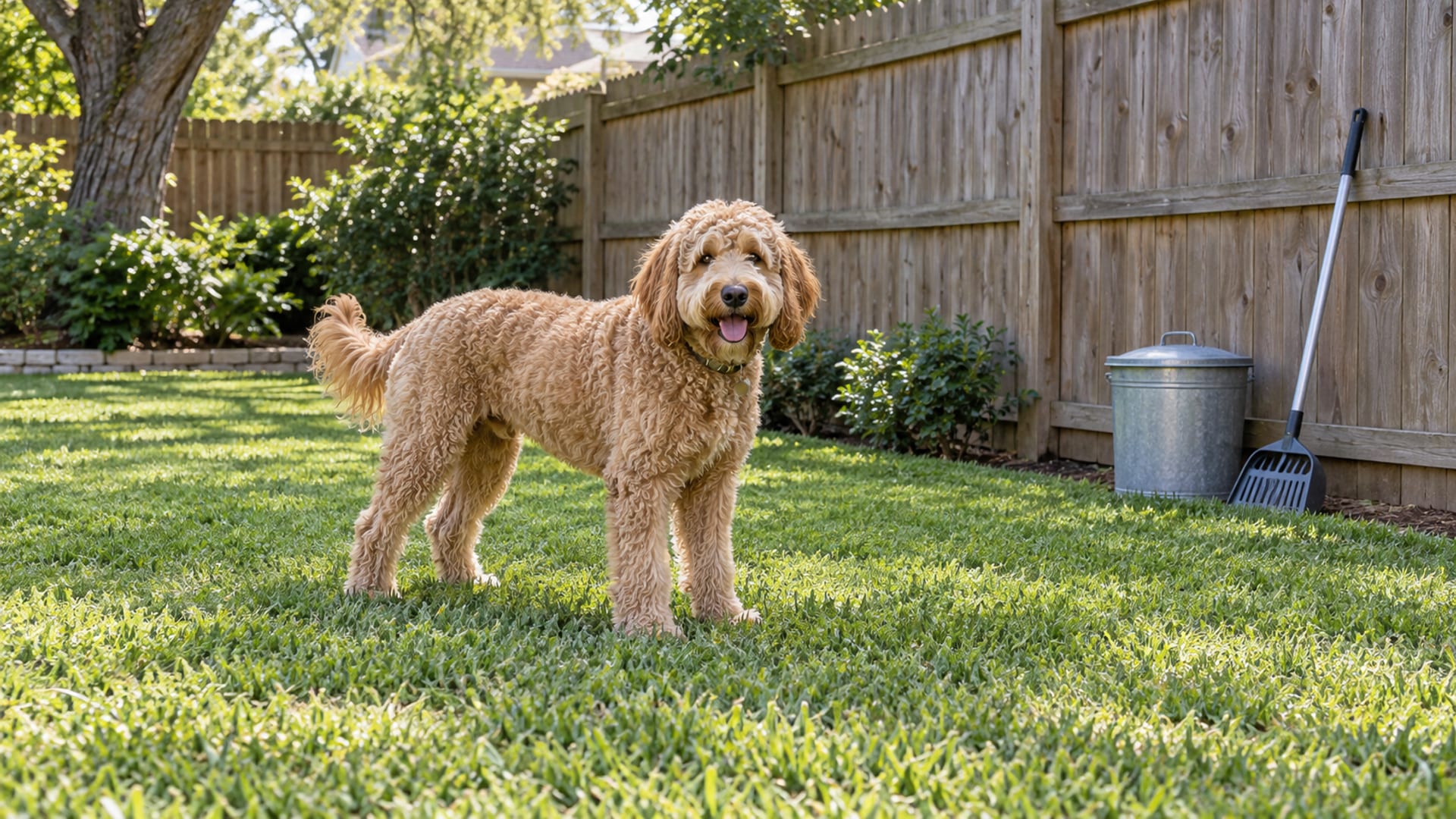
To start a pet waste removal business in Texas, choose a business structure, register the business name if needed, get an EIN when it applies, and check Texas tax requirements with the Comptroller. Then confirm your city or county zoning and solid-waste rules, arrange an approved disposal location, buy scooping and sanitation equipment, set residential and commercial prices, and build a compact recurring route. Texas does not require a general statewide business license, but local permits and activity-specific requirements can apply. Before you haul any waste, ask the receiving landfill or transfer station whether it accepts bagged pet waste.
Key takeaways
Tap a card to bring it forward.
- Texas has no general statewide business license, but city and county rules on zoning, home occupations and waste can still apply.
- The Texas Comptroller lists garbage and other waste collection or removal as a taxable service, so settle sales-tax questions before your first invoice.
- Landfill acceptance depends on the facility's permit and its own policy, so call the landfill or transfer station first.
- A basic scooping setup can start around $25 to $150 for the main tool, but that is an equipment subtotal, not a full startup budget.
- Wear gloves, clean tools and boots between yards, and remove waste before you disinfect; parvovirus resists many common cleaners.
If you are wondering whether this can be a low-cost side business or a full-time route, that is a fair question, and the answer depends on your area and your customers. I can't promise earnings, and I can't rule on your taxes or permits. This is the order I would work in, and I'll name the office that decides each point.
What are the steps, in order?
Here is the sequence that Texas.gov's startup guide and the pages linked in this guide support. You can do the first few this week.
- Define your territory and services.
- Choose a business structure.
- Register the entity with the Texas Secretary of State if you are forming one.
- File an assumed-name certificate if you will operate under a different name.
- Get an EIN when it is required or useful for banking, hiring or taxes.
- Open a separate business bank account and keep records every day.
- Review sales-tax obligations with the Comptroller.
- Ask your city about home occupation, vehicle and container storage, signage and local business requirements.
- Ask the city sanitation or solid-waste office whether collecting or hauling bagged pet waste needs a permit or an approved disposal arrangement.
- Ask the landfill or transfer station whether it accepts bagged pet waste.
- Get insurance that fits your actual work, vehicles, employees and contracts.
What services can you offer, and what should you do first this week?
Most people start with residential weekly service and one-time cleanups. Apartments, HOAs, commercial properties and dog parks are other customer types, and they work more like contracts than subscriptions. One Texas provider's terms, dated June 9, 2025, list weekly, twice-weekly and three-times-weekly service, one-time cleanups and optional gate-photo verification, which shows how a small operator can package it.
This week, pick the neighborhoods you want to serve, decide which services you will offer, and look at what competitors near you publish. Then choose a structure, pick a name, and write a startup budget. You do not need to buy anything yet.
How do you register the business, and what tax questions should you settle?
Texas provides several business structures, and an LLC is not required. The state guide does not make it mandatory, so choose based on tax, liability, ownership and paperwork. Filing an entity or a name also does not approve your location or your disposal plan.
- Assumed name. If you operate under a name different from the legal entity name, an assumed-name filing may be required. Texas Secretary of State Form 503 lists a $25 filing fee and a term of up to 10 years for covered entities. Ask the county clerk whether a certificate applies to your ownership structure.
- EIN. IRS Publication 583 says EINs are assigned to sole proprietors, LLCs, corporations and partnerships for tax filing, that online issuance is immediate after validation, and that you should keep separate business records and accounts.
- Sales tax. The Texas Comptroller's taxable services publication lists garbage and other waste collection or removal among taxable real-property services. The Comptroller's permit page says a sales-tax permit is required for taxable sales or services, has no permit fee, and comes with duties to collect, report, pay and keep records. How your service is classified is the Comptroller's call, so ask them and register if they say you must. A Spanish application guide is available as Form AP-220-s.
Which local permits and zoning rules vary by city and county?
This is where Texas is not one place. Rules can differ for home occupations, where you park a vehicle or store containers, signage, customer traffic, commercial solid-waste collection or hauling, dumpster use, contracts with apartments or public properties, and county rules in unincorporated areas.
Austin gives one example. Its small-business permitting page says the city cannot prohibit or require permits for some home-based businesses that stay within occupancy limits and do not create significant traffic, visible disturbance or noise. That is an Austin example, not a statewide rule, so ask your own city. These are the calls to make:
- City planning or zoning: Can this route-based service operate from my home, and do vehicle, container, sign, employee or odor limits apply?
- City development or permitting: Is a home-occupation permit, business registration or other local approval required?
- City sanitation or solid waste: Does collecting or moving bagged pet waste need a permit, franchise, registration or approved hauler?
- County clerk: Is an assumed-name certificate needed for my ownership structure?
- County environmental or solid-waste office, if you are outside city limits: Are there county disposal or transport rules?
- Landfill or transfer station: Do you accept commercially collected, bagged pet waste, and what fees or conditions apply?
Where can you dispose of collected pet waste?
Do not assume any bin is fair game. The TCEQ guidance document RG-606, dated February 2026, says landfill acceptance may be limited by the facility permit or the landfill's own policy, and it tells operators to contact the landfill directly. So, the landfill's answer counts, not what someone else told you.
In practice, bag waste securely, prevent leaks, keep it contained in your vehicle, and use a receiving facility or customer-trash arrangement that local rules and the facility allow. Customer carts, public receptacles and dumpsters are not automatically available for commercial waste. Houston's solid-waste code says pet feces must be wrapped separately and securely to avoid spillage and offensive odor, and it treats waste from business establishments differently from city litter receptacles. No single statewide rule lets every pet-waste operator use household trash, so confirm your arrangement with the customer, your city's sanitation office and the receiving facility.
How do you protect yourself and other dogs from parvovirus and parasites?
Your boots and tools move between yards, so a simple, consistent routine matters. The AVMA says parasites can survive in the environment, that dog parks are a particular exposure risk when waste is not promptly removed, and it recommends prompt pickup, proper disposal, handwashing and keeping people away from contaminated soil. Its brochure is also available in Spanish.
Cornell says parvovirus is highly contagious and hardy in the environment, and that most common household cleaners do not kill it. It describes properly diluted bleach as effective on suitable indoor surfaces after organic material is removed, and says outdoor lawns should not be bleached. The Merck Veterinary Manual lists cleaning, footbaths, protective clothing, gloves and disinfectants such as dilute bleach, peroxygen compounds, potassium peroxymonosulfate or accelerated hydrogen peroxide for parvovirus-control settings.
A working routine can look like this:
- Wear gloves in every yard.
- Wash or clean your hands after each service.
- Use dedicated work boots, or clean them between properties.
- Keep clean and dirty equipment in separate areas of the vehicle.
- Remove organic material before you disinfect.
- Use a disinfectant labeled for the germs and surfaces involved, and follow its dilution, contact time and safety directions.
- If a client reports suspected parvovirus or another contagious illness, write it down and talk to the client and the client's veterinarian. Do not offer any diagnosis or treatment advice.
What equipment do you need, and what does it cost?
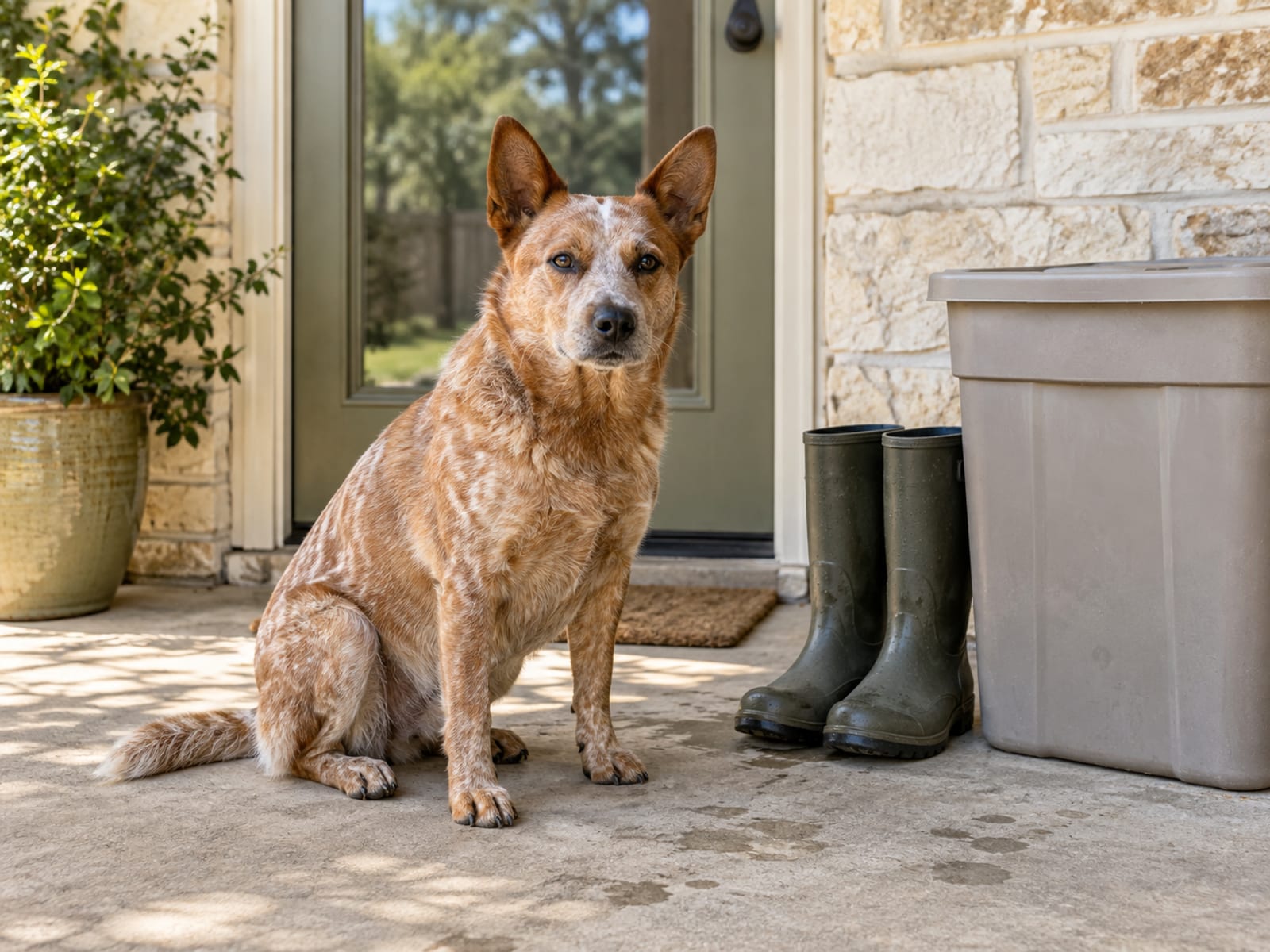
Core equipment is a long-handled scoop and rake, a spare, heavy-duty bags, gloves, washable boots, hand-cleaning supplies, a disinfectant for tools and footwear, sealable containers or liners, a vehicle trash container with secondary containment, and a high-visibility shirt. You will also need a phone, a scheduling and payment method, and basic records. Photo confirmation, gate-access tags, a headlamp and odor-control supplies are optional.
These dated price examples, from a retail product page opened in September 2026, show the range for the main tool. I am listing them as information, not as a recommendation to buy any brand.
Tap or hover a row to highlight it.
| Item type | Listed price |
|---|---|
| Item typeSwivel bin and rake | Listed price$23.99 |
| Item typeClaw scooper | Listed price$29.99 |
| Item typeAluminum spade and pan | Listed priceFrom $34.99 |
| Item typeSpade scooper | Listed price$69.99 |
| Item typeSpade scooper with rake | Listed priceFrom $79.99 |
| Item typePortable outdoor waste-disposal system | Listed price$149.99 |
So, a basic setup can start with roughly $25 to $150 for a primary scooping system. That is an equipment subtotal only. It leaves out bags, gloves, footwear, disinfectant, containment, vehicle costs, insurance, registration and disposal charges.
How should you price residential, HOA, apartment and commercial work?
For homes, start from what real local menus charge. These are two Texas examples, not statewide rates.
Tap or hover a row to highlight it.
| Business and date | Service | Published price |
|---|---|---|
| Business and dateNorth Texas Scoop, page opened September 2026 | ServiceWeekly service | Published priceFrom $16 per visit |
| Business and dateNorth Texas Scoop | ServiceOne-time cleanup | Published priceFrom $35 |
| Business and dateScoop & Roll, Magnolia, terms dated June 9, 2025 | Service1 or 2 dogs, once weekly | Published price$18 per week |
| Business and dateScoop & Roll | Service1 or 2 dogs, twice weekly | Published price$34 per week |
| Business and dateScoop & Roll | Service1 or 2 dogs, three times weekly | Published price$48 per week |
| Business and dateScoop & Roll | Service3 or 4 dogs, once weekly | Published price$22 per week |
| Business and dateScoop & Roll | Service3 or 4 dogs, twice weekly | Published price$42 per week |
| Business and dateScoop & Roll | Service3 or 4 dogs, three times weekly | Published price$60 per week |
| Business and dateScoop & Roll | ServiceOne-time cleanup | Published priceStarting at $59 |
Prices move with the number of dogs, how often you visit, how much has built up, access such as locked gates, travel, and disposal. A first cleanup can be priced separately from the recurring visits.
For HOAs, apartments and commercial properties, There is no statewide rate for HOAs, apartments and commercial properties, so quote each site separately. Ask for a site inspection, then quote from the number of units, the size of the common areas, frequency, servicing of pet-waste stations, access, labor, travel, disposal, reporting and contract length.
How do you build a compact route and find your first clients, and how does a franchise compare?
A route works best when stops are close together. Start with a small area, set fixed service days by neighborhood, and target streets with several dog-owning households near each other. Track lead numbers, cancellations, drive time, revenue per route and disposal cost, so you can see what a route hour is really worth.
To find clients:
- Ask happy customers for referrals, and ask for reviews after each completed job.
- Contact HOA boards, community and apartment managers, property managers and dog parks.
- Build referral relationships with veterinarians, groomers, trainers, boarding and daycare businesses, shelters and pet stores.
- Set up a Google Business Profile as a service-area business. Google allows up to 20 service areas, says the overall area should generally be within about two hours of driving, and lets you hide your address if you do not serve customers there. List only areas you actually serve. Google says a Business Profile can help service providers appear on Maps and Search and collect reviews.
If you are thinking about a franchise, read the Franchise Disclosure Document (FDD) yourself before you pay or sign. A third-party summary of the 2023 POOP 911 FDD reports an estimated initial investment of $3,620 to $25,970 and $0 in initial fees paid to the franchisor, and you should get the current FDD before relying on it. The DoodyCalls franchise FAQ lists a $39,900 franchise fee, says total investment also includes equipment, a vehicle and operating capital, and reports average gross revenue of $365,634 per franchisee for the fiscal year ending December 31, 2025, while stating that individual results may differ. Revenue is not profit, and another company's average does not predict your income. For Scoop Soldiers, request the current FDD directly and review Items 5, 6, 7, 19 and 20.
Questions people ask about starting a pooper scooper business in Texas
These short answers add a few details to what is above.
How profitable is a pooper scooper business?
I can't give you a reliable profit figure. Price examples and franchise disclosures give you ranges, but revenue is not profit, and results vary by market, contract, route density, disposal cost and expenses. Track revenue per route hour and your real costs from your first month.
How much can I charge to pick up dog poop?
Two Texas examples list weekly service from $16 or $18 per visit and one-time cleanups from $35 or $59. Those are local examples, not statewide rates, so compare current menus near you and adjust for dogs, frequency and buildup.
What do I need to start a pooper scooper business?
You need a business structure and, if applicable, an assumed name and an EIN. You also need a Comptroller answer on sales tax, local zoning and waste answers, an approved disposal location, scooping and sanitation equipment, insurance that fits your work, and a first route.
Can pet waste go in Houston trash?
Houston's code requires pet feces to be wrapped separately and securely to avoid spillage and offensive odor. A commercial operator should still confirm the disposal arrangement with the city and the receiving facility.
Quick check: starting a pet waste business in Texas
What is the next step?
Make three calls this week. Call your city's sanitation or solid-waste office about how bagged pet waste may be collected and moved, call the landfill or transfer station you would use, and call the Comptroller about sales tax. Those answers decide whether your plan works, and they cost nothing. I can't promise what any route will earn, and no article replaces a ruling from the office that decides. Start with the calls, then build your first small route.
Sources
- American Veterinary Medical Association: AVMA
- American Veterinary Medical Association: Spanish
- austintexas.gov: small-business permitting page
- comptroller.texas.gov: Comptroller's permit page
- comptroller.texas.gov: Form AP-220-s
- comptroller.texas.gov: Texas Comptroller's taxable services publication
- Cornell University College of Veterinary Medicine: Cornell
- doodycallsfranchising.com: DoodyCalls franchise FAQ
- fddexchange.com: summary of the 2023 POOP 911 FDD
- irs.gov: IRS Publication 583
- library.municode.com: solid-waste code
- Merck Veterinary Manual: Merck Veterinary Manual
- northtexasscoop.com: North Texas Scoop
- petmate.com: retail product page
- scoopandrolltx.com: Scoop & Roll
- sos.texas.gov: Texas Secretary of State Form 503
- support.google.com: Business Profile
- support.google.com: Google Business Profile
- tceq.texas.gov: TCEQ guidance document RG-606
- texas.gov: Texas.gov's startup guide