
Dog Boarding and Daycare in Mississippi: The Local Approvals Between You and Opening Day
By Cal Hewitt · Published
Business guides
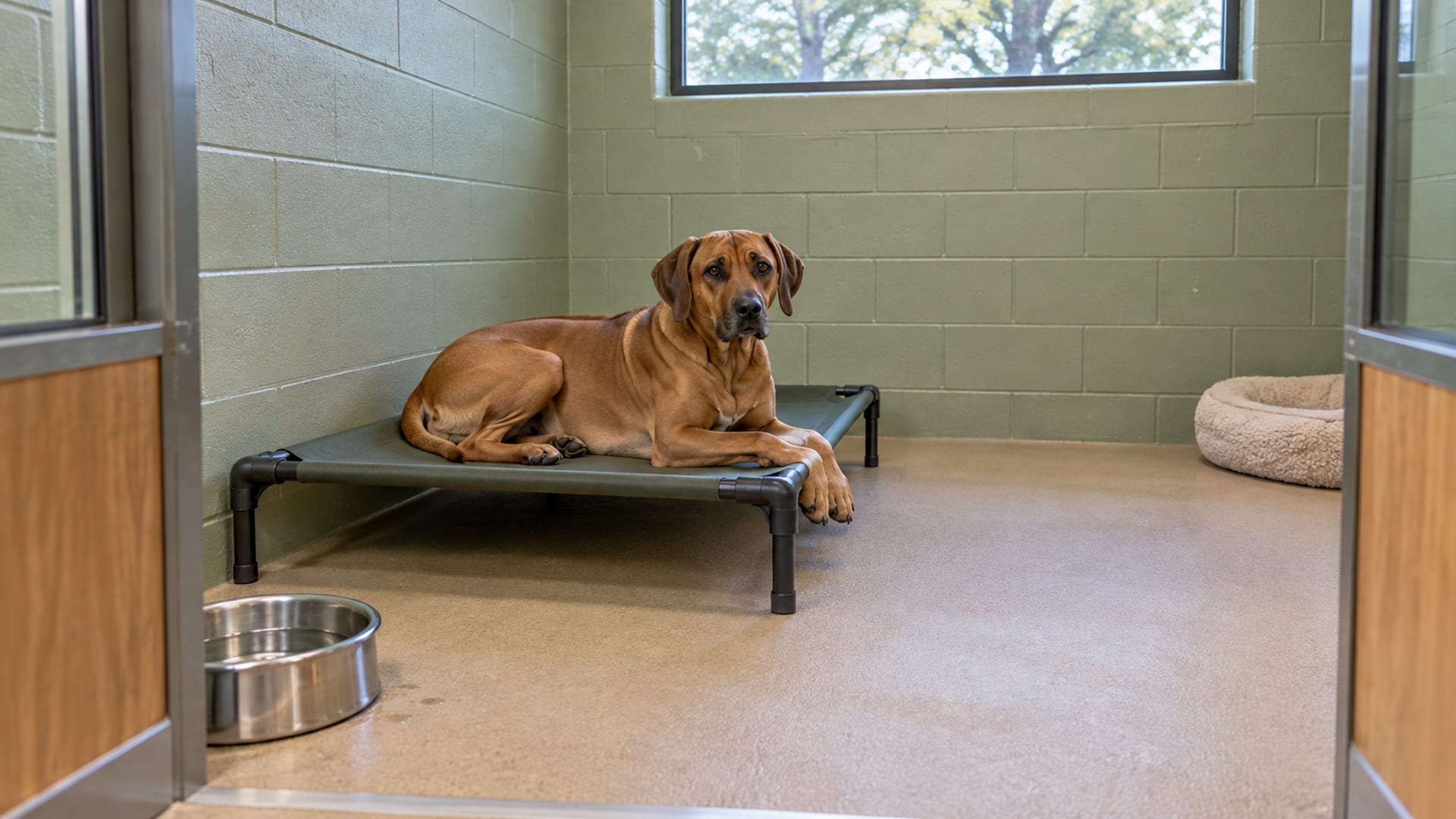
Mississippi's One Stop business steps include no general statewide kennel or dog-daycare license for ordinary commercial boarding, and that is not permission to open. Before you sign a lease, ask your city or county planning and zoning office whether boarding or daycare is allowed at the exact address. Then confirm the local business or privilege license with the city clerk or county tax collector, building and occupancy rules with the building department, fire requirements with the fire marshal, and wastewater with your sewer utility or the Mississippi Department of Environmental Quality. Register the business and tax accounts, get insurance that covers dogs in your care, and open only after the local approvals are complete.
Key takeaways
Tap a card to bring it forward.
- Mississippi's One Stop steps include no general statewide kennel or daycare license, but local approvals still decide whether you can open.
- Call planning and zoning with the exact address before you sign a lease or buy equipment.
- Jackson treats a place where four or more adult dogs or cats are regularly kept as a kennel; your city or county may draw a different line.
- Building, occupancy, fire and wastewater approvals come from different offices, so ask each one.
- A $25 fictitious name filing and a free EIN are registrations, not operating permits.
- Ask an insurer about care, custody and control coverage, because general liability alone may not cover dogs in your care.
The order matters because each step protects the money you spend on the next. A lease signed before zoning is confirmed, or a remodel started before the fire marshal sees the plan, can leave you paying for a space you cannot use. I'm Cal Hewitt. I build websites and marketing for dog businesses, and I'm not a lawyer, accountant, insurance agent, veterinarian or trainer, so every point below names the office that rules on your address.
Does Mississippi require a statewide kennel or daycare license?
For ordinary commercial boarding or daycare, the state points you to general registration, tax accounts and local permits rather than a state kennel license. The Mississippi One Stop guide, current September 2026, says: "You may be required to apply for permits and licenses from your local government." It names business licenses, building permits, health permits, occupational permits, signage permits, alarm permits and zoning permits.
The Mississippi Department of Revenue adds, as of September 2026, that "there is not a central licensing authority for the various regulatory and professional licenses which may be required for businesses." It sends owners to the municipal clerk and the county tax collector and warns them not to overlook zoning. You contact each office that touches your operation.
The Mississippi Board of Animal Health is not the office that licenses kennels. Its published mission is protecting Mississippi livestock and poultry, and its programs cover livestock, interstate animal movement, biosecurity and animal-disaster sheltering. Its companion animal sheltering plan lists emergency-facility needs such as separation, cleanable flooring, running water, lighting, ventilation, fire extinguishers and isolation areas. That is an emergency plan, not a commercial kennel license. Contact the Board if your business involves regulated livestock, moving animals across state lines, animal-disease rules or emergency sheltering. For regular boarding or daycare, start with your city or county.
What to do this week, before you spend money
Write one page describing the business you want to run. It becomes the script for every call that follows. Include the exact address and whether it sits inside city limits; the services (overnight boarding, daycare, grooming, training); how many dogs indoors and outdoors, with overnight and daytime numbers listed separately; your hours and whether dogs play in groups; the size and surface of any outdoor runs; how you will handle waste and wash water; and the noise and odor you expect.
Then call the city planning and zoning office with that address, or the county zoning office if the property is outside city limits. Ask whether the use is permitted, allowed only with a conditional-use permit, or not allowed. Ask about home-business rules, setbacks, fencing, noise, odor and capacity while you have them on the phone.
Your second call goes to the city clerk and the county tax collector. Ask whether you need a city privilege license, a county license or both, what each costs and when it renews. Note who you spoke with and when, and ask for the important answers in writing. You will want that paper when you sit down with a landlord.
How your city or county will classify a boarding or daycare business
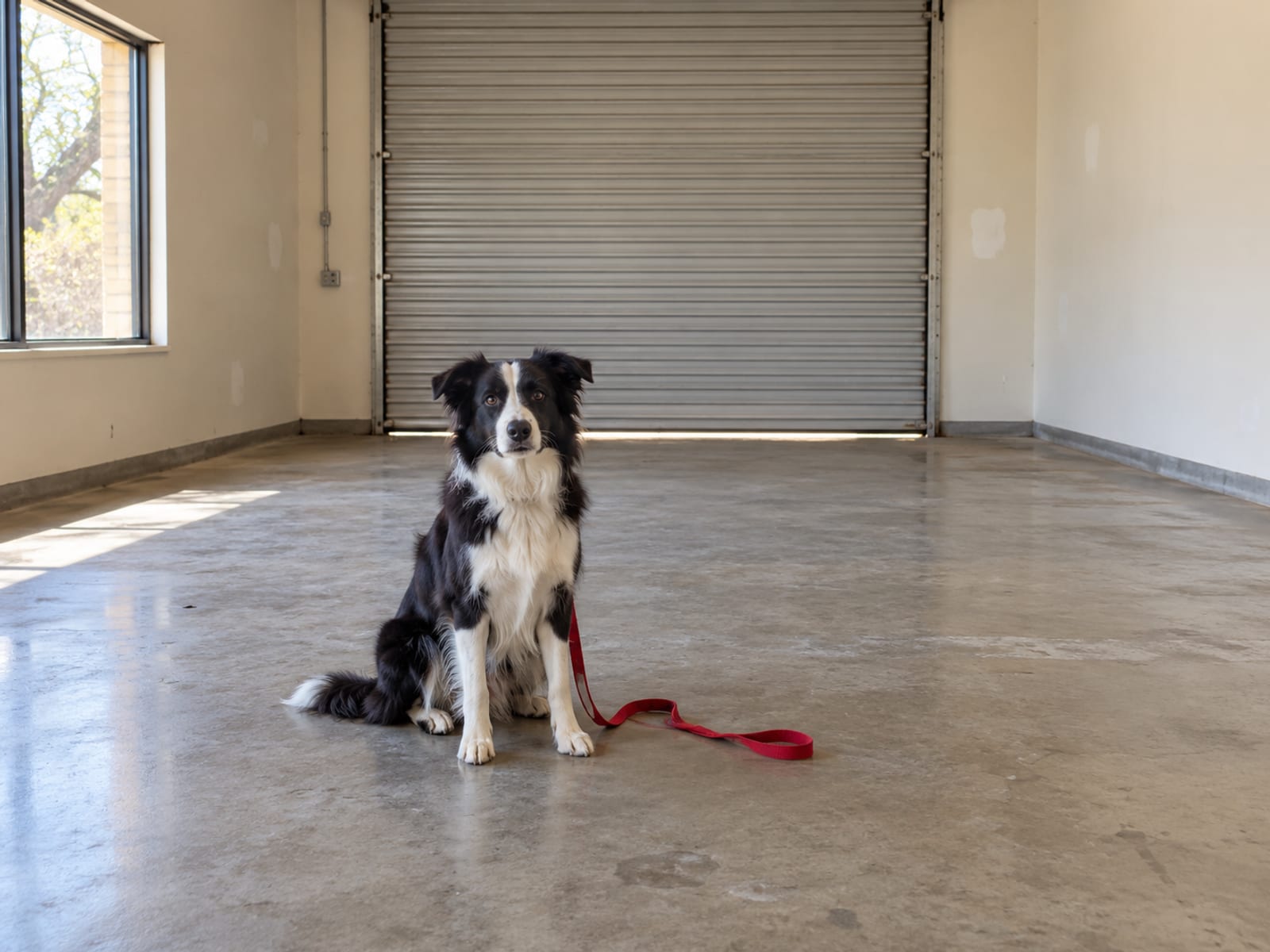
Classification is local, and the label decides which zoning districts allow you and which process you go through. A city or county may call your business a kennel, a commercial animal facility, animal boarding, a pet-care facility, a conditional use or a home occupation.
The City of Jackson's animal ordinance is a clear example. It defines a kennel as premises where a person is in the business of boarding, breeding, buying, letting for hire, training for a fee or selling dogs or cats, or where four or more adult dogs or cats are regularly kept. So, under that definition, a daycare or boarding business in Jackson is a kennel even if it never breeds or sells a dog.
The four-animal figure is a classification threshold. It tells you when a property counts as a kennel; it is not the most dogs you may keep. Jackson's zoning materials also separate commercial kennels from private kennels for household pets, so if your address is in Jackson, ask the planning office for the current zoning ordinance and the district rules for a commercial kennel.
Jackson's definition applies in Jackson. Another city, or the county for property outside city limits, may draw the line elsewhere or use a different term. If you hope to board dogs from home, ask whether your city or county treats it as a home occupation, whether that category allows client dogs, and whether your residential district allows a kennel under any permit.
Building, occupancy and fire approvals
Once zoning says yes, the building has to be approved for the use. Ask the city or county building and planning department about building permits for construction or changes, the occupancy classification and certificate of occupancy, structural work, plumbing, electrical and mechanical work, emergency exits and accessibility, and signs and alarms. For a converted warehouse, storefront, barn or former clinic, the key question is whether the existing certificate of occupancy covers what you plan to do.
Fire review usually runs through the local fire marshal or fire department. Ask about the fire inspection, exit access, extinguishers, alarm systems, sprinklers, emergency lighting, evacuation procedures, and how they will set your occupant load. The Mississippi State Fire Marshal's Office says it enforces the Mississippi Fire Prevention Code for specified categories, including state buildings, places of public assembly and high-rise sprinkler systems. Local enforcement and delegated inspections can apply depending on where you are, so ask your local fire office which agency inspects your building.

Plumbing, wastewater and electrical work
Kennels wash floors and runs constantly. The One Stop guide sends building and zoning permits to the city or county building and planning department, generally when you build or modify a business. Ask that department about plumbing, electrical, mechanical and structural permits for wash stations, floor drains, added circuits and ventilation.
Next, call the local utility or sewer authority about service capacity, drainage, solids in the wash water and discharge requirements. If the property has no public sewer, ask how wash water must be handled on site.
The Mississippi Department of Environmental Quality says its Environmental Permits Division processes "commercial wastewater permits" and "storm water permits," and its Municipal and Commercial Wastewater Division oversees permitting and compliance for commercial wastewater treatment facilities. Ask MDEQ whether your operation, including outdoor runs that drain in the rain, triggers a wastewater, stormwater or other discharge permit.
Dog count, outdoor runs, noise and odor
Don't plan around a statewide cap on boarded dogs. The number that limits you comes from your city or county, through a capacity limit, a zoning limit, a condition on a conditional-use permit, a setback, a fencing rule or a home-business limit.
Bring these questions to the planning office:
- What is the maximum number of dogs at this address, and does it count client dogs, my own dogs or both?
- Are overnight and daytime limits different?
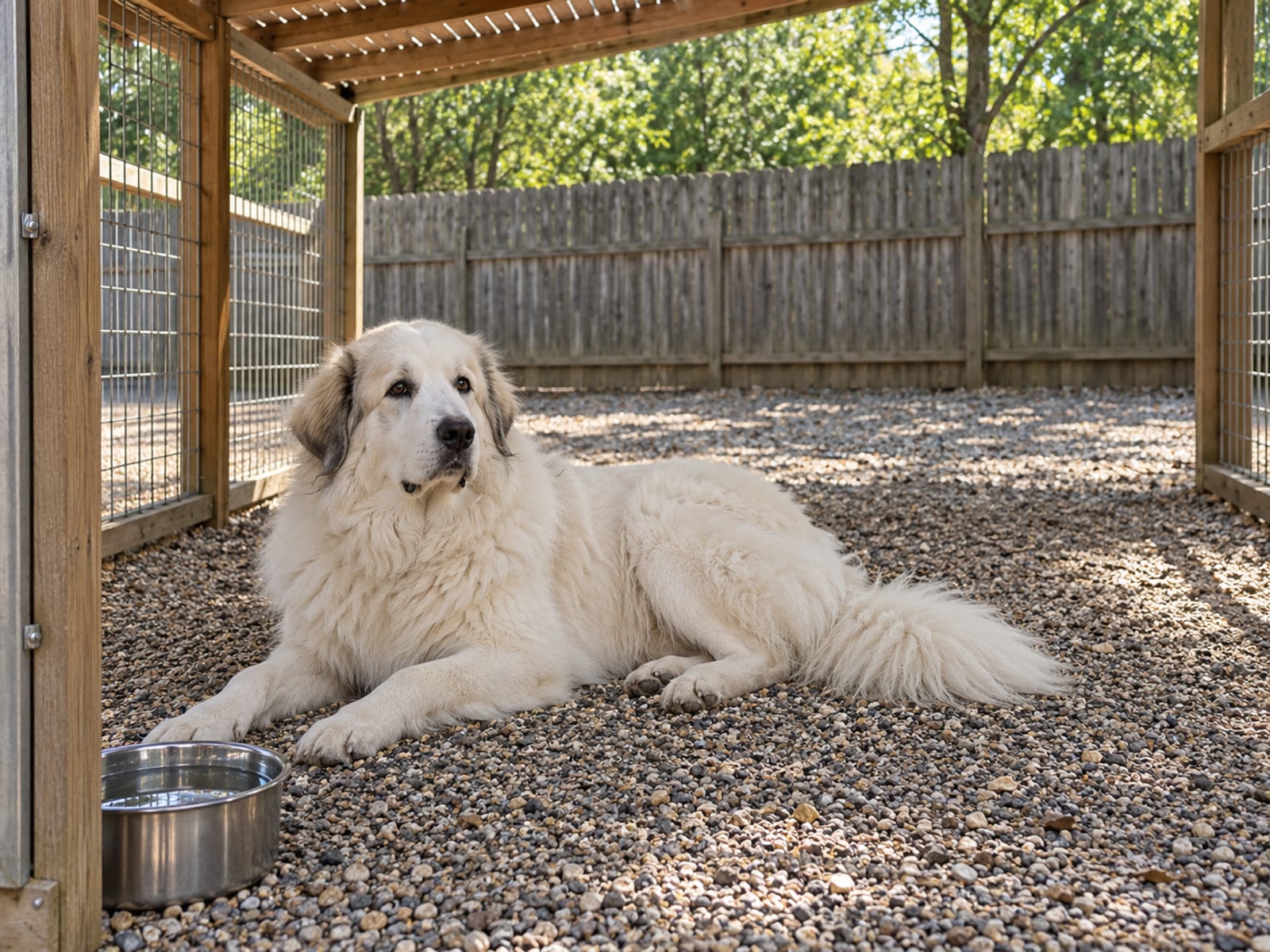
- Are outdoor runs allowed, and are exercise yards a separate land use?
- What setbacks apply from homes and property lines, and is screening required?
- What hours apply to outdoor activity?
- Are barking, noise and odor handled by zoning, nuisance rules or animal control?
- How must waste and wash water be handled?
- Is a public hearing or conditional-use permit required?
Call local animal control too, and ask which animal rules apply to your facility. Then size your capacity and floor plan around the answers, not around how many dogs the building could hold.
Registrations, licenses and what they cost
State and federal registration sets up your business; it does not approve your building. The Mississippi Secretary of State handles business filings and says "filing fees for business documents are set in statute by the Mississippi legislature." If you operate under a name other than your own, the fee schedule, opened September 30, 2026, lists $25 for a fictitious business name registration. That is a state filing, not a local license or your startup total.
The IRS says in Tax Tip 2026-46, June 4, 2026, that "an EIN is also called a federal tax identification number," and most businesses need one. The EIN application is free and generally available online in minutes. An EIN identifies your business for federal taxes and does not count as a Mississippi kennel permit.
Register the Mississippi tax accounts that apply to you with the Department of Revenue, and ask DOR which accounts a boarding or daycare business needs. DOR also says some businesses need city licenses, county licenses or both, which brings you back to the clerk and tax collector. Local zoning, building, fire, license and wastewater fees vary by address, so ask each office for its current fee schedule and total them before you commit.
If you plan to hire, the Mississippi Department of Employment Security published these animal caretaker wages in April 2025:
Tap or hover a row to highlight it.
| Animal caretaker wage level | Hourly | Annual |
|---|---|---|
| Animal caretaker wage levelEntry level | Hourly$9.45 | Annual$19,650 |
| Animal caretaker wage levelMean | Hourly$12.53 | Annual$26,070 |
| Animal caretaker wage levelExperienced | Hourly$14.05 | Annual$29,230 |
These are employee wage estimates for budgeting payroll, not a forecast of what you will earn as the owner.
The commercial lease: what to confirm in writing before you sign
A commercial lease does not mean the space can be used as a kennel; the zoning office decides that. Make the lease contingent on written confirmation from planning and zoning that boarding or daycare is allowed at the address, and on the building department and fire marshal confirming whether the existing certificate of occupancy covers your use.
The lease should address permitted use, naming dog boarding or daycare; approval contingencies for zoning, building, occupancy and fire; who pays for construction, plumbing, electrical and alarm work; drainage and wastewater; your rights to outdoor areas and runs; signage and access; insurance requirements; and your right to end the lease if a required approval is denied. Have a qualified attorney review the language before you sign.

Insurance and the safety systems to have ready before opening day
No license comes with coverage. Pet Sitters International says, as of September 2026, that "general business liability coverage won't give you the protection you need" for pet-care work, and names care, custody and control coverage, bonding, workers' compensation and commercial auto as specialized options. Ask an insurer about general liability, property, business income, workers' compensation if you have employees, and care, custody and control coverage for the dogs in your building. Ask what the policy excludes.
Write your safety systems down and practice them before the first dog checks in:
- Intake with owner and emergency contacts and a signed client agreement.
- A vaccination policy, with records on file before any dog stays.
- Staff training on reading play and separating dogs, plus written group-play rules.
- An isolation area for a dog that seems sick, and a cleaning and ventilation routine.
- An escape-response plan: who searches, who calls the owner, who stays with the other dogs.
- An evacuation plan for fire, power loss and hurricanes, including where the dogs go.
The Board of Animal Health's sheltering list of separation, cleanable flooring, running water, lighting, ventilation, extinguishers and isolation areas is a useful check on your own emergency setup. Ask your county emergency management office what it expects from animal businesses in a hurricane. Groups such as IBPSA, which includes "pet boarding and daycare facilities," offer education and certifications, and membership does not replace a government approval.
Questions Mississippi boarding and daycare owners ask
Short answers on what you need to open, boarding at home, a state kennel license and insurance.
What do you need to open a dog boarding business in Mississippi?
You need a zoning yes for your address, a local privilege license, building, occupancy and fire approval, and any sewer or MDEQ approval for wash water, plus state and federal registrations. With no central licensing office, you collect these yourself. Keep every written approval in one folder.
Do you need a license to board dogs in your home?
Ask your city or county planning office whether home boarding counts as a home occupation, a kennel or neither, and whether your residential district allows it. Occupational permits are among the local permits the One Stop guide names. In Jackson, regularly keeping four or more adult dogs or cats makes the premises a kennel under the animal ordinance.
Is there a statewide kennel license in Mississippi?
The state's business steps include no general statewide kennel or daycare license for ordinary boarding, and local approvals still apply. A trade credential does not replace a license either: the CCPDT CPDT-KA, for example, certifies dog training and does not serve as a Mississippi kennel permit.
Does a business license come with insurance?
No. Licensing and insurance are separate, and you arrange coverage with an insurer. Ask how the policy treats a dog that is injured, gets sick or escapes in your care.
Your next step: one call to planning and zoning
Write your one-page description this week and call the planning and zoning office for your address. Their answer tells you whether to keep going at that site, what process you face and what conditions to plan around. Everything else builds on that first yes: a lease with approval contingencies, the privilege license, building permits and the certificate of occupancy, the fire inspection, the wastewater answer, your registrations and insurance, and a practiced evacuation plan. Open after every required approval is in hand. Take it one office at a time, and keep notes from each call.
Sources
- Certification Council for Professional Dog Trainers: CCPDT
- dor.ms.gov: Mississippi Department of Revenue
- ibpsa.com: IBPSA
- irs.gov: EIN application
- irs.gov: Tax Tip 2026-46
- library.municode.com: animal ordinance
- mbah.ms.gov: companion animal sheltering plan
- mbah.ms.gov: Mississippi Board of Animal Health
- mdeq.ms.gov: Mississippi Department of Environmental Quality
- mdeq.ms.gov: Municipal and Commercial Wastewater Division
- mdes.ms.gov: Mississippi Department of Employment Security
- mid.ms.gov: Mississippi State Fire Marshal's Office
- ms.gov: Mississippi One Stop
- petsit.com: Pet Sitters International
- sos.ms.gov: fee schedule
- sos.ms.gov: Mississippi Secretary of State