
Arkansas Retail Pet Store Consumer Protection Act: Who Is Covered, Buyer Rights, Store Rules and Complaints
By Cal Hewitt · Published
Business guides
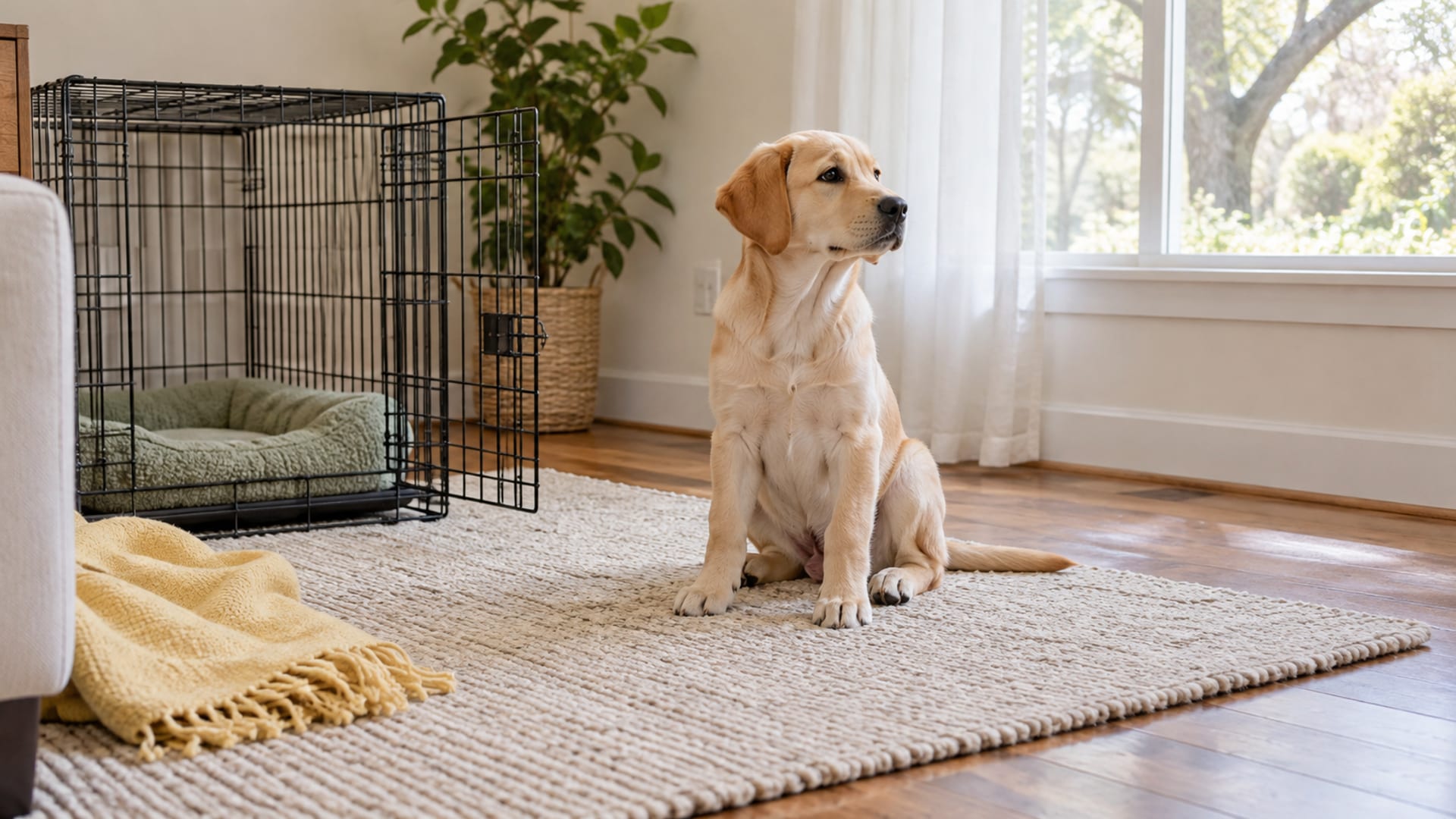
Arkansas's Retail Pet Store Consumer Protection Act applies to covered retail pet stores that sell dogs or cats. A covered store must register with the Arkansas Department of Health, keep animal and source records, meet care standards and give each buyer a written notice of their rights. If a licensed veterinarian certifies within ten days after the sale that the animal is unfit because of illness, a congenital malformation that hurts its health, or symptoms of a contagious or infectious disease, the buyer may keep the animal and seek qualifying vet reimbursement, within the law's limits. The law does not automatically cover every private breeder sale.
Key takeaways
Tap a card to bring it forward.
- The law is Arkansas Code Chapter 97 (sections 4-97-103 through 4-97-109) plus the Department of Health rule, 4 CAR Part 20, and it covers dogs and cats of any age.
- Kennels and catteries that sell directly to consumers, and authorized shelters and humane societies, fall outside the retail pet store definition.
- A buyer has ten days after the sale for a licensed vet to certify the animal unfit, then three business days to give that certification to the store.
- The buyer keeps the animal; reimbursement for qualifying vet care is capped at the purchase price and leaves out the initial exam and unrelated diagnostic fees.
- Stores register with the Department of Health ($100 initial, $50 annual renewal on the 2024 form), keep source records and quarantine new arrivals for at least 72 hours.
- Act 730 of 2023 limits some city and county bans on store animal sources, but zoning, business licenses and local animal permits still apply.
Does the Arkansas retail pet store law cover your sale?
Whether you're the buyer holding a sick puppy or the owner of a shop, the first question is the same: was this a covered retail pet store? Everything else in the law hangs on that answer.
Under Arkansas Code § 4-97-103 and the Department of Health rule, 4 CAR Part 20, an "animal" means a dog or cat of any age. The rule's definitions in 4 CAR § 20-102 describe a retail pet store broadly: a room, group of rooms, run, cage, compartment, exhibition pen or other covered place in Arkansas where an animal is sold, kept, displayed or offered for sale to the public. The rule reaches owners, officers, agents, operators, managers and employees, and it applies whether or not the business has registered. Skipping registration does not take a store outside the law.
The statute leaves out two groups:
- Kennels and catteries that sell animals directly to consumers.
- Qualifying authorized animal shelters and incorporated humane societies that offer animals for adoption.
The rule also describes an exclusion for qualifying kennels and catteries that mainly breed and train animals and don't ordinarily buy animals for resale.
So, if you bought a puppy straight from a breeder's kennel, Chapter 97's remedies may not reach your sale. Figure out how the seller actually operates before you count on them. If you run the business, describe what you do, not what you call it: a shop that buys puppies from outside sources to resell to the public looks like a retail pet store. If your situation sits near the line, ask the Arkansas Department of Health for a ruling, and talk to a lawyer about a specific dispute. DogServ gives general information, not legal advice.
What a buyer does if a newly bought puppy or cat gets sick
The clock starts at the sale, so move early. Take the animal to a licensed veterinarian you choose, and ask the vet directly whether the statutory certification applies.
Under Arkansas Code § 4-97-105, within ten days following the sale, that vet may certify the animal as unfit for purchase because of:
- Illness.
- A congenital malformation that adversely affects its health.
- Symptoms of a contagious or infectious disease.
There's a limit worth knowing before the appointment. Intestinal parasites alone don't make an animal legally unfit unless the animal is clinically ill because of them.
Once you have the signed certification in hand, you have three business days to present it to the store. Keep a copy of everything you hand over, and note the date and the person who received it. A text message or email confirming delivery helps if the timing is questioned later.
If your puppy is vomiting, has diarrhea or seems weak, get care first and sort out paperwork second. Our dog services directory lists veterinarians and emergency clinics. Health pages on our site can help you describe what you're seeing, but only the licensed vet's certification counts under this law.

What paperwork the store must give you at the sale
A covered store has to hand the buyer a written notice of the statutory rights at the time of sale. Section 4-97-105 says it must be printed in at least 10-point boldface type, and it must list:
- The animal's identifying number.
- Breed, sex and color.
- The sale date.
- The buyer's name, address and telephone number.
- The sales price.
The store certifies that information by signing the document. If you're buying, check that every line is filled in before you leave. The identifying number and sale date matter later, because the vet's certification and any claim tie back to them. If you run the store, treat this notice as part of every sale, the same way you'd treat the receipt.
What a buyer can recover, and how a store can contest it
The remedy in § 4-97-105 is specific and limited. The buyer keeps the animal and receives reimbursement for qualifying veterinary services meant to cure or attempt to cure it. The statute doesn't describe an automatic refund or replacement, and another state's puppy law doesn't change that. A separate written contract with the store may say more, so read yours.
The limits are specific:
- The reasonable value of the reimbursable vet services can't exceed the animal's purchase price.
- Initial examination fees are excluded.
- Diagnostic fees not directly related to the certification are excluded.
The store must reimburse no later than ten business days after it receives the signed certification.
A store that disagrees may require the animal to be examined by a veterinarian the store designates. If the two sides can't agree within ten business days after the store receives the animal for that exam, the buyer may bring an action in a court of competent jurisdiction. For a store owner, that means a certified claim calls for a decision: pay within ten business days, or use the second-exam route promptly and keep your records in order.
Tap or hover a row to highlight it.
| Figure | What it means | Source |
|---|---|---|
| Figure10 days | What it meansPeriod after sale for a qualifying vet certification | SourceArkansas Code § 4-97-105, current 2025 text |
| Figure3 business days | What it meansTime to present the certification to the store after receiving it | SourceArkansas Code § 4-97-105 |
| Figure10 business days | What it meansStore's reimbursement deadline after receiving the signed certification | SourceArkansas Code § 4-97-105 |
| FigurePurchase price | What it meansCap on qualifying reimbursable vet services | SourceArkansas Code § 4-97-105 |
| Figure72 hours | What it meansMinimum quarantine before a new arrival moves to the general area | Source4 CAR § 20-105, rule displayed March 22, 2026 |
| Figure8 weeks | What it meansMinimum age for an animal received if shipped or transported | Source4 CAR § 20-104, rule displayed March 22, 2026 |
| Figure2 hours daily | What it meansMinimum play and exercise for each well animal | Source4 CAR § 20-105, rule displayed March 22, 2026 |
| Figure$100 / $50 | What it meansInitial registration fee / annual renewal fee | SourceArkansas Department of Health form, 2024 |
What a store does before and after an animal arrives
If you're opening or running a retail pet store in Arkansas, registration comes first. Section 4-97-104 covers it, and the Department of Health's 2024 registration form lists a $100 initial fee and a $50 annual renewal, with submissions going to the State Public Health Veterinarian. Fees can change, so confirm the current amount with the Department of Health before you mail anything.
The acquisition rules sit in 4 CAR § 20-104. Each animal you receive needs a permanent record showing:
- Its identifying number, birth date, breed, sex and color.
- Arrival date, and exit date or death.
- The name, address and phone number of the person you got it from.
- The breeder's name, address and phone number.
- Any broker, dealer or other agent the animal passed through.
- Who took ownership, possession, care, custody or control when it left, with that person's signature.
Each animal should arrive with a licensed veterinarian's health certificate stating it is free from obvious signs of disease. If no certificate comes with it, arrange a vet exam within 72 hours, get a certificate, and remove any animal that fails. A store may not receive or acquire an animal shipped or transported under eight weeks of age.
The care standards inside an Arkansas pet store
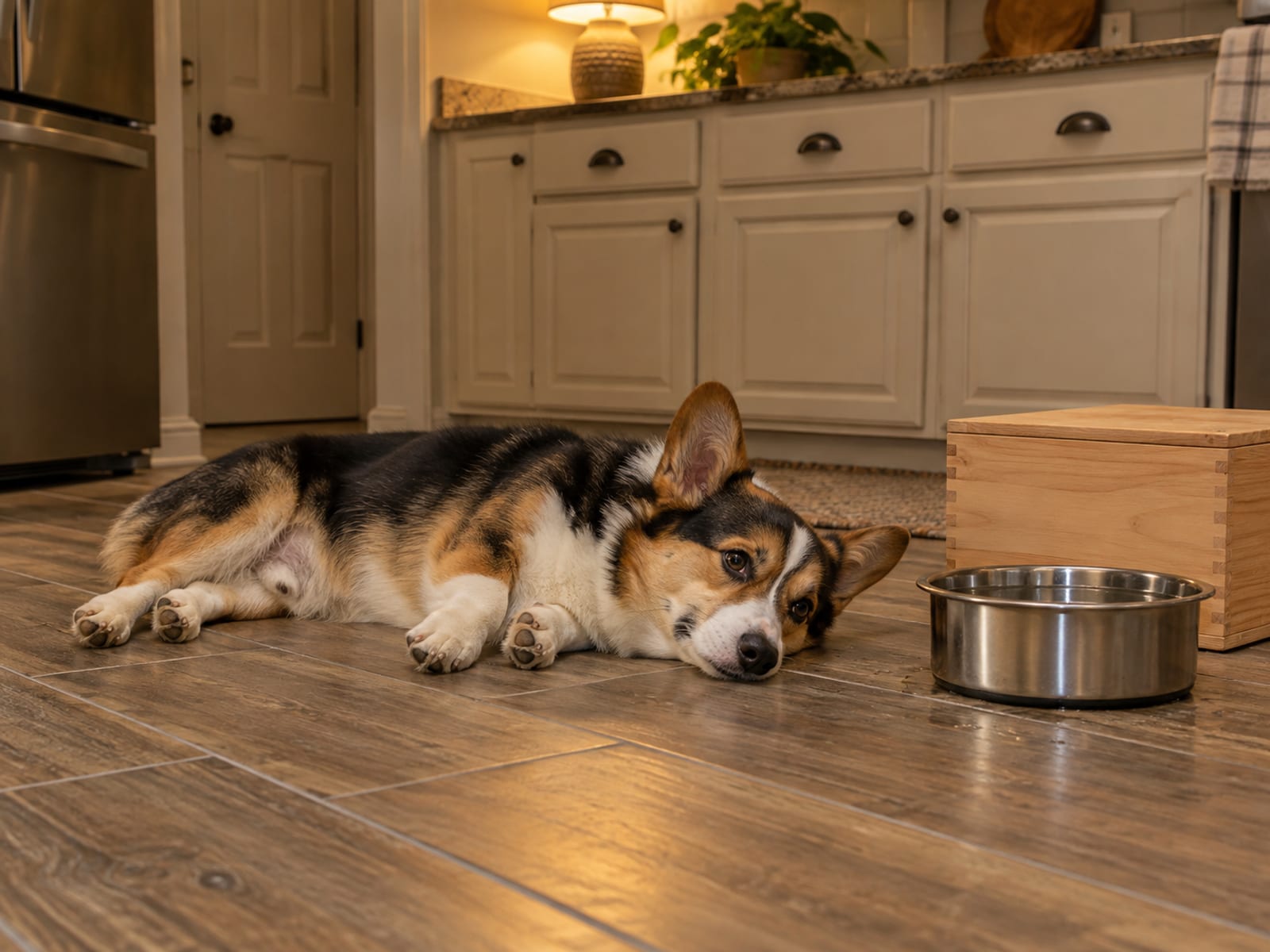
The day-to-day standards are in 4 CAR § 20-105. A covered store keeps three separate spaces: quarantine, isolation and a general area. Newly arrived animals stay in quarantine for at least 72 hours before moving to the general area, and they're examined within 72 hours of arrival for illness, injury and genetic defects, subject to the health-certificate exception.
After that, the routine is daily:
- Examine every animal each day for illness or injury, and get appropriate veterinary care for any that are sick, diseased or injured.
- Keep records of illness, injury, inoculations and parasite treatment, with vaccinations and parasite treatment as a veterinarian recommends.
- Feed commercially acceptable food every day, Sundays and holidays included, and provide water and shelter.
- Give each well animal at least two hours of play and exercise every day.
- Never tether an animal.
- Sanitize the facility and house animals with compatible companions.
The store also posts the minimum care standards, keeps signed acknowledgments from employees, and posts the names and phone numbers of at least two veterinarians. I'd build those into your opening checklist rather than adding them after an inspection.
Who handles complaints about an Arkansas pet store
The Arkansas Department of Health administers the law. Under § 4-97-103, an "authorized person" is the Secretary of the Department of Health or a delegate, or a law-enforcement officer. Section 4-97-106 covers public-health enforcement, and stores must post a notice saying complaints about treatment or care may go to the State Board of Health or a law-enforcement officer.
Which office you contact depends on the problem:
- A regulatory concern about how a store operates: the Arkansas Department of Health.
- An animal-care or cruelty concern that needs attention right now: local law enforcement.
- A marketplace dispute, such as unpaid reimbursement or a misleading sales claim: the Arkansas Attorney General's consumer complaint process.
The Attorney General's office says it may refer complaints, may ask the business for a written response within 30 days in mediation matters, and that mediation updates can take 30 to 40 days. It doesn't act as your private attorney. There's an English form and a Spanish complaint form.
Before you file anywhere, gather the contract, the written notice, receipts, vet records, ads, messages, photos and payment records. That stack is your case.
How this differs from breeder rules, and what Act 730 changed for cities
The retail pet store law is about stores that acquire dogs or cats and offer them for public sale: registration, source records, health certificates, quarantine, care standards, buyer notices and buyer remedies. It isn't a breeder-licensing law, and store registration doesn't stand in for any rule that applies to a breeding operation.
If your business both runs a store and breeds its own litters, more than one set of rules may reach you, depending on your facility, animals and sales channels. Ask the Arkansas Department of Health which rules apply to your breeding activity before you start. Our dog breeder license requirements page covers breeder licensing in general, which is a separate question from the retail store rules here.
Act 730 of 2023, approved April 12, 2023, stops a local government from prohibiting a retail pet store from acquiring or selling animals obtained from a cattery, a kennel or a qualifying federal-law dealer. That's its reach. It doesn't wipe out local zoning, building, business-license or animal-control requirements.
The local approvals to confirm in your city or county
Even a fully registered store still needs a green light from the city or county where it sits. Call your city planning or zoning department, business-license office, animal-services authority and building and fire-permit offices, or the county planning or code-enforcement office if you're outside city limits. Ask:
- Is this address zoned for a retail pet store?
- Do I need a conditional-use or special-use permit?
- Is a business license required?
- Is an animal-establishment or pet-shop permit required?
- Do kennel, animal-count, noise, odor, sanitation, fencing or outdoor-area rules apply?
- Does a home-business rule apply?
- Which building, fire, plumbing, wastewater or sign permits do I need?
Rules differ by city. Little Rock Planning and Development handles zoning verification and building-permit contacts. Fayetteville Planning reviews zoning, conditional-use permits, building permits and signs. North Little Rock requires an animal-establishment permit for covered animal businesses, including pet shops.
For the state side of opening a business, the Arkansas Secretary of State handles entity filings, the Department of Finance and Administration issues sales-tax permits, and the IRS says an EIN is free when you get it directly from IRS.gov.
Quick check: Arkansas pet store rules
Questions people ask about Arkansas pet store law
These cover store puppy sales, what the law requires, a sick puppy, cats and registration renewal, for buyers and store owners.
Can pet stores sell puppies in Arkansas?
Yes. Covered retail pet stores may sell dogs and cats if they register with the Arkansas Department of Health and follow Chapter 97 and 4 CAR Part 20. Act 730 of 2023 also stops local governments from banning stores from selling animals obtained from kennels, catteries or qualifying federal-law dealers.
What does the Retail Pet Store Consumer Protection Act require?
It requires a covered store to register, keep records on each animal and its source, meet care standards and give buyers a signed written notice of their rights. It also sets the buyer's ten-day vet certification process and the store's ten-business-day reimbursement deadline.
What can a buyer do if a puppy gets sick?
See a licensed vet quickly and ask whether the animal qualifies as unfit under § 4-97-105. If the vet certifies it within ten days of the sale, present the certification to the store within three business days and keep copies. If the store doesn't pay, the Attorney General's complaint process and the courts are the next routes.
Does the law apply to cats?
Yes. Both the statute and the rule define an animal as a dog or cat of any age, so the same buyer rights and store duties apply to kittens and cats sold by a covered store.
How often does a store renew its registration?
Every year. The Department of Health's 2024 form lists a $50 annual renewal after the $100 initial fee.
Your next step
If you're a buyer, check today's date against your sale date, book the vet, and keep every piece of paper the store gave you. If you're a store owner, start with the Department of Health registration form, then build your records, quarantine area and posted standards before the first animal arrives, and call your city about zoning and permits.
This page is general information, not legal advice. For a specific dispute or a coverage question, contact the Arkansas Department of Health or a lawyer licensed in Arkansas. And if you run a dog business in the state, you can list it in the DogServ directory so local owners can find you.
Sources
- arkansasag.gov: Arkansas Attorney General's consumer complaint process
- arkansasag.gov: Spanish complaint form
- codeofarrules.arkansas.gov: 4 CAR § 20-104
- codeofarrules.arkansas.gov: 4 CAR § 20-105
- codeofarrules.arkansas.gov: rule's definitions in 4 CAR § 20-102
- dfa.arkansas.gov: Department of Finance and Administration
- fayetteville-ar.gov: Fayetteville Planning
- healthy.arkansas.gov: Department of Health's 2024 registration form
- irs.gov: IRS
- law.justia.com: Arkansas Code § 4-97-103
- law.justia.com: Arkansas Code § 4-97-105
- law.justia.com: Section 4-97-104
- law.justia.com: Section 4-97-106
- littlerock.gov: Little Rock Planning and Development
- nlr.ar.gov: North Little Rock requires an animal-establishment permit
- sos.arkansas.gov: Arkansas Secretary of State
- webftp.blr.arkansas.gov: 4 CAR Part 20
- webftp.blr.arkansas.gov: Act 730 of 2023