
Texas Dog Breeder License: Who Needs One, the Five-Female Threshold, Fees, Inspection and Local Rules
By Cal Hewitt · Published
Business guides
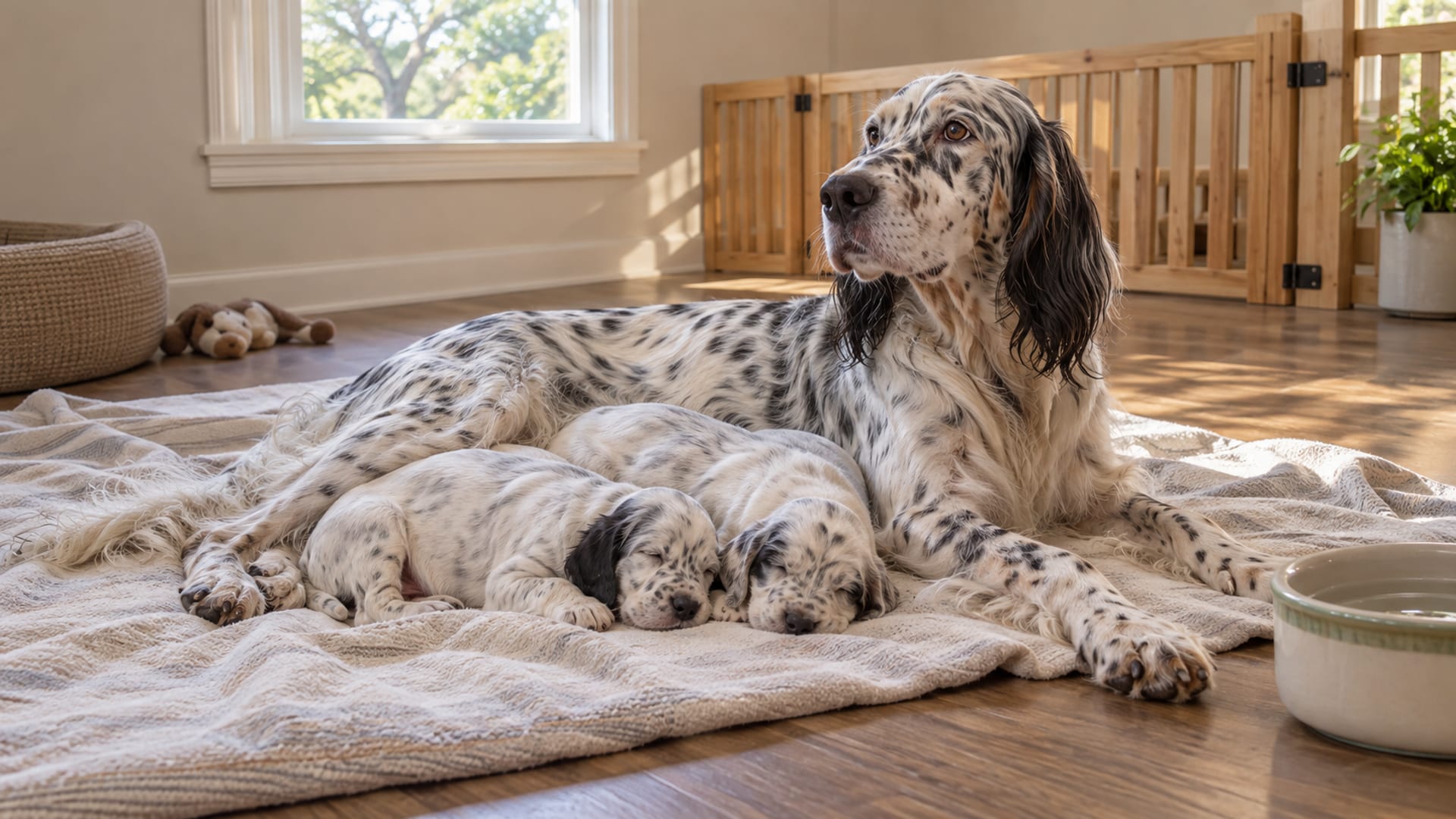
Texas generally requires a breeder license from the Texas Department of Licensing and Regulation (TDLR) when a person possesses five or more adult intact female dogs or cats and breeds them for direct or indirect sale or exchange. The number of puppies you sell no longer controls the state-license threshold. Narrow exemptions apply to dogs bred primarily for herding, hunting, field trials, hunting tests, breed or conformation shows, and similar organized performance events. A licensed facility must pass a pre-license inspection, meet Texas standards of care, keep required records and renew every year. City and county permits, zoning, intact-animal rules or kennel limits may apply on top of the state license.
Key takeaways
Tap a card to bring it forward.
- The state trigger is five or more adult intact female dogs or cats bred for sale or exchange, and an adult is six months or older.
- The old 20-animal sales threshold was removed; how many puppies you sell no longer decides whether a state license is needed.
- Exemptions are tied to what the dogs are bred primarily for, so they do not automatically cover every dog you own.
- The annual TDLR fee is $150, $300 or $500 depending on how many adult intact females you have.
- City and county permits are separate from the state license, and the state law leaves room for local rules.
- A license shows regulatory compliance; it does not guarantee a healthy puppy.
If you are about to breed, advertise, take a deposit or sell a puppy, the costly mistakes come from guessing at a number. You may also have seen 11-female and 20-sales figures online. Those belong to the former rule, and this guide follows the current one. I am not a lawyer, a veterinarian, a trainer or an accountant, so for each legal, tax, care and permit point below I point you to the office that decides.
Do you need a Texas dog breeder license?
Probably yes if you keep five or more adult intact females and breed them for sale or exchange. Texas Occupations Code Chapter 802 is the Dog or Cat Breeders Act. Section 802.101(a) says a person may not act as, offer to act as, or represent that they are a dog or cat breeder in Texas unless they hold a license for each facility they own or operate in the state. Section 802.002 defines a breeder as a person who possesses five or more adult intact female animals and is engaged in breeding them for direct or indirect sale or exchange for consideration.
TDLR runs the program. Its updated rules took effect January 1, 2024, after Senate Bill 876 and rule amendments adopted December 29, 2023. The license is per facility, so a second property needs its own license.
What number triggers licensing, and what happened to the 20-animal rule?
A person generally needs a license when all four of these are true:
- They possess five or more adult intact female dogs, cats or a mix of both.
- Each of those animals is six months old or older.
- The animals are intact and able to reproduce.
- The person breeds them for direct or indirect sale or exchange for consideration.
TDLR states that the prior requirement involving sales of at least 20 animals a year was removed, so annual sales volume is no longer part of the state threshold. An older TDLR page still shows the former 11-female and 20-animal wording, which is likely where the conflicting numbers come from; the current homepage, application page, statute and updated rules use the five-female threshold. Someone with fewer than five adult intact females is outside the state definition, but local rules may still require permits, set limits or require sterilization.
Does an exemption apply to your dogs?
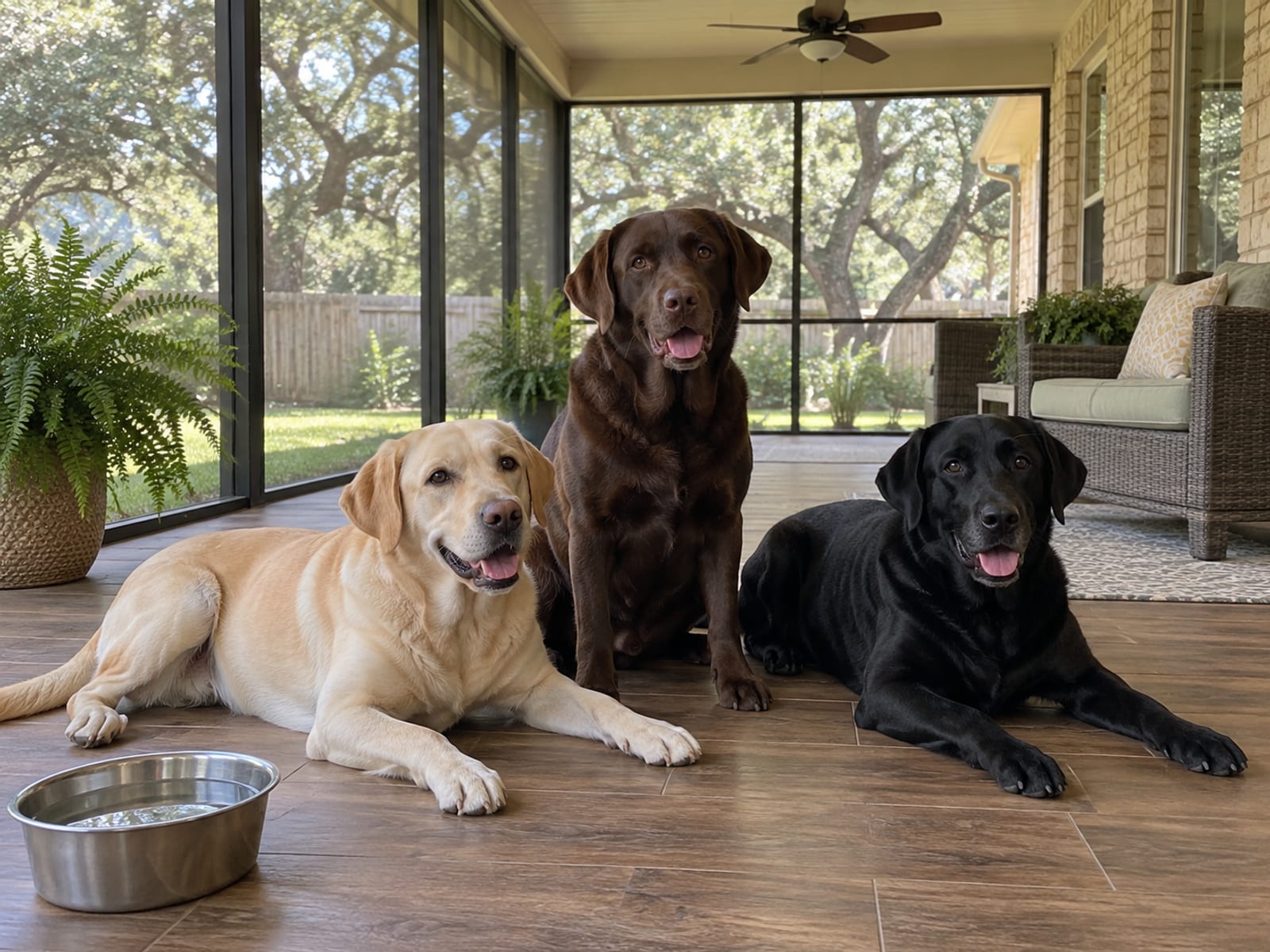
Section 802.005 exempts a person to the extent they breed dogs intended primarily for:
- Herding livestock or other agricultural uses.
- Hunting, including tracking, chasing, pointing, flushing or retrieving game.
- Competing in field trials, hunting tests, breed or conformation shows, or similar organized performance events.
The exemption follows the purpose of the dogs, not the person. Dogs covered by an exemption do not count toward the five-female threshold. If you also breed dogs or cats that do not qualify, you may still need a license for those animals. In a mixed operation, separate the exempt and non-exempt animals in your records, and confirm your situation with TDLR before you rely on an exemption. TDLR also publishes a plain-talk summary in Spanish of the 2024 changes.
How do you apply with TDLR?
Start on the TDLR application page and the forms page. The steps are to complete the application form (BRE-LIC-001) for the facility, report your female-animal tier, submit the information TDLR requests, pay the fee and prepare for inspection. Have your facility, records and health-care protocol ready before you apply, because the inspection comes before the license.
What does the pre-license inspection check, and what does the license cost?
A pre-license inspection is normally required before TDLR issues a license. A current USDA Class A animal-dealer license can exempt a facility from that inspection if the applicant submits the license and the required certification. The pre-license page and TDLR's standards in 16 Texas Administrative Code Chapter 91 cover:
- Structurally sound housing that prevents injury and escape, with clean, readily cleanable surfaces.
- Protection from extreme temperatures and weather, with shade, ventilation, drainage and shelter.
- Primary enclosures where each animal can stand, sit, turn, lie down and walk normally, with safe flooring.
- Compatible grouping and separation where needed.
- Exercise for dogs, and easy access to clean food and potable water.
- Cleaning, sanitation and pest control, and basic grooming to prevent soiling, matting and overgrown nails.
- A veterinary examination at least every 12 months for each breeding animal, and a written, veterinarian-approved health-care protocol at each facility.
- Rest between breeding cycles, documented in the animal's medical records.
- Training and documented supervision for employees who handle animals.
Each licensed facility must be inspected at least once in every 18 months. Serious or repeated violations can bring out-of-cycle inspections, twice or four times a year depending on the risk tier, per the inspections page.
Tap or hover a row to highlight it.
| Adult intact females | Original license | Renewal |
|---|---|---|
| Adult intact females5 to 10 | Original license$150 | Renewal$150 |
| Adult intact females11 to 25 | Original license$300 | Renewal$300 |
| Adult intact females26 or more | Original license$500 | Renewal$500 |
The fees are nonrefundable, and an out-of-cycle inspection costs $150 when it is required because of serious or repeated violations. The license lasts one year from issuance and cannot be transferred. Local permits and any other costs are separate.
What must a licensed facility do after approval?
The TDLR responsibilities page lists what keeps a license in good standing:
- Submit the annual inventory to TDLR by February 1.
- Keep individual animal records, including identity, origin, disposition, veterinary care and, for females, breeding information, and retain them for two years.
- Display the license.
- Put the facility license number conspicuously in every advertisement.
- Put the license number and the required TDLR regulatory statement in every sale or transfer contract. The statement names the agency, mailing address, telephone numbers and website.
- Allow the inspections described above.
- Send change notices within the period TDLR sets; its guide summarizes that as ten days, so confirm the deadline on the official page.
What happens if the license expires or you operate without one, and which local approvals are separate?
A person may not do work that needs a license while the license is expired. TDLR's renewal page sets late-renewal costs:
- Up to 90 days late: 1.5 times the normal renewal fee.
- More than 90 days and less than 18 months: twice the normal renewal fee.
- At least 18 months but less than three years: executive-director approval is required.
- More than three years: a new license application.
TDLR says administrative penalties can reach $5,000 per day per violation, with each day counted separately. Its sanctions table lists unlicensed activity as a Class F violation with a first-violation penalty of $3,000 to $5,000 and possible revocation.
Local rules are separate from the state license. Section 802.003 keeps other federal, state and local requirements in force and lets local governments prohibit or further regulate breeding and sales. Examples from named offices:
- Houston: the BARC permitting page lists non-commercial breeder, hobby or conformation breeder, and commercial pet-facility permits, and the municipal code says operating as a commercial breeder requires a valid breeder permit.
- Dallas: Dallas Animal Services requires a breeding permit for each intact animal intended for breeding, renewed annually. The animal must be veterinarian-approved for breeding within 90 days of applying, microchipped and rabies-vaccinated. The listed fee is $250.
- San Antonio: Animal Care Services lists a seller's permit for anyone selling or offering one or more puppies, a litter permit for a female that has a litter, and commercial kennel permits. The fee schedule lists $250 a year for the seller's permit and $50 for a litter permit.
- Austin: Austin Animal Services directs anyone who intends to breed in the city to the Pet Trader guidelines in City Code §3-2-3, and Development Services handles zoning verification.
- Fort Worth: an intact pet permit applies to intact dogs and cats unless sterilized or covered by an exception, and the listed fee is $50 per pet.
County rules may apply outside city limits. Before you buy breeding animals or sign a lease, ask the animal-services and planning or zoning office for your address: whether breeding is allowed there, what the zoning category is, whether a home-occupation approval is needed, whether there is a limit on dogs, litters or intact animals, which permits apply per animal or per facility, and who confirms the answer in writing.
What state rules apply when you sell a puppy?
For licensed breeders, TDLR's rules say a puppy or other animal may not be sold, traded or given away before eight weeks of age, as summarized in the licensed breeder quick reference guide. Advertisements and contracts carry the license number, and contracts carry the TDLR statement, as covered above.
For animals coming into Texas from another state, the Texas DSHS requires dogs and cats 12 weeks or older to have a current rabies vaccination and a rabies vaccination certificate. DSHS says Texas does not require a Certificate of Veterinary Inspection for dogs and cats entering the state, although an airline may ask for a health certificate. An in-state private sale is not automatically subject to the same entry paperwork, so ask the destination city about its animal-control rules and check any destination state's requirements. Local sale permits, such as San Antonio's seller's permit, can add duties of their own.
What does responsible breeding involve beyond the license, and what does a license not prove?
Texas rules require annual veterinary examinations, a veterinarian-approved written health-care protocol, appropriate care and rest between breeding cycles. They do not set one universal minimum breeding age or maximum litter count for every breed, so build the breeding plan with a veterinarian.
Welfare groups fill in the rest. The ASPCA says responsible breeders plan around the mother's age and health with veterinary input, provide food, water, shelter, exercise, socialization, grooming and veterinary care, screen for heritable traits, disclose health information, use plain-language contracts and accept responsibility for dogs throughout their lives. It says puppies should generally not be fully weaned before eight weeks and are ideally placed at 10 to 12 weeks. The AKC says breed-specific health testing should follow the relevant national breed club's recommendations, and that testing informs breeding decisions but does not guarantee offspring free of disease. The AVMA stresses disease prevention, proper housing, nutrition, humane handling and veterinary involvement.
A license shows regulatory authorization and compliance with the licensing program. It is not a health guarantee, a veterinary certification or an endorsement. Buyers can check a license through TDLR and still ask for veterinary records and health testing. DogServ does not endorse any breeder.
Questions about the Texas dog breeder license
These short answers add details not covered above.
Do you need to be licensed to be a dog breeder in Texas?
Generally yes, when you possess five or more adult intact female dogs or cats and breed them for sale or exchange. Exemptions for herding, hunting, field trials, hunting tests and breed or conformation shows are tied to what the dogs are bred primarily for.
What is the Texas dog breeder law?
It is the Dog or Cat Breeders Act, Texas Occupations Code Chapter 802, with detailed rules in Texas Administrative Code Chapter 91. TDLR administers it and links both on its laws and rules page.
What happens if you breed without a license?
TDLR lists unlicensed activity as a Class F violation, with a first-violation penalty of $3,000 to $5,000 and possible revocation. Administrative penalties can reach $5,000 per day per violation, and city or county rules can add their own consequences.
Does a male dog count toward the threshold?
The statutory breeder definition counts adult intact female animals. Other animals can still matter for local rules and facility standards.
Your next step
Count your adult intact females today and write down which ones, if any, fall under an exemption. Then call two offices for your address: TDLR about the license and your city or county animal-services and zoning offices about permits, and get their answers in writing before you advertise or accept a deposit.
Sources
- American Kennel Club: AKC
- American Veterinary Medical Association: AVMA
- ASPCA: ASPCA
- austintexas.gov: Austin Animal Services
- austintexas.gov: Development Services
- dallascityhall.com: Dallas Animal Services
- dshs.texas.gov: Texas DSHS
- fortworthtexas.gov: listed fee
- houstonpermittingcenter.org: BARC permitting page
- library.municode.com: municipal code
- sa.gov: Animal Care Services
- sa.gov: fee schedule
- tcss.legis.texas.gov: Dog or Cat Breeders Act
- tdlr.texas.gov: fees
- tdlr.texas.gov: forms page
- tdlr.texas.gov: inspections page
- tdlr.texas.gov: laws and rules page
- tdlr.texas.gov: licensed breeder quick reference guide
- tdlr.texas.gov: older TDLR page
- tdlr.texas.gov: plain-talk summary in Spanish
- tdlr.texas.gov: pre-license page
- tdlr.texas.gov: renewal page
- tdlr.texas.gov: rule amendments adopted December 29, 2023
- tdlr.texas.gov: sanctions table
- tdlr.texas.gov: TDLR responsibilities page
- tdlr.texas.gov: TDLR