
Georgia Rabies Law for Dog Businesses: Certificates, Tags and Intake Records
By Cal Hewitt · Published
Business guides
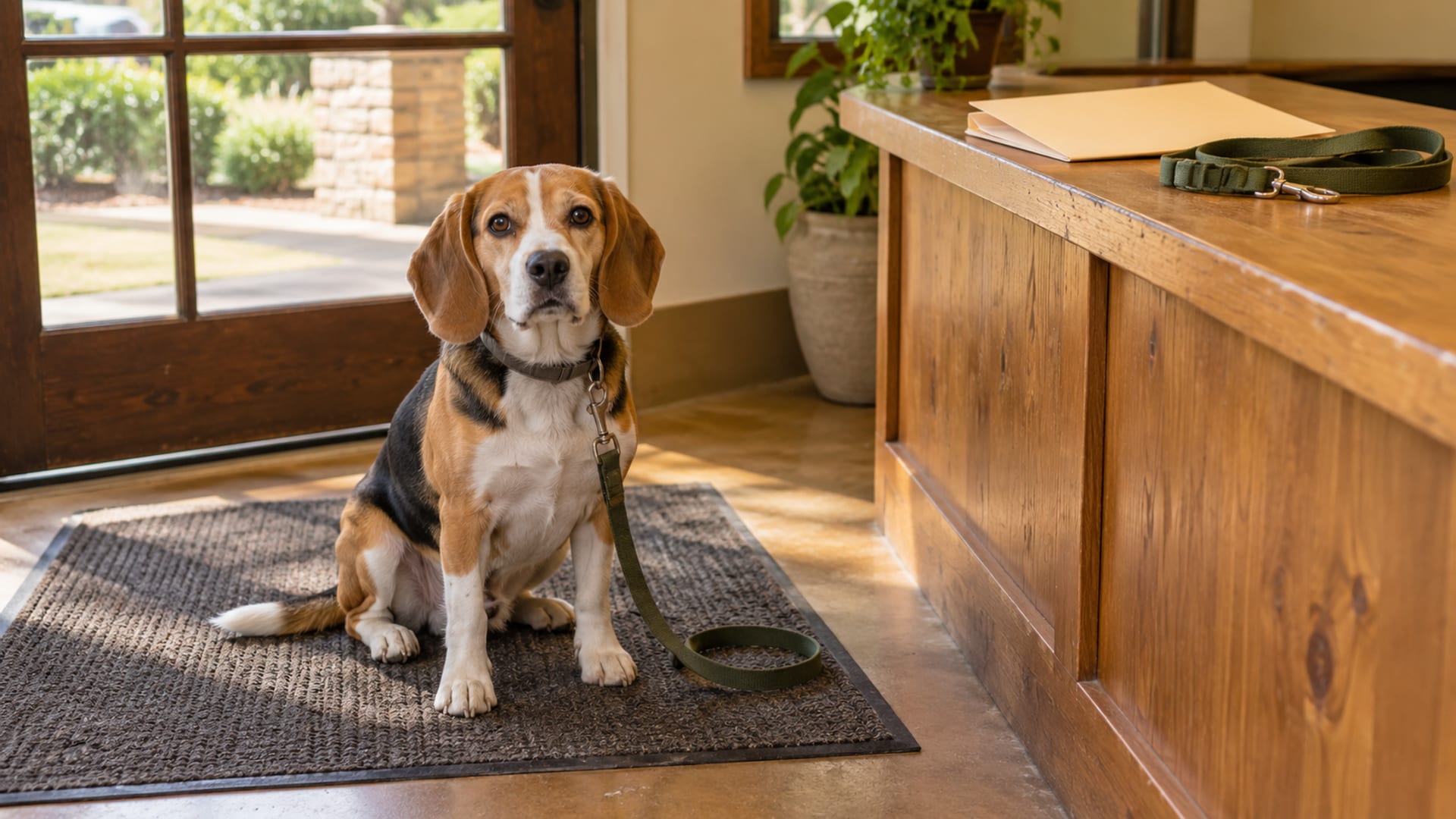
Georgia's rabies law puts the vaccination duty on the dog's owner, and county boards of health and local governments run many of the tag and licensing rules. If you board, groom, run daycare or sit dogs in Georgia, you can set your own written intake policy, but call a certificate demand your policy, not statewide business law, unless a specific rule or permit says otherwise.
Ask for a current certificate showing the dog, vaccine date, expiration date and veterinarian. Record the owner, emergency contact, veterinarian and dates. Check the dog's county for tag rules. After a bite or possible exposure, call local animal control or public health and follow their confinement instructions.
Key takeaways
Tap a card to bring it forward.
- Under O.C.G.A. Title 31, Chapter 19, each county board of health has primary responsibility for rabies control, and the vaccination duty sits with the owner.
- A certificate requirement at your front desk is your written policy; word it that way unless a state, county, city or licensing rule requires it.
- A certificate, a tag and a county registration are three different records. Fulton and DeKalb counties ask for a copy of the certificate when a dog is registered.
- Georgia Department of Agriculture (GDA) kennel records under Rule 40-13-13 must be complete, kept current on the premises and retained for 12 months.
- After a bite or suspected exposure, the dog may be confined and observed for 10 days under public-health direction. Keep every record unchanged.
What does Georgia law say about the dog owner and rabies?
The rules sit in O.C.G.A. Title 31, Chapter 19. Section 31-19-1 gives each county board of health primary responsibility for rabies control and lets it adopt rules for prevention and control. Section 31-19-3 lets counties and municipalities require animal regulation or licensing. Section 31-19-4 covers bites: a person bitten by an animal reasonably suspected of rabies must notify the county board of health, and the owner or custodian of an animal that has bitten a person or animal, or that shows signs of rabies, must notify the board and confine the animal under county rules.
The practical meaning for you is this. The state sets the outline, and your county and city fill in the details. The owner has the vaccination duty. You, as the business, decide what you will ask a client to prove before a dog comes through your door, and you decide it in writing.
Does Georgia require every dog to have a current rabies vaccination?
Yes, Georgia's rabies-control rules call for dogs to be vaccinated. The Georgia Department of Public Health Rabies Control Manual, updated December 2024, says dogs, cats and ferrets must be vaccinated and revaccinated under the vaccine maker's recommendations and the national Compendium, using FDA-approved vaccines.
Here is the timing the manual gives:
- Many licensed dog vaccines start at three months, though some labels begin at six weeks or four months.
- A first vaccination counts as immunizing after at least 28 days.
- A second dose comes one year after the first.
- After that, boosters run on an annual or three-year schedule, depending on the product and local rules.
- A previously vaccinated dog counts as current immediately after a booster.
The manual tells owners to ask county authorities whether they follow annual or three-year boosters. So, when a client hands you a three-year certificate, check whether the dog's county recognizes it before you decide anything.
Who may give the rabies vaccine in Georgia?
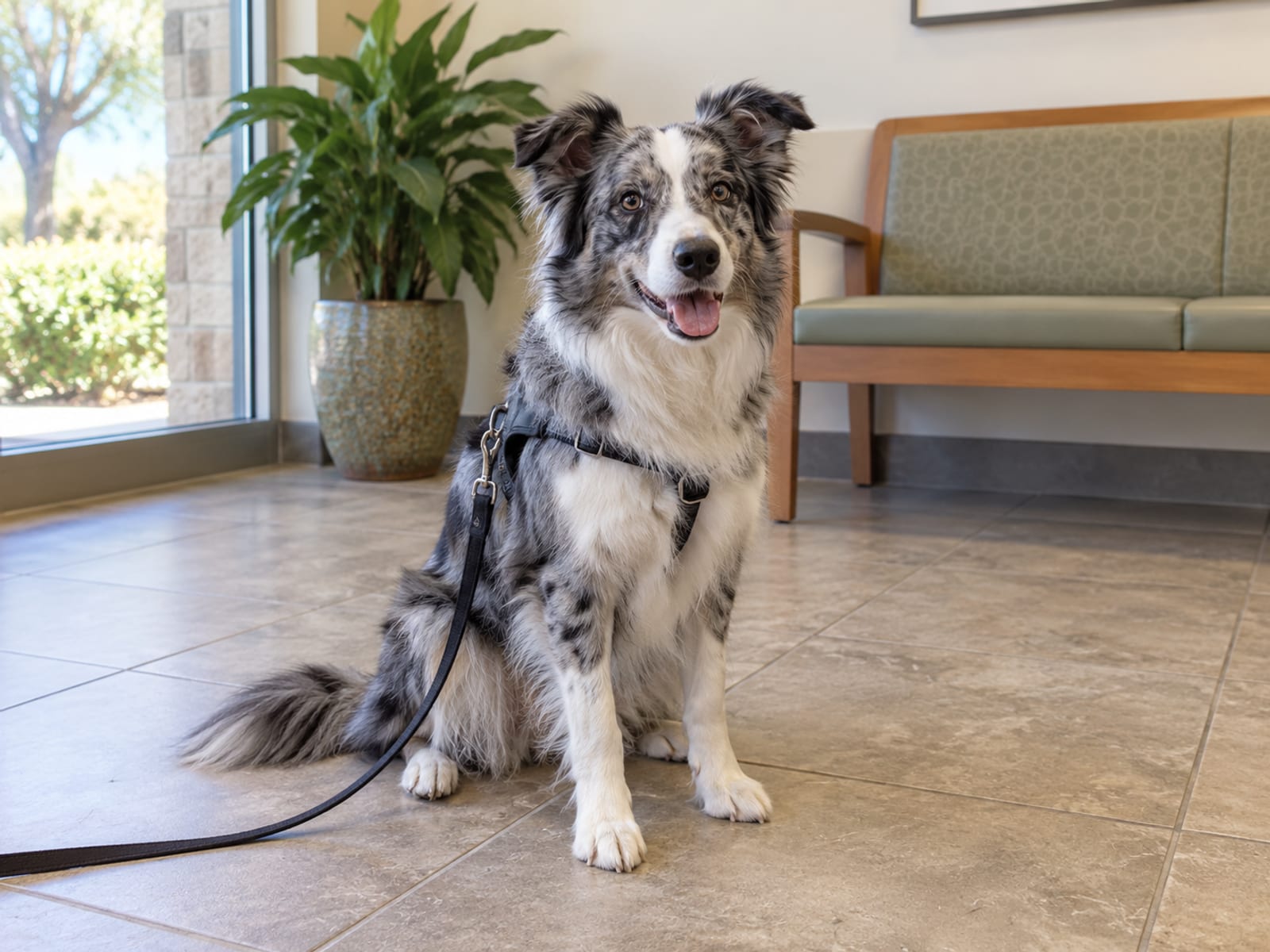
The December 2024 manual says the vaccine should be given by a licensed veterinarian. A 2026 amendment, HB 1408, changed part of that picture effective July 1, 2026. A licensed veterinary technician working under the direct supervision of a licensed veterinarian may now give an antirabies vaccination to an animal the state requires to be vaccinated.
For your intake file, that means a certificate can come from a veterinary clinic where a technician gave the shot under a veterinarian's supervision. Look for the clinic and veterinarian information on the certificate, and read the manual's veterinarian wording together with the newer law.
Your intake policy and state law: what can you require in writing?
You can write your own rules. You should say they are yours. Georgia law sets the owner's duty and local authority; it does not turn your front-desk form into a statewide business mandate. Calling it your policy is accurate, and it protects you when a client pushes back.
Here is wording you can adapt:
> Rabies records are required under our intake policy before a dog enters our care. Please provide a current rabies certificate showing your dog's identifying information, vaccination date, expiration date and veterinarian information. A tag may be required by your county, but our file normally requires the certificate.
> If the certificate is expired, missing or unclear, contact your veterinarian or county animal-services office for replacement records or instructions. We may postpone or refuse intake until the record is updated or the appropriate public-health office gives written direction.
> If a veterinarian has documented a medical reason to delay vaccination, send the written veterinary documentation before arrival. Acceptance remains subject to our written policy and any applicable county or public-health rule. A veterinary letter does not automatically create a statewide exemption.
Your policy should also say which documents you accept, how far ahead clients must send them, whether digital copies are fine, how records get updated, who can authorize emergency veterinary care, what happens to deposits when you refuse intake, and who clients should call about county rules. Then apply it the same way to every client. A consistent policy is what keeps an intake dispute from turning personal.

Certificate, tag and county registration: what is the difference?
They are three records, and a client can have one without the others. The certificate comes from the vaccinating clinic. The tag comes from the county or city. Registration is the local record that ties the dog to its owner. Do not treat a photo of a tag as a full substitute for the certificate unless your written policy and the local office allow it.
Local rules differ, so ask the dog's county. These examples are dated October 11, 2026:
Tap or hover a row to highlight it.
| County | What the county page says |
|---|---|
| CountyChatham | What the county page saysDogs and cats must wear the county rabies tag. One-year tag $5, three-year tag $15. Animals at least four months old must be vaccinated and licensed within thirty days of annual inoculation. |
| CountyFulton | What the county page saysThe county ordinance requires owners to license dogs and cats. $10 for one year or $25 for three years for spayed or neutered pets; $25 or $60 for unaltered pets. A $10 late fee applies when the license is more than sixty days overdue. |
| CountyDeKalb | What the county page saysDogs, cats and ferrets must be registered within sixty days of vaccination, on moving into the county or on acquiring a pet. $10 for one year or $25 for three years for altered pets; $25 or $60 for unaltered pets. A copy of the certificate is required. |
| CountyGwinnett | What the county page saysA current rabies tag is required for dogs and cats. The county also describes a ten-day bite quarantine. |
Sources: Chatham County Animal Services, Fulton County Animal Services, DeKalb County Animal Services and Gwinnett County. The Savannah-Chatham animal-control ordinance also names a rabies certificate and a vaccination and license tag, obtained within thirty days of annual inoculation.
For any other address, call the county animal-services office, county board of health, city clerk or municipal animal control. Ask seven things: the vaccination age, annual or three-year schedule, tag and registration rules, registration deadline, whether a certificate copy is required, where a biting dog is confined, and the local kennel, home-occupation and animal-count rules.
What should you request at intake and what should you record?
Request the current rabies certificate. It should show the dog's identifying information, the vaccine date, the expiration date, the vaccine or certificate number when shown, and the veterinarian's information.
Georgia licensed kennels have a specific record duty. GDA Rule 40-13-13 requires complete and accurate records of acquisitions, releases, custodial care and health for all animals. The rule says the records must be kept current on the premises, kept for twelve months and made available to the Commissioner or an authorized representative on request. The GDA kennel record-keeping form has fields for:
- The pet owner's name, address and phone
- The person receiving the animal at release, if not the owner
- The veterinary facility's name, address and phone
- An emergency contact
- The owner's veterinarian
- Pet type and quantity
- Date in and date out
- Date and cause of death, if known
If you are not a licensed kennel, the same fields still make a sensible intake file. I'd add the dog's name, breed, color, sex, age and description; the owner's email; who has authority to make urgent decisions; the people allowed to pick the dog up; your service dates and where the dog stayed; any incident reports; and copies of any animal-control or public-health instructions. Note the date and method of every update. If you are working out whether your business needs the state license, our guide to the Georgia kennel license covers who it applies to.

How much is a rabies shot in Georgia, and where are the free or low-cost clinics?
These are provider prices on named pages, not statewide averages:
- Society of Humane Friends of Georgia lists a $10 dog rabies vaccination at its low-cost clinics, held at various locations and open to residents outside Gwinnett County (clinic page, accessed October 11, 2026).
- The Humane Society of Valdosta and Lowndes County lists $10 at its Petco Love vaccine clinic, with appointments required (accessed October 11, 2026).
- Chatham County's revenue ordinance lists a $10 rabies vaccination fee through animal-control medical services.
- The Humane Society for Greater Savannah lists a one-year or three-year rabies vaccine at $20 when added to a surgery appointment.
- The Humane Society of Northeast Georgia lists $15 for one year and $35 for three years in its 2026 dog pricing. The three-year vaccine is for previously vaccinated dogs within thirty days of expiration, and the rabies vaccine requires an exam.
Tap or hover a row to highlight it.
| Provider | Rabies vaccine price |
|---|---|
| ProviderSociety of Humane Friends of Georgia | Rabies vaccine price$10 |
| ProviderHumane Society of Valdosta and Lowndes County | Rabies vaccine price$10 |
| ProviderChatham County animal-control medical services | Rabies vaccine price$10 |
| ProviderHumane Society for Greater Savannah (with a surgery appointment) | Rabies vaccine price$20 |
| ProviderHumane Society of Northeast Georgia | Rabies vaccine price$15 one year, $35 three years |
The vaccine itself ran $10 to $35 on those pages, and some clinics add an exam, an appointment or a package. When a client says they cannot afford an update, send them to the county animal-services office or county health department and ask for the next rabies clinic. Have them confirm the total price, the appointment rule and the proof to bring.
Can a rabies titer replace a rabies certificate?
Do not assume so. A titer is a blood test that measures rabies antibodies. The Georgia Rabies Control Manual treats it as a case-specific public-health tool for an animal that appears to have been vaccinated but lacks proper records. The animal stays in strict quarantine during testing unless the Department of Public Health approves otherwise, and the manual says serology does not override public-health authority.
CDC accepts rabies serology in one specific situation. A foreign-vaccinated dog arriving from a high-risk country needs a valid serology report from an approved laboratory or a 28-day quarantine at a CDC-registered facility (CDC import rules). That is a federal import rule. It does not decide whether a Georgia boarder, groomer or county license office will accept a titer.
For Georgia intake and local registration, ask for the current vaccination certificate. Accept a titer only when the county animal-services office or board of health gives you written direction that it may be used for that decision.
What do you do after a bite or possible exposure?
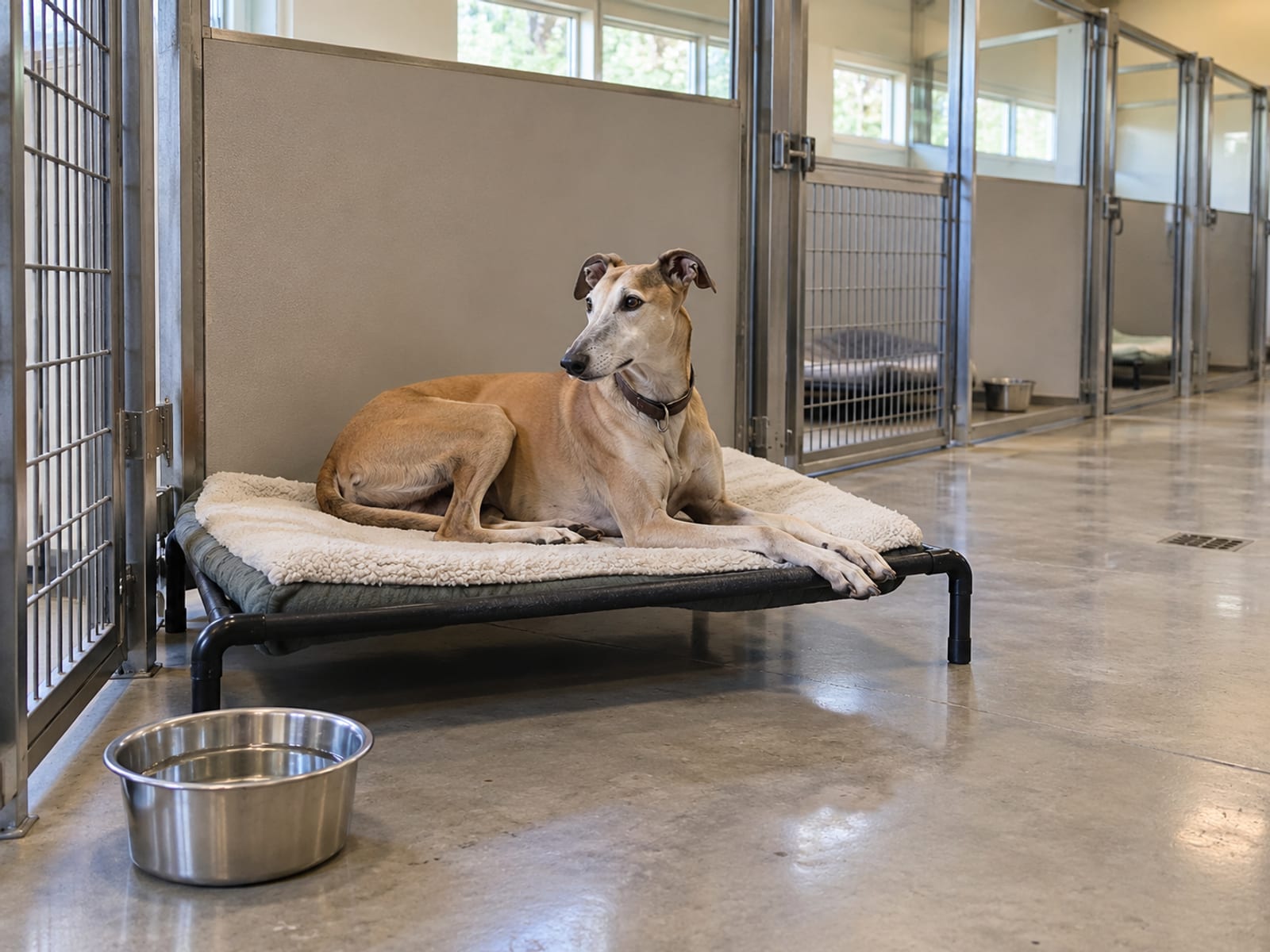
Act first on safety, then on records. CDC's veterinary guidance (July 16, 2025) says that, in coordination with public-health authorities, a healthy dog suspected of rabies that exposes a person or pet may be confined and observed for ten days after the exposure. Vaccination status does not exempt a dog from that process. CDC says to report illness during the period immediately to the local health department and not to vaccinate during observation, because a vaccine reaction could confuse the assessment.
Here is the sequence I would put in your written procedure:
- Separate the dog from other animals and people, as directed.
- Call the county animal-control office or county board of health.
- Follow their instructions on location and supervision.
- Keep the intake form, rabies certificate, tag information, owner details, emergency contact, veterinarian details and pickup authorization exactly as they are.
- Write an incident record with the date, time, people involved, description of the injury or exposure, and every communication.
- Do not alter, discard or replace the original records.
- Give copies to the authorized public-health or animal-control official when asked.
- Record every transfer, release or change in custody.
- Keep staff away from saliva or nervous-tissue contact and follow public-health instructions.
The ten days are an official observation period. They do not mean you can decide on your own that a dog is cleared. For the wider liability questions around bites, read our guide to Georgia dog bite law for dog businesses.
Questions Georgia dog businesses ask about rabies rules
Is a rabies tag the same as a rabies certificate?
No. The tag is a county or city item, and the certificate is the veterinary record. Fulton County and DeKalb County ask for a copy of the certificate when a dog is registered, even though a tag is also issued. Keep the certificate in your file either way.
What does O.C.G.A. Title 31, Chapter 19 cover?
It covers the county board of health's primary responsibility for rabies control, local authority to require animal regulation or licensing, and the duty to notify the board and confine an animal after a bite or signs of rabies. It does not make your intake form a state requirement.
Does a GDA kennel license replace local zoning?
No. The Georgia Department of Agriculture says local ordinances must be addressed separately. A license applies to an establishment where dogs or cats are kept for boarding, holding, training or similar compensated purposes, including certain grooming establishments, and you still need the city or county business license, zoning and home-occupation answers for your address. Our guide to Georgia dog business license requirements lays out those offices.
How long must kennel records be kept?
Rule 40-13-13 requires licensed kennels to keep complete and accurate records for twelve months, current on the premises and available to the Commissioner or an authorized representative on request.
Quick check: Georgia rabies rules for dog businesses
What should you do next?
Start with your own addresses. Confirm the county and city rules for where you work, and call the county animal-services office with the seven questions above. Then write your intake policy with the sample wording, say plainly that it is your policy, and apply it the same way every time. Build the rabies file with the owner, emergency contact, veterinarian, dates, release authority and certificate, and keep a written bite procedure beside it.
If you board dogs, link that file to your kennel license steps in our guide to opening a dog boarding kennel in Georgia. A little paperwork up front is what lets you say yes to a dog with confidence, and no to one without records, without an argument.
Sources
- agr.georgia.gov: GDA kennel record-keeping form
- animalservices.chathamcountyga.gov: Chatham County Animal Services
- cdc.gov: CDC import rules
- cdc.gov: CDC's veterinary guidance
- cdn.chathamcountyga.gov: revenue ordinance
- dekalbcountyga.gov: DeKalb County Animal Services
- dph.georgia.gov: Georgia Department of Public Health Rabies Control Manual
- fultoncountyga.gov: Fulton County Animal Services
- gov.georgia.gov: HB 1408
- gwinnettcounty.com: Gwinnett County
- humanesocietyofnortheastgeorgia.org: Humane Society of Northeast Georgia
- humanesocietyofvaldosta.org: Petco Love vaccine clinic
- humanesocietysav.org: Humane Society for Greater Savannah
- sohfga.com: clinic page